What Are Good Alternatives for In-house School Cleaning Staff
When your school faces the challenge of maintaining a pristine environment, you've likely asked: what are good alternatives for in-house school cleaning staff? Managing a dedicated cleaning crew comes with significant overheads, from recruitment and training to payroll and unexpected absences. Finding efficient, reliable, and cost-effective solutions becomes paramount for administrators focused on their core educational mission.
In our research, we've found that while many schools rely on internal teams, outside providers offer scalable, professional services that often meet rigorous hygiene standards, such as those recommended by the Centers for Disease Control and Prevention (CDC) for educational settings. These alternatives allow schools to ensure a healthy atmosphere for students and staff without the constant HR complexities.
Why Rethink Your School's Cleaning Staff Model?
Making a switch from an in-house cleaning team often stems from a desire to optimize resources and improve overall facility hygiene. The daily grind of managing staff can divert attention from essential educational tasks. You might be experiencing high turnover, which leads to continuous recruitment and training cycles, or perhaps facility needs fluctuate seasonally, making a fixed in-house team inefficient. Many administrators find that external services offer a more predictable cost structure and access to specialized cleaning knowledge and equipment.
This isn't just about saving money; it's about effectiveness. A properly managed outsourced cleaning program can ensure consistent adherence to public health guidelines, which is critical for preventing the spread of illness in a school environment. As of 2026, the emphasis on institutional hygiene continues to grow, pushing schools to re-evaluate their operational strategies for maximum impact with minimal disruption.
Professional Cleaning Companies: The Full-Service Option
Professional cleaning companies offer a comprehensive solution where they handle nearly everything related to your school's cleaning needs. You contract with a single entity, and they provide trained staff, all necessary cleaning supplies, and the equipment to get the job done. These services typically operate on a scheduled basis, most often nightly, ensuring your school is ready for students each morning. This model is attractive because it shifts the entire burden of cleaning management, from hiring and training to scheduling and supply procurement, to the external provider.
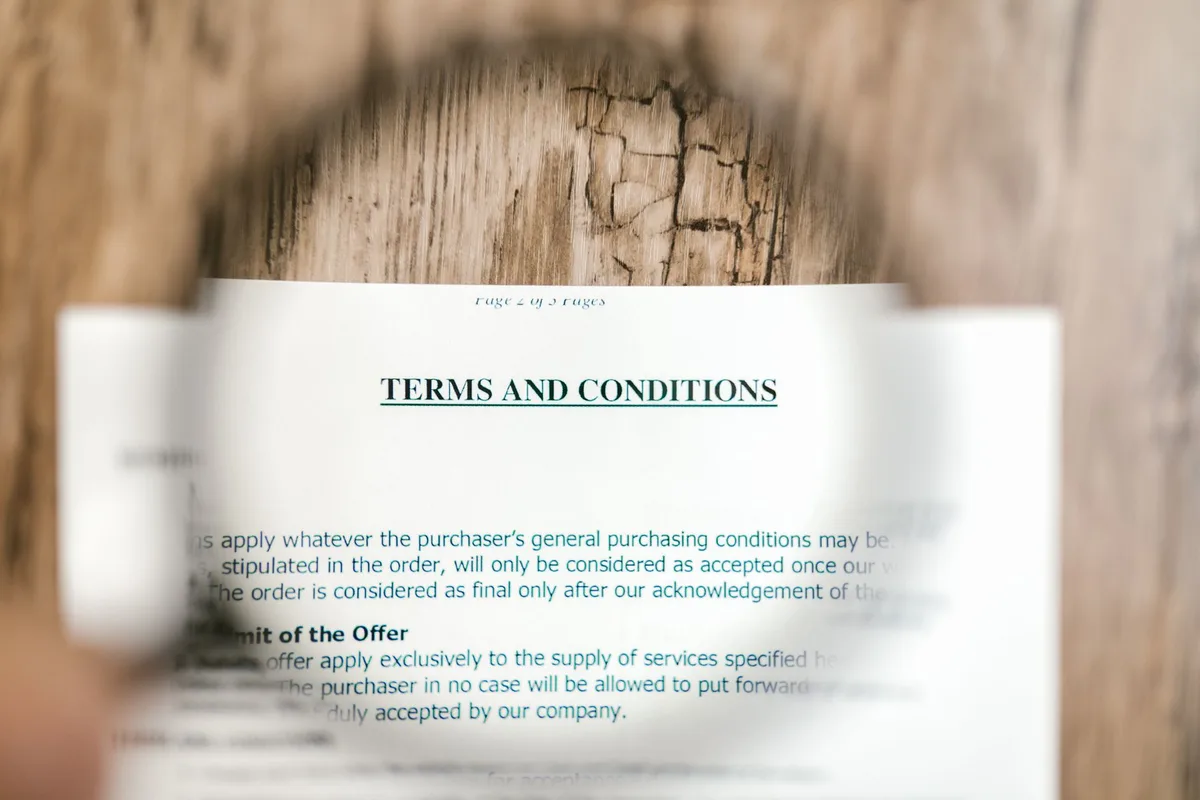
The advantage here is a hands-off approach for the school administration. The company is responsible for delivering a specified level of cleanliness as outlined in a service level agreement (SLA). This often includes regular trash removal, restroom sanitization, floor care, dusting, and general tidying of classrooms, hallways, and common areas. They usually employ professional-grade equipment and chemicals, aiming for efficiency and thoroughness that might be difficult for an in-house team to match consistently.
Pros of Professional Cleaning Companies
- Reduced Management Burden: You're freed from the complexities of hiring, training, managing staff schedules, and handling payroll and benefits for a cleaning team.
- Consistent Quality and Standards: Reputable companies maintain rigorous standards and provide ongoing training to their staff, ensuring a reliable level of cleanliness throughout your facility.
- Access to Advanced Equipment and Supplies: These providers invest in professional-grade cleaning machines and eco-friendly or high-efficacy cleaning agents, often more powerful and efficient than what schools might purchase internally.
- Scalability and Flexibility: While offering consistent service, they can often scale up or down for special events or specific needs with advance notice.
- Accountability: Clear service level agreements (SLAs) define responsibilities, ensuring you have recourse if service doesn't meet expectations.
Cons of Professional Cleaning Companies
- Potentially Higher Direct Cost: The per-service price might appear more expensive than an internal budget line item, though a full cost analysis must include all internal staff-related expenses.
- Less Flexibility for Immediate Day-to-Day Issues: If a spill happens mid-day or a small, immediate cleaning need arises, you can't just call your contracted overnight cleaner to respond instantly.
- Finding the Right Provider: It takes due diligence to select a company with a proven track record in educational environments and a service model that truly aligns with your school's specific needs and budget.
On-Demand & Task-Based Cleaning: For Specific Needs
On-demand cleaning services are a bit different from a regular, scheduled cleaning contract. Instead of providing daily or nightly service, these companies are there when you need them for specific tasks or projects. Think of them as specialists you call in for a particular job, rather than a constant presence. This could be for deep cleaning at the end of a school term, sanitizing after a special event, or tackling a specific area like gymnasium floors or high windows.
This service model offers a high degree of flexibility. You pay for the services rendered, making it potentially more cost-effective if your cleaning needs are not continuous or if you have a smaller facility with manageable day-to-day upkeep handled internally. It’s an excellent way to supplement existing cleaning efforts or manage infrequent but intensive cleaning requirements without committing to a long-term contract.
Pros of On-Demand Services
- Cost-Effective for Sporadic Needs: You only pay for the services you use, avoiding the recurring costs of daily or nightly contract cleaning.
- Specialized Expertise: Ideal for tasks requiring specific equipment or skills, such as industrial floor stripping and waxing, deep carpet cleaning, or post-construction site sanitation.
- Flexibility in Scheduling: You can book services precisely when they are needed, fitting into your school calendar for breaks, holidays, or event preparations.
- Targeted Solutions: Effectively addresses specific cleaning challenges that may not be part of a routine cleaning schedule.
Cons of On-Demand Services
- Not a Solution for Daily Cleaning: This model does not provide the consistent day-to-day maintenance required to keep a school environment clean and healthy.
- Requires Proactive Booking: You need to plan ahead and schedule services, which can be challenging if unexpected needs arise.
- Can Become Costly if Overused: If you find yourself needing these services more frequently than anticipated, the per-job costs can add up to be more expensive than a regular contract.
Hybrid Cleaning Models: A Balanced Approach
A hybrid cleaning model aims to combine the best of both worlds: keeping some level of in-house capability while outsourcing heavier or more specialized tasks. This approach could involve retaining one or two custodians for day-to-day tasks like emptying trash, spot cleaning, and basic restroom upkeep during school hours. Meanwhile, a professional cleaning company might be contracted for the intensive nightly cleaning, deep sanitization cycles, or periodic services like floor refinishing and window washing.
This strategy allows for immediate response to minor issues that arise during the school day, which an overnight service cannot provide. At the same time, it leverages the efficiency and professional standards of an external provider for the bulk of the cleaning work. It requires careful planning to define clear roles and responsibilities between your internal staff and the contracted company to avoid overlap or essential tasks being missed.
Pros of Hybrid Models
- Balanced Control and Efficiency: You maintain direct oversight and immediate response capability for daily issues while benefiting from professional expertise for major tasks.
- Potential Cost Optimization: Can be more budget-friendly than full in-house management or exclusive full-service outsourcing, as you tailor services to need.
- Tailored Service Delivery: Allows you to address specific school needs, ensuring critical daily tasks are covered by trusted staff and less frequent, intensive work is expertly handled.
- Improved Staff Morale (Potentially): In-house staff can focus on immediate needs and visible tidiness, potentially finding their roles more manageable and less overwhelming than full custodial duties.
Cons of Hybrid Models
- Increased Management Complexity: You are managing two distinct cleaning systems: your internal team and your external contractor. Coordination is key.
- Risk of Service Gaps: Without meticulous communication and clear delineation of duties, there's a chance that some cleaning tasks could be overlooked or assumed to be handled by the other party.
- Requires Precise Planning: Determining the optimal balance and clearly defining who is responsible for what requires significant upfront planning and ongoing review.
Evaluating Your School's Cleaning Needs: Key Factors
Before you decide between a full-service company, on-demand help, or a hybrid approach, it's crucial to take a good, hard look at what your school genuinely needs. This means going beyond just looking at restrooms and classrooms; it's about understanding the entire operational flow and the specific demands of your environment. What are the high-traffic areas that require the most attention? Are there specific health concerns or certifications your school aims to meet?
Consider the size of your facility, the number of students and staff, and the types of activities that take place daily. A school with a robust arts program might need different cleaning protocols than one focused on science labs. Think about the age of your building; older facilities can present unique challenges with ventilation or materials that require specialized care.
Common Cleaning Pain Points in Schools
- Inconsistent Quality: Even with in-house staff, maintaining a uniform level of cleanliness across all areas can be a struggle due to varying staff skill levels or motivation.
- Budget Constraints: Limited budgets can impact the quality of cleaning supplies, the purchase of up-to-date equipment, and the ability to staff adequately for all necessary cleaning tasks.
- Staff Turnover: Schools often experience high turnover rates for custodial staff, leading to constant recruitment, onboarding expenses, and a dip in service quality during transitions.
- Missed High-Touch Surfaces: Thorough and frequent cleaning of frequently touched surfaces like doorknobs, light switches, and shared equipment is essential but can be overlooked in busy daily routines.
- Compliance and Health Standards: Ensuring all cleaning practices meet current public health guidelines, especially concerning germ transmission, requires ongoing training and adherence to specific protocols.
Helping You Choose: Which Alternative Fits Best?
Deciding on the right cleaning solution for your school isn't a one-size-fits-all proposition. The best choice hinges on a careful weighing of your specific operational needs, budget realities, and desired outcomes. If your primary goal is to eliminate management overhead entirely and ensure a consistently high standard of cleanliness, a full-service professional cleaning company stands out. They handle all the complexities of staffing, training, and supply management for you.
However, if your school has a strong, reliable internal team for daily tasks and only needs help with intensive projects or periodic deep cleans, on-demand services provide a highly flexible and cost-effective solution. For those looking for a middle ground, maintaining some daily oversight while outsourcing the heavier lifting, a hybrid model offers a balanced approach that can be tailored to minimize both costs and management headaches.
Best For: Who Should Consider Each Option
Understanding who benefits most from each cleaning alternative can help clarify your decision-making process. Professional cleaning companies are often ideal for school districts or larger institutions that prioritize predictability and want to minimize administrative burdens associated with staff management. They are well-suited for environments where consistent, high-volume foot traffic demands a top-tier, daily cleaning regimen.
On-demand services shine for schools with specific, infrequent needs, such as preparing for accreditation visits, executing post-event cleanups, or performing deep restorative cleaning like floor refinishing. Smaller institutions or those with in-house custodial teams seeking to supplement their capabilities might also find this option very appealing. A hybrid model works best for schools that have a dependable core internal team but want to offload more demanding, less frequent tasks, thereby optimizing labor costs and ensuring specialized jobs are done professionally.
Helping You Choose: Which Alternative Fits Best?
Deciding on the right cleaning solution for your school isn't a one-size-fits-all proposition. The best choice hinges on a careful weighing of your specific operational needs, budget realities, and desired outcomes. If your primary goal is to eliminate management overhead entirely and ensure a consistently high standard of cleanliness, a full-service professional cleaning company stands out; they handle all the complexities of staffing, training, and supply management for you.
However, if your school has a strong, reliable internal team for daily tasks and only needs help with intensive projects or periodic deep cleans, on-demand services provide a highly flexible and cost-effective solution. For those looking for a middle ground, maintaining some daily oversight while outsourcing the heavier lifting, a hybrid model offers a balanced approach that can be tailored to minimize both costs and management headaches.
Best For: Who Should Consider Each Option
Understanding who benefits most from each cleaning alternative can help clarify your decision-making process. Professional cleaning companies are often ideal for school districts or larger institutions that prioritize predictability and want to minimize administrative burdens associated with staff management. They are well-suited for environments where consistent, high-volume foot traffic demands a top-tier, daily cleaning regimen.
On-demand services shine for schools with specific, infrequent needs, such as preparing for accreditation visits, executing post-event cleanups, or performing deep restorative cleaning like floor refinishing. Smaller institutions or those with in-house custodial teams seeking to supplement their capabilities might also find this option very appealing. A hybrid model works best for schools that have a dependable core internal team but want to offload more demanding, less frequent tasks, thereby optimizing labor costs and ensuring specialized jobs are done professionally.
Avoiding Common Pitfalls in Outsourcing School Cleaning
When you transition to an external cleaning service, there are a few common missteps that can turn a promising solution into a frustrating experience. One significant error is failing to conduct thorough due diligence on potential providers. Don't just get the first quote; research companies, check references, and ask for proof of insurance and bonding. Understanding their experience specifically within educational facilities is crucial, as school environments have unique needs regarding safety and security.
Another pitfall is unclear communication regarding expectations and service levels within the contract. Ambiguity about what "clean" means, how often specific tasks should be performed, or the protocols for reporting issues can lead to disputes and dissatisfaction. It's vital to have a detailed Service Level Agreement (SLA) that clearly outlines duties, performance metrics, response times, and procedures for addressing complaints, ensuring both parties are aligned from the start.
- Vague Contracts: Not clearly defining scope of work, frequency, and quality standards.
- Insufficient Vetting: Failing to check references or verify credentials of cleaning providers.
- Ignoring Staff Input: Not consulting with internal staff or facility managers about on-the-ground needs.
- Assuming 'Good Enough': Settling for subpar cleaning when issues arise rather than invoking contract clauses or pursuing resolutions.
- Underestimating Transition Time: Not allowing adequate time for onboarding a new service, which can include staff training and establishing new workflows.
Making the Switch: Practical Steps and Considerations
Successfully transitioning to an alternative cleaning model requires a structured approach to minimize disruption and ensure continuity. First, clearly define your school's current cleaning needs. Catalog all tasks, note problem areas, and document your current cleaning schedule and any existing challenges. This forms the foundation for what you’ll communicate to potential external providers or integrate into your hybrid model.
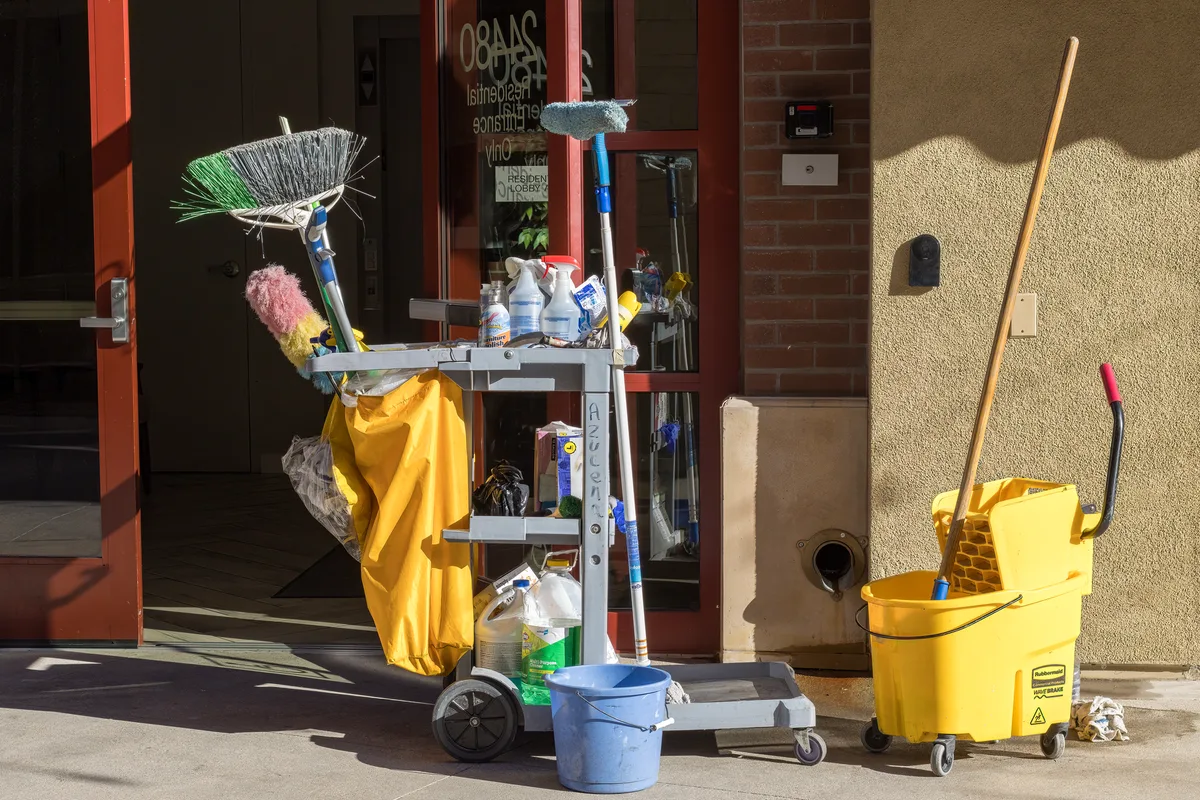
Next, research and vet potential partners thoroughly. Request detailed proposals that outline their services, pricing structure, staffing protocols, and insurance coverage. Don't hesitate to ask for site visits to their current clients with similar facility types. Once a provider is selected, work collaboratively to finalize a comprehensive Service Level Agreement (SLA).
This document should clearly define responsibilities, performance metrics, communication channels, and a dispute resolution process, ensuring a smooth handover and ongoing partnership.
Questions to Ask Potential Providers:
- What is your experience cleaning educational facilities?
- Can you provide references from similar schools?
- What are your staff screening and training procedures?
- What cleaning products and equipment do you use? Are they eco-friendly and safe for children?
- What is your process for handling complaints or service deficiencies?
- How do you ensure consistency and quality control?
Pro Tips for Ensuring Top-Notch School Cleaning
To ensure that whichever cleaning alternative you choose consistently delivers excellent results, focus on clear communication and regular feedback loops. Establish a designated point of contact at your school who liaises directly with the cleaning service provider. This person should be responsible for conducting regular walk-throughs, documenting any issues, and providing consistent feedback.
Don't hesitate to schedule periodic review meetings with your cleaning provider, perhaps quarterly, to discuss performance, address any emerging concerns, and make necessary adjustments to the service plan. Encourage your staff and faculty to report cleaning issues promptly through a defined channel. This proactive approach not only helps rectify problems quickly but also fosters a sense of shared responsibility for maintaining a healthy and clean school environment.