What Do Dentist Put on Your Teeth After Cleaning in 2026
So, you just sat through your dental cleaning, and while your teeth feel amazing and smooth, you might be wondering about that extra step, the application of something that glistens or feels a bit different. Dentists often apply specific treatments to your teeth after cleaning to enhance protection and address immediate oral health needs. Understanding what these applications are and why they're used can help you appreciate them more and follow post-treatment instructions effectively.
In our research, we found these dental applications are typically professional-grade products designed for targeted benefits, not just a cosmetic finish. For instance, some fluoride varnishes, as per manufacturer specifications, release fluoride ions for up to 12 hours, significantly boosting enamel remineralization compared to standard brushing alone. This post-cleaning care is a critical part of maintaining your healthy smile between visits.
Quick Answer
Dentists typically put fluoride treatments, antibacterial rinses, or desensitizing agents on your teeth after cleaning. Fluoride strengthens enamel and prevents cavities. Rinses combat bacteria, while desensitizers reduce sensitivity.
These are usually applied in foam, gel, or varnish form.
What Dentists Put on Your Teeth After Cleaning: A Smart Move for Your Smile
Why Post-Cleaning Treatments Matter for Your Smile
You just had your teeth professionally cleaned, and they feel wonderfully smooth and bright. But often, the visit isn't quite over. Dentists and hygienists frequently apply a special treatment afterward.
This isn't just for a fresh feeling; it's a strategic step to fortify your teeth and address any issues that might have been uncovered during the cleaning. Think of it as putting a protective finish on a newly polished car. These professional applications offer benefits that over-the-counter products can't easily match.
Aggregate reviews from dental professionals indicate that these follow-up treatments play a significant role in preventative dental care. For example, the American Dental Association (ADA) recommends fluoride treatments particularly for individuals at higher risk of developing cavities, helping to combat the decay process more effectively.
The Usual Suspects: What's in That Treatment?
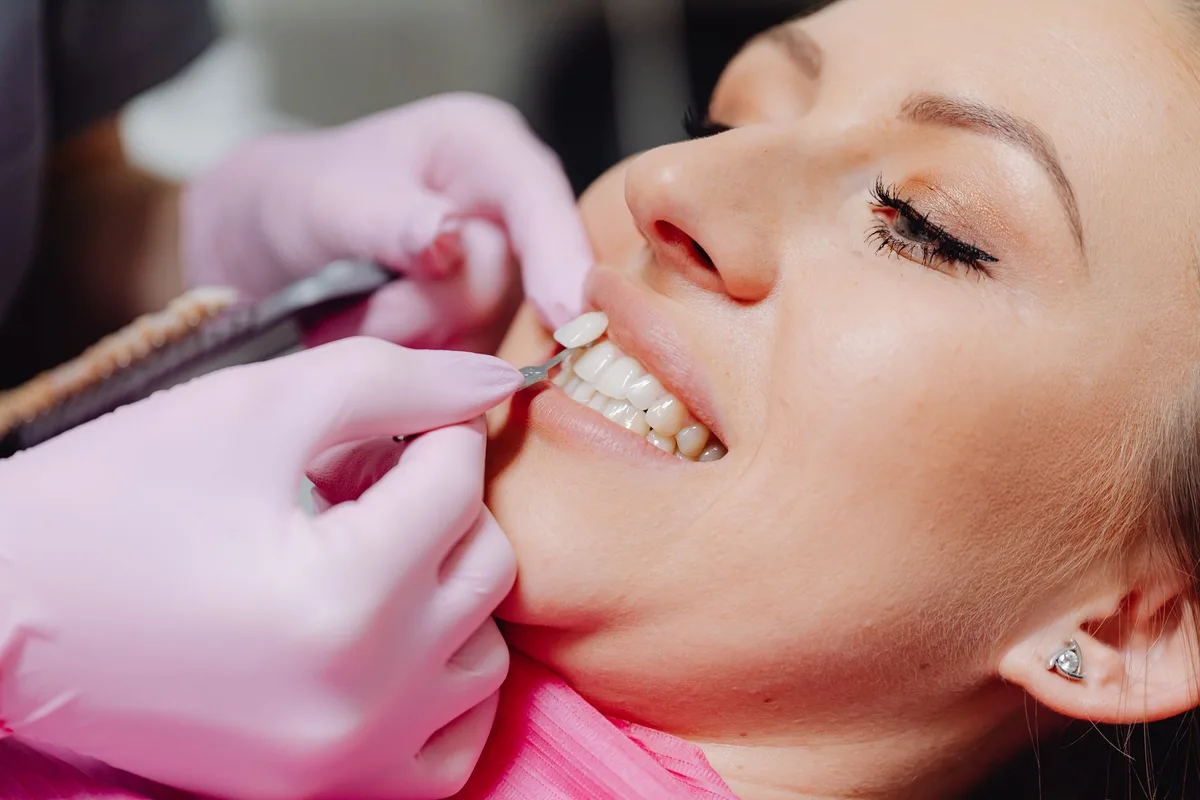
When your dentist or hygienist finishes polishing your teeth, they'll often reach for something extra. These aren't random substances; they are carefully selected agents designed to provide immediate and lasting benefits for your oral health. You'll most commonly encounter one of three types of treatments.
Fluoride Treatments: Your Enamel's Best Friend
This is the most common post-cleaning application. Fluoride is a mineral that occurs naturally and is crucial for building strong teeth and preventing cavities. Professional fluoride treatments deliver a higher concentration of fluoride than you'd typically get from daily brushing or tap water.
They work by integrating into the tooth's structure, making the enamel more resistant to acid attacks from plaque bacteria and sugars.
Antibacterial & Antimicrobial Rinses: Tackling Bacteria
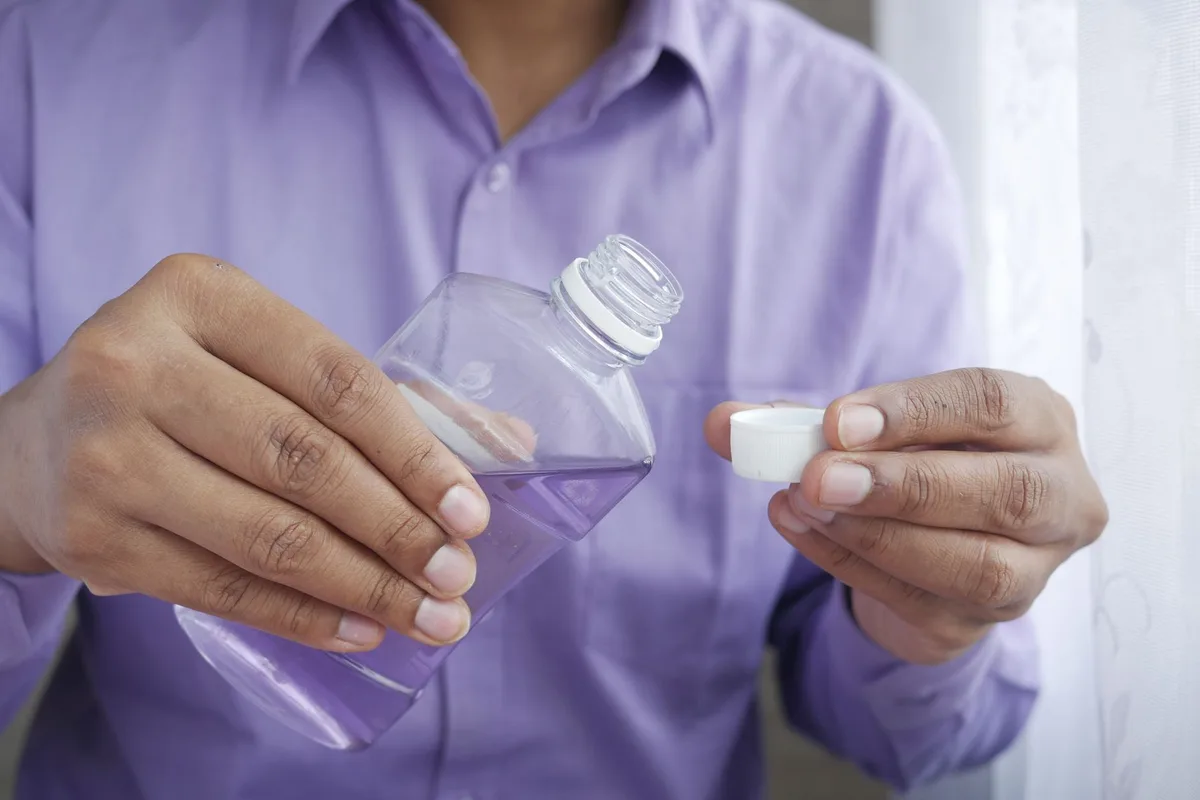
If your dentist notes signs of gum inflammation or if you have a history of gum disease, they might recommend or administer an antibacterial or antimicrobial rinse. These are specialized mouthwashes designed to reduce the number of harmful bacteria lingering in your mouth. They can help manage gingivitis and other periodontal issues by targeting the microorganisms responsible for infection and inflammation.
Desensitizing Agents: Silencing Tooth Sensitivity
For many people, sensitive teeth are a constant battle, especially with hot or cold foods and drinks. If your dentist identifies tooth sensitivity during your exam, they may apply a desensitizing agent directly to the affected areas. These products work by blocking the tiny tubules within your dentin, which are pathways to your tooth's nerves, thereby reducing the sensation of pain or discomfort.
How These Treatments Work Their Magic
The effectiveness of post-cleaning dental treatments lies in how they interact with your tooth structure and oral environment. They're not just temporary fixes; they aim to provide tangible improvements in your teeth's health and resilience.
Strengthening Your Enamel's Defense
Enamel is the hard, outermost layer of your teeth, acting as a protective barrier against decay. Acidic foods, sugary drinks, and bacteria in your mouth can demineralize, or weaken, this enamel over time. Professional fluoride treatments, whether in foam, gel, or varnish form, introduce a high concentration of fluoride ions.
These ions are incorporated into the enamel structure, forming fluorapatite, which is significantly more resistant to acid dissolution than the natural hydroxyapatite of enamel. This process makes your teeth stronger and better equipped to withstand daily challenges.
Fighting Off Cavities Before They Start
Cavities, or dental caries, are primarily caused by acids produced by bacteria feeding on sugars. By strengthening your enamel, fluoride treatments make it much harder for these acids to penetrate and damage the tooth. Furthermore, fluoride has a remineralizing effect, meaning it can help repair the very early stages of tooth decay, effectively reversing minor demineralization before it becomes a full-blown cavity.
As of 2026, this proactive approach remains a cornerstone of preventative dentistry.
Soothing Sensitive Teeth
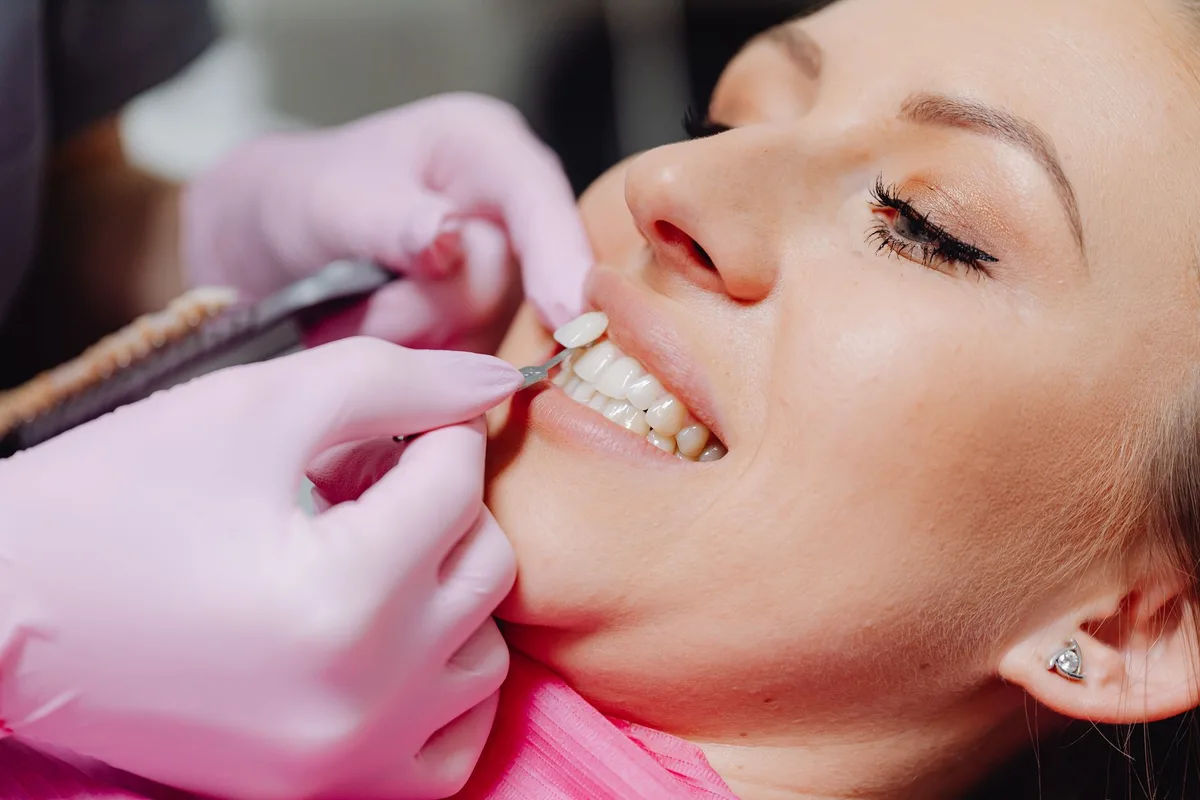
Tooth sensitivity often arises when the dentin, the layer beneath the enamel, becomes exposed. Dentin contains thousands of microscopic tubules that lead directly to the tooth's nerves. When hot, cold, sweet, or acidic substances come into contact with these tubules, they can stimulate the nerves, causing sharp pain.
Desensitizing agents work by either occluding, or blocking, these tubules with specific minerals or by creating a barrier that prevents external stimuli from reaching the nerve endings. This provides much-needed relief from discomfort.
Application Methods: What to Expect at the Dental Office
The specific method your dental professional uses to apply treatments will vary, but they generally aim for complete and even coverage. The goal is to ensure the active ingredients come into contact with all tooth surfaces for maximum benefit. You can expect the process to be quick and straightforward, usually taking only a few minutes.
Foam and Gel Trays
This is a common method for administering fluoride treatments. After your teeth are clean and dry, your hygienist will fill a mouthguard-like tray with a fluoride foam or gel. You'll then gently bite down on the tray for about one to two minutes.
The tray ensures that the fluoride makes contact with all surfaces of your teeth simultaneously. Afterward, you'll spit out any excess material. The taste can vary by brand and flavor, often mint or fruit-based.
Fluoride Varnish Application
Fluoride varnish is a more concentrated form of fluoride that is painted directly onto the tooth surfaces. It's often described as having a sticky texture that adheres to the teeth. Your dentist or hygienist will use a small brush to apply the varnish systematically over all of your teeth.
This method is particularly useful for reaching all areas and for patients who might have difficulty keeping trays in their mouths. The varnish sets quickly upon contact with saliva, forming a protective layer that gradually releases fluoride over several hours.
Are These Treatments Necessary for Everyone?
While professional dental applications are beneficial for most patients, their necessity can vary based on individual oral health status, risk factors, and dentist recommendations. They are considered a valuable preventative measure, but your dentist will tailor their approach to your specific needs.
Who Benefits Most from Post-Cleaning Applications?
Our research indicates certain patient groups see the most significant advantages from these treatments.
- Individuals with a High Risk of Cavities: If you have a history of frequent decay, consume a diet high in sugar, have braces, or experience dry mouth (xerostomia), a fluoride treatment is highly recommended.
- Children and Adolescents: Young permanent teeth are often more susceptible to decay. Professional fluoride applications can provide critical protection during these formative years. As per general dental guidelines, children benefit from regular fluoride treatments until their cavity risk significantly decreases.
- Patients with Gum Disease or Inflammation: Those with gingivitis or periodontitis may benefit from antimicrobial rinses to help manage bacterial levels and reduce inflammation.
- Individuals with Tooth Sensitivity: If you experience pain when consuming hot, cold, or sweet items, desensitizing agents can offer significant relief.
- People with Less-Than-Ideal Oral Hygiene Habits: For those who struggle to maintain consistent and effective brushing and flossing, professional applications add an extra layer of defense.
- Patients Undergoing Dry Mouth Treatment: Dry mouth drastically increases cavity risk, making fluoride treatments essential.
While beneficial for many, your dentist is the best resource to determine if a specific post-cleaning application is right for you.
Common Mistakes to Avoid After Treatment
While professional dental applications are generally safe and beneficial, improper aftercare can diminish their effectiveness or even cause temporary discomfort. Understanding these common pitfalls helps you get the most out of your dentist's work and keep your smile healthy. A key mistake is rushing your diet or oral hygiene immediately after.
For instance, if you've had a fluoride varnish applied, skipping the recommended waiting period before eating or drinking can wash away the treatment prematurely. Similarly, brushing too aggressively right after a cleaning, especially if desensitizing agents were used, can re-expose sensitive areas or disrupt therapeutic agents. Always follow your dentist's specific instructions regarding eating, drinking, and brushing.
Eating and Drinking Restrictions
Most treatments, particularly fluoride varnishes, require you to avoid eating or drinking for a specific period. This allows the active ingredients to bind effectively to your teeth. Manufacturer specifications for some fluoride varnishes suggest avoiding hot liquids, sticky foods, or crunchy items for at least 4-6 hours to maximize fluoride release.
Deviating from this can mean the treatment provides less benefit.
Brushing and Oral Hygiene Habits
Immediately after a dental cleaning and application, your teeth might feel extra clean, but they can also be slightly more susceptible. Aggressive brushing can irritate any freshly cleaned gum lines or dislodge newly applied desensitizing agents. It's generally advised to resume normal brushing, but with a gentle touch, until your dentist specifies otherwise.
For fluoride varnishes, it’s common advice to avoid brushing on the same night of the application, opting for a gentle rinse instead.
Neglecting Dentist's Instructions
Perhaps the most significant mistake is not listening to your dental professional's specific advice. They know your oral health situation and the exact product used. Instructions might include specific dietary recommendations, brushing techniques, or even what to do if you experience minor discomfort.
Ignoring these can lead to reduced treatment efficacy or unintended side effects.
Expert Tips for Maximizing Your Treatment's Benefits
To ensure you reap the full rewards of the treatments applied after your dental cleaning, a few proactive steps can make a big difference. These tips build on the professional application and help maintain the benefits between dental visits. Think of them as extending the professional care you've just received.
Adhere Strictly to Dietary Guidelines
Your dentist will likely provide instructions on what to eat or avoid after certain treatments. For instance, after a fluoride varnish, sticking to soft foods and avoiding very hot or very cold beverages for a specified period, often 4 to 6 hours, as per manufacturer guidance, is crucial. This prevents the varnish from being dislodged.
Similarly, if a desensitizing agent was applied, avoiding acidic foods and drinks right after can prevent triggering sensitivity.
Maintain Gentle, Consistent Oral Hygiene
Don't let the cleaning's effect lull you into a false sense of invincibility. Continue with your regular brushing and flossing routine, but be mindful. Use a soft-bristled toothbrush and gentle, circular motions.
If a fluoride varnish was applied, your dentist might advise against brushing until bedtime or the next morning. For fluoride foams or gels, continuing regular, thorough brushing and flossing as usual, but with a gentle touch, is recommended.
Consider Your Risk Factors at Home
If the treatment was recommended due to a high cavity risk, dry mouth, or sensitivity, revisit your at-home habits. Are you using a fluoride toothpaste? Are you limiting sugary snacks and drinks between meals?
Addressing these factors will amplify the benefits of the professional treatment. Your dentist might also suggest specific at-home fluoride rinses or specialized toothpastes if your risk factors are significant.
When to Talk to Your Dentist About Specific Needs
Your oral health is a dynamic landscape, and sometimes treatments applied after a cleaning don't fully address a persistent issue, or a new concern arises. Knowing when to reach out to your dental professional is key to ongoing care. Don't hesitate to schedule a follow-up or a quick call if something feels off or if you have questions about your treatment.
Persistent Sensitivity or Discomfort
If tooth sensitivity doesn't improve after a few days, or if it worsens, you should contact your dentist. Likewise, any unusual soreness, swelling, or bleeding that persists beyond a day or two after your cleaning and any applied treatment warrants a check-up. While some mild sensitivity is normal immediately afterward, prolonged or severe discomfort could indicate an underlying issue that needs professional attention.
Concerns About Treatment Efficacy
Did the fluoride treatment seem to wear off quickly? Are you still experiencing frequent cavities despite professional applications? If you have doubts about how well a treatment is working, or if your oral health concerns haven't been adequately managed, a conversation with your dentist is in order.
They can reassess your risk factors and adjust your treatment plan. This might involve trying a different type of fluoride application or exploring other preventative strategies.
Frequently Asked Questions
What is the primary purpose of treatments after a dental cleaning?
The main goals are to strengthen tooth enamel, prevent cavities, and address issues like sensitivity or bacterial overgrowth.
How long do post-cleaning treatments typically last?
The duration of benefit varies; fluoride treatments can offer protection for months, while desensitizing agents might provide temporary relief.
Can I feel the difference after these treatments?
Often, yes. You might notice reduced sensitivity, a smoother tooth surface, or a generally cleaner feeling that persists longer.
Should I use a special toothpaste after these treatments?
Your dentist will advise on this. Generally, using a fluoride toothpaste is recommended, but they may suggest specific types based on your needs.
Are these treatments safe for children?
Yes, professional fluoride treatments are considered very safe and highly effective for children, especially for cavity prevention.