What Is a Prophy Cleaning: Beginner-Friendly Guide for 2026
If you've ever wondered about that extra-special dental cleaning your hygienist offers, you're not alone. Understanding what a prophy cleaning is and why it's recommended can make a significant difference in maintaining your oral health and preventing future problems. It's a key part of preventative dental care that goes beyond your typical brush and floss routine.
A prophy cleaning, also known as dental prophylaxis, is a professional procedure designed to remove plaque and tartar buildup that regular brushing and flossing can't eliminate. Per standards set by dental associations, these cleanings are crucial for preventing common oral health issues and maintaining a healthy smile for the long term. Let's explore what this essential service entails.
Quick Answer
A prophy cleaning is a professional dental procedure to remove plaque and tartar. It's a preventative deep clean. This cleaning helps stop cavities and gum disease.
It also makes teeth smoother. It's recommended for maintaining good oral hygiene.
What Happens During a Prophy Cleaning: The Process
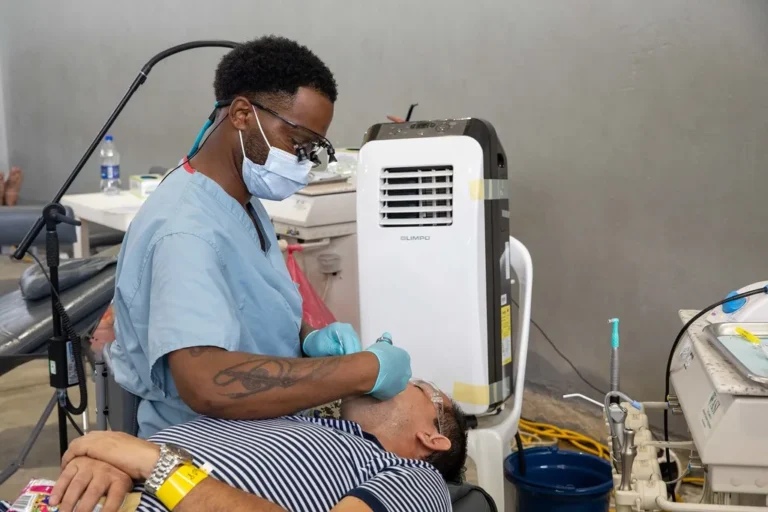
When you're in for a prophy cleaning, it's typically a more in-depth session than a standard check-up polish. The goal is thorough removal of buildup, especially from areas that are hard to reach at home and below the gum line.
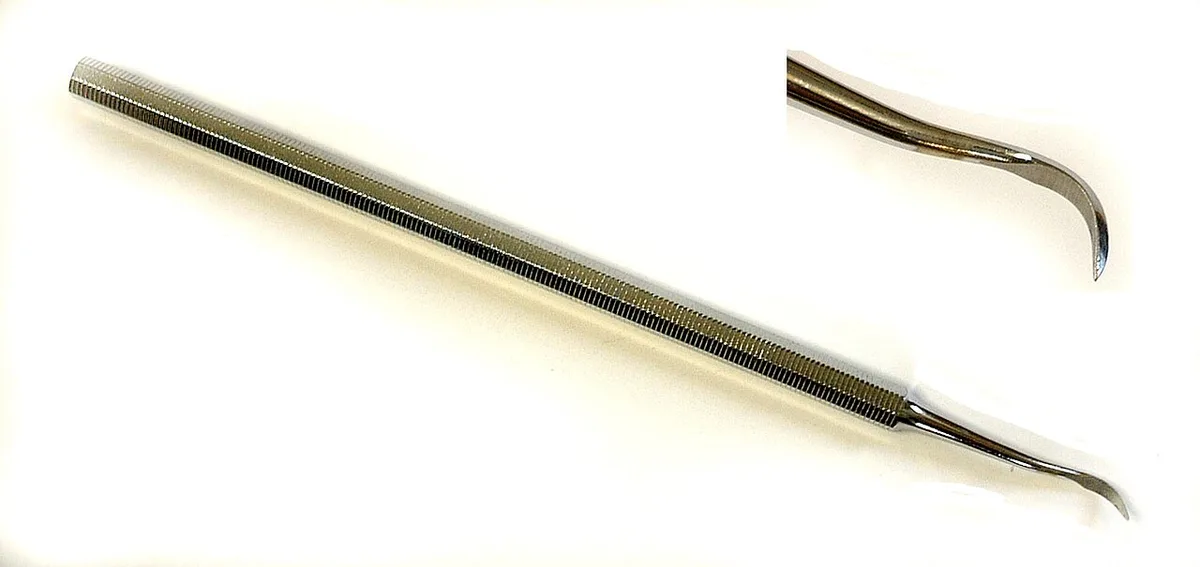
Your dental hygienist will likely start with scaling, using specialized instruments to gently scrape away hardened plaque (tartar or calculus). This process targets all surfaces of your teeth, making sure to get into crevices and along the gum line.
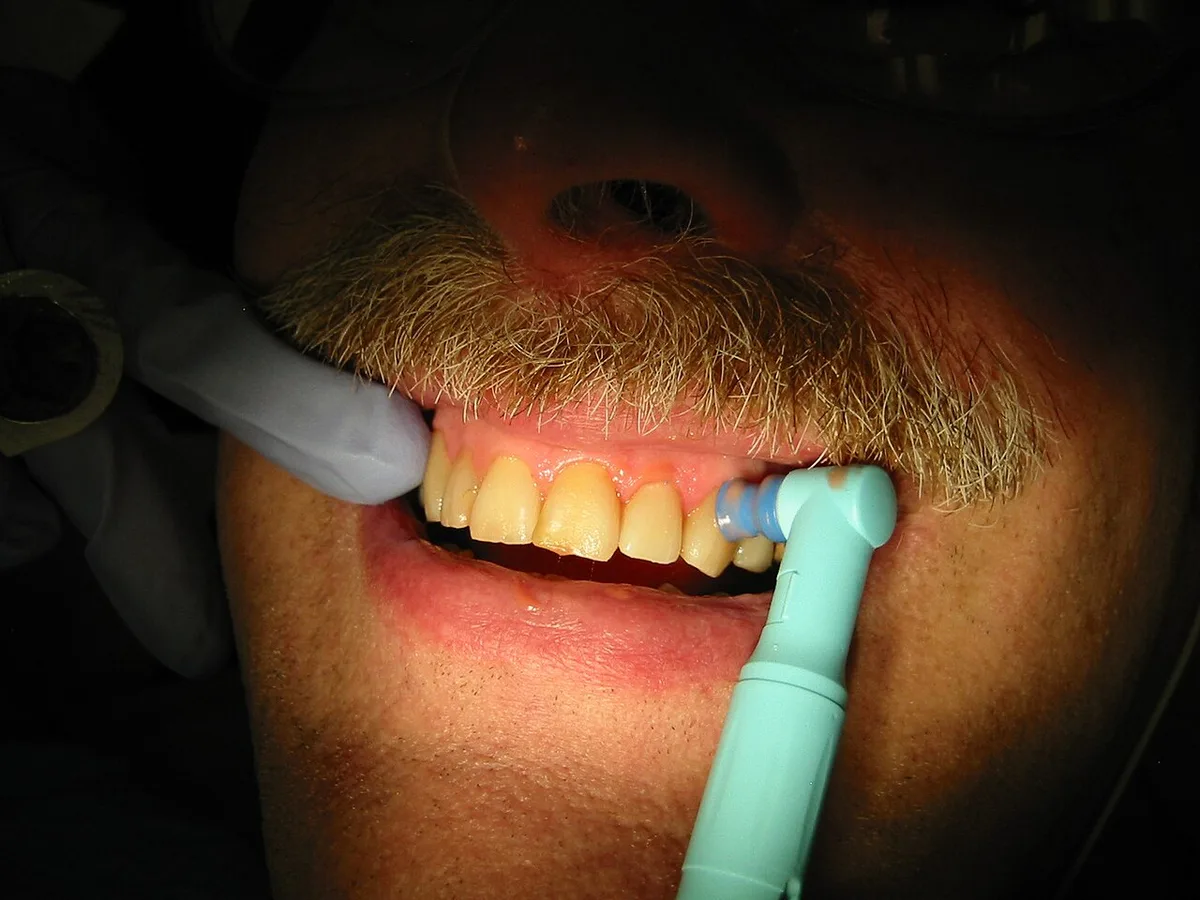
Following the scaling, polishing is next. A gritty paste is applied with a rotating cup to smooth the tooth surfaces. This not only removes minor surface stains but also makes it more difficult for plaque to reattach.
Finally, professional flossing ensures all debris is cleared, and your gums are checked.
Prophy Cleaning vs. Regular Dental Cleaning: What's Different?
It's easy to get these two terms mixed up, but there's a key distinction. A regular dental cleaning is often part of your routine check-up, typically done every six months. It focuses on maintaining good oral hygiene, checking for immediate issues, and a light polish.
A prophy cleaning, however, is a more intensive, therapeutic treatment. It's specifically performed to address more significant plaque and tartar buildup that has accumulated. Think of it as a deeper clean to get things back on track.
Your dentist or hygienist will assess your individual needs. If you have mild to moderate buildup, or if it's been a while since your last thorough cleaning, a prophy might be recommended.
Key Benefits of Regular Prophy Cleanings
The primary purpose of a prophy cleaning is preventative care, which offers numerous advantages for your long-term oral and overall health. Regularly undergoing this procedure can stop many common dental problems before they even start.
Preventing Cavities and Gum Disease
By diligently removing plaque and tartar, a prophy cleaning significantly reduces the bacteria that cause tooth decay and gum inflammation. Plaque harbors these bacteria, and when left unchecked, it hardens into tartar, which is much more difficult to remove and irritates your gums. Consistent cleanings keep these harmful agents at bay, protecting your enamel and gum tissue from damage.
Catching Dental Problems Early
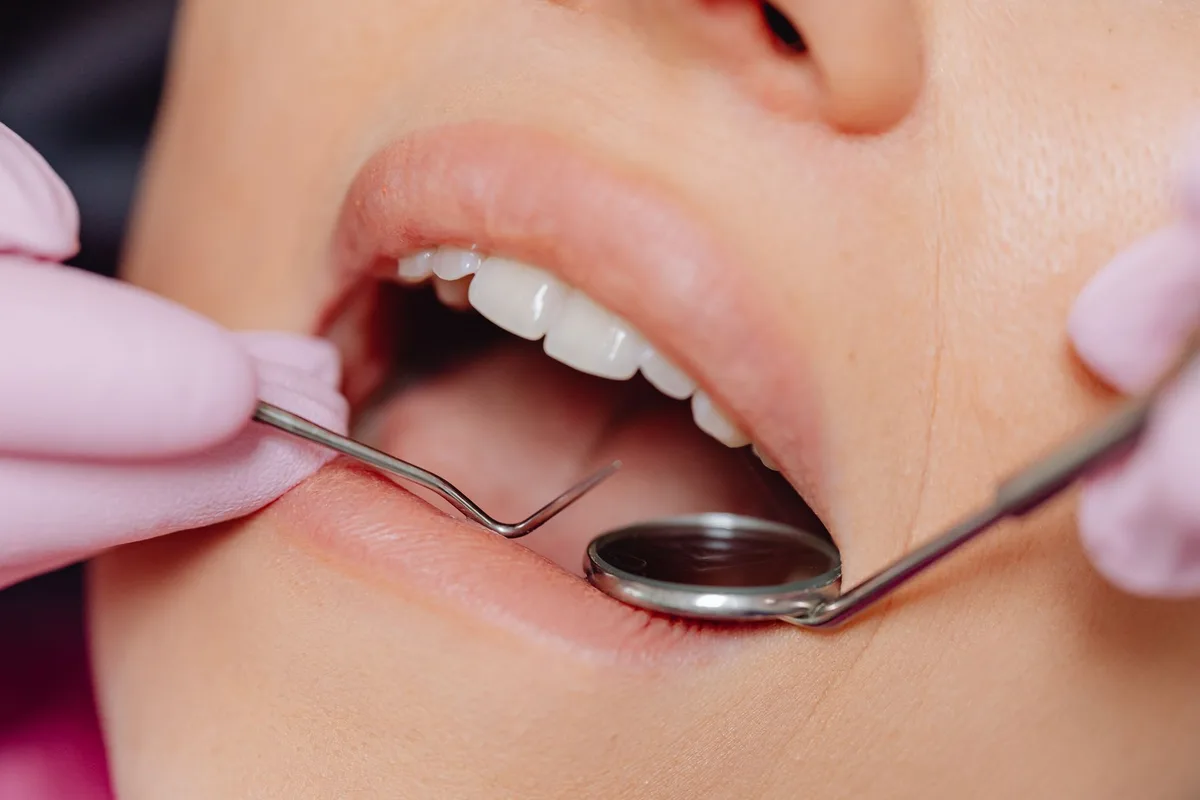
During a prophy cleaning, your dental hygienist or dentist isn't just cleaning; they're also performing a visual inspection. They look for early signs of cavities, gum disease (like gingivitis), and even oral cancer. Catching these issues when they are still in their initial stages often means simpler, less invasive, and more successful treatment options.
Fresher Breath and a Cleaner Mouth
One of the most immediate benefits people notice after a prophy cleaning is a noticeably cleaner feel in their mouth and fresher breath. That sticky plaque and often foul-smelling tartar are effectively removed, eliminating a primary source of halitosis. The smooth, polished surface of your teeth also feels great and makes it easier to maintain cleanliness at home between appointments.
Who Needs a Prophy Cleaning?
While everyone can benefit from preventative dental care, certain individuals are more likely to need or benefit from a prophy cleaning. Your dental professional will best advise you, but generally, people who fall into these categories are good candidates:
- Individuals with significant plaque or tartar buildup: If your oral hygiene at home isn't sufficient to remove all buildup, or if you have naturally sticky plaque, a prophy cleaning is essential.
- Patients with early-stage gum disease (gingivitis): A prophy cleaning is a cornerstone of treatment for gingivitis, helping to reverse inflammation and protect your gums.
- People undergoing orthodontic treatment: Braces and other orthodontic appliances can make cleaning more challenging, leading to increased plaque and tartar. According to orthodontic guidelines, regular professional cleanings are vital during treatment.
- Those with specific medical conditions: Certain health issues can affect oral health, making regular professional cleanings even more vital.
- Patients who haven't had a dental cleaning in over a year: It's usually recommended to have professional cleanings at least once or twice per year, as per standards from organizations like the American Dental Association (ADA) as of 2026.
Common Mistakes to Avoid with Prophy Cleanings
When you're aiming for optimal oral health, it's helpful to know common pitfalls to sidestep regarding prophy cleanings. These aren't about the cleaning itself, but how you approach and follow up on it.
- Skipping your scheduled cleaning: If your hygienist recommends a prophy cleaning every six months, but you only go once every two years, you're allowing significant buildup to occur. This can mean more discomfort during cleaning and a higher risk of dental problems.
- Neglecting home care after a cleaning: A prophy cleaning is a therapeutic treatment, not a permanent fix. It's crucial to maintain excellent brushing twice a day and flossing daily to prevent rapid reaccumulation of plaque and tartar.
- Ignoring discomfort or sensitivity: If you experience pain during a cleaning, speak up! Your hygienist can adjust their technique. If you have ongoing sensitivity or discomfort, it might indicate a deeper issue that needs to be addressed.
- Assuming it's just a "polish": Understanding that a prophy cleaning involves detailed scaling to remove hardened deposits (tartar) is important. It's more than just a superficial polish for aesthetics; it's a health-focused procedure.
When to Seek a Prophy Cleaning: Expert Recommendations
Deciding when you specifically need a prophy cleaning often comes down to professional advice, but there are clear indicators. As a rule of thumb, most adults benefit from one to two professional dental cleanings per year. However, your dentist or dental hygienist will make a tailored recommendation based on an assessment of your oral health.
If you notice your gums bleeding when you brush or floss, or if they appear red and swollen, it could be early gingivitis. This is a clear sign that a prophy cleaning is needed to remove the cause of the inflammation. Similarly, if you can visually see or feel rough, hardened deposits of tartar on your teeth, especially near the gum line, it's time for a deep clean.
Aggregating feedback from dental professionals across various practices suggests that a proactive approach, rather than waiting for noticeable problems, is the most effective strategy for long-term dental wellness.
Frequently Asked Questions
How often should I get a prophy cleaning?
Most adults need a prophy cleaning once or twice a year for optimal oral health. Your dentist will advise if more frequent cleanings are necessary based on your specific needs and oral condition.
Does a prophy cleaning hurt?
Typically, a prophy cleaning is not painful. You might feel some vibrations or slight pressure. If you experience discomfort, letting your hygienist know will allow them to adjust their technique for your comfort.
Can I just brush and floss more to avoid a prophy cleaning?
While excellent home care is vital, brushing and flossing alone cannot effectively remove hardened plaque (tartar). Professional instruments are needed for this, making prophy cleanings essential for complete removal.
What's the difference between scaling and polishing?
Scaling removes hardened plaque and tartar from the teeth surfaces and below the gum line. Polishing follows to smooth the teeth, remove stains, and make it harder for plaque to reattach.
Are prophy cleanings covered by dental insurance?
Coverage varies by insurance plan. Many dental insurance plans cover routine cleanings, including prophy cleanings, as a preventative service. It's best to check with your insurance provider for specifics.