What Is the Mass of a Vacuum Cleaner in 2026 (Worth Buying)
You've probably asked yourself, "what is the mass of a vacuum cleaner" when looking at a new model, or maybe when you've struggled to lug an old one up the stairs. The weight, or mass, of a vacuum cleaner isn't just a number; it directly impacts how easy it is to use, store, and even how powerful it might be. These machines range dramatically, from a couple of pounds for a handheld model to well over 20 pounds for some uprights.
Manufacturer specifications from sources like Dyson and Shark often list weight prominently, and as of 2026, you'll consistently find handheld vacuums at the lower end, typically around 2 to 5 pounds. This figure is crucial because it dictates maneuverability and physical effort required for cleaning tasks. Understanding these differences helps you pick the machine that fits your home and your lifestyle.
Understanding Vacuum Cleaner Weight: What the Numbers Mean
The mass of a vacuum cleaner is a core specification that tells you a lot about its design and intended use. It's not just about how heavy it feels today, but how that weight translates into tomorrow's cleaning sessions. Think of it like a car; a compact hatchback has a very different weight profile and purpose than a heavy-duty pickup truck.
Different types of vacuums are built to excel in specific areas, and their weight is a direct reflection of that. We've broken down the typical weight ranges you can expect for the most common types of vacuum cleaners.
Handheld Vacuums: Ultra-Lightweight Champions (2-5 lbs)
Handheld vacuums are designed for quick, on-the-go cleanups. Their primary advantage is extreme portability, making them ideal for tasks that don't require a full-sized machine.
- Designed for Precision: You'll find these perfect for crumb-clearing on kitchen counters, dusting delicate surfaces, and tackling a small spill on the couch or car seat.
- Power Source: Many are cordless, which further enhances their lightweight, unencumbered feel.
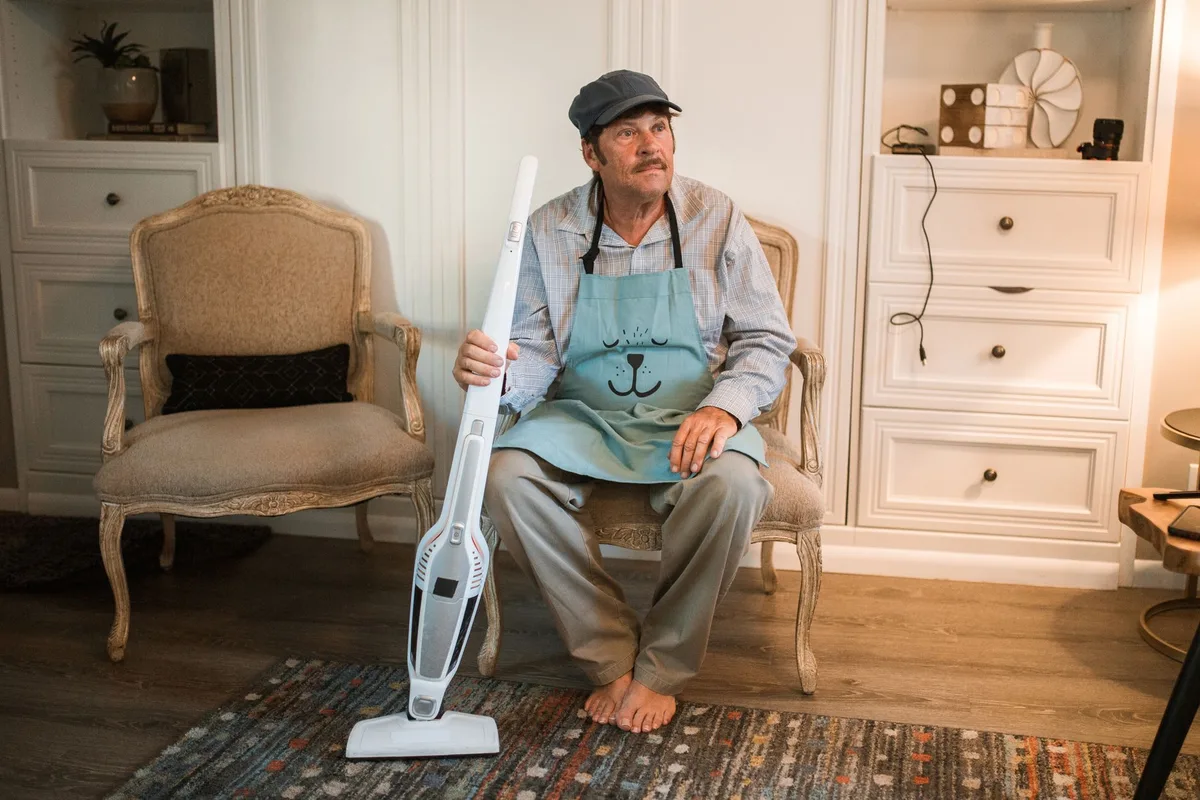
Stick Vacuums: The Agile All-Rounders (4-12 lbs)
Stick vacuums have grown in popularity because they offer a compelling middle ground. They're lighter and more maneuverable than traditional uprights but provide more cleaning power and coverage than handhelds.
- Versatile Cleaning: These are great for quickly vacuuming hard floors, low-pile carpets, and transitioning between different surfaces without needing to swap machines.
- Cordless Convenience: The majority of modern stick vacuums are cordless, meaning their weight is self-contained and includes the battery and motor. Aggregated user reviews report that models under 6 pounds are particularly easy to handle for extended periods.
Canister Vacuums: Power with a Separate Unit (10-25 lbs)
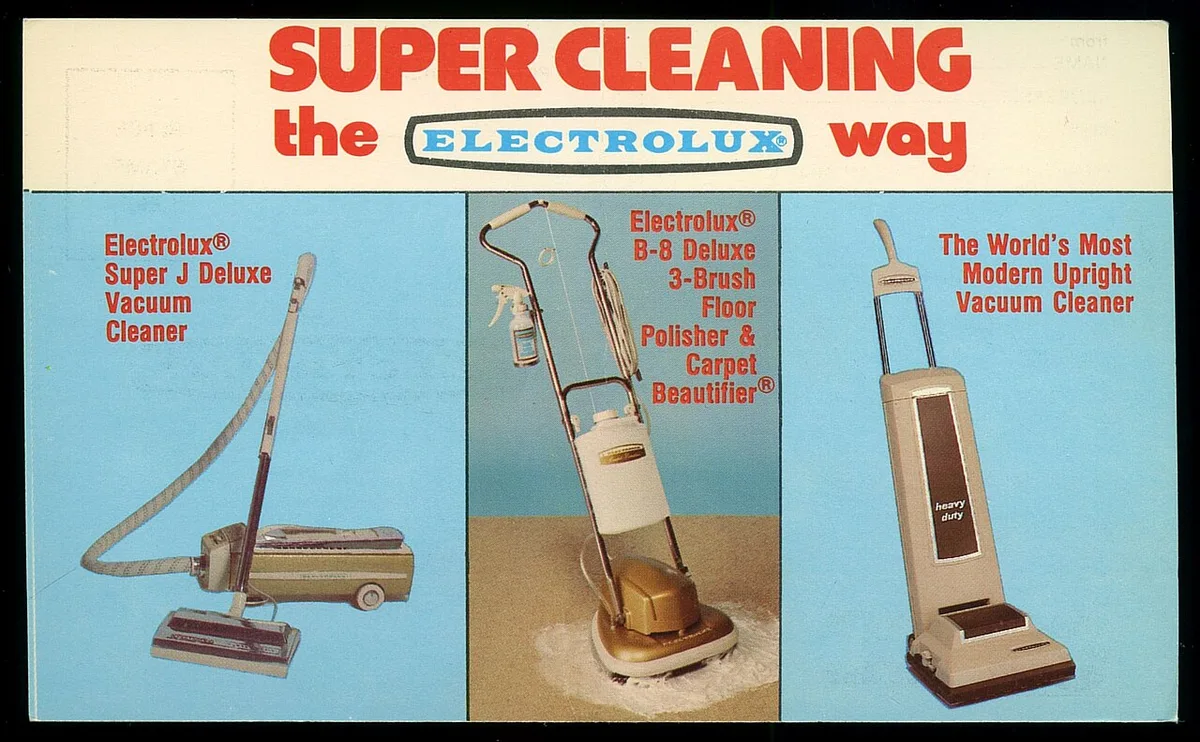
Canister vacuums feature a distinct canister unit that houses the motor and dust collection system, connected to a wand and cleaning head via a hose. This separation often allows for more powerful suction motors without making the wand itself heavy.
- Maneuverability Focus: While the canister itself has weight, you're primarily maneuvering the lighter hose and wand, which can be less taxing on your arms and back.
- Versatile Attachments: Their design often lends itself well to a variety of specialized attachments for different surfaces, from bare floors to upholstery and crevice cleaning.
Upright Vacuums: Robust Cleaning Machines (15-30+ lbs)
Upright vacuums are the workhorses of floor cleaning for many households. They combine the motor, dustbin, and brush roll into a single unit that you push across the floor.
- Deep Cleaning Capability: Their substantial weight can contribute to better agitation of carpet fibers and a more stable feel when pushing, which can be beneficial for deep cleaning. Manufacturer specifications for high-end uprights often emphasize this stability.
- Consideration for Stairs: If you have multiple levels in your home, the mass of an upright vacuum becomes a significant factor when it comes to carrying it up and down stairs.
Key Benefits of Considering Vacuum Weight
When you’re shopping for a new vacuum cleaner, its weight is a critical specification, often as important as its suction power or bag capacity. Understanding how a vacuum’s mass impacts your cleaning routine can save you a lot of hassle.
Easier Maneuverability Around Furniture
A lighter vacuum cleaner is inherently easier to steer and pivot. This means less effort spent wrestling with the machine around chair legs, under coffee tables, or through tight doorways. If your home has a lot of furniture or narrow pathways, a lighter model will make vacuuming feel less like a chore and more like a smooth motion.
Less Strain When Cleaning Stairs and High Areas
Carrying a vacuum cleaner up and down stairs can be a workout. For homes with multiple floors, a lighter vacuum significantly reduces the physical strain and risk of injury. This is especially true for older adults or individuals with any physical limitations. Some stick vac models weigh under 5 pounds, making them ideal for quick cleanups on any level.
Convenient Storage Solutions
Heavier, bulkier vacuums can be awkward to store. They might require dedicated closet space or be difficult to lift onto shelves. Lighter vacuums are generally more compact and easier to stash away in smaller spaces, like under a sink, in a utility closet, or even hung on a wall if they have a wall-mounting option.
Potential Drawbacks of Vacuum Cleaner Weight
While a lighter vacuum generally means easier use, there can be downsides to focusing solely on low mass. Sometimes, a bit more weight can indicate greater durability or more powerful components.
Physical Strain for Some Users
If a vacuum is too light, it might feel flimsy or less stable under pressure. For some users, particularly those accustomed to more robust machines, a feather-light stick vacuum might not feel as satisfying to use, or they might worry about its lifespan. It's a trade-off.
Challenges with Carrying and Transport
While lighter vacuums are easier to carry, if a model is extremely light and lacks a good handle or ergonomic design, it can still be awkward to grip and move between floors or rooms. Think about how a very thin handle might dig into your hand after a few trips.
Choosing the Right Vacuum Weight for Your Needs
Ultimately, selecting a vacuum cleaner based on its mass comes down to your specific home and how you clean. There's no single "best" weight; it's about finding the right balance for you.
- If you have multiple floors: Opt for lighter models, under 10 pounds, to make stair navigation manageable.
- For large, open-plan homes: A mid-weight upright or powerful canister vacuum might offer the suction and durability you need.
- Small apartments or dorm rooms: Stick or handheld vacuums under 6 pounds are excellent for limited space and quick cleanups.
Common Misconceptions About Vacuum Weight and Power
A frequent misconception is that heavier vacuums are always more powerful. While historically this often held true, modern engineering has significantly narrowed that gap.
- Lightweight, High-Performance Machines: Many high-end cordless stick vacuums, for instance, pack impressive suction power despite weighing under 8 pounds. Advanced motor technology and efficient airflow design allow them to compete with much heavier machines.
- Power Metrics: Look beyond just weight. Factors like airflow (measured in cubic feet per minute, CFM) and suction power (measured in air watts, AW) are better indicators of cleaning performance than mass alone. As of 2026, you'll find many manufacturers highlighting these metrics.