What Can You Eat After Deep Cleaning (2026) — Complete Guide
When you've tackled a significant "deep cleaning" session, the kind that leaves your muscles pleasantly tired and your mind clear, your body is signaling for replenishment. What you eat immediately after can significantly impact your recovery and overall feeling of well-being. It's not just about satisfying hunger; it's about smart refueling.
Our research indicates that the ideal post-exertion meal focuses on easily digestible nutrients that restore energy and aid muscle repair. For instance, according to general nutritional science, consuming carbohydrates and protein within 30-60 minutes of intense physical activity can optimize recovery. This guide helps you make those crucial choices.
Quick Answer
After deep cleaning, prioritize easily digestible foods rich in carbohydrates and protein to restore energy and aid muscle repair. Foods like fruit smoothies, Greek yogurt with berries, or lean chicken with sweet potato are excellent choices. Ensure you rehydrate with water or electrolyte-rich options like coconut water.
Avoid heavy, greasy meals that can slow digestion.
Your Post-Cleaning Energy Assessment: How Are You Feeling?
Before you even think about opening the fridge, take a moment to tune into your body. How you feel directly dictates what you should eat. Different levels of exertion require different types of refueling.

Your internal signals are the best guide. If you're completely spent, your body needs immediate, accessible energy and nutrients for repair. If you're just mildly tired, a more balanced approach to replenish stores works best.
And if thirst is your primary complaint, hydration must come first.
Totally Wiped Out, Muscles Aching
If your muscles feel genuinely sore, you're fatigued to the point of wanting to sit for a while, or you feel generally drained, your body has depleted its energy reserves significantly. This state requires quick recovery. You need easily absorbed carbohydrates to replenish glycogen stores and protein to kickstart muscle protein synthesis.
Think fast-acting fuel.
This post-exertion state is similar to what athletes experience. They often aim for a ratio of carbohydrates to protein, sometimes around 3:1 or 4:1, soon after strenuous activity. This helps prevent muscle breakdown and speeds up the rebuilding process.
Just Tired, A Little Hungry
When the cleaning was demanding but didn't leave you aching, you're likely experiencing moderate fatigue and a definite hunger pang. Your body needs to replenish its energy stores and get a good dose of nutrients, but it might not require the same high-octane recovery as someone who feels wiped out. A balanced approach is key here.
Your aim is to provide sustained energy rather than just a quick fix. You’ll want to look for foods that offer a mix of complex carbohydrates, healthy fats, and lean protein, which will keep you feeling satisfied and energized for longer.
Feeling Pretty Good, Just Need a Snack
Sometimes, "deep cleaning" is more about sustained activity over a longer period rather than intense bursts. If you feel mostly fine, maybe just a bit tired and peckish, you're probably not in a critical depletion state. Your body likely needs a simple, balanced snack to maintain momentum and prevent energy dips before your next full meal.
The goal here is to provide a light, nutrient-dense option that bridges the gap without overfilling you. This snack should be easy to digest and offer a bit of sustained energy.
Dehydrated, Thirsty
Dehydration is a common byproduct of any physical exertion, even if you weren't sweating profusely. Your body loses fluids through respiration and perspiration, and this needs to be addressed. If your mouth feels dry, you're feeling a bit lightheaded, or your urine is dark, you're likely dehydrated.
Prioritizing hydration is paramount. Your body’s functions, including energy metabolism and muscle recovery, are significantly hampered when dehydrated. Aim for fluids that not only quench thirst but also help restore essential electrolytes lost through sweat.
Fueling Recovery: Foods That Help
After exerting yourself, your body needs specific nutrients to bounce back. Focusing on easily digestible, nutrient-packed foods is crucial. This isn't about indulgence; it's about intelligent refueling to support your body’s recovery process.
The types of food that work best will depend on how depleted you feel. The overarching goal is to replenish what was used and assist in repair.
Quick Energy & Muscle Repair: When You've Given It Your All
When you're feeling totally wiped out and your muscles ache, your body needs immediate fuel and building blocks for repair. This is when going for easily digestible, nutrient-dense options that provide quick energy is paramount. Think of it as an emergency refueling for your system.
Smoothies for Recovery
A well-constructed smoothie can be your best friend after a strenuous cleaning session. The blender breaks down ingredients, making them easier to digest and absorb quickly. Bananas are excellent for providing carbohydrates and potassium, which helps with muscle function and can prevent cramps.
Adding a scoop of protein powder, whey, pea, or soy, provides essential amino acids needed for muscle repair. You can also sneak in nutrient-rich greens like spinach, which usually blend in without altering the taste significantly.
Yogurt Bowls with Fruit
Greek yogurt offers a fantastic source of protein, which is crucial for muscle recovery. Its creamy texture is also easy on the stomach. Pair it with mixed berries, like blueberries, raspberries, and strawberries, for antioxidants and natural sweetness.
A small drizzle of honey can provide a quick carbohydrate boost. This combination offers a good balance of macronutrients to get your recovery started effectively.
Lean Protein with Complex Carbs
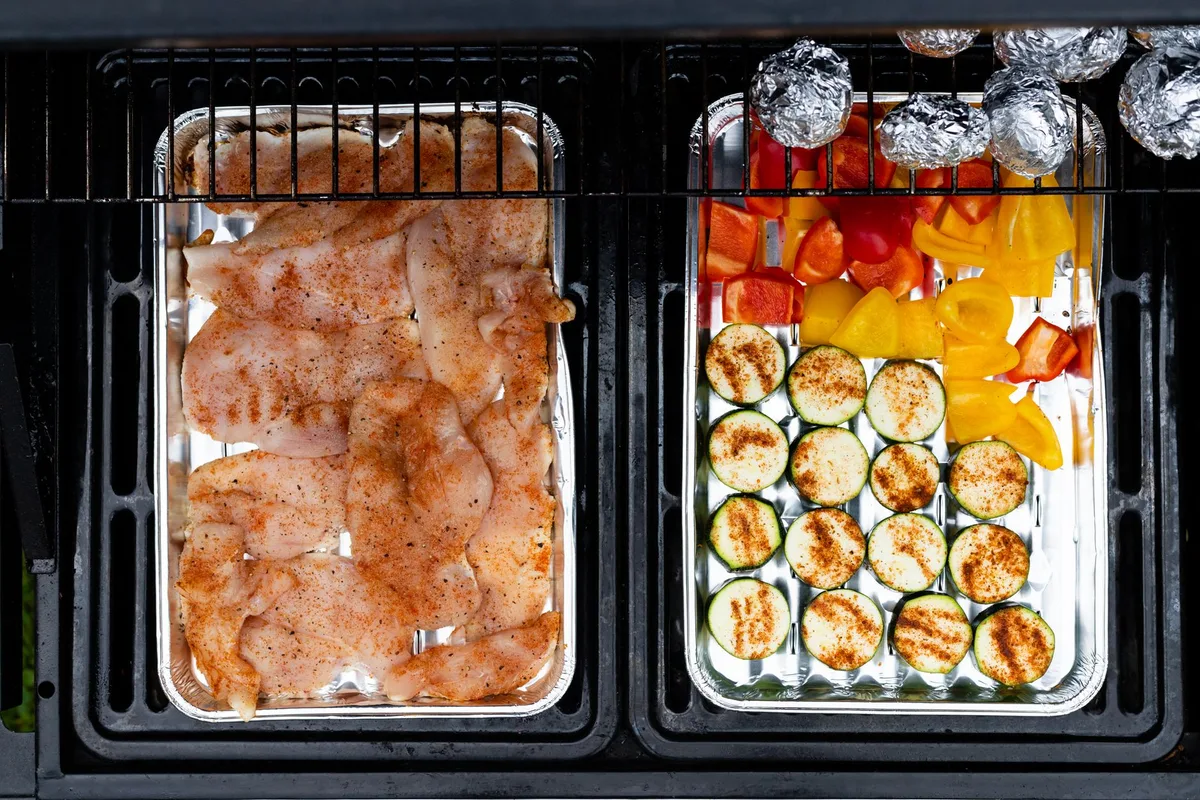
If you're preparing a small meal rather than a quick snack, lean protein paired with complex carbohydrates is an outstanding choice. Baked or grilled chicken breast or turkey breast provides high-quality protein without excessive fat. For the complex carbohydrates, sweet potatoes are ideal.
They offer sustained energy release and are packed with vitamins and minerals. Brown rice or quinoa can also serve as excellent complex carb bases. This meal composition supports both immediate energy needs and longer-term muscle repair.
Sustained Energy: For Moderate Effort
When your cleaning session was demanding but didn't leave you aching, your body needs support to replenish its energy stores and get a good dose of nutrients. This calls for a balanced approach, focusing on foods that provide sustained energy release throughout the afternoon. You're aiming to recover efficiently without feeling weighed down.
The key here is combining complex carbohydrates with healthy fats and lean protein. This synergy ensures your body gets the fuel it needs while also promoting satiety and preventing energy crashes.
Avocado Toast with Egg
This is a classic for a reason. Whole-wheat toast provides complex carbohydrates for steady energy. Avocado offers healthy monounsaturated fats, which are beneficial for heart health and can help you feel full.
Top it with a scrambled or poached egg for a good dose of protein. It’s quick to prepare and offers a satisfying blend of nutrients to help you power through the rest of your day.
Nuts and Fruit Combo
A simple yet effective option is a handful of nuts combined with a piece of fruit. Nuts like almonds, walnuts, or cashews provide healthy fats, protein, and fiber. They offer sustained energy release.
Pair them with an apple, pear, or orange for natural sugars and additional fiber to keep your digestive system happy and your energy levels stable. This is a great on-the-go option if you need to get back to other tasks.
The Balanced Plate Approach
If you have a bit more time and appetite, aim for a complete, balanced meal. This typically includes a lean protein source, such as baked fish or tofu, a complex carbohydrate like quinoa or whole-wheat pasta, and a generous serving of vegetables. This meal ensures you're getting a wide spectrum of vitamins, minerals, and macronutrients, supporting overall recovery and well-being.
It’s ideal for ensuring your body has all the resources it needs after a substantial cleaning effort.
Simple Replenishment: When You Just Need a Snack
For those days when your "deep cleaning" involves more sustained activity than extreme exertion, you might find yourself just a bit peckish. You’re not depleted, but you want to maintain your energy levels before your next proper meal. A quick, nutrient-dense snack is perfect here.
The goal is lightness and balance, not a heavy refueling.
These snacks can help prevent an energy slump without overwhelming your digestive system. They provide just enough fuel to keep you going comfortably.
Apple Slices with Peanut Butter
This popular pairing works wonders because it offers a fantastic mix of nutrients. The apple provides fiber and natural sugars for a quick energy boost, while the peanut butter contributes protein and healthy fats for sustained satisfaction. Ensure you use natural peanut butter without added sugars for the best nutritional profile.
Hard-Boiled Eggs
Hard-boiled eggs are a portable powerhouse of protein. They are incredibly easy to prepare ahead of time and can be stored in the refrigerator for several days. A couple of eggs can provide a significant protein boost, helping to keep you feeling full and preventing you from reaching for less healthy options.
Quick Oatmeal
If you have a few minutes, a small bowl of oatmeal can be incredibly beneficial. Opt for rolled oats or steel-cut oats for more complex carbohydrates and fiber compared to instant varieties. You can prepare it with water or milk and top it with a few berries or a sprinkle of nuts for added nutrients and flavor.
It provides gentle, sustained energy.
Rehydrating Your Body: Beyond Just Water
After any amount of physical exertion, rehydration is often the most critical immediate need. You can lose a significant amount of fluid through sweating and even just breathing harder. If you feel thirsty, your body is already starting to signal a need for more fluids.
Simply drinking water is effective, but sometimes you need a little more to truly restore your body.

The Power of Water
Plain water is your foundation for rehydration. It's essential for virtually every bodily function, including temperature regulation, nutrient transport, and waste removal. Sip water consistently throughout the day, especially after cleaning.
Don’t wait until you’re parched; make it a habit.
Coconut Water for Electrolytes
Coconut water is naturally rich in electrolytes, particularly potassium. These are minerals that your body loses through sweat and are vital for nerve and muscle function, as well as maintaining fluid balance. It offers a more nuanced hydration than plain water, making it an excellent choice post-exertion, especially if you’ve been sweating a lot.
Look for unsweetened varieties to avoid excess sugar intake.
Smart Choices for Electrolyte Drinks
For particularly strenuous cleaning sessions that have you sweating heavily, commercial electrolyte drinks might be beneficial. However, it's important to be discerning. Many sports drinks are loaded with sugar, which can negate some of the benefits.
Look for options that are specifically designed for rehydration and have a lower sugar content. Reading labels is key to making a smart choice here. Some rehydration solutions are unflavored or have natural flavors.
What Not to Reach For After Cleaning (Mistakes to Avoid)
Making the wrong food choices after significant physical activity can undo some of your hard work or leave you feeling worse. There are common pitfalls to watch out for that can hinder your recovery or lead to discomfort. Being aware of these can help you make better decisions.
Choosing wisely prevents issues like digestive upset, energy crashes, or the feeling of being weighed down. It's about maximizing your recovery, not just eating.
Overloading on Greasy Foods
Heavy, greasy foods like fried items or rich, fatty meals are often difficult for your digestive system to process, especially when your body is focused on recovery. This can lead to bloating, sluggishness, and general discomfort. Your body needs easily assimilated nutrients, not something that requires a major digestive effort.
Skipping Hydration
It’s easy to forget about fluids when you're tired, but adequate hydration is crucial. Dehydration can slow down recovery, affect cognitive function, and exacerbate fatigue. If you've been sweating, you've lost more than just water; you've lost electrolytes too, so simple water might not be enough on its own.
Relying Solely on Sugar
While quick carbohydrates are needed, relying solely on sugary snacks or drinks (like soda or candy) can cause a rapid spike then crash in blood sugar. This leaves you feeling more tired than before and doesn't provide the sustained energy or the necessary protein for muscle repair. It's a short-term fix with long-term drawbacks.
Listening to Your Body: The Ultimate Guide
At the end of the day, your body is your best indicator. After a deep cleaning session, pause and really ask yourself what you need. Are you ravenously hungry or mildly peckish?
Do your muscles feel weary or intensely sore? Does water taste amazing, or do you crave something more complex?
Your response to these questions will guide you more accurately than any general advice. The goal is to support your body's natural recovery processes, not to force it into a specific dietary pattern that doesn't feel right.
Choosing Foods for How You Feel
Based on your self-assessment, you can now make informed choices. If you're completely depleted, prioritize that quick protein and carb combo, like a smoothie or yogurt bowl. If you're simply tired and hungry, a more balanced meal with complex carbs and lean protein will serve you well.
If thirst is the main complaint, focus on hydrating fluids like water or coconut water first.
Always aim for whole, unprocessed foods when possible, as they offer the most nutritional benefit and are usually easier on the digestive system. This intelligent approach to post-cleaning nutrition helps you feel your best.
Frequently Asked Questions
What is considered "deep cleaning" in this context?
"Deep cleaning" here refers to sustained or intense physical activity that leaves you feeling significantly tired or sore, as opposed to typical light household chores.
How quickly should I eat after cleaning?
Ideally, aim to consume your recovery meal or snack within 30 to 60 minutes after finishing your cleaning, especially if you feel very fatigued.
Can I just drink plain water after cleaning?
Plain water is essential for rehydration, but if you've sweated a lot, electrolyte-rich drinks like coconut water or low-sugar sports drinks can help restore lost minerals more effectively.
Is it okay to have coffee or caffeine after cleaning?
While caffeine can provide a temporary energy boost, it can also be dehydrating. It’s generally better to focus on water and nutrient-dense foods for primary recovery.