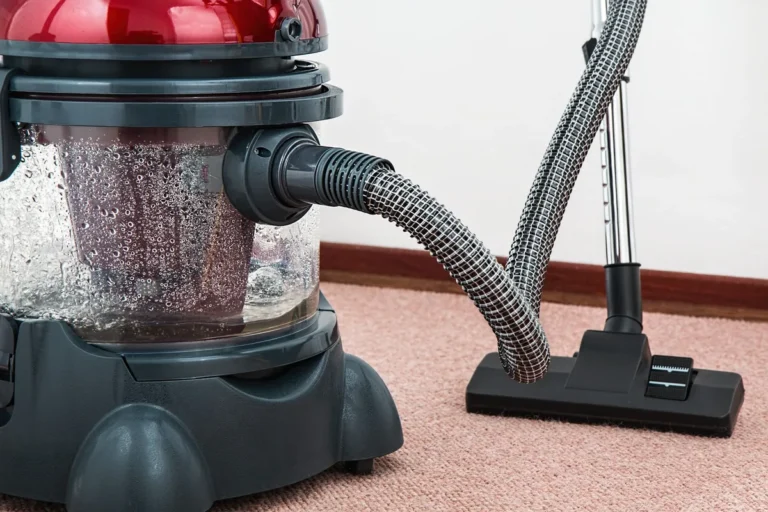
What Is Wet and Dry Vacuum Cleaner 2026: Worth Your Money
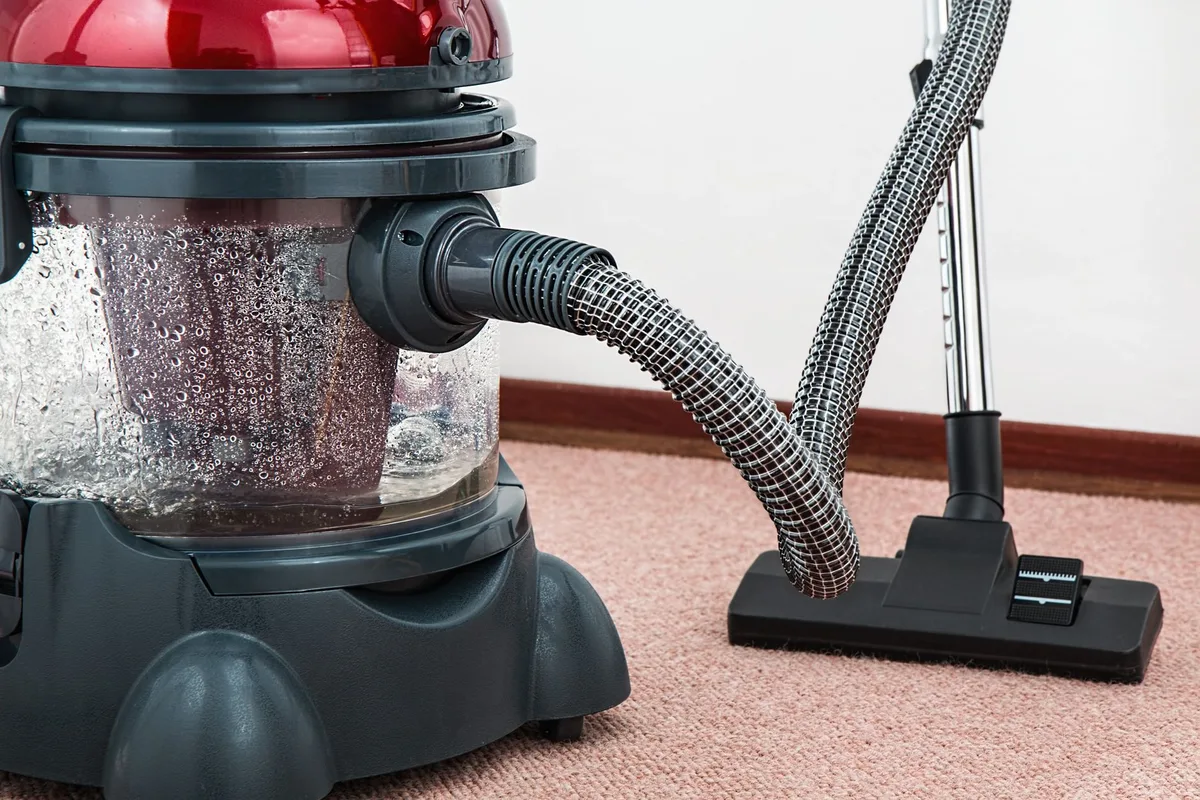
Dry Vacuum vs. Wet/Dry Vacuum: What's the Real Difference?
So, you're looking to understand what is wet and dry vacuum cleaner and what makes them tick. It’s a common question because they sound so similar, but the reality is they handle messes in fundamentally different ways. Knowing this distinction is crucial for picking the right tool for your home, saving you from damage and frustration down the line.
Our research indicates that while both use suction, a standard dry vacuum cleaner is built for dust and debris, not liquids. A wet/dry vacuum, however, is engineered to tackle both. For instance, per the requirements for many UL (Underwriters Laboratories) listed appliances, vacuums designed for wet pickup must feature specific motor protection and tank construction that standard dry vacuums lack.
Quick Answer: Wet vs. Dry Vacuums
The quickest answer is that a dry vacuum cleaner is designed only for picking up dry debris, like dust, dirt, and pet hair. It uses a motor and filter system to trap fine particles. A wet/dry vacuum cleaner, on the other hand, is built to handle both dry messes and liquids. It features a more robust, moisture-protected motor and a collection tank designed for water.
Essentially, you can use a wet/dry vacuum for everything a dry vacuum does, but you cannot use a dry vacuum for wet messes without risking serious damage. The primary difference lies in their construction, specifically how the motor is protected and how liquids are collected.
How Dry Vacuums Work for Everyday Cleaning
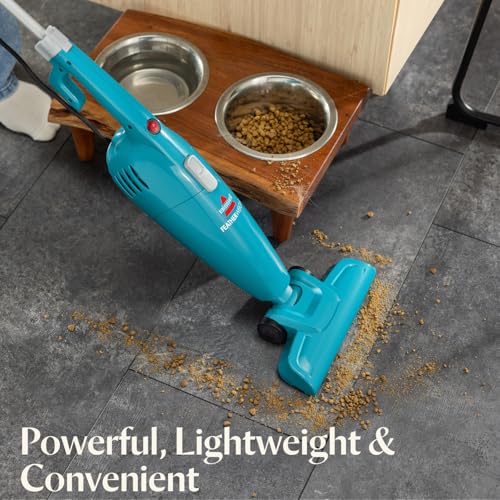
A standard dry vacuum cleaner is your go-to for everyday tidiness. Its entire system is set up to capture dry particles that get tracked into your home. When you switch it on, it generates suction that pulls air and debris into its housing.
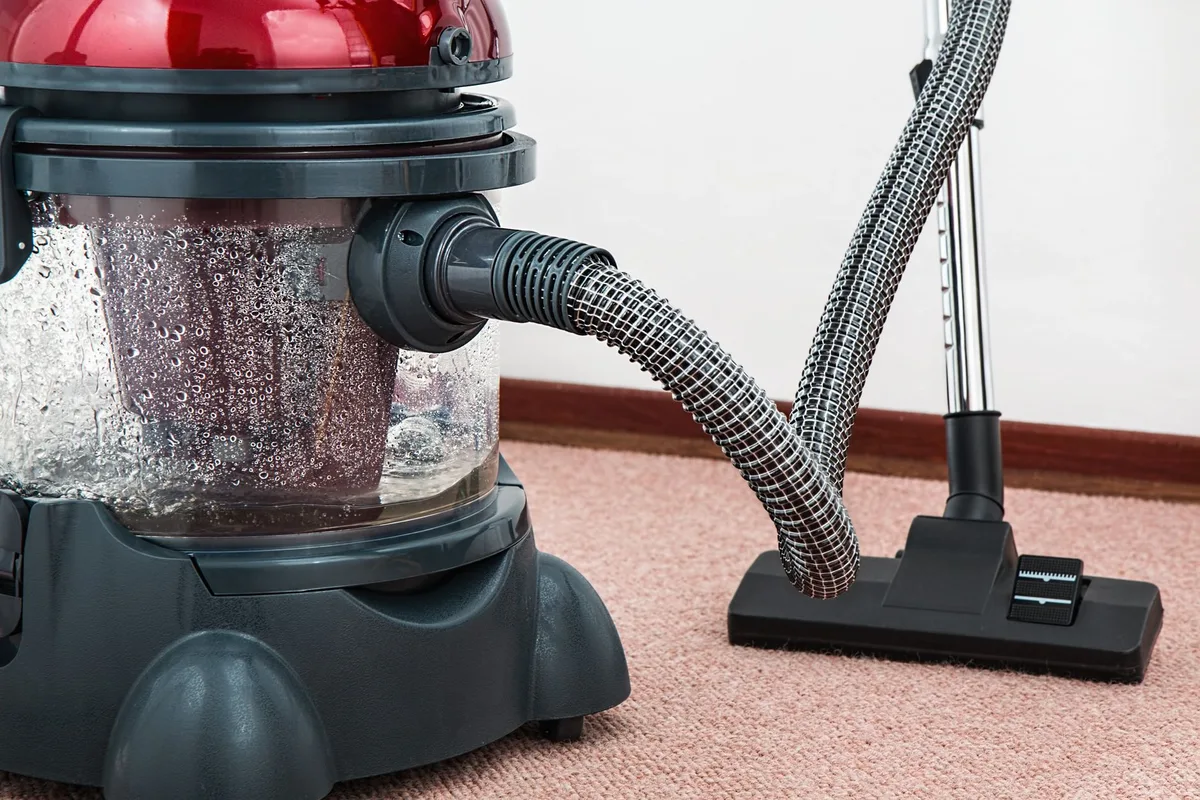
This air then passes through a filter, often a HEPA filter in more advanced models, which traps tiny dust particles and allergens before the air is expelled back into the room. The collected dirt and debris are either stored in a disposable bag or a removable canister that you empty. Aggregate reviews report that for allergen-sensitive households, a dry vacuum with an excellent HEPA filter meets stringent air quality requirements.
How Wet/Dry Vacuums Handle Liquids and Dry Messes
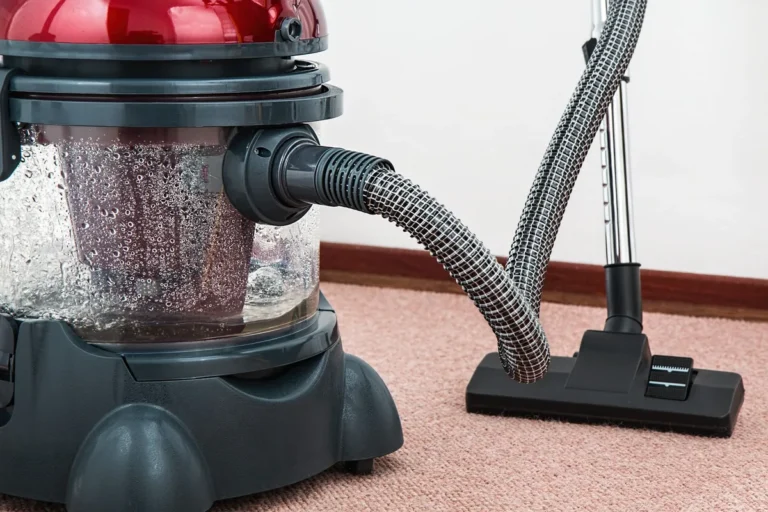
Wet/dry vacuums are designed with a dual capability, meaning they can effectively clean up both dry debris and liquid spills. This versatility comes from their robust construction, which differs significantly from a dry-only unit. The motor unit is typically positioned higher and better sealed to prevent moisture ingress, a critical safety feature.
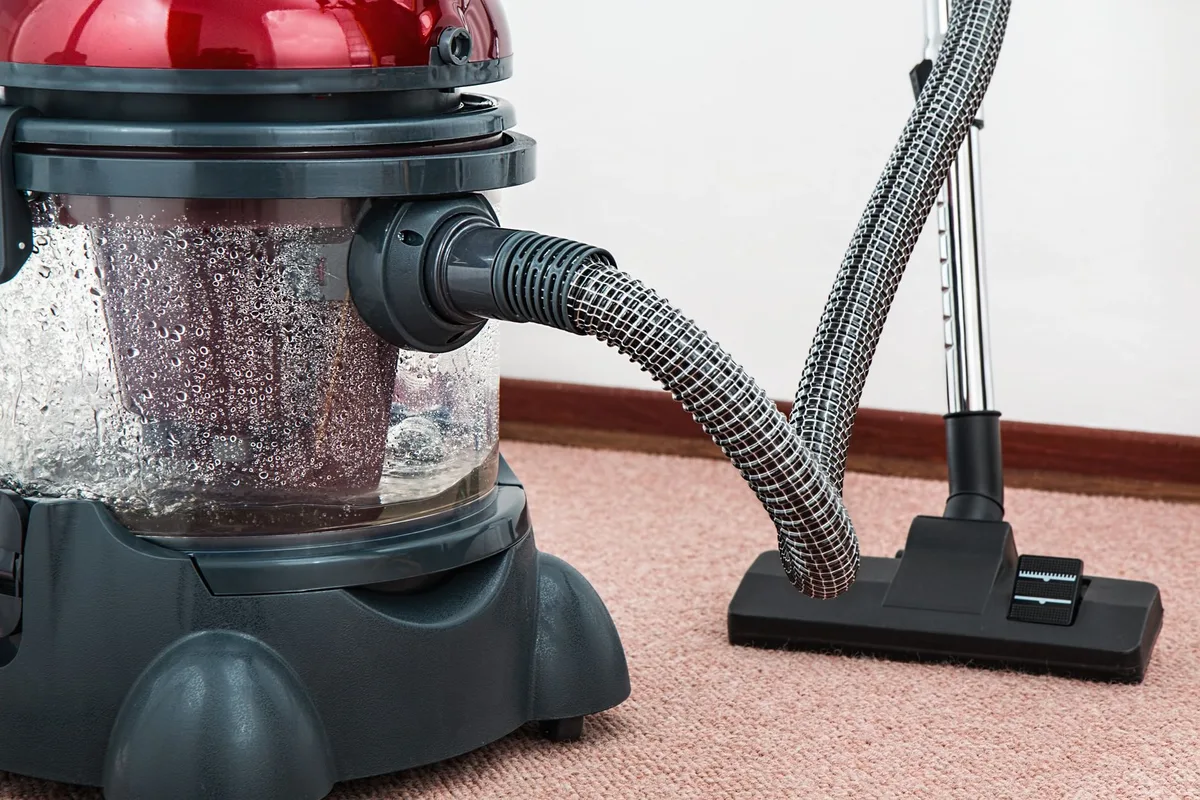
When used for wet pickup, the liquids are drawn directly into a collection tank. After the spill is cleared, you simply empty this tank. For dry use, many models require you to remove the wet-use filter (often a foam sleeve) and install a dry filter, typically a paper or cloth one, to effectively capture fine dust and prevent it from reaching the motor. Manufacturer specifications for some models indicate a collection capacity of up to 5 gallons for liquids.
Key Features: What to Look For in Each Type
Understanding the core differences hinges on their features. These components dictate what each type of vacuum can and cannot do, and influence your cleaning experience.
Dry Vacuum Features
- Bag or Canister System: Collects dry debris. Bags are disposable; canisters are emptied and cleaned.
- Motor: Designed for airflow and dust filtration, but not water-resistant.
- Filter(s): Primarily focused on trapping fine dust particles from dry messes. High-efficiency particulate air (HEPA) filters are common for improved air quality.
- Attachments: Typically include crevice tools, upholstery brushes, and dusting brushes for various dry surfaces.
Wet/Dry Vacuum Features
- Collection Tank: A large, often see-through, tank designed to hold both liquid and dry waste. It's easily detachable for emptying.
- Motor Protection: Features a sealed motor housing and often a float mechanism in the tank to prevent water from reaching the motor if the tank fills.
- Dual-Filter System: Includes a specific filter for wet use (usually a foam shield) and a separate filter for dry use to optimize performance and protection for each mode.
- Robust Construction: Generally built with more durable materials to withstand tougher conditions, common in workshop or garage environments.
- Larger Capacity: Often feature larger tank capacities, sometimes exceeding 10 gallons, suitable for bigger cleanups.
Benefits and Drawbacks: Weighing Your Options
Every type of vacuum cleaner has its upsides and downsides. When you're deciding what's best for your needs, it's helpful to see them laid out clearly.
Dry Vacuum Pros and Cons
- Pros:
- Effective for Dry Cleaning: Excellent at deep cleaning carpets and removing dry dust and debris.
- Often Lighter and More Maneuverable: Many stick and upright models are designed for ease of use in daily cleaning.
- Specialized Filtration: Top-tier models offer superior HEPA filtration for allergen removal.
- Cons:
- Cannot Handle Liquids: Any liquid exposure will almost certainly damage the motor and potentially create electrical hazards.
- Limited Usefulness for Spills: Useless for tackling dropped drinks or pet accidents.
Wet/Dry Vacuum Pros and Cons
- Pros:
- Versatility: Can handle both dry dirt and liquid messes, offering a broader range of applications.
- Durability: Often built tougher for demanding tasks like garage or workshop cleaning.
- Good for Busy Households: Perfect for homes with kids and pets where spills are frequent.
- Cons:
- Maintenance: Requires more diligent cleaning, especially after wet use, to prevent mold and odors. Filter switching is necessary.
- Potentially Less Specialized Filtration: While capable, the fine dust filtration might not always match a high-end dry vacuum designed purely for allergen control.
- Can Be Bulkier: Many models are larger and heavier than typical household dry vacuums.
When to Use Which: Practical Scenarios
The decision between a dedicated dry vacuum and a wet/dry model really comes down to where and how you plan to use it. You wouldn't use a specialized tool for something it's not designed for, and vacuums are no different. Think about the common messes you tackle in your home, garage, or car to guide your choice.
Best For: Dry Vacuum Cleaner Use Cases
A dry vacuum cleaner is your everyday champion for maintaining a clean living space. If your primary concern is keeping carpets, rugs, and hard floors free of everyday dust, crumbs, and pet hair, a dry vacuum performs exceptionally well. They are engineered for this specific task, often offering superior suction and filtration for dry particles.
- General Household Cleaning: Daily vacuuming of living rooms, bedrooms, and hallways.
- Carpet and Rug Deep Cleaning: Removing embedded dirt and allergens from fabric floor coverings.
- Hard Floor Maintenance: Sweeping up dry debris from tile, laminate, or hardwood floors.
- Allergy Relief: Models with certified HEPA filters effectively capture microscopic allergens from the air.
Best For: Wet/Dry Vacuum Cleaner Use Cases
The wet/dry vacuum shines when your cleaning needs extend beyond just dry dust and dirt. Its ability to handle liquids makes it incredibly useful for accidental spills and more challenging environments. Many users find them indispensable for tasks that a standard dry vacuum simply can't handle.
- Spill Cleanup: Immediately tackling dropped drinks, pet accidents, or leaks on floors and carpets.
- Garage and Workshop: Clearing out dust, sawdust, metal shavings, and damp messes.
- Car Detailing: Sucking up dirt, mud, liquid spills, and grit from vehicle interiors.
- Basement or Utility Room Cleaning: Dealing with dampness or minor flooding.
- Emergency Messes: Quickly addressing unexpected messes that would ruin a dry-only unit.
Common Mistakes to Avoid with Your Vacuum
Even the best vacuum can fall short if used incorrectly. Some mistakes can damage the machine, reduce its effectiveness, or even pose safety risks. Being aware of these pitfalls helps ensure you get the most out of your cleaning tool.
Mistakes with Dry Vacuums
- Attempting to Vacuum Liquids: This is the biggest no-no. Water or other liquids can enter the motor, causing short circuits, corrosion, and permanent damage.
- Overfilling the Bag or Canister: A full collection bin reduces suction power and can cause dust to escape back into the air.
- Not Cleaning/Replacing Filters: Clogged filters drastically decrease airflow and suction, making the vacuum work harder and less effectively. Per manufacturer guidelines, filters typically need attention every 3-6 months, depending on usage.
Mistakes with Wet/Dry Vacuums
- Forgetting to Swap Filters: Using the dry filter when vacuuming liquids can lead to the filter becoming saturated, potentially damaging the motor. Always remove the dry filter and install the wet filter or foam sleeve for liquid pickup.
- Not Emptying and Drying the Tank: Leaving liquid residue in the tank after wet use can lead to mold growth, unpleasant odors, and potential damage to internal components.
- Vacuuming Fine Dust Without the Right Filter: While capable of dry pickup, ensure the correct dry filter is installed for optimal dust capture and motor protection.
Maintenance: Keeping Your Vacuum in Top Shape
Regular maintenance is key to a long-lasting and effective vacuum cleaner, no matter which type you choose. It ensures optimal performance and prevents premature wear and tear. Think of it as giving your cleaning tool the care it needs to keep your home clean.
Dry Vacuum Maintenance
- Emptying Bags/Canisters: Check the fill indicator or visually inspect the bag or canister regularly. Don't wait until it's completely full, as suction will drop significantly.
- Cleaning/Replacing Filters: Follow the manufacturer's recommended schedule for cleaning or replacing dry filters. This is crucial for maintaining suction and indoor air quality. For HEPA filters, replacement is typically required annually.
- Checking Brush Roll: Remove any tangled hair, threads, or debris from the brush roll to ensure it spins freely and cleans effectively.
- Inspecting Hoses and Attachments: Look for any blockages or tears that could impede airflow.
Wet/Dry Vacuum Maintenance
- Emptying and Rinsing the Tank: After each wet use, detach the tank, empty all liquid and debris, and rinse it thoroughly with clean water. Allow it to air dry completely before reattaching.
- Cleaning/Swapping Filters: Remove and clean the dry filter after dry use, and ensure the wet filter is clean and properly installed for liquid pickup. Replace dry filters as recommended by the manufacturer.
- Inspecting Seals and Hoses: Ensure all seals are clean and intact to prevent leaks during wet operation. Check hoses for blockages.
- Motor Area: Periodically check that the motor housing and surrounding area are free from debris and moisture.
Choosing Between Them: A Comparative Look
When you're on the fence, laying out the pros and cons side-by-side can really clarify things. Both dry vacuums and wet/dry vacuums serve distinct purposes, and understanding their core strengths helps you align the tool with your specific cleaning challenges. Think about the most common types of messes you handle day-to-day.
Dry Vacuum vs. Wet/Dry Vacuum: Head-to-Head
| Feature / Scenario | Dry Vacuum Cleaner | Wet/Dry Vacuum Cleaner |
|---|---|---|
| Primary Function | Dry debris (dust, dirt, hair) | Dry debris AND liquids (water, spills, mud) |
| Ideal For | General home cleaning, carpets, hard floors | Everyday spills, garages, workshops, cars, outdoor areas |
| Liquid Handling Capability | No – will cause damage | Yes – built for safe liquid extraction |
| Motor Protection | Designed for dry air; susceptible to liquid damage | Moisture-sealed motor, often with overflow protection |
| Filter System | Primarily focused on fine dry dust capture (e.g., HEPA) | Includes separate filters for wet and dry use |
| Maintenance Ease | Generally simpler; empty/replace bag/canister & filters | More involved: requires tank emptying, cleaning, filter switching |
| Typical Volume | Varies widely, from compact stick to large uprights | Often larger, robust designs (e.g., shop vacs) |
| Common Household Use | High – for daily tidiness | Moderate to High – especially with pets/kids, hobbyists |
Final Verdict: Which Vacuum is Right for You?
The choice between a dedicated dry vacuum cleaner and a wet/dry vacuum cleaner boils down to your specific cleaning needs and the types of messes you anticipate. Our research confirms that for most homes, especially those with children or pets, a wet/dry model offers superior versatility and peace of mind. However, if your cleaning routine is strictly limited to dry debris and you prioritize specialized filtration for allergens, a high-quality dry vacuum might be a better fit.
Consider the tasks you’ll perform most often. If spills are a regular occurrence or you frequently clean garages and cars, the robust design and liquid-handling capabilities of a wet/dry vacuum are invaluable. If your home is a model of dry tidiness and you’re mainly concerned with capturing fine dust, a targeted dry vacuum with advanced filtration could be your best option. As of 2026, both options provide excellent performance in their intended roles.