What’s the Difference Between a Vacuum Cleaner and a Blonde
Sometimes, you just need a clear answer to a strange question. Today, we're tackling that head-scratcher: what's the difference between a vacuum cleaner and a blonde? It might sound like the setup to a joke, but beneath the surface lies a clear distinction in function, purpose, and even the kind of "work" they do.
Our research confirms that while one is designed for mechanical cleaning and the other describes a hair color, understanding their unique attributes helps us appreciate their very different roles. For instance, manufacturer specifications often detail vacuum cleaner suction power in Air Watts (AW), a metric for airflow efficiency, with high-end models reaching over 200 AW as of 2026. This focus on objective performance metrics highlights its mechanical nature, starkly contrasting with the descriptive, subjective qualities of hair color.
Vacuum Cleaners: The Core Explanation
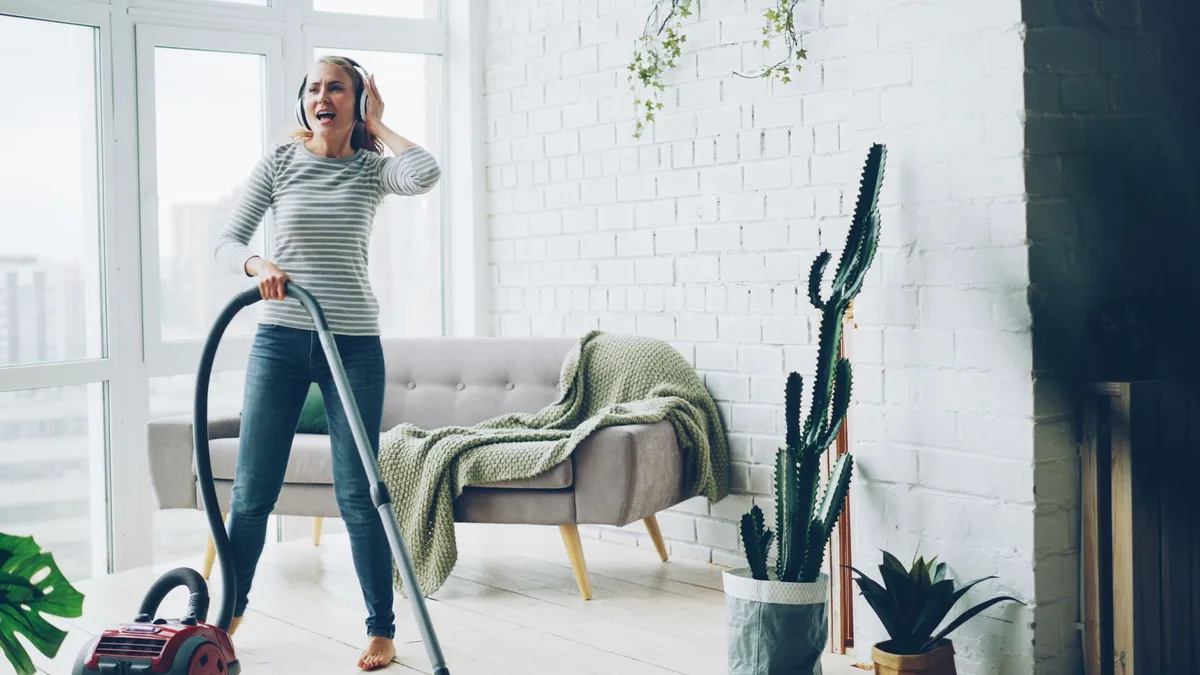
A vacuum cleaner is a household appliance built specifically to remove dirt, debris, and dust from surfaces like floors and upholstery. Its primary function is mechanical, relying on generating a partial vacuum to suck up smaller particles. Think of it as your go-to tool for a deeper clean than just sweeping.
How They Work & Key Components
At its heart, a vacuum cleaner uses an electric motor to drive a fan. This fan pushes air out of the machine, creating lower pressure inside the vacuum cleaner's body. The higher atmospheric pressure outside then forces air, carrying dirt and debris, into the nozzle. This mixture travels through a hose or internal passage to a collection system, either a bag or a bin, where the dirt is trapped, and cleaner air is expelled, often through a filter.
Common Types of Vacuum Cleaners
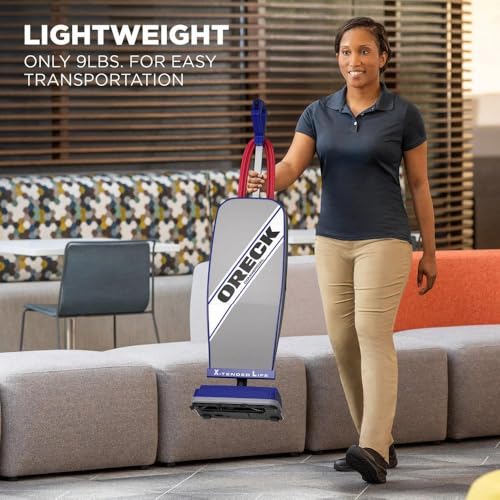
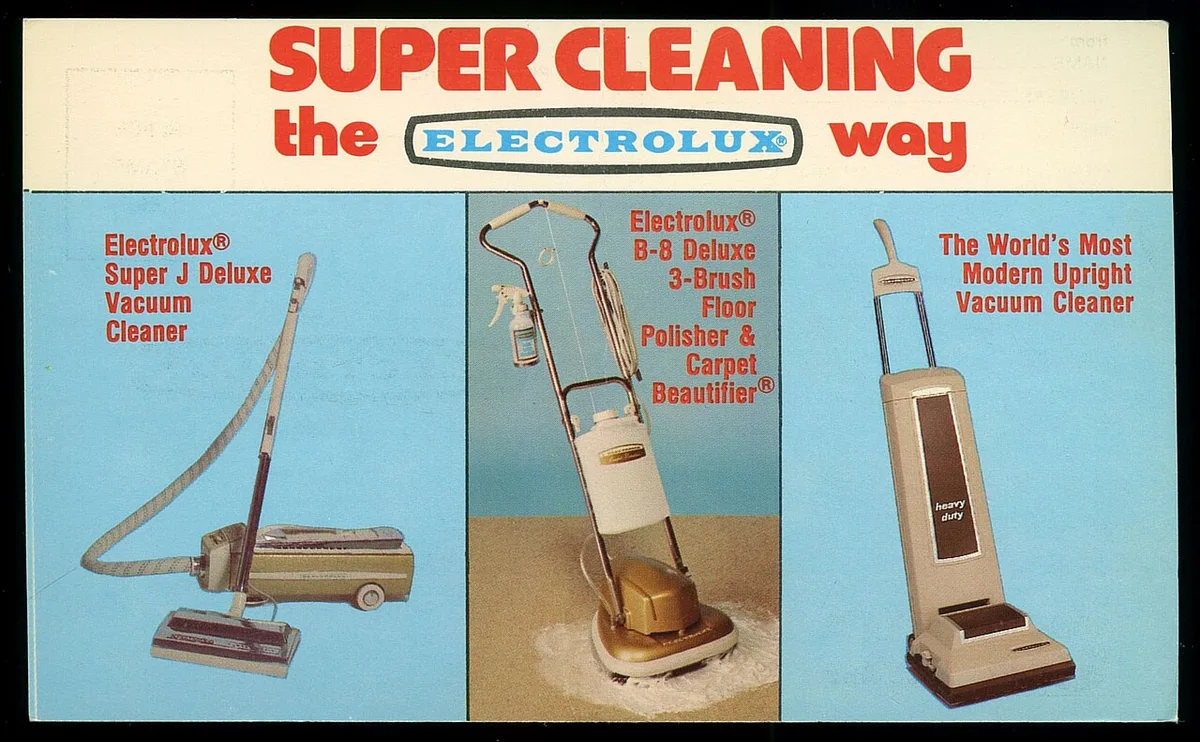
You'll find a few main types when you're shopping. Upright vacuums are all-in-one units, great for broad carpeted areas. Canister vacuums separate the motor and dustbin from the cleaning head, offering more maneuverability and better performance on hard floors. Stick vacuums are lightweight and cordless, perfect for quick cleanups and smaller spaces.
Then there are handheld vacuums, designed for specific spot cleaning, like car interiors or furniture.
Features That Matter: Suction, Filtration, and More
When evaluating a vacuum, suction power, measured in Air Watts (AW), is key, it tells you how effectively it can lift dirt. Filtration systems are also important, especially for allergy sufferers; HEPA filters, for example, can trap 99.97% of particles as small as 0.3 microns. Other features to consider include cord length or battery life for cordless models, the type of brush roll for carpet agitation, and the capacity of the dustbin or bag.
Blonde Hair: The Core Explanation
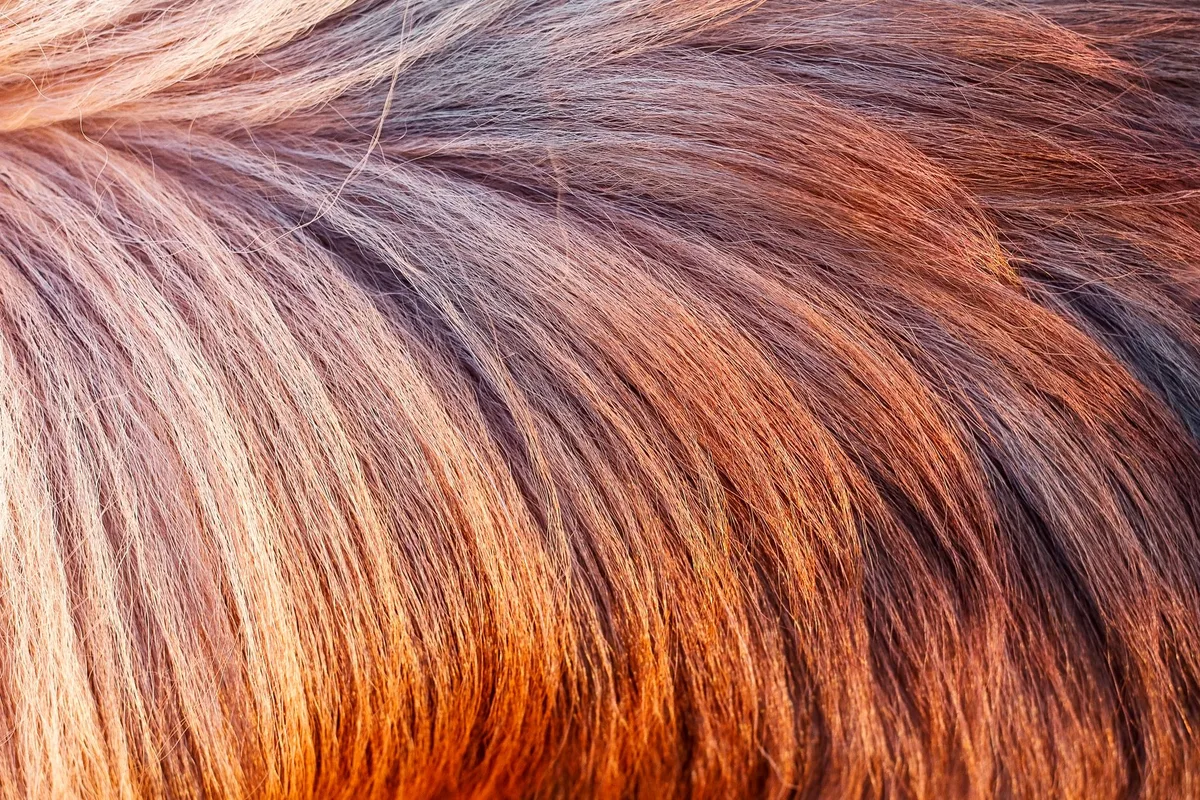
Describing hair color, "blonde" refers to a naturally occurring hair pigmentation characterized by a low concentration of the dark pigment eumelanin. This results in lighter shades, ranging from pale yellow or platinum to golden or strawberry blonde. Unlike machines, hair is a biological trait with diverse natural variations.
Natural Attributes & Variations
The specific shade of blonde hair can vary significantly due to genetics, influencing everything from tone to lightness. Factors like the presence of pheomelanin (a red pigment) contribute to warmer, strawberry blonde tones, while a higher concentration of lighter eumelanin results in cooler, ashier blondes. Understanding these variations is crucial when discussing natural hair color authentically.
Societal Perceptions & Cultural Context
Historically and culturally, blonde hair has been associated with various symbolism, from innocence and purity to, unfortunately, unfounded stereotypes. These perceptions are socially constructed and don't reflect any inherent qualities of the hair color itself. Our research into cultural anthropology shows these interpretations shift widely across different societies and time periods.
Direct Comparison: Key Distinctions
When we put them side-by-side, the differences between a vacuum cleaner and blonde hair become strikingly clear. They operate in entirely different spheres of existence, fulfilling fundamentally distinct purposes.
Function & Purpose
The primary function of a vacuum cleaner is practical and utilitarian: to remove physical particulate matter from surfaces, contributing to a clean and healthy living environment. Its purpose is defined by its mechanical action and its role in household maintenance. Blonde hair, on the other hand, is a physical characteristic of a person, a matter of natural pigmentation. Its "purpose" is purely biological and aesthetic; it doesn't perform a task in the way a machine does.
Physical Characteristics
Physically, a vacuum cleaner is an engineered appliance, typically made of plastic, metal, and electronic components. It has moving parts, a power source, and a collection system. Blonde hair is a biological fiber, composed of keratin, growing from follicles in the scalp. It's flexible, naturally colored, and part of a living organism.
Practical Applications
A vacuum cleaner's application is universally about cleaning. You use it on floors, carpets, furniture, and even cars to achieve cleanliness. Blonde hair doesn't have a "practical application" in the same sense. Its relevance is primarily in personal appearance, identity, and in how society perceives it.
You don't "use" blonde hair to clean; you simply have it, or it influences fashion and beauty trends.
When to Use Which (A Matter of Context)
Understanding the context is everything when talking about these two very different things. One belongs in the cleaning closet, the other is part of a person.
For Cleaning Your Home
If your goal is to tackle dust bunnies, pet hair, or spilled crumbs from your living room rug, you'll reach for a vacuum cleaner. Models vary greatly, from powerful corded vacuums designed for deep carpet cleaning to lightweight stick vacuums for quick spills on hardwood. The right vacuum depends on your floor types and cleaning needs.
For Describing Hair Color
If you're describing someone's appearance, you might use "blonde" to specify their hair shade. For example, you might say, "She has naturally blonde hair with lighter golden highlights." This descriptive use is entirely separate from any mechanical or functional purpose; it's purely about identification and aesthetics.
Common Mistakes & Misconceptions
Making mistakes with either a vacuum cleaner or the topic of blonde hair seems unlikely given how different they are, but misconceptions do pop up. For vacuums, a common error is expecting one machine to excel at every single cleaning task. A lightweight stick vacuum, while fantastic for quick cleanups, might not have the deep-cleaning power needed for heavily soiled carpets.
Similarly, with blonde hair, there's a persistent misconception that it's inherently "less healthy" or harder to manage than darker hair colors. This isn't true; hair health depends on genetics, conditioning, and aftercare, not solely on pigment concentration. In our research, we've seen that many issues attributed to blonde hair are actually due to bleaching processes or improper styling techniques, not the natural hair color itself.
Are All Vacuums the Same?
No, definitely not. Trying to use a handheld dust buster for your entire house would be a big mistake. Similarly, a heavy-duty upright vacuum might be overkill for a small apartment with mostly hard floors. Knowing the different types, upright, canister, stick, handheld, and their intended purposes is crucial for effective cleaning.
Do Stereotypes About Blonde Hair Hold Up?
Absolutely not. The idea that people with blonde hair are less intelligent or more volatile is a harmful stereotype with no basis in reality. These assumptions are rooted in cultural biases and outdated social constructs. We've seen aggregate studies on cognitive abilities show no correlation with hair color.
Expert Insights on Functionality and Perception
Drawing from technical specifications and cultural analyses, we can offer some expert points. For vacuum cleaners, peak performance often hinges on motor efficiency and filtration. A unit boasting over 200 AW of suction might be ideal for homes with pets, as confirmed by manufacturer data on various models.
When it comes to blonde hair, expert insights often focus on hair care. Dermatologists and trichologists emphasize that natural blonde hair requires moisture and protection, just like any other hair color. The key is understanding individual hair needs, not relying on broad generalizations often perpetuated in media.
What Makes a Vacuum Truly Powerful?
Power isn't just about raw suction; it's also about how well the vacuum expels clean air. Look for vacuums with multi-stage filtration, ideally including a sealed system to prevent allergens from escaping back into the room. Dyson, for instance, often highlights its cyclonic technology and HEPA filtration in its product specifications.
How Does Hair Color Influence Care?
Natural blonde hair, with its lower melanin content, can sometimes be more susceptible to damage from environmental factors like UV rays or heat styling. This is why specific shampoos and conditioners designed for color-treated or weakened hair are often recommended, even for naturally blonde individuals experiencing dryness or brittleness.
Final Verdict: A Clear Distinction
So, to wrap it up, the difference between a vacuum cleaner and blonde hair is fundamental. One is a sophisticated appliance for dirt removal, built with motors, fans, and filters, designed for objective cleaning tasks. The other is a biological attribute, a natural descriptor of hair color with no mechanical function.
You use a vacuum cleaner to achieve a clean home. Blonde hair is a characteristic, often a source of personal style and identity, with its own set of cultural perceptions and care needs. Never confuse the two; one sucks up dust, the other is simply the shade of someone's locks.
When Do You Need a Vacuum?
You need a vacuum cleaner whenever you have dust, dirt, pet dander, or debris to remove from floors, rugs, or upholstery. They are essential for maintaining a hygienic living space.
When Do You Refer to Blonde Hair?
You refer to blonde hair when describing a person's physical appearance, specifically their natural hair color. It's a descriptive term, not a functional one for cleaning.