What Can I Use In My Carpet Cleaner: Best Safe Solutions
You can safely use hot water, white vinegar, baking soda, dish soap, hydrogen peroxide, rubbing alcohol, and oxygen bleach in most carpet cleaners, but always avoid bleach, ammonia, harsh chemicals, and fabric softeners. Most carpet cleaning machines work best with simple, non-foaming solutions that lift dirt without leaving residue or damaging the machine.
I've been cleaning carpets for years, both professionally and in my own home, and I can tell you this: the wrong mix can ruin your machine or your carpet in a single use. I learned this the hard way when a foamy detergent clogged my cleaner's hoses and left a sticky mess that attracted dirt for months. Let me walk you through everything I've learned about what you can safely use in your carpet cleaner so you get fresh, clean carpets without any costly mistakes.
Understanding Your Carpet Cleaner's Needs
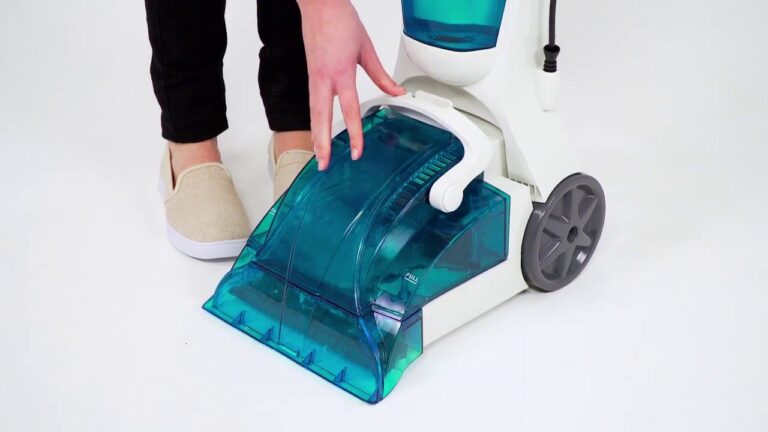
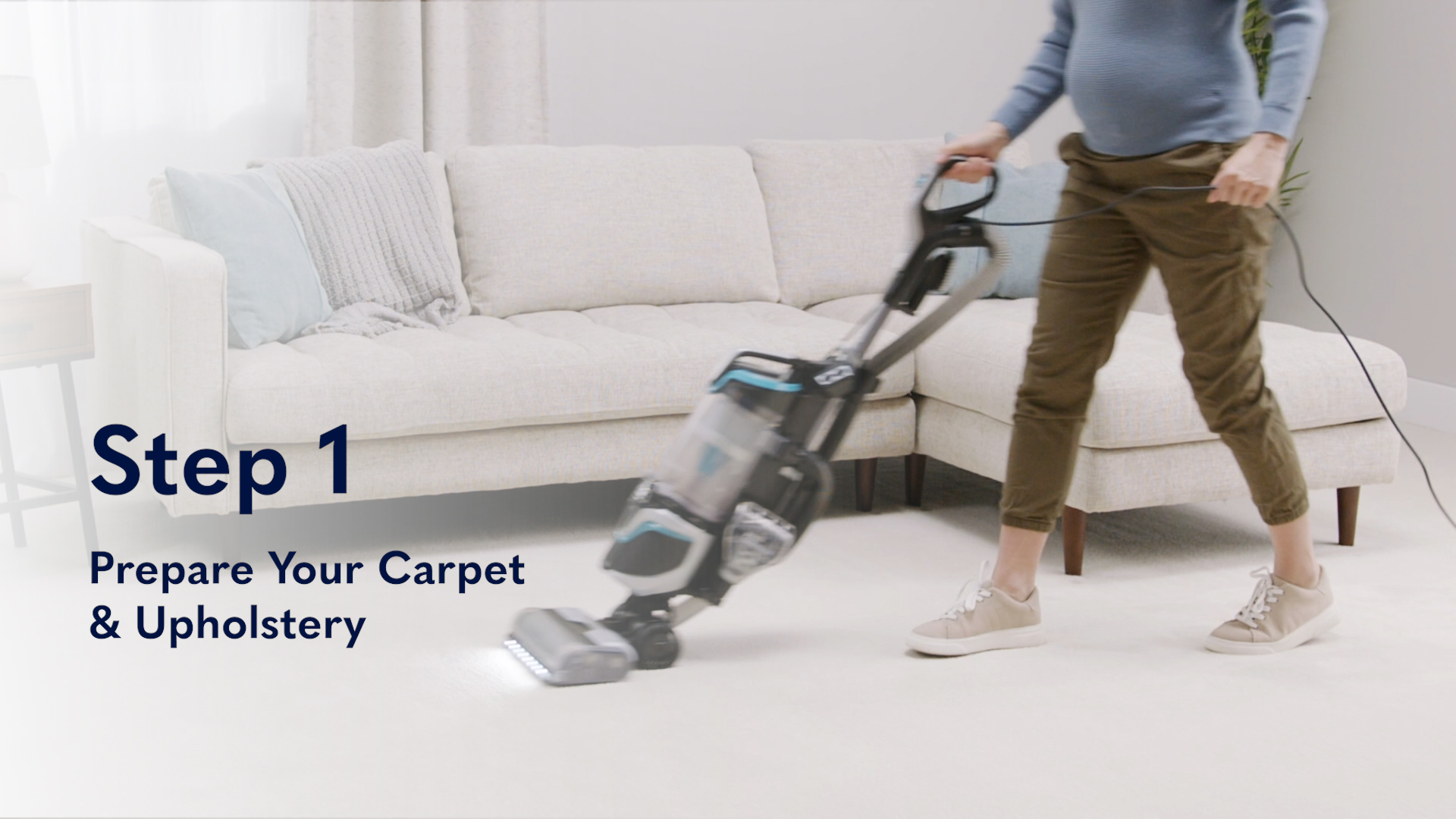
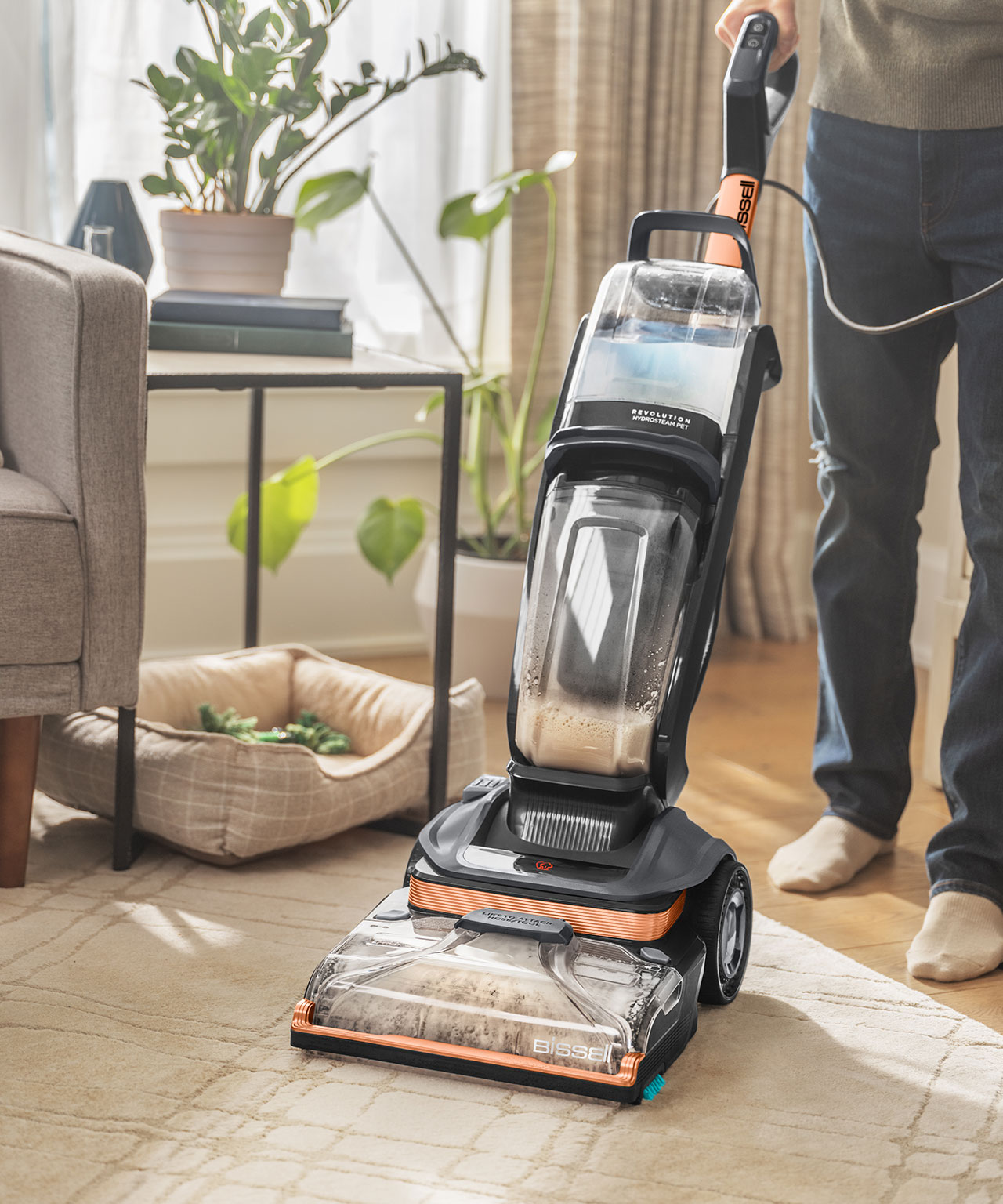
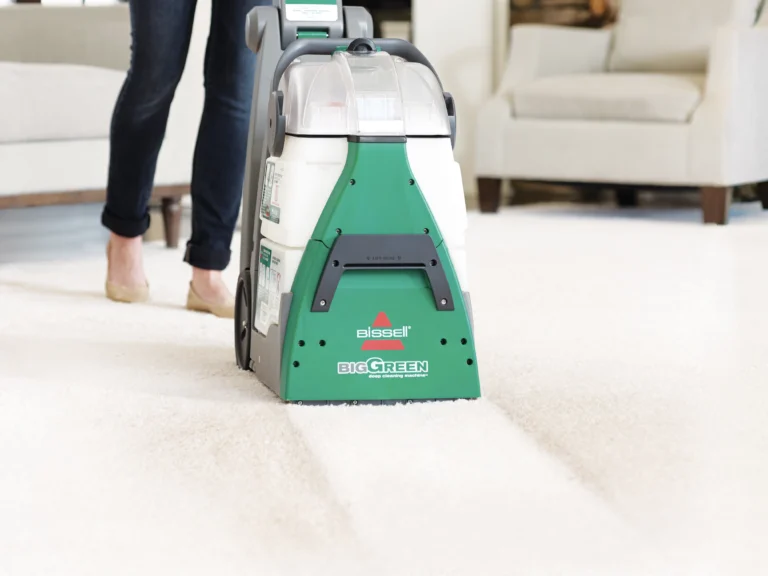
Carpet cleaners, whether you rent a Rug Doctor, own a Bissell, or use a Hoover, all work on the same basic principle. They spray a cleaning solution into the carpet fibers, agitate it with brushes, and then suck it back up along with the dirt. This means the solution you use needs to be thin enough to flow through the machine, low-sudsing so it doesn't foam up inside the system, and safe for the carpet material.
Most machines have specific requirements. A standard hot water extraction carpet cleaner typically heats water to around 140°F to 150°F, which helps break down grease and kill bacteria. However, not all solutions are designed to handle that temperature without separating, foaming, or leaving residue.
Why Regular Laundry Detergent Is a Bad Idea
I made this mistake early on. I grabbed my regular liquid laundry detergent because I was out of carpet cleaner solution. Within minutes, my machine was blowing bubbles out of every seam. Laundry detergents are designed to create lots of suds for washing clothes in open water. Inside a sealed carpet cleaner, those suds build pressure and can leak into the motor, causing long-term damage. Many manufacturers explicitly warn against using laundry soap in their machines.
Even worse, laundry detergent often leaves a sticky residue in the carpet that actually attracts more dirt over time. I noticed my freshly cleaned carpet looked dingy again within two weeks. Lesson learned.
Safe Homemade Solutions You Likely Already Have
The good news is you probably have everything you need in your kitchen or laundry room right now. Here are the solutions I trust and use regularly.
Hot Water and White Vinegar
This is my go-to solution for general cleaning and deodorizing. Mix one part white vinegar to three parts hot water. The vinegar helps cut through light grease, neutralizes odors (especially pet smells), and since it doesn't create suds, it won't damage your machine. I've used this combo on everything from muddy footprints to wine spills, and it works surprisingly well.
One caution: vinegar is acidic, so don't use it on natural fiber carpets like wool or silk. For synthetic carpets (which most modern homes have), it's perfectly safe.
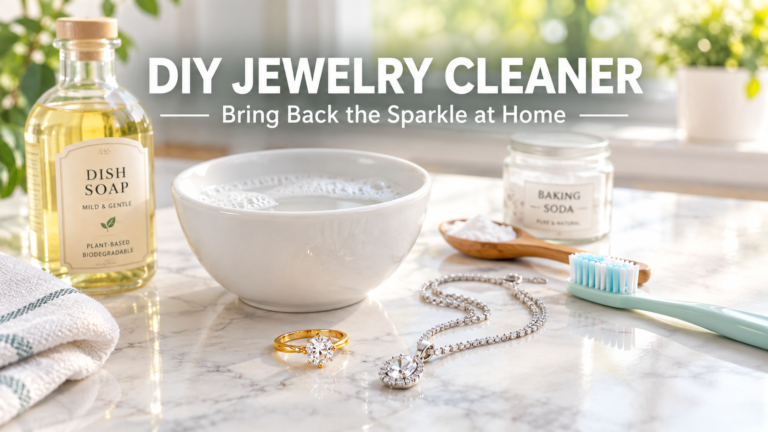
Dish Soap and Water
A few drops of mild liquid dish soap, like Dawn, mixed with hot water makes an excellent low-sudsing cleaning solution. The key is "a few drops." I usually add about one tablespoon per gallon of water. Dish soap is designed to cut grease without foaming excessively, making it one of the safer homemade options.
Baking Soda Boost
Before using any wet cleaning method, I always sprinkle baking soda generously over the carpet, let it sit for 15 to 20 minutes, and then vacuum it up. This deodorizes and loosens dirt. For a deeper clean, you can add a quarter cup of baking soda directly to your cleaning solution. It helps brighten carpets and neutralize odors without harming the machine.
Hydrogen Peroxide for Stains
For tough stains like blood, wine, or pet accidents, hydrogen peroxide works wonders. Mix one part 3% hydrogen peroxide with two parts water, and add a drop or two of dish soap. Apply it directly to the stain before using the carpet cleaner, or add it to your solution tank. Just be aware that hydrogen peroxide can lighten some carpet dyes, so test it in an inconspicuous spot first.
Rubbing Alcohol for Ink and Grease
Isopropyl alcohol helps break down ink, makeup, and greasy stains. I dab it on the stain first, let it sit for a few minutes, then run the carpet cleaner over it. It evaporates quickly and doesn't create suds.
Oxygen Bleach for Tough Odors
Oxygen bleach (like OxiClean) is different from chlorine bleach. It's color-safe and won't damage your carpet or machine. Mix according to the package directions and use it in your solution tank. It's especially effective for organic stains and stubborn odors.
Commercial Carpet Cleaner Solutions
If you prefer buying ready-made solutions, there are several types available.
Manufacturer-Recommended Solutions
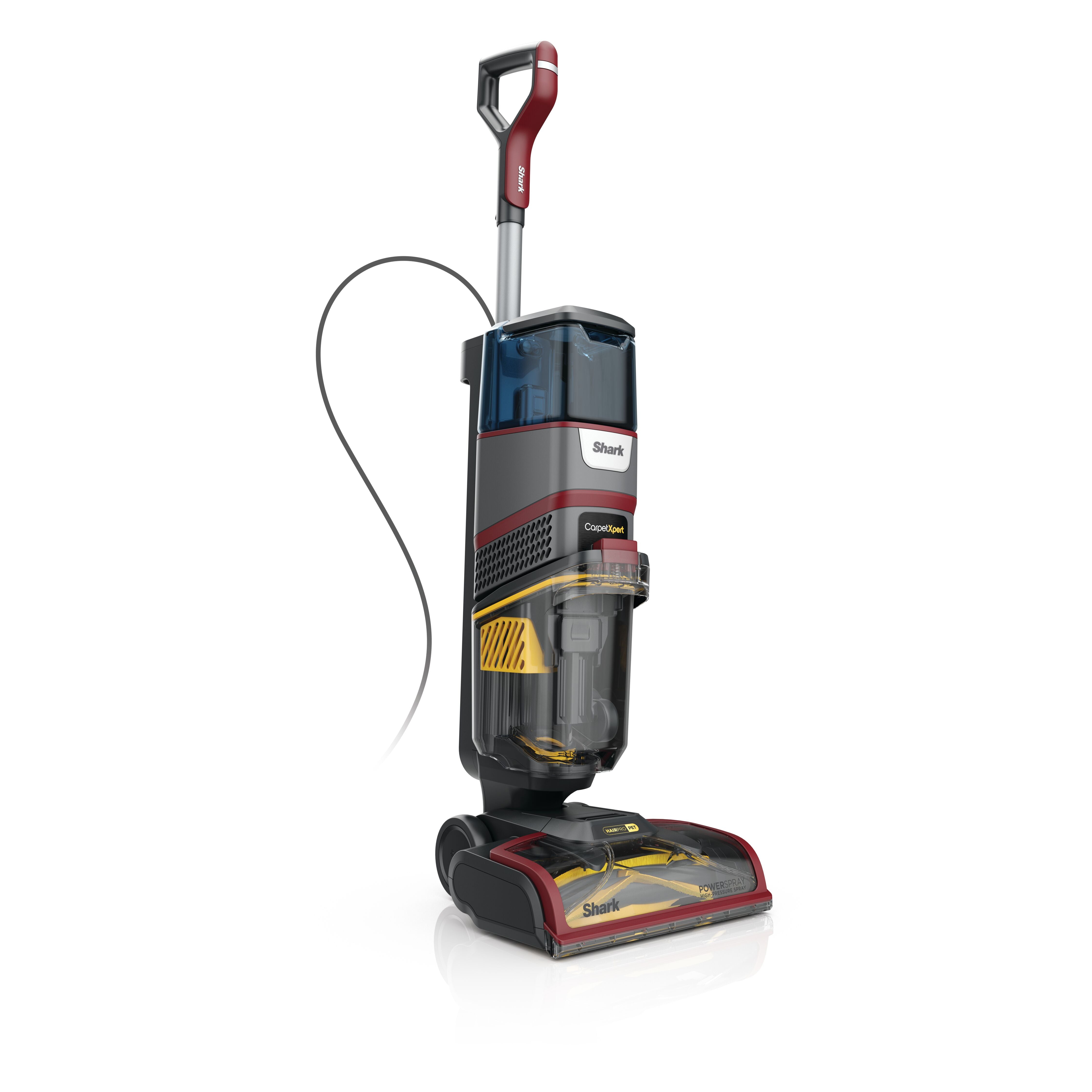
Brands like Bissell, Hoover, and Rug Doctor all sell their own formulas. These are specifically designed for their machines, so they're a safe bet. They're pH-balanced, low-sudsing, and often come with warranties if they damage your machine.
Enzyme-Based Cleaners
For pet owners, enzyme cleaners are a game-changer. They contain bacteria that literally eat the organic matter causing odors and stains. I've used them on countless pet accidents, and they completely eliminate smells rather than just masking them. Just make sure the one you choose is labeled as machine-safe.
All-Purpose Carpet Shampoo
Most store-bought carpet shampoos are safe for hot water extraction machines. Look for ones labeled "low foam" or "extractor formula." Avoid anything that creates lots of bubbles when you shake the bottle.

Solutions and Ingredients You Should Never Use
This part is just as important as knowing what you can use. Some substances will damage your machine, your carpet, or even your health.
Chlorine Bleach
Never use chlorine bleach in a carpet cleaner. It can corrode the metal parts inside your machine, weaken seals and gaskets, and leave toxic fumes when mixed with other cleaning agents. Bleach can also permanently discolor your carpet.
Ammonia
Like bleach, ammonia can damage machine components and create dangerous fumes, especially if any bleach residue is present. It's also harsh on carpet fibers and can cause discoloration.
Fabric Softener
Fabric softener leaves a coating that reduces the absorbency of carpet fibers. Over time, it builds up and makes your carpet feel waxy. It also clogs the small openings and filters in your carpet cleaner.
Oil-Based Cleaners
Anything containing solvents or oils can leave residue that's nearly impossible to remove from carpet. These can also damage the rubber and plastic seals in your machine.
High-Foaming Detergents
Any detergent that creates lots of suds, including dish soaps not labeled "concentrated" or "ultra," can cause problems. The foam doesn't just stay in the tank; it gets pushed through the system and can damage the vacuum motor.

Tips for Getting the Best Results
Beyond choosing the right solution, a few techniques will make your cleaning more effective.
Pre-Treat Stains First
Always pre-treat visible stains before running the machine over them. Apply your stain remover, let it sit for 5 to 10 minutes, then run the cleaner. This gives the solution time to break down the stain before the machine extracts it.
Use the Hottest Water Possible
Hot water cleans better than cold. If your machine has a heater, use it. If not, fill the tank with the hottest water from your tap. The heat helps dissolve oils and activates cleaning agents more effectively.
Don't Over-Saturate
It's tempting to flood the carpet, but too much water can cause mold and mildew growth underneath. Make slow, overlapping passes and let the machine extract as much liquid as possible. Go over each area at least twice, once in one direction and once perpendicular.
Let It Dry Completely
After cleaning, open windows, turn on fans, or run your air conditioner to speed drying. Walking on wet carpet can re-soil it quickly. I wait at least 6 to 8 hours before putting furniture back on freshly cleaned carpet, and I use foil or plastic tabs under furniture legs to prevent rust or stain transfer.
Clean Your Machine After Each Use
This is something I learned the hard way. Always run plain hot water through your machine after using any cleaning solution. This flushes out residue that could clog the system or grow bacteria. Empty the tanks, rinse them thoroughly, and leave them open to air dry.
Matching the Solution to Your Carpet Type
Different carpets need different care.
Synthetic Carpets (Nylon, Polyester, Olefin)
These are the most common and the most forgiving. Almost any safe cleaning solution works well. They're resistant to most cleaning agents and can handle hot water extraction without issue.
Natural Fiber Carpets (Wool, Cotton, Silk)
These require gentler treatment. Use only pH-neutral cleaners specifically designed for natural fibers. Skip the vinegar and stick to mild dish soap or commercial wool-safe formulas. Heat can also damage some natural fibers, so use warm rather than hot water.
Berber Carpets
Berber has loops that can snag and fray. Use less water and avoid aggressive agitation. A lower-sudsing solution and gentle passes work best.
Cut Pile and Plush Carpets
These can handle more water and stronger agitation. They're easier to clean deeply because the fibers are looser.
Frequently Asked Questions
Can I use vinegar and baking soda together in my carpet cleaner?
No, you shouldn't mix them in the tank. When vinegar and baking soda combine, they create a chemical reaction that produces carbon dioxide and water with sodium acetate. This reaction creates foam that can clog your machine and reduce cleaning power. Use them separately, baking soda as a pre-treatment and vinegar in the tank.
Is it okay to use essential oils in my carpet cleaner?
A few drops of essential oil like lavender or tea tree can add a pleasant scent and some have mild antibacterial properties. However, oils can leave residue in your machine and may stain light-colored carpets. If you use them, add only 2 to 3 drops per gallon of water, and clean the machine thoroughly afterward.
How often should I deep clean my carpets?
Most carpet manufacturers recommend deep cleaning every 12 to 18 months. However, homes with pets, kids, or high traffic may need cleaning every 6 to 9 months. Regular vacuuming extends the time between deep cleanings.
Can I put laundry detergent in a carpet cleaner if I dilute it heavily?
Even when diluted, laundry detergent is risky. It's formulated to create stable suds, and even a small amount can produce enough foam to cause problems. Some people report success with very small amounts of HE (high-efficiency) detergent, but the risk to your machine generally isn't worth it.
Will using the wrong solution void my warranty?
Most likely, yes. Manufacturers typically require you to use their solutions or compatible alternatives. Using unauthorized chemicals can void your warranty, so if your machine is new, stick with manufacturer-recommended products or simple solutions like vinegar and water.

Conclusion
The best approach to carpet cleaning solutions is simplicity. Hot water does most of the heavy lifting, and a few household ingredients like white vinegar, dish soap, baking soda, and hydrogen peroxide can handle nearly any stain or odor. Avoid anything that creates suds, contains bleach or ammonia, or leaves oily residue. Always pre-treat stains, use the hottest water your machine allows, and clean your equipment thoroughly after each use. Your carpets will look better, last longer, and your machine will keep running smoothly for years to come. Try one of these safe solutions on your next cleaning day, and you'll see just how effective simple ingredients can be.