What Is The Best Cleaner For Shower Floor: Top Picks
The best cleaner for a shower floor is a pH-balanced, non-abrasive bathroom cleaner designed to cut through soap scum, hard water stains, and mildew without damaging grout or tile. A quality product like this will leave your shower sparkling, safe for daily use, and free from harsh chemical residues.
Keeping a shower floor clean is one of those small chores that can feel like a big win when done right. Over the years of testing dozens of products and tackling everything from calcium buildup to pink mold, I've learned that not all cleaners are created equal. Some work wonders on glass but eat away at grout, while others smell so strong they make your eyes water. The sweet spot is finding a cleaner that is powerful enough to dissolve grime yet gentle enough to preserve the integrity of your tile, stone, or fiberglass surface. In this guide, I'll break down exactly what makes a shower floor cleaner truly effective, share my hands-on experiences with various types, and help you choose the perfect match for your bathroom. Whether you are dealing with stubborn hard water deposits, daily soap film, or weekly mildew prevention, you will find practical, no-nonsense advice you can use right away.

Understanding Shower Floor Surfaces and Their Cleaning Needs
Before reaching for any cleaner, it helps to know what type of surface you are working with. Shower floors come in several common materials, and each reacts differently to cleaning agents.
Ceramic and Porcelain Tile
These are the most common shower floor materials. They are durable, relatively low-maintenance, and can handle most cleaners. However, the grout between tiles is porous and tends to trap dirt, soap residue, and mildew. A good shower floor cleaner should penetrate grout lines without bleaching or weakening the cement.
Natural Stone (Marble, Travertine, Slate)
Natural stone requires pH-neutral cleaners. Acidic products like vinegar or lemon-based sprays can etch and permanently damage the surface. If your shower floor is stone, avoid anything acidic and stick to a stone-safe formula.
Fiberglass and Acrylic
These synthetic surfaces are non-porous and easy to wipe down, but they scratch easily. Abrasive powders or stiff brushes can leave marks that collect more dirt over time. A non-abrasive liquid or gel cleaner is the safest bet.
Glass Tile or Enamel
Glass and enamel surfaces resist most stains but show water spots and soap scum clearly. They handle a wide range of cleaners, but again, gentle, non-abrasive options extend their lifespan.
Understanding your shower floor material is the first step in choosing the best cleaner for your situation. It prevents costly damage and ensures you are actually solving the problem rather than creating a new one.
What Makes a Shower Floor Cleaner Truly Effective
A great cleaner does more than just make things smell fresh. Here are the key qualities I always look for.
Ability to Dissolve Soap Scum
Soap scum is the chalky, white film that forms when soap mixes with hard water minerals. A quality cleaner contains surfactants and mild acids that break this bond so it can be wiped away easily.
Hard Water Stain Removal
Hard water leaves calcium and magnesium deposits that look like white or cloudy spots. The best cleaners for shower floors include chelating agents that lift these minerals without requiring aggressive scrubbing.
Mildew and Mold Prevention
Mildew thrives in warm, wet environments. A cleaner with mild antifungal properties, or one that you can use as a weekly maintenance spray, keeps spores from taking hold in grout and corners.
Safety for Grout and Sealants
Strong acids and bleach can degrade grout over time. A balanced formula cleans deeply without eating away at the lines between your tiles.
Pleasant, Non-Toxic Scent
Many effective cleaners now use plant-based ingredients that smell fresh without overwhelming fumes. This is especially important in small, enclosed bathrooms.
Ease of Use
Spray bottles, foaming action, and wipe-away formulas save time. In my experience, foaming cleaners cling to vertical surfaces and grout lines longer, giving the active ingredients more time to work.
Types of Shower Floor Cleaners and How They Perform
Let's walk through the main categories of cleaners you will find on store shelves and what each one does best.
All-Purpose Bathroom Cleaners
These are versatile sprays designed for tubs, tiles, sinks, and counters. They handle light soap scum and daily grime well. However, they may struggle with heavy buildup or set-in hard water stains. I usually keep one in my rotation for quick weekly wipe-downs.
Specialty Soap Scum and Hard Water Removers
These are the heavy hitters. Formulated with stronger surfactants and mild acids, they tackle thick layers of soap film and mineral deposits. In my testing, these work best when you let them sit for several minutes before scrubbing. They are excellent for monthly deep cleans.
Bleach-Based and Mold Removers
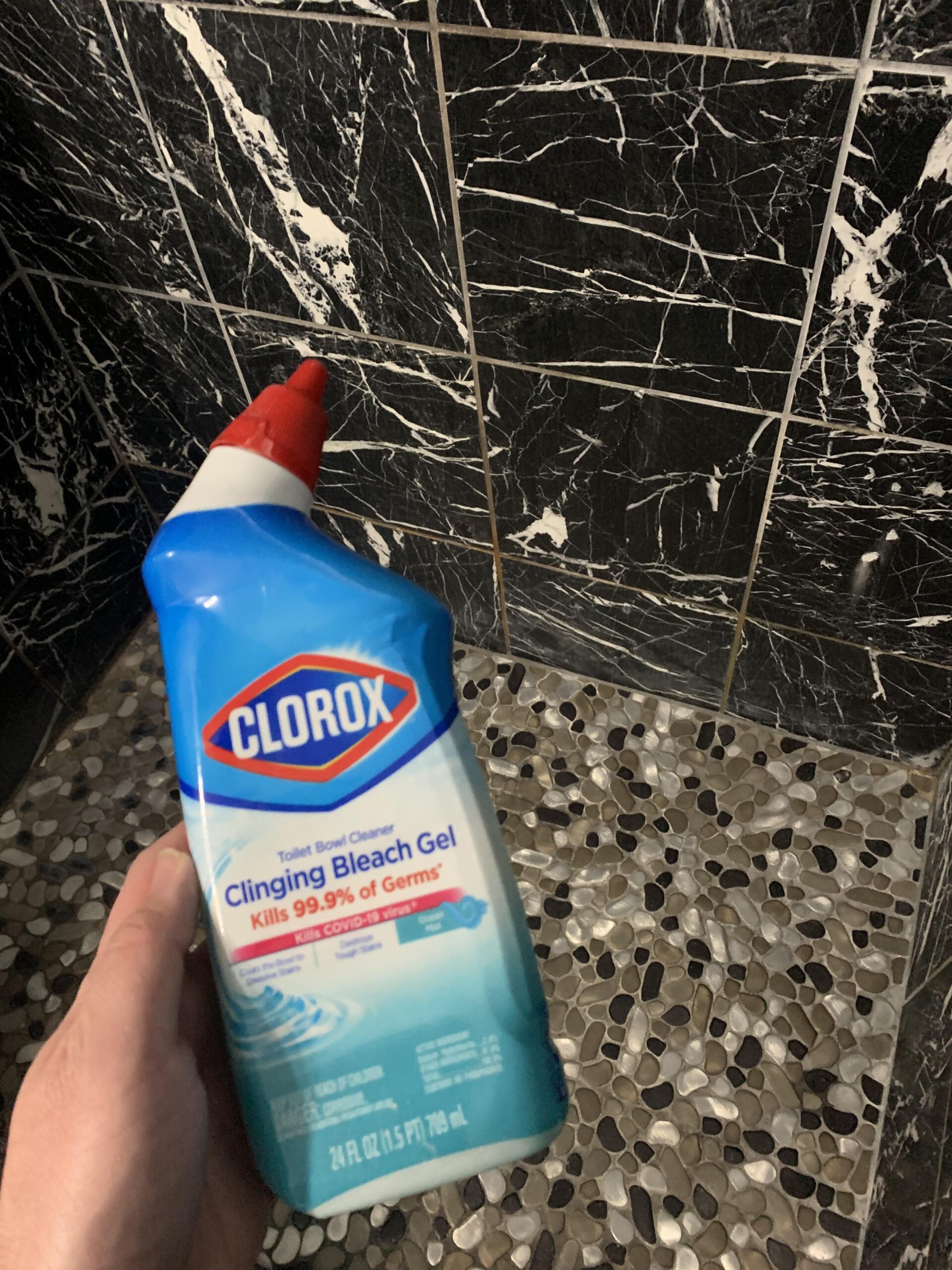
When mildew or pink bacteria show up, bleach-based products are often the fastest fix. They sanitize and whiten grout. The downside is the strong odor and potential to irritate skin or lungs. Always ventilate the bathroom and wear gloves when using these.
Natural and Plant-Based Cleaners
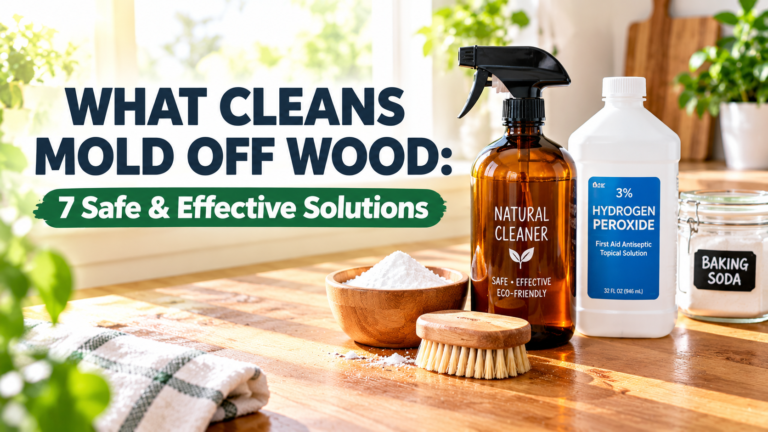
These use ingredients like citric acid, baking soda, and essential oils. They are safer for kids, pets, and natural stone. While they may require a bit more elbow grease for tough jobs, they are my go-to for regular maintenance because they leave no harsh chemical residue.
DIY Solutions
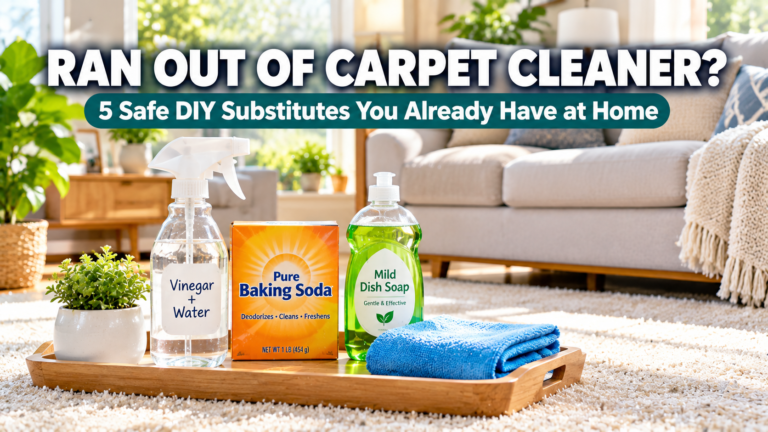
Many people swear by white vinegar and baking soda. These work well on ceramic tile but should never be used on natural stone. For glass and porcelain, a 50/50 vinegar-water spray followed by a baking soda paste can be surprisingly effective for light stains.
Enzyme-Based Cleaners
These use biological agents to break down organic matter like body oils and mildew. They are slower acting but very safe and great for regular use in households with sensitive skin.
Top Ingredients to Look For in the Best Shower Floor Cleaner
Reading labels can be confusing. Here are the ingredients that signal a cleaner will actually work on your shower floor.
- Citric acid: a natural descaler that removes hard water deposits safely on most surfaces
- Sodium bicarbonate (baking soda): a gentle abrasive that lifts grime and neutralizes odors
- Surfactants like decyl glucoside or sodium lauryl sulfate: these help the cleaner spread and cling to surfaces
- Essential oils such as tea tree, eucalyptus, or lavender: provide natural antimicrobial action and pleasant scents
- Chelating agents like EDTA: bind to minerals in hard water so they can be rinsed away
- Hydrogen peroxide: a bleach alternative that kills germs without the harsh chlorine smell
If you see these near the top of the ingredient list, you are likely holding a cleaner that will perform well.
Step-by-Step Guide to Cleaning Your Shower Floor Like a Pro
Using the best cleaner for shower floor is only half the battle. Technique matters too. Here is the routine that has worked best for me over years of trial and error.
Gather Your Tools
You will need your chosen cleaner, a non-scratch scrub pad, a microfiber cloth, a squeegee, and rubber gloves if using harsh products. A grout brush is helpful for textured or porous grout lines.
Pre-Rinse the Floor
Run warm water over the entire shower floor to loosen surface debris and wet the grout. This helps the cleaner penetrate more evenly.
Apply the Cleaner
Spray or pour the cleaner generously across the floor. Pay extra attention to corners, grout lines, and areas with visible buildup. Let it sit for the amount recommended on the label, usually 3 to 10 minutes.
Scrub Gently
Use circular motions with your scrub pad. For grout, switch to a grout brush and work in small sections. Avoid steel wool or anything that can scratch tile or fiberglass.
Rinse Thoroughly
Rinse with warm water until all suds are gone. Leftover cleaner can attract more dirt or leave a film.
Dry and Squeegee
Use a microfiber cloth or squeegee to remove standing water. This step is a game changer for preventing new water spots and mildew growth.
Ventilate
Leave the bathroom fan running or open a window for at least 20 minutes to help everything dry completely.
Common Mistakes to Avoid When Cleaning a Shower Floor
Even with the best products, mistakes can undermine your efforts.
- Mixing cleaners: never combine bleach and ammonia, or bleach and vinegar. Toxic fumes can result.
- Using abrasive tools: steel wool, rough sponges, and stiff brushes scratch surfaces and make future cleaning harder.
- Ignoring grout: grout is the most porous part of your shower and needs regular attention to stay clean and intact.
- Skipping the dwell time: spraying and immediately wiping gives the active ingredients no time to work. Patience pays off.
- Using the wrong cleaner on stone: acidic or harsh alkaline products can permanently etch marble, travertine, and limestone.
- Forgetting to seal grout: unsealed grout absorbs stains and mildew faster. Reseal it every 6 to 12 months for best protection.
How Often Should You Clean Your Shower Floor?
The answer depends on use, but here is a simple guideline I recommend.
- Daily: a quick squeegee after each shower removes water and slows buildup.
- Weekly: a light spray and wipe with an all-purpose cleaner handles soap film.
- Monthly: a deep clean with a specialty remover tackles hard water and mildew.
- Every 6 to 12 months: inspect grout and reseal if needed.
Sticking to this rhythm keeps your shower looking great with less effort over time. Waiting too long between deep cleans allows mineral deposits to harden, which then require much more work to remove.
Eco-Friendly and Family-Safe Cleaning Options
If you have kids, pets, or simply want to reduce your chemical footprint, there are excellent options that still get the job done.
Plant-based cleaners have come a long way. Brands that use citric acid, lactic acid, and bio-enzymes can handle soap scum and mild mildew without toxic fumes. In households with curious toddlers or pets who might step into the shower, these are a smart choice.
DIY methods also work well for non-stone surfaces. A spray bottle with equal parts white vinegar and water, followed by a baking soda scrub, handles most weekly cleaning. Add a few drops of tea tree oil for extra antimicrobial power.
Just remember: even natural acids like vinegar can damage marble and other natural stones. Always know your surface before choosing a DIY route.

Frequently Asked Questions About the Best Cleaner for Shower Floor
Can I use bleach on my shower floor?
Yes, but with caution. A bleach solution or bleach-based cleaner works well for whitening grout and killing mildew, especially in ceramic or porcelain showers. However, never mix bleach with ammonia or any acidic cleaner. Always ventilate the room, wear gloves, and rinse thoroughly afterward. For natural stone, bleach can cause discoloration and should be avoided.
What is the safest cleaner for a natural stone shower floor?
A pH-neutral, stone-safe cleaner is the only safe choice for marble, travertine, limestone, or slate. These cleaners remove soap residue and light grime without etching the surface. Look for products specifically labeled safe for natural stone, and avoid vinegar, lemon, and most all-purpose bathroom sprays that contain acids.
How do I remove stubborn hard water stains from my shower floor?
For ceramic or porcelain, a cleaner with citric acid works wonders. Apply it, let it sit for 5 to 10 minutes, then scrub gently with a non-abrasive pad. For severe buildup, a paste of baking soda and water left overnight can help lift deposits. If stains persist, a commercial descaler formulated for bathroom use may be necessary.
Are foaming cleaners better than sprays for shower floors?
Foaming cleaners often perform better on vertical and textured surfaces because they cling longer, giving the cleaning agents more contact time. On flat shower floors, both work, but foaming action helps the cleaner reach grout and corners without running off too quickly. If you have a lot of grout lines, foaming is worth trying.
Can I use dish soap to clean my shower floor?
Dish soap can help with light cleaning and is gentle on most surfaces. A few drops in warm water create a mild cleaning solution that handles everyday soap film. It will not, however, remove hard water stains or heavy mildew. Think of it as a supplement to your regular cleaner, not a replacement.

Conclusion
Finding the best cleaner for your shower floor comes down to understanding your material and matching it with the right formula. Ceramic and porcelain offer the most flexibility, while natural stone demands pH-neutral products to avoid permanent damage. Fiberglass and acrylic need gentle, non-abrasive cleaners to prevent scratches. Whatever your surface, look for ingredients that tackle soap scum, hard water, and mildew without harming grout or sealants.
Regular maintenance beats heavy scrubbing every time. A quick squeegee after each shower, a weekly light clean, and a monthly deep treatment will keep your shower floor looking new with minimal effort. Choose the cleaner that fits your surface, follow the simple routine outlined above, and you will enjoy a fresh, sparkling shower every day.
Take a few minutes this week to identify your shower floor type and pick a cleaner that matches. Your future self, stepping into a gleaming, fresh-smelling shower, will thank you. If you have a favorite product or cleaning tip that works wonders, share it in the comments below.