How To Price Home Cleaning Services: The 2026 Smart Pricing Guide
Pricing home cleaning services depends on home size, cleaning type, labor, and local market rates to ensure fair profit and customer satisfaction.
Whether you're launching a new cleaning business or refining your current pricing strategy, knowing how to set the right rates can make or break your success. I've spent years working with small cleaning companies, testing different pricing models, and learning what actually works in the real world. Trust me, it's not just about picking a number out of thin air.
Understanding the Basics of Home Cleaning Pricing
Before you can set your rates, you need to understand what goes into them. Cleaning service pricing isn't random. It reflects your time, effort, overhead, and the value you bring to your clients. Think of it like baking a cake. You need the right ingredients in the right amounts, or the whole thing falls apart.
Key Factors That Influence Cleaning Prices
Several elements play a role in determining how much you should charge. Let's break them down so you can see the full picture.
Size of the Home
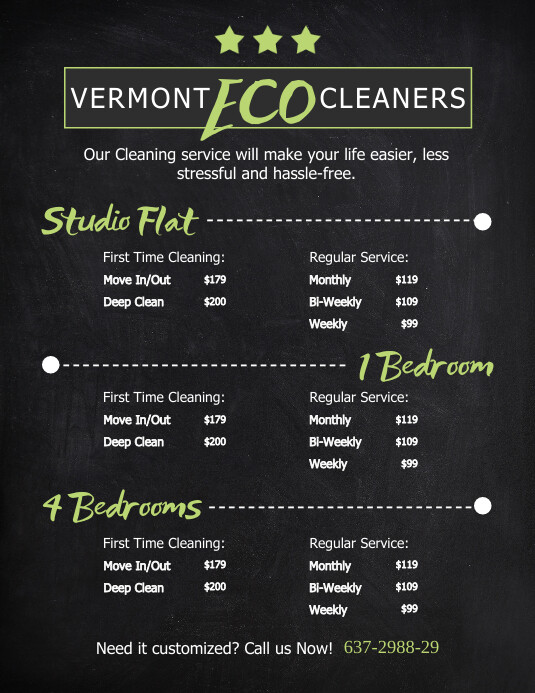
The bigger the home, the more time it takes to clean. A studio apartment won't take the same effort as a four-bedroom house. Most cleaners charge based on square footage or the number of bedrooms and bathrooms.
Type of Cleaning Required
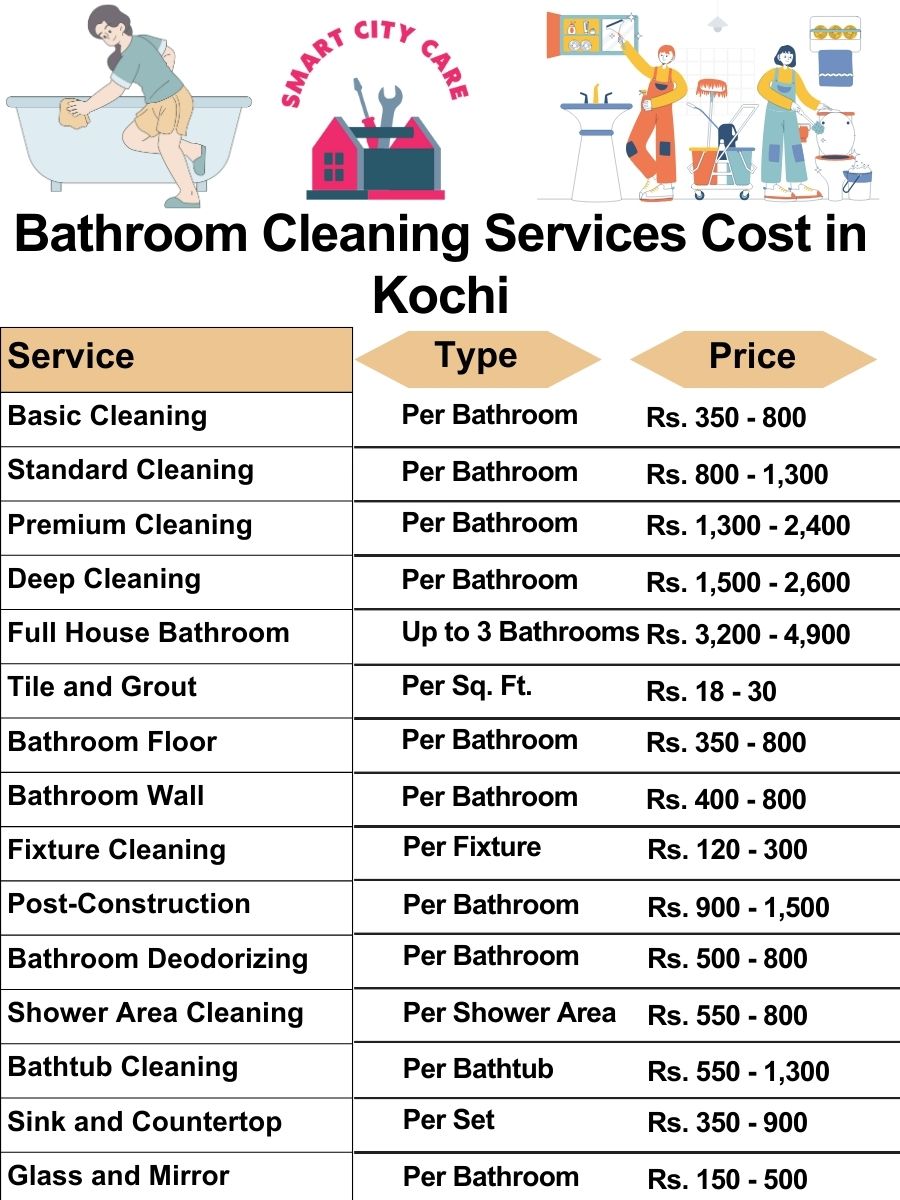
Not all cleanings are the same. A standard maintenance clean takes less time than a deep clean or a move-out clean. Specialty services like window washing, carpet shampooing, or post-construction cleanup also cost more.
Frequency of Service
One-time cleanings usually cost more per visit than recurring services. If a client books weekly or biweekly cleanings, you can offer a discounted rate since the home stays consistently tidy.
Labor Costs
Your team's wages, insurance, training, and taxes all factor into your pricing. If you're a solo cleaner, you still need to account for your own time and self-employment expenses.
Supplies and Equipment
Some cleaners bring their own supplies, while others use the client's products. Eco-friendly or specialized cleaning solutions can increase your costs, which should be reflected in your rates.
Location and Market Rates
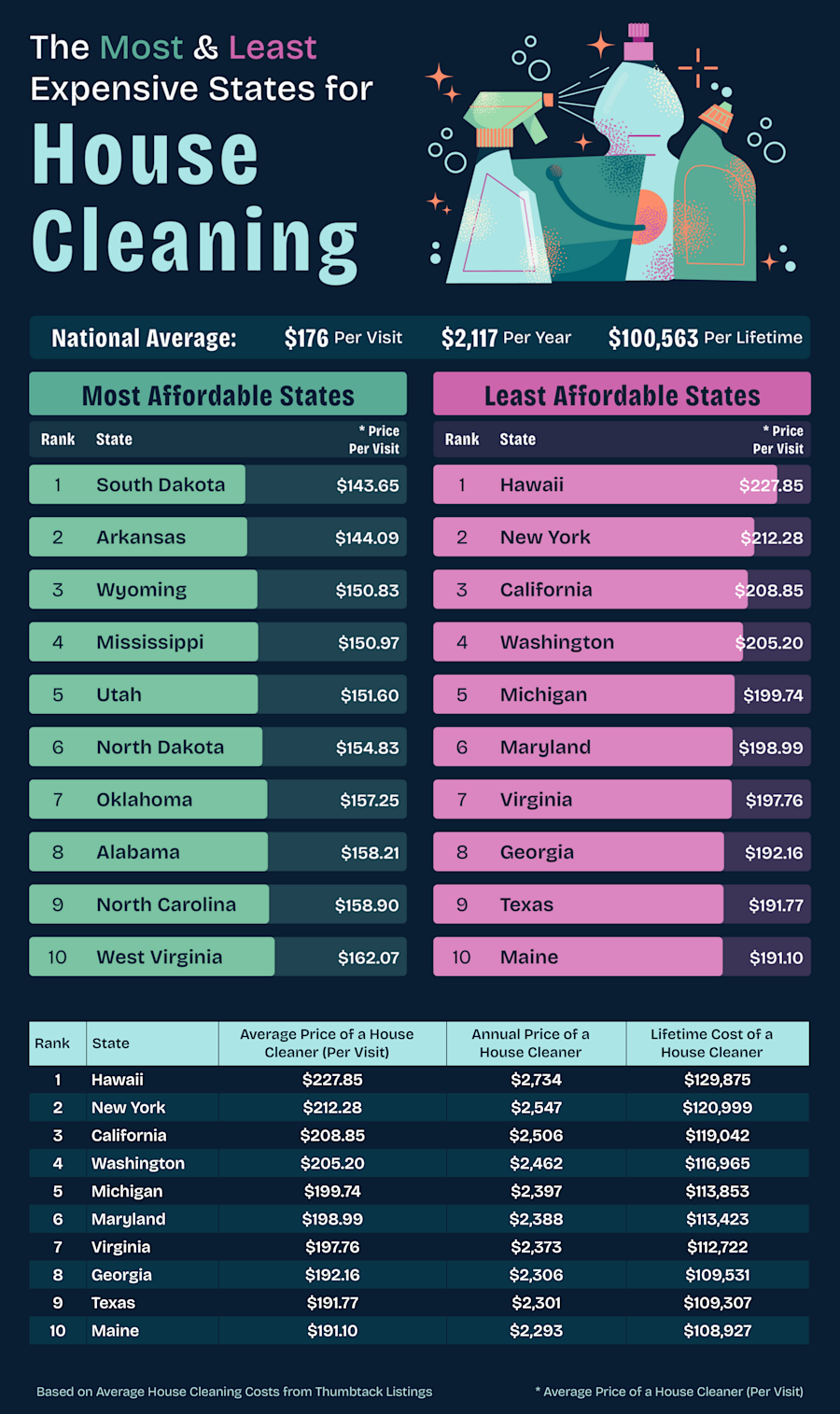
Cleaning prices vary widely depending on where you operate. Urban areas with higher living costs typically charge more than rural areas. Always research what other local cleaners are charging to stay competitive.
Common Pricing Models for Home Cleaning Services
There are several ways to structure your pricing. The best model depends on your business goals, client preferences, and the type of service you offer. Let's explore the most popular options.
Flat Rate Pricing
A flat rate means you charge a set price for a specific type of cleaning. For example, you might charge $150 for a standard three-bedroom home cleaning. This model is simple, transparent, and easy for clients to understand. It also allows you to predict your revenue more accurately.
Hourly Rate Pricing
Some cleaners charge by the hour, typically ranging from $25 to $75 per hour depending on the region. Hourly pricing works well for unpredictable jobs or when the scope isn't clearly defined. However, clients may worry about how long the job will take, so clear communication is key.
Square Footage Pricing
Charging per square foot is common in commercial cleaning but also used in residential settings. Rates might range from $0.05 to $0.20 per square foot. This method ensures you're compensated fairly for larger homes, but it requires accurate measurements.
Room-Based Pricing
This is probably the most common method for residential cleaning. You charge a base rate per room, with additional fees for bathrooms, kitchens, or specialty tasks. For example, you might charge $30 per bedroom and $40 per bathroom.
Tiered Pricing Packages
Offering different service levels lets clients choose what fits their budget and needs. A basic package might include dusting and vacuuming, while a premium package adds inside oven cleaning, window sills, and baseboards.
Step-by-Step Guide to Setting Your Cleaning Service Prices
Now that you understand the factors and models, let's walk through the actual process of setting your rates. This step-by-step approach will help you build a pricing strategy that's both profitable and fair.
Step 1: Calculate Your Base Costs
Start by figuring out your minimum operating costs. Include supplies, transportation, insurance, marketing, and any salaries. If your monthly overhead is $4,000 and you want to work 20 days a month, you need to make at least $200 per day just to break even.
Step 2: Determine Your Desired Profit Margin
Most cleaning businesses aim for a 10% to 30% profit margin. Decide how much profit you want to make on each job, then add that to your base costs. Remember, pricing too low might get you more clients, but it won't keep your business afloat.
Step 3: Research Local Market Rates
Check what other cleaners in your area charge. Look at online directories, social media pages, and review sites. You don't have to match their prices exactly, but you should be in a similar range unless you offer something unique.
Step 4: Test Your Prices and Adjust
Start with your calculated rates, then pay attention to how clients respond. If you're fully booked within a week, your prices might be too low. If no one's booking, you may need to adjust your rates or improve your marketing.
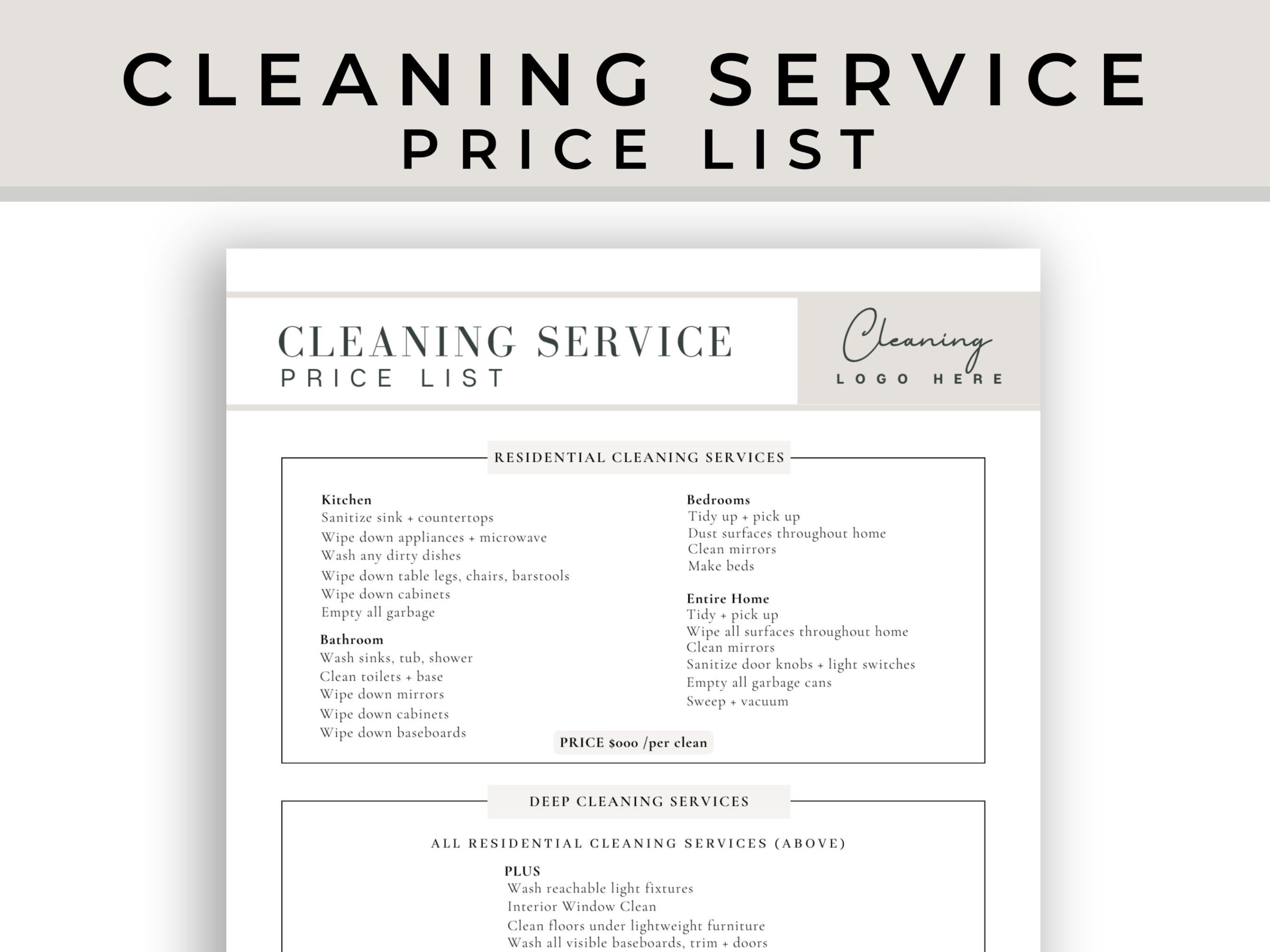
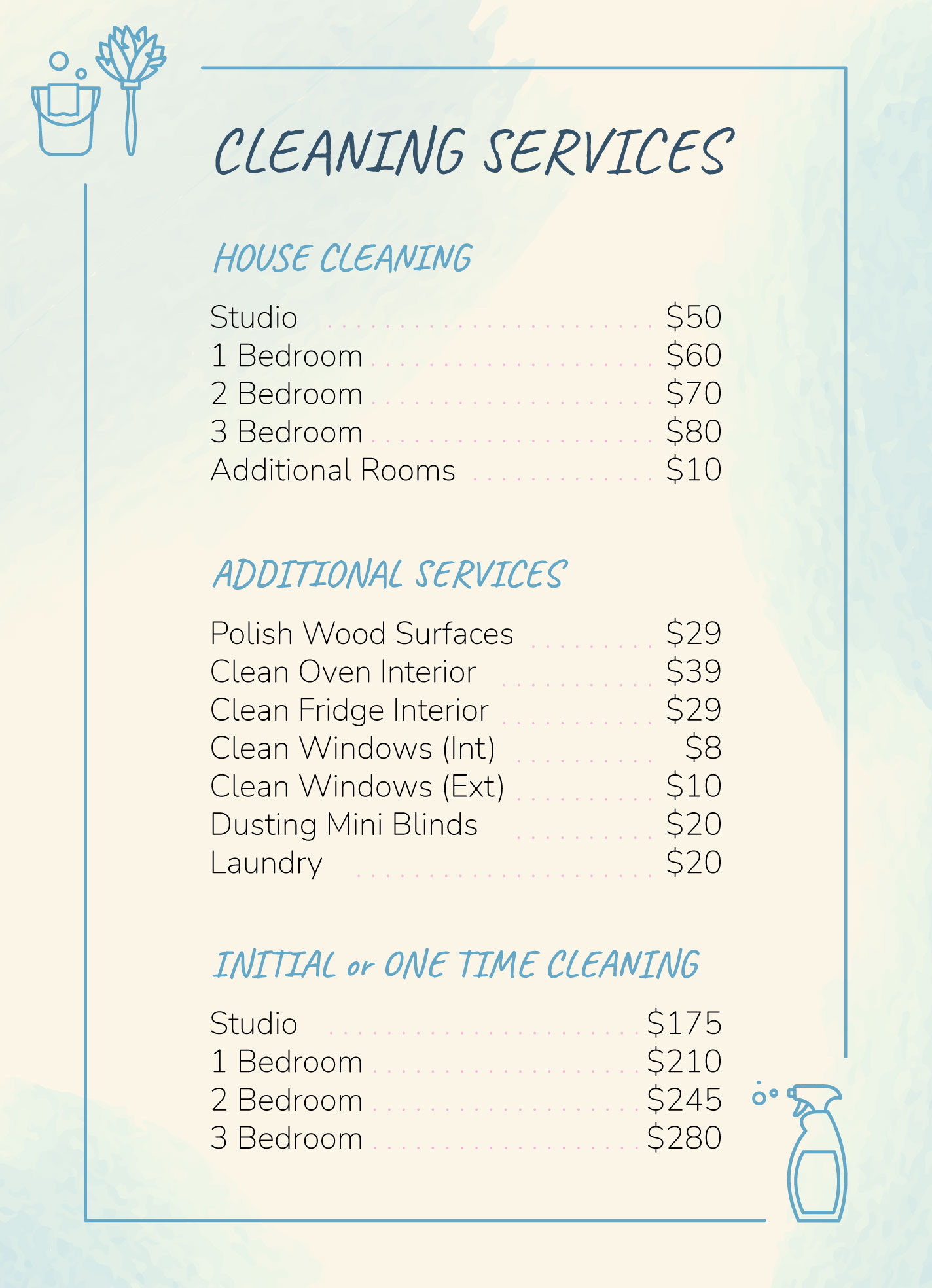
Step 5: Create Clear Pricing Lists
Once you've set your rates, put them in writing. Make sure your pricing is easy to find on your website and in your quotes. Transparency builds trust and helps clients understand what they're paying for.
Common Mistakes to Avoid When Pricing Cleaning Services
Even experienced cleaners can make pricing mistakes. Here are some pitfalls to watch out for, based on what I've seen over the years.
Underpricing Your Services
Many new cleaners charge too little because they're afraid of losing clients. While competitive pricing is important, undervaluing your work can lead to burnout and business failure. Remember, you deserve to be paid fairly for your time and effort.
Ignoring Hidden Costs
Don't forget to account for travel time, fuel, equipment maintenance, and administrative work. These hidden costs can eat into your profits if you're not careful.
Not Having a Minimum Charge
Always set a minimum service fee, even for small jobs. Otherwise, you might end up spending more time traveling and cleaning than you're actually earning.
Failing to Communicate Extra Fees
If there are additional charges for things like pet hair, excessive clutter, or specialty tasks, make sure clients know upfront. Surprise fees damage trust and lead to negative reviews.
Copying Competitors Without Thought
While market research is important, blindly copying another cleaner's prices doesn't account for your unique costs, experience, and value. Use competitor pricing as a reference, not a rulebook.
Tips for Maximizing Profit Without Raising Prices
If you want to increase your earnings without scaring off clients with higher rates, consider these strategies.
Improve Your Efficiency
Work smarter, not harder. Create checklists, organize your supplies for quick access, and plan your route to minimize travel time. The faster you work without sacrificing quality, the more jobs you can fit into a day.
Upsell Additional Services
Offer add-ons like refrigerator cleaning, laundry folding, or organizing closets. These small extras can significantly boost your average ticket size without requiring a major price increase.
Build Long-Term Client Relationships
Repeat clients are the backbone of a successful cleaning business. Offer loyalty discounts or referral bonuses to keep them coming back and bringing new clients your way.
Bundle Services for Better Value
Instead of charging separately for each service, create bundled packages. For example, offer a "Spring Deep Clean" package that includes everything from baseboards to ceiling fans at a slightly discounted rate.
How to Present Your Pricing to Potential Clients
How you communicate your prices matters just as much as the numbers themselves. Here are some practical tips for presenting your rates professionally.
Be Confident and Clear
When discussing pricing, speak with confidence. Avoid apologizing for your rates or offering discounts before the client even asks. Present your prices as the value they are.
Highlight What's Included
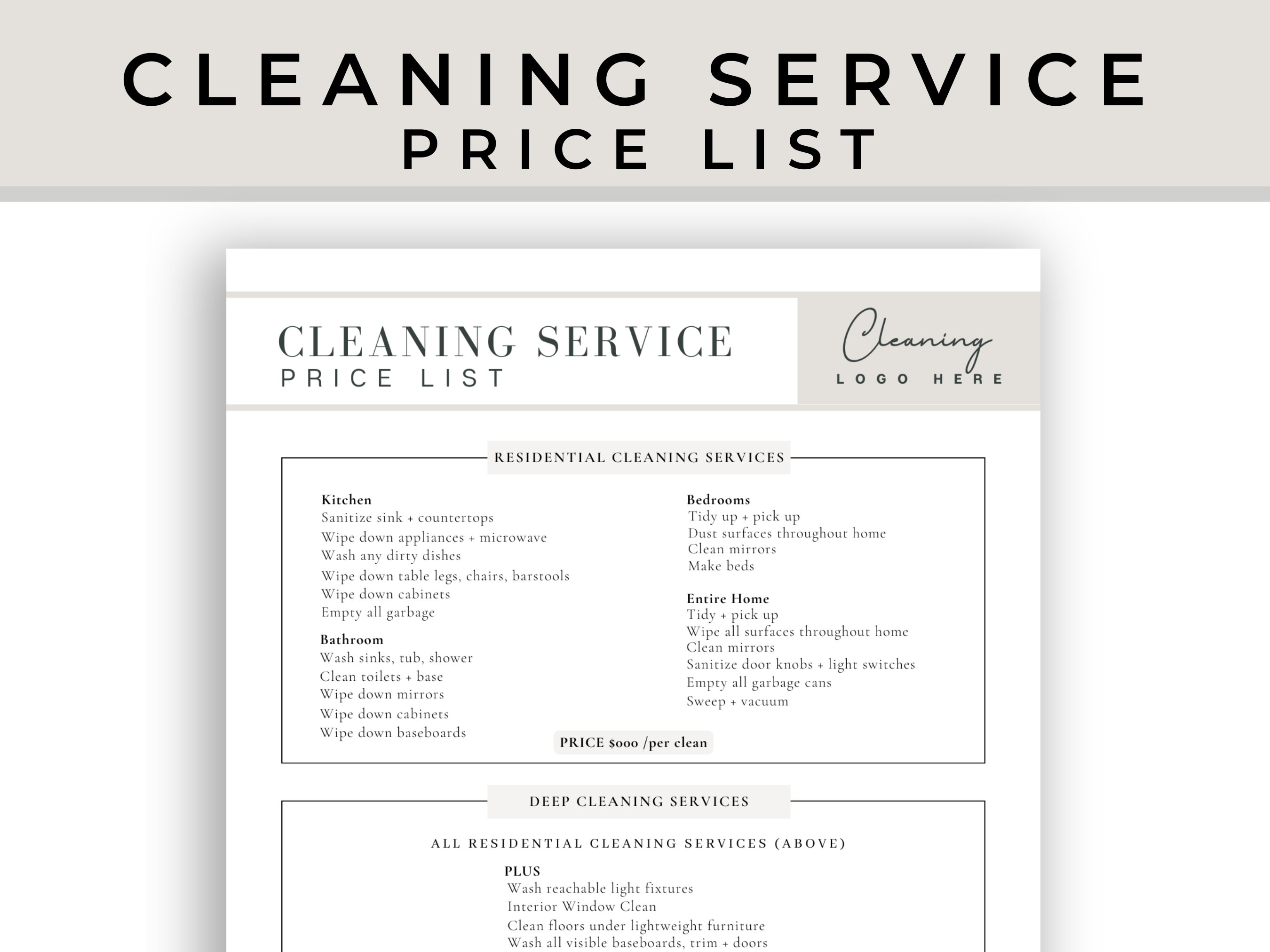
Instead of just stating a number, explain what the service includes. Break down the rooms covered, tasks performed, and any special touches that set you apart.
Provide Multiple Options
Give clients choices. Present a basic package, a standard package, and a premium package. This way, they can select what fits their budget, and you might upsell them to a higher tier.
Use Professional Quotes
Always provide written quotes, whether digital or printed. Include the scope of work, total cost, terms, and any conditions. Professional quotes build credibility and reduce misunderstandings.
Tools and Resources to Help You Price Cleaning Services
You don't have to figure this out all on your own. Several tools and resources can make pricing easier and more accurate.
Cleaning Business Calculators
Online calculators can help you estimate costs based on home size, location, and service type. These are great starting points for setting your rates.
Industry Guidelines and Associations
Organizations like the Association of Residential Cleaning Services International (ARCSI) provide pricing guidelines, training, and networking opportunities. Joining professional associations can also boost your credibility.
Customer Feedback
Pay attention to what clients say about your pricing. If people frequently mention that your services are a great value, you're on the right track. If they think you're too expensive, consider what you can adjust.
Seasonal Pricing Considerations
Cleaning demand often fluctuates throughout the year. Understanding these patterns can help you adjust your pricing strategy accordingly.
Peak Seasons
Spring and fall are typically busy seasons for cleaning services. Many people do deep cleans before holidays or after winter. During these times, you can charge premium rates due to high demand.
Slow Seasons
Summer and late winter tend to be slower. Consider offering promotions or discounts during these periods to keep your schedule full.
Holiday Premiums
Special occasions like Thanksgiving, Christmas, and New Year's often require extra cleaning. You can charge holiday rates for services performed on or around these dates.
How to Handle Price Negotiations
Even with clear pricing, some clients will try to negotiate. Here's how to handle those conversations professionally.
Stand Firm on Your Value
If a client asks for a lower price, remind them of the quality, reliability, and thoroughness you provide. Emphasize your experience, training, and attention to detail.
Offer Alternatives
If a client truly can't afford your full services, suggest a smaller package or reduced frequency. It's better to adjust the scope than to cut your rates across the board.
Know When to Walk Away
Not every client is a good fit. If someone is consistently pushing for unrealistic discounts, it might be best to let them go. Your time and energy are better spent on clients who value your work.
Frequently Asked Questions
How much should I charge to clean a 3 bedroom house?
A standard 3 bedroom house typically costs between $150 and $300 for a regular cleaning, depending on location, condition, and specific services included. Deep cleans or move-out cleans may cost more.
Do cleaners charge more for the first time?
Yes, many cleaning companies charge more for first-time cleanings because they take longer. Initial visits often involve deep cleaning tasks that won't be needed in subsequent visits.
How do I calculate hourly rate for cleaning?
Divide your desired annual income by the number of working hours per year. Add overhead costs, supplies, and profit margin. Most residential cleaners charge between $25 and $75 per hour.
Is it better to charge hourly or flat rate?
Flat rates are easier for clients to understand and budget for, while hourly rates ensure you're paid for actual time worked. The best choice depends on your business model and client preferences.
How can I make my cleaning business more profitable?
Focus on efficiency, upselling, retaining clients, and offering premium services. Reducing wasted time and materials while increasing average ticket size will boost your profits.
Pricing your home cleaning services doesn't have to feel like guesswork. By understanding your costs, researching your market, and choosing the right pricing model, you can build a profitable business that delivers real value to your clients. The key is to start with a solid foundation, test what works, and adjust as you grow. Take what you've learned here, put it into action, and watch your cleaning business thrive. If you found this guide helpful, feel free to share it with fellow cleaners or leave a comment below with your own pricing tips.