What Do You Need To Start A Carpet Cleaning Business: Best Guide
Starting a carpet cleaning business requires cleaning equipment, proper training, insurance, and a solid marketing plan to attract residential and commercial clients.
If you've been thinking about launching your own cleaning service, you're stepping into an industry that's always in demand. Carpets collect dust, stains, and allergens, and most homeowners simply don't have the time or tools to deep clean them. That means there's a steady stream of potential customers waiting for someone reliable to show up and get the job done right.
I've been around the cleaning industry long enough to know that success doesn't happen by accident. It comes from understanding your equipment, pricing your work correctly, and treating every home like it matters. In this guide, I'll walk you through everything you need to start a carpet cleaning business the smart way, from the gear and licenses to the marketing moves that actually bring in paying customers.

Understand the Carpet Cleaning Business Basics
Before you invest a single dollar, it helps to understand what the business actually involves. Carpet cleaning isn't just about running a machine over a rug. It's about knowing fiber types, stain chemistry, drying times, and how to leave a room looking better than you found it.
Most carpet cleaners fall into two main categories: residential and commercial. Residential work means cleaning carpets in homes, apartments, and rental properties. Commercial work covers offices, hotels, restaurants, and retail spaces. Some operators stick to one, while others chase both. If you're just starting out, residential jobs tend to be easier to land and offer more flexibility.
There are also several cleaning methods to choose from. The most common are hot water extraction (also called steam cleaning), dry cleaning, and bonnet cleaning. Each has its pros and cons. Hot water extraction is the gold standard recommended by most carpet manufacturers. Dry cleaning uses minimal moisture and is great for carpets that can't sit wet for hours. Bonnet cleaning is faster but more surface-level, often used in commercial settings where downtime matters.
Understanding these basics helps you choose the right equipment and set the right expectations with customers from day one.
Create a Clear Business Plan
Every solid venture starts with a plan, and carpet cleaning is no different. A business plan doesn't have to be a 50-page document. It just needs to answer a few key questions.
Start with your target market. Are you focusing on homeowners in a specific zip code? Or are you going after office buildings and property managers? Defining this early shapes your pricing, your marketing, and even the kind of equipment you buy.
Next, think about your service area. Will you drive 30 minutes for a job, or stick to a tight radius? A smaller area means lower travel costs and faster turnaround, which adds up over time.
Then comes pricing. Most carpet cleaners charge either by the room, by the square foot, or by the job. A typical residential cleaning runs anywhere from $75 to $300 per room, depending on size and condition. Commercial pricing is usually based on square footage and frequency.
Finally, outline your goals. How much do you want to earn in your first year? How many jobs per week does that take? When you have numbers in front of you, decisions get a lot easier.

Invest in the Right Carpet Cleaning Equipment
Your equipment is the backbone of your business. Buy cheap, and you'll spend more time fixing breakdowns than cleaning carpets. Invest wisely, and you'll have tools that last for years.
Here are the core pieces of equipment you'll need to get started:
- Truck mount or portable extractor for hot water extraction cleaning
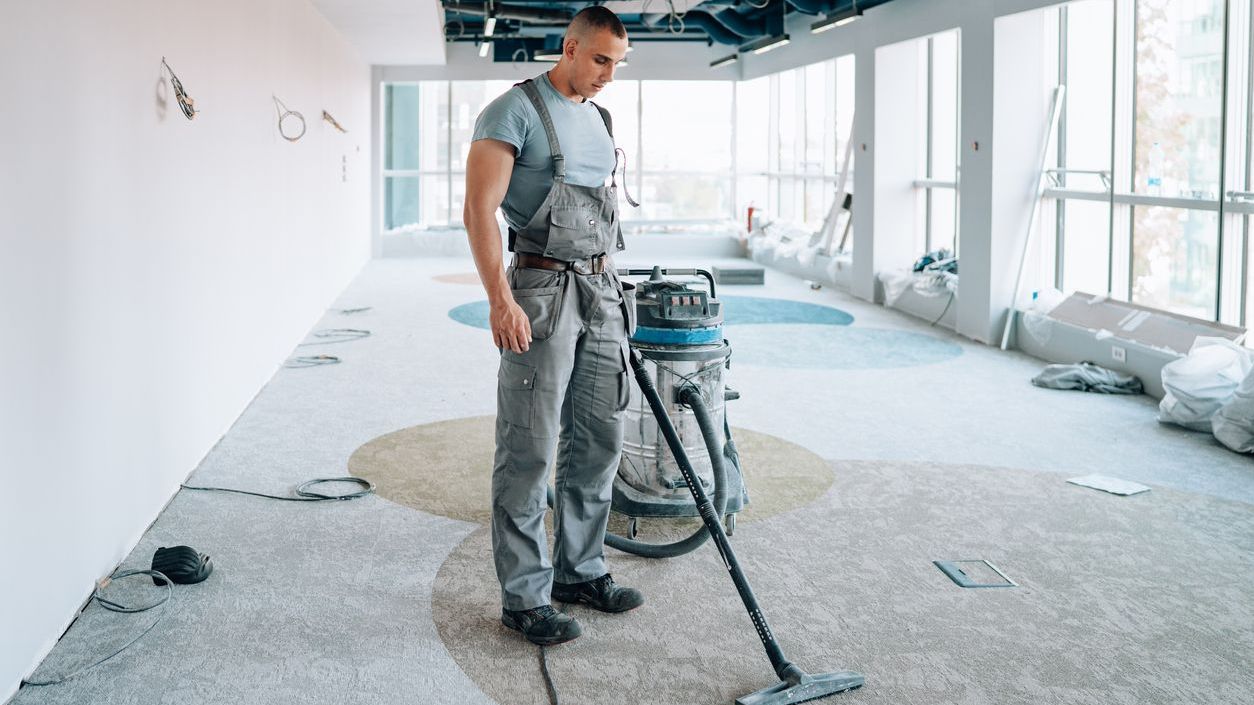
- Vacuum cleaner with strong suction for pre-cleaning and dry soil removal
- Carpet wand or cleaning tool for applying solution and extracting water
- Pre-spray and spot treatment chemicals for stains and high-traffic areas
- Defoamer to control foam buildup during extraction
- Hose and reel system if using a truck mount
- Air movers or fans to speed up drying time
- Protective gear including gloves, masks, and safety glasses
If you're on a tight budget, a portable unit is a great starting point. Machines from brands like Mytee, Prochem, and Bissell Big Green offer solid performance without the higher cost of a truck mount. Once your revenue grows, upgrading to a truck mount makes sense for higher volume jobs.
Don't forget the small stuff either. Spray bottles, measuring cups, and clean rags seem basic, but they make every job smoother.
Choose the Right Cleaning Products and Chemicals
The chemicals you use matter just as much as the equipment. The wrong product can damage carpets, leave residue, or even void a manufacturer's warranty. The right products make carpets look brand new and keep customers calling you back.
Look for solutions designed for hot water extraction. Most come concentrated, so a little goes a long way. You'll also want specialty spotters for things like pet stains, ink, coffee, and gum. These targeted products often save carpets that would otherwise need replacing.
If you want to stand out, consider offering green or eco-friendly cleaning options. Many homeowners today actively seek non-toxic solutions, especially in homes with kids or pets. Products with biodegradable ingredients and low VOCs are a smart addition to your lineup.
Always read the labels and follow dilution ratios carefully. Using too much chemical can leave carpets sticky and attract dirt faster, which leads to complaints and callbacks.
Handle Licensing, Permits, and Insurance
Nobody likes paperwork, but skipping this step is one of the fastest ways to get shut down. The exact requirements vary by state and city, so check with your local small business administration or chamber of commerce to confirm what's needed.
Most jurisdictions require a basic business license to operate legally. Some areas also require a specialized cleaning license, especially if you handle commercial contracts.
Insurance is non-negotiable. At a minimum, you need general liability insurance to cover accidental damage to a customer's property. If you ever hire employees, workers' compensation insurance becomes essential as well. Many commercial clients actually require proof of insurance before signing a contract, so having it ready opens bigger doors.
If you'll be using a vehicle for work, commercial auto insurance is also worth looking into. Your personal auto policy usually won't cover business use, and that gap can cost you dearly if something goes wrong.
Build a Strong Brand and Online Presence
Even the best cleaning work won't matter if nobody knows you exist. Building a brand takes time, but the basics don't have to cost a fortune.
Start with a business name that's easy to remember and tells people what you do. Once you have a name, register a domain and build a simple website. Your website doesn't need to be fancy. It just needs to show your services, pricing or quote options, contact info, and a few customer reviews.
Claim your Google Business Profile as soon as possible. This is what shows up when someone searches "carpet cleaning near me." Add photos of your work, your service area, and your hours. Encourage happy customers to leave reviews, since positive ratings are one of the biggest factors in getting new leads.
Social media also helps, even if it's just Facebook and Instagram. Before-and-after shots of stained carpets turn into scroll-stopping content that spreads quickly. Share them often.
Set Up Smart Pricing and Booking Systems
Pricing too low makes you look cheap and leaves you exhausted. Pricing too high makes it harder to win jobs when you're new. The trick is finding the sweet spot that reflects your quality while staying competitive.
A few pricing strategies work well in this industry:
- Charge per room with a minimum job size to cover your time
- Offer package deals for multiple services like carpet and upholstery
- Provide discounts for recurring customers or annual contracts
- Add surcharges for heavy staining, pet odors, or specialty fabrics
For booking, use scheduling software that handles appointments, sends reminders, and accepts online payments. Tools like Jobber, Housecall Pro, or ServiceTitan are popular in the cleaning world for a reason. They cut down on phone calls and make you look professional from the start.

Market Your Carpet Cleaning Business the Right Way
Once your foundation is in place, marketing is what fills your calendar. The good news is, carpet cleaning has high perceived value, so most leads respond well to the right message.
Here are some proven ways to get your first customers:
- Knock on doors in your target neighborhood with a flyer or door hanger
- Partner with real estate agents who need move-in and move-out cleanings
- Reach out to property managers and landlords with rental units
- Run Facebook and Google ads targeting your service area
- Offer referral bonuses to existing customers who send new business your way
- List your business in local directories and on Yelp
A mix of online and offline marketing usually works best. Don't put all your eggs in one basket. Track where every lead comes from so you can double down on what works and drop what doesn't.
Plan for Growth and Long-Term Success
Once the jobs start coming in, your focus shifts to keeping them. Customer service becomes the real engine behind growth. Show up on time. Communicate clearly. Do the work right. Follow up after the job. These small habits turn one-time customers into repeat clients.
As your business grows, consider adding services like upholstery cleaning, tile and grout cleaning, or pet odor removal. These complementary services boost the value of every job and keep your schedule full even when carpet cleaning slows down seasonally.
Hiring help is the next big leap. When demand exceeds what one person can handle, bringing on a part-time technician or subcontractor lets you take on more jobs without burning out. Just make sure they share your quality standards, since your name is on every job.
Finally, reinvest in your equipment and training. New tools, new chemicals, and updated techniques keep you competitive. The cleaning industry evolves, and staying sharp keeps you ahead.
Frequently Asked Questions
How much does it cost to start a carpet cleaning business?
Most people can get started for between $3,000 and $10,000, depending on equipment choices. A basic portable setup runs lower, while a full truck mount setup pushes the investment higher.
Do I need a license to start a carpet cleaning business?
In most areas, yes. A general business license is required, and some states require additional cleaning-specific certifications or permits.
Is carpet cleaning a profitable business?
Yes, it can be very profitable. Profit margins often range from 40% to 60% once you have steady work, especially with recurring commercial clients.
Should I buy a truck mount or portable machine first?
Start with a portable machine if you're budget-conscious. Upgrade to a truck mount once your revenue justifies the higher cost and faster cleaning power.
How do I get my first carpet cleaning customers?
Door-to-door marketing, online ads, and partnerships with real estate agents or property managers are the fastest ways to land your first jobs.
Wrapping It Up
Starting a carpet cleaning business comes down to the right mix of equipment, preparation, and persistence. Focus on quality work, treat customers well, and stay consistent with your marketing. The demand is there, and the opportunity is real. Take the first step today, build your plan, gather your gear, and start booking jobs. Your future self will look back and thank you for getting started.