What Is Steam Cleaning Oven: Complete 2026 Guide
Steam cleaning ovens use high-temperature water vapor to soften grease and food residue, making cleanup effortless without harsh chemicals.
If you've ever stared at a baked-on mess inside your oven and dreaded the scrubbing ahead, you're not alone. I've spent years testing and writing about kitchen appliances, and I've seen firsthand how steam cleaning has changed the way people handle one of the toughest cleaning jobs in the home. This guide pulls together everything I know, from how the technology actually works to whether it's the right fit for your cooking habits. Let's dig in.
How Steam Cleaning Ovens Work
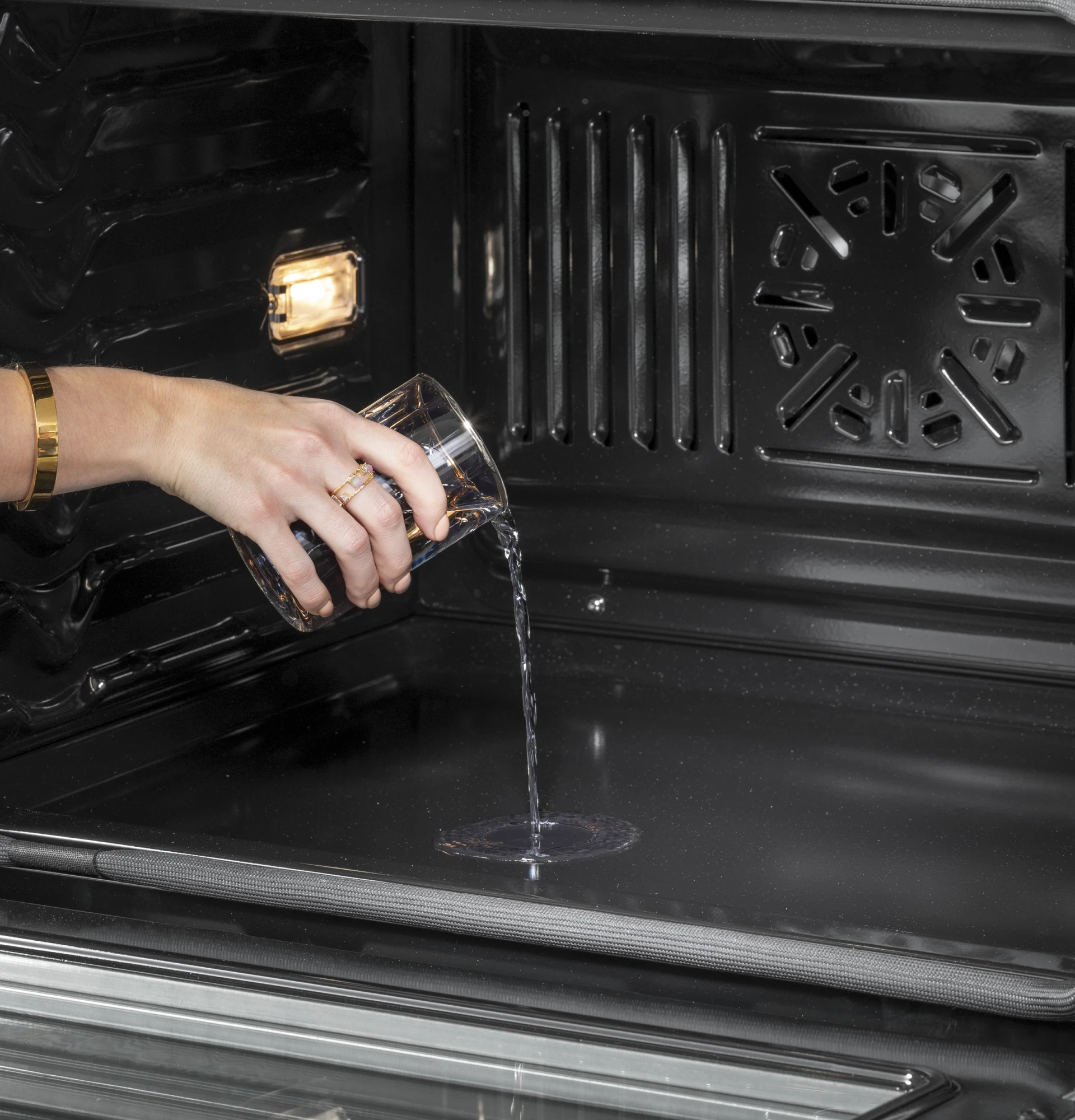
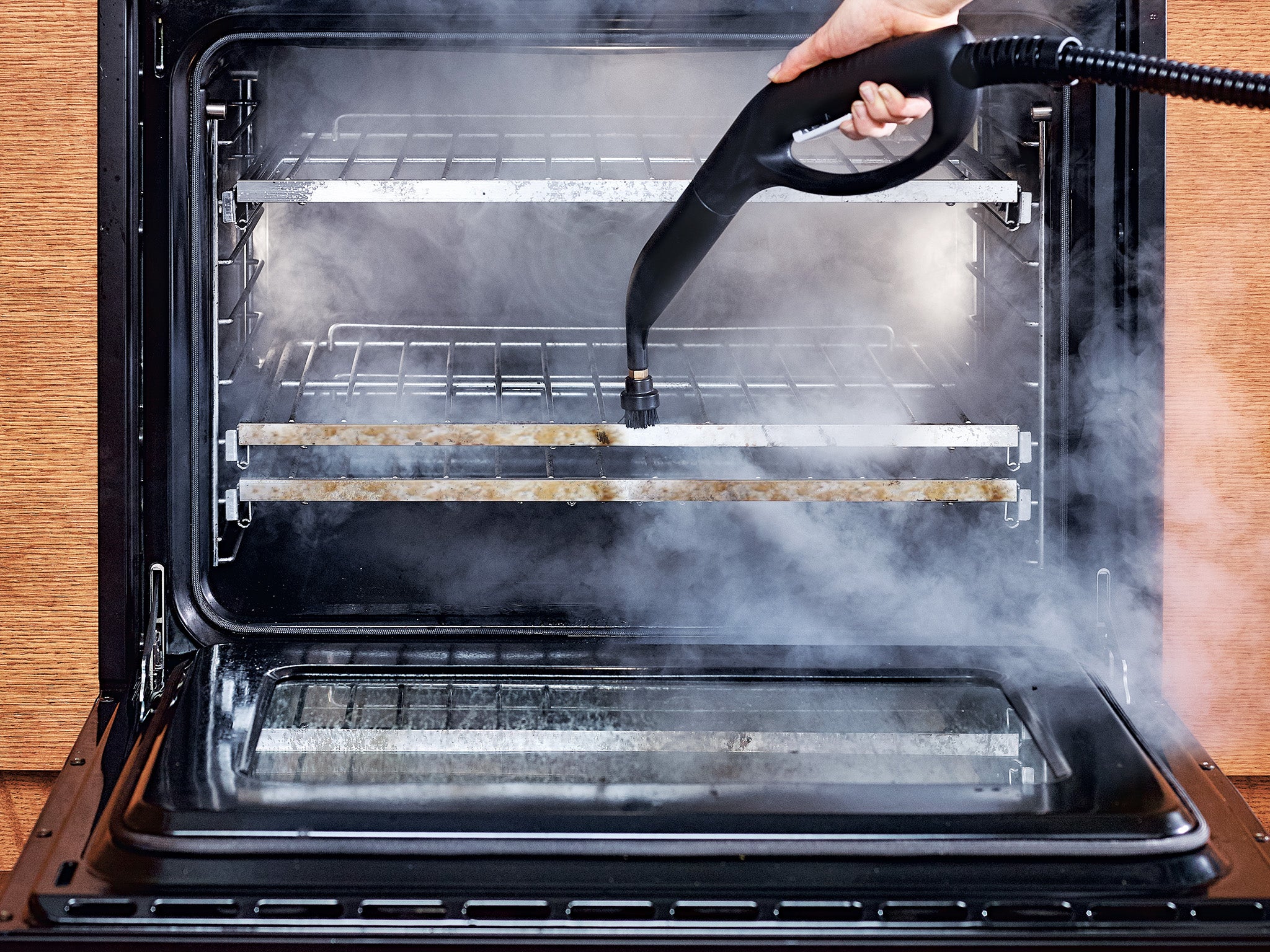
At its core, a steam cleaning oven heats water until it turns into vapor. That vapor fills the oven cavity, coats the interior surfaces, and then condenses back into water. The moisture loosens grease, sugar, and burnt-on food so you can wipe it away with a cloth. There's no need for a high-heat pyrolytic cycle or chemical sprays.
Most steam ovens have a small water reservoir, either built in or as a slide-out tray. You fill it with a cup or two of water, select the steam clean function, and wait. The oven heats to around 250°F to 300°F, much lower than self-cleaning ovens that reach 800°F or more. Because the temperature stays modest, the oven stays cool to the touch on the outside, which is a big plus if you have kids or pets around.
I tested this on a Sunday roast gone wrong. Cheese had melted onto the oven floor and hardened into a crust. After a 30-minute steam cycle, I wiped it clean with a damp microfiber cloth in under five minutes. No scraping, no fumes, no stress.
Steam Cleaning vs. Self-Cleaning Ovens
The two main cleaning methods you'll find in modern ovens are steam clean and pyrolytic self-clean. They work in very different ways, and knowing the difference helps you pick the right oven for your home.
Steam cleaning uses water vapor at low temperatures, takes about 20 to 40 minutes, and is gentle on the oven. It's best for light to moderate messes. Pyrolytic cleaning heats the oven to extreme temperatures, turning spills into ash that you wipe away. It takes 2 to 4 hours and uses a lot of energy, but it handles the toughest grime.
If you cook often and clean as you go, steam cleaning fits beautifully into a busy routine. If you cook big holiday meals and rarely wipe down the oven, pyrolytic might save you on those rare deep-clean days. Many newer ovens offer both, giving you flexibility based on what's actually in there.
Benefits of Steam Cleaning Ovens
Steam cleaning offers practical advantages that go beyond just "easier cleanup." After using steam ovens for years and recommending them to friends and family, these are the benefits that stand out.
Energy Efficiency
A steam cycle uses less power than a pyrolytic cycle because the oven never reaches extreme heat. You'll see a smaller bump in your utility bill, and the cycle finishes faster. For anyone trying to reduce household energy use, this is a meaningful win.
No Harsh Chemicals
The only cleaning agent is water. That means no chemical oven sprays, no fumes, and no residue left behind. This matters if you have asthma, chemical sensitivities, or simply want a cleaner kitchen environment. I love that I can run a steam clean while my kids are still in the kitchen, no need to open windows or leave the house.
Safe for Everyday Use
Steam cleaning is gentle enough to use weekly without wearing down the oven's interior. Pyrolytic cycles, by contrast, generate a lot of heat stress on enamel and seals. If you want to keep your oven in great shape for years, steam cleaning is the kinder option.
Quick and Convenient
Most cycles finish in under an hour, and the actual wiping takes only a few minutes. You can run a steam clean after dinner, wipe it down, and have the oven ready for tomorrow's breakfast. That kind of convenience changes your relationship with cooking messes.
Limitations to Keep in Mind
Steam cleaning isn't perfect. Being honest about its limits helps you decide if it's right for you and sets realistic expectations.
For one, steam cleaning works best on fresh or lightly baked-on messes. If you've let spills sit for weeks, you may need to repeat the cycle or do some manual scrubbing. The steam softens grime but doesn't incinerate it like pyrolytic cleaning does.
Another point: steam ovens need a water reservoir, which means occasional descaling if you have hard water. I learned this the hard way when mineral buildup started affecting steam output in my old rental unit. A quick vinegar rinse every few months keeps things flowing.
Finally, some older ovens marketed as "steam clean" only offer a low-temperature manual mode rather than a dedicated cycle. These still work but require more hands-on time. Always check the specs before buying.
Tips for Getting the Best Results
A few habits can make steam cleaning even more effective. From my own trial and error, here's what actually works.
Wipe up big spills before running the cycle. If a tray of sauce has pooled in the oven, scoop out the excess first. The steam will handle the stuck-on film, but it won't magically dissolve an inch of liquid.
Use distilled water if you live in a hard-water area. It prevents mineral deposits from clogging the steam system and keeps your oven working like new.
After the cycle ends, wipe while the oven is still warm but not hot. The grime comes off easiest at this point. A microfiber cloth works better than paper towels because it picks up grease without leaving lint.
Run a steam cycle monthly as preventive maintenance. Even if the oven looks clean, steam softens any invisible buildup and keeps odors at bay. Think of it like a spa day for your oven.
Common Misconceptions About Steam Cleaning
A few myths tend to float around ovens with steam features, and clearing them up helps you use the appliance with confidence.
One myth is that steam cleaning uses actual "steam" like a pressure cooker. It doesn't. The moisture is much gentler, just hot water vapor at near-atmospheric pressure. There's no risk of sudden bursts or scalding if you open the door after the cycle.
Another misconception is that steam ovens double as full-on steam cookers. Some models do offer true steam cooking for vegetables, fish, and bread, but many basic steam-clean ovens only use steam for cleaning. If you want to cook with steam, look for a dedicated steam oven or a combi-steam model.
Finally, some people worry about water leaking from the oven during a steam cycle. Modern designs seal the cavity tightly, so leaks are rare. Just make sure the reservoir is seated correctly and not overfilled.
:max_bytes(150000):strip_icc()/how-to-steam-clean-oven-6834336-04-abfac654aeda443db84132fbd247fba7.jpg)
Who Should Consider a Steam Cleaning Oven
Steam cleaning appeals to a wide range of home cooks, but certain households benefit most.
Busy families who cook daily will love the quick cleanup. Anyone with allergies or sensitivities will appreciate the chemical-free approach. Renters who can't install high-heat pyrolytic ovens in older buildings often find steam models approved for their spaces. And if you're outfitting a kitchen with energy-efficient appliances, steam ovens align nicely with that goal.
On the other hand, if you rarely cook or only use the oven for reheating, you may not need a steam feature at all. A simple wipe-down with a damp cloth will probably suffice.
How to Choose the Right Steam Cleaning Oven
When shopping, look beyond the steam label and consider a few practical details.
Check the water reservoir size and how easy it is to fill. Slide-out trays are more convenient than tiny built-in slots. Look for cycles that let you adjust steam intensity or duration. And pay attention to whether the steam function is a true cycle or just a setting that helps with manual wiping.
Also consider the oven's overall cooking performance. Steam cleaning is great, but the oven still needs to bake and roast well. Read reviews, test the controls in a showroom if possible, and make sure the size fits your cooking needs.
Caring for Your Steam Cleaning Oven Long-Term
A little care keeps your steam oven working beautifully for years. Empty the reservoir after each use to prevent mold or mildew. Wipe the door seals gently with a soft cloth to remove any moisture. And run a descaling cycle with vinegar or a manufacturer-approved cleaner every few months, especially if you notice longer steam times or weaker output.
I also recommend keeping the oven's interior dry when not in use. After a steam cycle, leave the door cracked for a few minutes to let any remaining moisture evaporate. This prevents musty smells and keeps the enamel in top shape.
Frequently Asked Questions
Is steam cleaning better than self-cleaning?
Steam cleaning is gentler, faster, and more energy-efficient, making it better for regular maintenance and light messes. Self-cleaning handles tougher, older grime but uses more heat and time. The best choice depends on how often you clean and how dirty your oven gets.
Can you use steam cleaning on any oven?
No. Steam cleaning is a specific feature found in many modern ovens. Older ovens or basic models without a dedicated steam cycle can't produce the consistent moisture needed for effective steam cleaning.
How often should I steam clean my oven?
Once a month works well for most households. If you cook heavily or notice spills, run a cycle as needed. Because steam cleaning is gentle, you can safely use it weekly without damaging the oven.
Does steam cleaning remove burnt-on food?
Steam cleaning softens burnt-on food so it's easier to wipe away. For very old, thick, or carbonized spills, you may need to repeat the cycle or do some gentle scrubbing. It works best on fresh or recent messes.
Is steam cleaning safe for the oven's interior?
Yes. Steam cleaning uses low heat and water, so it doesn't stress enamel, seals, or heating elements the way high-heat cleaning can. It's designed for regular use without wearing down the oven.
Conclusion
Steam cleaning ovens bring a smarter, gentler approach to one of the least favorite kitchen chores. By using simple water vapor, they loosen grime, cut down on chemicals, and fit neatly into busy routines. While they aren't a magic fix for weeks-old burnt spills, they shine at keeping an oven clean with minimal effort. If you value convenience, energy savings, and a healthier kitchen, a steam cleaning oven is absolutely worth considering. Try it on your next spill and see how much easier cleanup becomes. For more appliance tips and honest reviews, feel free to explore my other guides or drop a comment with your own cleaning questions.