What Cleans Car Windows The Best: 2026 Pro Tips
The best car window cleaner is a simple mix of white vinegar and water, paired with a microfiber cloth for a streak-free shine. Honestly, nothing fancy is needed. After years of testing everything from commercial sprays to homemade solutions, that combo wins every time.
You know that feeling when you're driving into the sun and your windows look like a Jackson Pollock painting? Smudges, streaks, mystery water spots. It's maddening. And most people just grab whatever's under the sink, spray it on, and end up with a mess that's even worse. I've been there. Spent way too much money on products that promised the world and delivered nothing but frustration.
But here's the thing. Crystal clear windows aren't about buying the most expensive cleaner. They're about understanding what actually works on glass, what damages it, and the simple technique that makes all the difference. In this guide, I'm walking you through everything I've learned from detailing cars professionally and maintaining my own vehicles. By the end, you'll know exactly what cleans car windows the best and how to get that perfect, streak-free finish every single time.
Understanding What Makes Car Windows Different
Before we dive into cleaners, let's talk about why car windows are special. They face a unique set of challenges that your living room windows don't.
Your car windows deal with road grime, bug splatter, tree sap, hard water spots, exhaust residue, and UV damage all at once. The glass is also often tilted at angles that make streaks super obvious, especially when sunlight hits them just right. And if you have tinted windows, you've got even more reason to be careful about what you use.
Another thing many people miss. Modern car windows often have a slight coating or treatment that helps water bead off. Using the wrong cleaner can strip this away over time, making your windows harder to see through in the rain. That's why understanding the actual composition of your cleaner matters so much.
The Best Commercial Car Window Cleaners Worth Your Money
Let's start with what you can grab off the shelf. Not all commercial cleaners are created equal, but a few really stand out from the pack.
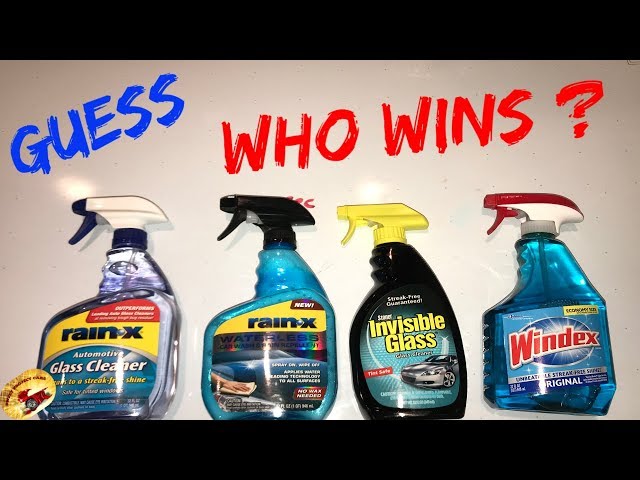
Invisible Glass Premium Glass Cleaner This is my go-to recommendation for most people. It comes in a foam formula that clings to the glass instead of dripping everywhere. The ammonia-free formula is safe for tinted windows, and it leaves zero residue when you use it right. I've used this on everything from daily drivers to classic cars, and it never disappoints.
Stoner Invisible Glass Another fantastic option that works almost identically to the one above. The spray pattern is ultra-fine, which helps prevent that runny mess you get with cheaper sprays. It evaporates quickly and leaves a brilliant shine.
Meguiar's Perfect Clarity Glass Cleaner If you want something from a brand with serious detailing pedigree, this is your pick. It tackles grease, fingerprints, and road film without any streaking. A little goes a long way, so the bottle lasts quite a while.
Chemical Guys Streak Free Glass Cleaner This one has a cult following in the detailing community for good reason. It's designed specifically for automotive glass and cuts through the toughest grime. The only catch is that it's a bit pricier than the others.
Rain-X 2-in-1 Glass Cleaner and Rain Repellent This pulls double duty. It cleans your windows and leaves behind a hydrophobic coating that makes water bead up and roll right off. Perfect if you drive in rainy conditions a lot.
Why Homemade Solutions Often Work Better Than Store-Bought
Here's something the cleaning product companies don't want you to know. The best window cleaner is probably sitting in your kitchen right now.
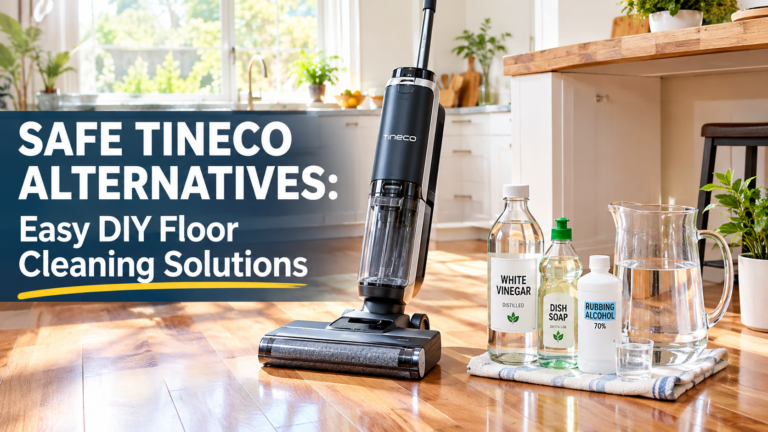
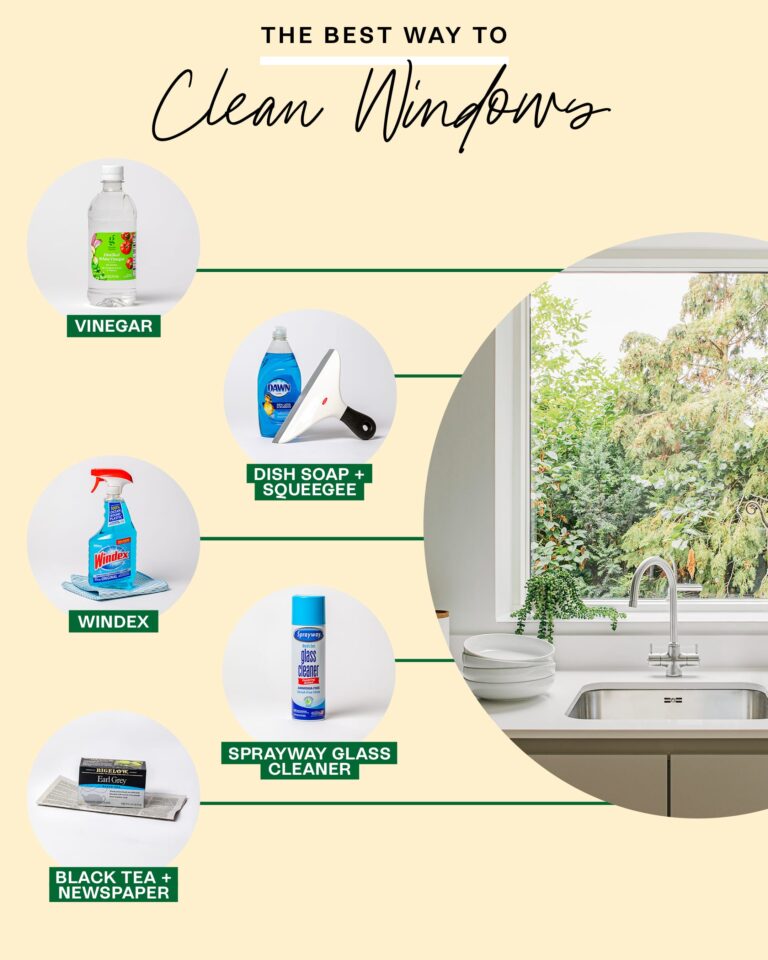
The Vinegar and Water Method Mix one part white distilled vinegar with one part distilled water in a spray bottle. That's it. This solution is incredibly effective at cutting through grease, grime, and water spots. The acidity of the vinegar breaks down mineral deposits and road film without leaving any residue behind.
I've been using this method for over a decade, and it consistently outperforms commercial cleaners. The key is using distilled water instead of tap water. Tap water contains minerals that can leave spots, which defeats the whole purpose.
The Rubbing Alcohol Boost For really stubborn jobs, add a tablespoon of rubbing alcohol to your vinegar and water mix. The alcohol helps the solution evaporate faster and adds extra cleaning power for greasy fingerprints and oily residues. This is my secret weapon for windows that haven't been cleaned in months.
The Dish Soap Trick If you're dealing with heavy road film or construction dust, add a single drop of mild dish soap to your vinegar solution. Don't go overboard here. Too much soap will create streaks and make rinsing a nightmare. Just one drop is enough to help lift stubborn particles.

The Tools That Make All the Difference
Your cleaner is only half the battle. The tools you use matter just as much, maybe more.
Microfiber Cloths Are Non-Negotiable Paper towels and old t-shirts are the enemy of clean windows. They leave lint, push dirt around, and create streaks. A good quality microfiber cloth is the single most important tool in your window cleaning kit. Get at least two. One for the initial wipe and one for the final buff.
Look for cloths with a tight weave and no sewn edges. The edges on cheaper microfiber can scratch your glass over time. I keep a stack of dedicated glass microfiber cloths that I never use on anything else. This prevents cross-contamination from wax, polish, or other detailing products.
The Magic of the Waffle Weave If you want to level up your game, try waffle weave microfiber towels. They have a textured pattern that grabs dust and liquid better than smooth microfiber. They also tend to leave even less streaking.
Glass Squeegees Work Too Professional window cleaners swear by squeegees, and they work great on car windows too. Just make sure you get one with a soft, clean rubber blade. Run it in straight lines from top to bottom, wiping the blade after each pass.
Newspaper, Believe It or Not Old-school window cleaners used newspaper for a reason. The ink acts as a mild abrasive, and the paper absorbs liquid without leaving lint. If you've got some black and white newspaper lying around, give it a try. Just avoid colored inserts, as the dyes can transfer to your glass.
Step-by-Step Guide to Cleaning Car Windows Like a Pro
Now let's put it all together. Here's the exact process I use every time.
Step 1: Clean in the Shade Never clean your windows in direct sunlight. The heat causes the cleaner to evaporate too quickly, which leads to streaks. Park in a garage, under a tree, or wait for an overcast day. Temperature matters too. Aim for a cool surface, ideally between 50 and 80 degrees Fahrenheit.
Step 2: Pre-Clean the Surface Before you spray anything, wipe down the windows with a dry microfiber cloth to remove loose dust and debris. Skipping this step is a recipe for scratches. When you wipe dust around with a wet cleaner, you're basically creating sandpaper on your glass.
Step 3: Apply Your Cleaner Lightly mist the window with your chosen cleaner. You want the glass damp, not soaking. Over-wetting leads to drips down the door panels and into the interior, especially on door windows. Hold the bottle about six to eight inches away for an even coat.
Step 4: Wipe in Straight Lines Fold your microfiber cloth into quarters so you have multiple clean surfaces to work with. Wipe horizontally first, then vertically for the final pass. This crisscross technique makes it easy to spot any streaks you might have missed. Some people prefer circular motions, but straight lines work better for catching missed spots.
Step 5: Buff to a Shine Grab your second, clean microfiber cloth and buff the entire surface. This final pass removes any lingering residue and brings out that crystal clear sparkle. Don't skip this. It's the difference between good and great results.
Step 6: Don't Forget the Inside Interior windows collect a film from off-gassing plastics, cigarette smoke, and just plain old dust. Clean them using the same method, but be careful with overspray on your dashboard. The interior windshield is especially prone to glare from this buildup, so give it extra attention.
Step 7: Address the Edges Wipe along the edges of the glass where it meets the rubber seals. Cleaners and water can get trapped here and cause problems over time. A cotton swab dipped in cleaner works great for these tight spots.
Common Mistakes That Ruin Your Window Cleaning Results
I've made all of these mistakes at some point. Save yourself the frustration and learn from my errors.
Using Too Much Cleaner More is not better. Excess cleaner just drips and creates more mess. A light mist is all you need.
Cleaning Dirty Windows in the Sun I know I mentioned this, but it bears repeating. The sun is your enemy when cleaning glass. The solution dries before you can wipe it properly, leaving streaks everywhere.
Ignoring the Windshield Wipers Your wiper blades can harbor dirt and grime that transfers right back onto your clean windows. Wipe them down with a damp cloth while you're at it. If they're old and streaking, consider replacing them. Fresh blades make a surprising difference.
Reusing Dirty Microfiber Once a microfiber cloth gets saturated with grime, it stops cleaning and starts smearing. Switch to a clean section frequently, and wash your cloths separately from other laundry. Fabric softener is a big no-no. It leaves a coating that ruins the cloth's absorbency.
Forgetting the Rear Window It's easy to focus on the windshield and front side windows. Don't forget the back glass. It collects the same amount of grime and can be a real safety hazard when visibility matters.

Special Considerations for Tinted Windows
If your car has tinted windows, you need to be extra careful. The wrong cleaner can damage the tint, causing it to bubble, peel, or discolor.
Always Choose Ammonia-Free Cleaners Ammonia breaks down window tint over time. Check the label carefully, even on products marketed as glass cleaners. Invisible Glass and the vinegar solution are both safe for tint.
Avoid Abrasive Materials Stick to soft microfiber cloths. Scrubbing pads and rough towels can scratch the tint film.
Be Gentle with the Film Don't press too hard when wiping. The tint film is bonded to the glass and can delaminate with aggressive scrubbing. Let the cleaner do the work.
Watch for Edge Lifting If you notice the tint starting to peel at the edges, stop using any cleaner on that area and consider getting it professionally repaired.
Natural and Eco-Friendly Cleaning Options
If you're concerned about the environment or sensitive to chemical smells, there are great green options that work beautifully.
Distilled Water and Vinegar This is the ultimate eco-friendly solution. Both ingredients are biodegradable, non-toxic, and safe around kids and pets. The only downside is the vinegar smell, which dissipates quickly as it dries.
Castile Soap A few drops of plant-based castile soap in distilled water makes an effective cleaner for moderately dirty windows. It's gentle, biodegradable, and has a pleasant scent if you go for a scented version.
Lemon Juice Lemon juice contains natural acids that cut through grime. Mix two tablespoons with a cup of water for a fresh-smelling cleaner. It works surprisingly well on fingerprints and light film.
Tea Bags This one sounds weird, but cold black tea in a spray bottle works as a glass cleaner. The tannins help cut grease and leave a streak-free shine. It's a traditional method that's been around for generations.
How Often Should You Clean Your Car Windows?
The answer depends on your driving conditions, but here's a good general guideline.
Clean the exterior of your windows every two weeks if you drive regularly. If you park outside, live near the ocean, or deal with lots of bugs and pollen, weekly cleaning is better. Interior windows can go longer, but aim for once a month to prevent that hazy film from building up.
Touch up your windshield as needed between full cleanings. Bird droppings, bug splatter, and tree sap should come off quickly. The longer they sit, the harder they are to remove and the more likely they are to etch the glass.
Seasonal deep cleaning is also a smart move. In spring, remove the salt and grime from winter roads. In fall, clear away pollen and sap before winter sets in. These deep cleans protect your glass and make regular maintenance easier.
Dealing with Stubborn Stains and Buildup
Sometimes regular cleaning isn't enough. Here's how to tackle the tough stuff.
Hard Water Spots These mineral deposits bond to glass and don't come off with normal cleaning. Use a solution of equal parts vinegar and water, let it sit for a few minutes, then scrub gently with a microfiber cloth. For really stubborn spots, a dedicated water spot remover like CarPro Spotless works wonders.
Bug Remains and Tree Sap These acidic substances can etch glass if left too long. Soak the area with your vinegar solution for a minute before wiping. For dried sap, rubbing alcohol on a cloth breaks it down without scratching.
Road Tar and Grease These oily substances need something stronger. A small amount of mineral spirits or a dedicated tar remover on a microfiber cloth will cut through them. Just be careful not to get it on your paint or trim.
Interior Haze from Smoking This is tough. The film that builds up from cigarette smoke bonds to the glass and creates a permanent-looking haze. Multiple cleanings with a strong vinegar solution or a dedicated smoke film remover are usually necessary. Magic erasers can help in extreme cases, but use them very gently to avoid scratching.
Wiper Blade Streaks Old wiper blades leave rubber deposits on the windshield. Clean these off with a clay bar or a dedicated rubber remover. If the streaks persist, it's time for new blades.

The Best Cleaners by Specific Situation
Different situations call for different approaches. Here's my quick reference guide.
For everyday cleaning on a budget: Vinegar and water with microfiber cloths. Total cost is pennies per cleaning.
For tinted windows: Invisible Glass Premium or Windex Ammonia-Free. Both are safe and effective.
For maximum shine: Invisible Glass Premium or Meguiar's Perfect Clarity. They have optical clarity additives that enhance the glass's sparkle.
For rain protection: Rain-X 2-in-1 or Aquapel Glass Treatment. These create a hydrophobic surface that improves visibility in wet weather.
For heavily soiled windows: Chemical Guys Streak Free or a vinegar solution with a rubbing alcohol boost. These have the extra cleaning power needed for neglected glass.
For environmentally conscious cleaning: Distilled water, white vinegar, and castile soap. All biodegradable and non-toxic.
For professional results: Stoner Invisible Glass followed by a buff with a waffle weave microfiber. This is what the pros use.
Maintaining Your Clean Windows Longer
Once you've put in the work, you want to keep that shine as long as possible.
Apply a Glass Sealant Products like Rain-X, Aquapel, or Gtechniq G1 create a hydrophobic barrier that repels water, dirt, and grime. Apply after cleaning and reapply every few months. Water beads up and rolls off, taking dirt with it.
Keep a Quick Detailer Handy A spray bottle of quick detailer and a microfiber cloth in your trunk lets you handle bird droppings and bugs before they have a chance to bake on.
Park Smart When possible, park in a garage or under cover. Less exposure to the elements means less frequent cleaning.
Replace Wiper Blades Regularly Old blades are the number one cause of windshield streaks. Replace them every six to twelve months, or whenever you notice skipping or streaking.
Address Contaminants Quickly Don't let bird droppings, tree sap, or bug splatter sit on your glass. The acids etch the surface over time, creating permanent marks that require professional polishing to remove.
Professional Products Worth the Investment
If you want to take your window cleaning to the next level, a few professional-grade products are worth the extra cost.
Carpro Eraser This is an oil and residue remover that detailers use before applying ceramic coatings. It leaves glass absolutely pristine and is great for that final wipe down before sealing.
Gtechniq G4 Nanotech Glass Polish For glass with light scratches and hazing, this polish removes imperfections and restores clarity. It takes some elbow grease but the results are impressive.
Detailing Clay Automotive clay removes bonded contaminants that washing alone can't touch. After claying your glass, it will feel smoother than you ever thought possible. Follow up with a glass sealant for maximum effect.
Ceramic Glass Coatings If you want the ultimate in long-term protection, consider a ceramic coating designed for glass. Products like Gtechniq G1 or Carpro Gliss last up to two years and create an incredibly slick, hydrophobic surface.
Common Myths About Cleaning Car Windows
Let's bust a few myths that lead people astray.
Myth: Windex is the Best Glass Cleaner Windex works fine for home windows but contains ammonia that can damage car window tint and rubber seals. There are better options for automotive use.
Myth: You Need Hot Water for Best Results Hot water actually causes cleaners to evaporate too fast, leading to more streaks. Room temperature or cool water works best.
Myth: Paper Towels are Fine for Glass They leave lint and can scratch over time. Microfiber is far superior for both cleaning and polishing glass.
Myth: Cleaning Windows in the Rain is Pointless Actually, rain can actually help rinse away loose dirt. Just be prepared to do a final buff once you're under cover again.
Myth: More Pressure Means Cleaner Windows Pressing harder just pushes dirt around and risks damaging seals and tint. Let the cleaner do the work and use gentle, even pressure.
Frequently Asked Questions
What is the best homemade solution for cleaning car windows? A mixture of equal parts white distilled vinegar and distilled water is the most effective homemade car window cleaner. It cuts through grease, grime, and mineral deposits without leaving streaks. For tougher jobs, add a tablespoon of rubbing alcohol to boost cleaning power and speed up drying.
Can you use Windex on car windows? Windex is not recommended for car windows, especially tinted ones, because it contains ammonia that can damage window film, rubber seals, and some interior surfaces over time. Ammonia-free glass cleaners like Invisible Glass are safer and equally effective alternatives for automotive use.
What do professional detailers use to clean car windows? Professional detailers typically use dedicated automotive glass cleaners like Stoner Invisible Glass or Chemical Guys Streak Free, paired with waffle weave microfiber towels. For the best results, they often follow up with a glass sealant to repel water and contaminants long after cleaning.
How do you get streak-free car windows every time? To get streak-free car windows, clean in the shade using a quality glass cleaner and two microfiber cloths. Wipe in one direction first, then the other, and finish with a dry buff. Using distilled water in homemade solutions and avoiding ammonia-based products also helps prevent streaking.
Is it safe to use vinegar on tinted car windows? Yes, white vinegar is completely safe on tinted windows when properly diluted with water. Vinegar is non-abrasive and ammonia-free, making it ideal for tinted glass. Just avoid using undiluted vinegar and never use abrasive materials that could scratch the tint film.
How often should you clean the inside of your windshield? You should clean the inside of your windshield at least once a month to prevent the hazy film that causes dangerous glare, especially at night. If you smoke in your car or live in a polluted area, clean it every two weeks for optimal visibility and safety.
Conclusion
Crystal clear car windows aren't about spending a fortune on fancy products. They're about using the right combination of cleaner, technique, and tools. The simple vinegar and water solution paired with quality microfiber cloths will outperform most commercial cleaners and cost you almost nothing. When you want convenience, reach for Invisible Glass or Stoner. For tinted windows, always go ammonia-free. And remember, the secret to streak-free results is cleaning in the shade, using the right amount of product, and finishing with a clean buff.
Your windows are your connection to the road. Keeping them clean isn't just about looks. It's about safety, visibility, and pride in your ride. So grab your spray bottle, fold up that microfiber, and give your car the clean it deserves. Once you experience that perfect, streak-free shine, you'll never go back to grabbing whatever's under the sink again.