What Cars Have Headlight Cleaning Function: 2026 Best Models
Many modern vehicles, especially luxury and premium models from brands like BMW, Audi, Mercedes-Benz, Volvo, and Lexus, come with built-in headlight cleaning systems.
If you've ever wondered why some cars spray water right onto their headlights or have tiny wipers hidden in the housing, you're not alone. These small features are actually a real safety upgrade, not just a fancy extra. I've spent years around cars, testing different models and digging into the details of how these systems work. Let me walk you through everything you need to know about which cars have headlight cleaning functions, how they work, and why they matter more than most people think.

What Is a Headlight Cleaning System and How Does It Work
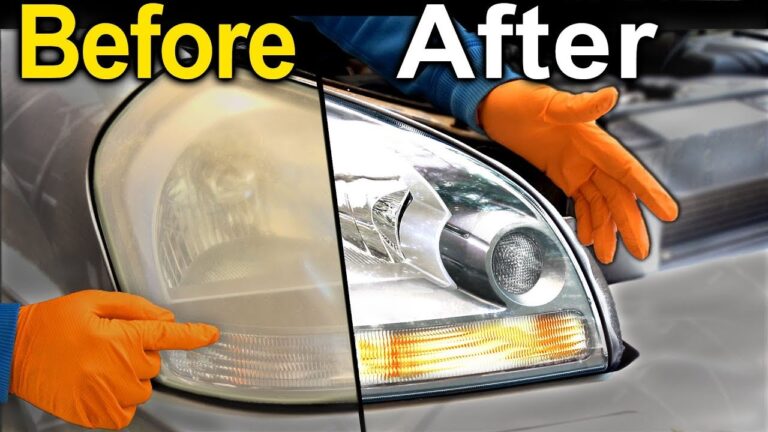
A headlight cleaning system is a feature designed to keep your headlamp lenses clean and clear. It does this by spraying fluid or using small wipers to remove dirt, mud, salt, bugs, and road grime that builds up during driving. Clean headlights aren't just about looks. They're a real safety matter because dirty lenses can cut your visibility by up to 50 percent or more.
There are two main types of headlight cleaning systems:
Fluid-Based Cleaning System
This is the most common type. It uses high-pressure water or cleaning fluid sprayed directly onto the lens. Some systems extend a small nozzle from the headlight housing when activated, then retract it once done.
Wiper-Based Cleaning System
Less common but still used, this type features tiny wipers that physically wipe the lens clean. You usually see these on older or specific European models.
Most modern systems activate automatically when you use your windshield washer. The fluid sprays on the windshield, then a second pump sends fluid to the headlights. Some systems also activate when you turn on your headlights if the sensors detect grime.
Which Cars Come With Headlight Cleaning Function
Here's a breakdown of popular car brands and models that often include headlight cleaning systems, either as standard or optional features.
Luxury Brands Known for This Feature
BMW
Most BMW models, especially the 3 Series, 5 Series, 7 Series, X5, and X7, come with the headlight cleaning system as standard. BMW calls it the "Headlight Washer System" and it's part of their premium package.
Audi
Audi includes headlight cleaning on most A4, A6, A8, Q5, Q7, and Q8 models. On higher trims, it's built into the adaptive lighting package.
Mercedes-Benz
Look for the "Headlamp Cleaning System" on C-Class, E-Class, S-Class, GLC, GLE, and GLS models. It's standard on most trims above the base level.
Volvo
Volvo offers this feature on the S60, S90, XC60, XC90, and XC40. It's often bundled with the premium or inscription trim packages.
Lexus
Most Lexus models like the RX, NX, ES, and LX include headlight cleaning, especially when equipped with LED or adaptive headlights.
Mainstream and Mid-Range Brands
Volkswagen
VW includes headlight cleaning on the Golf, Passat, Tiguan, and Atlas, but usually only on higher trims or as part of a package.
Subaru
The Outback, Forester, and Ascent often include this feature on touring or premium trims.
Toyota
The Highlander, 4Runner, and Land Cruiser sometimes include headlight cleaning, though it's not as common across the lineup.
Ford
Some Explorer, Expedition, and F-150 models come with this feature, especially in the Limited or Platinum trims.
Mazda
The CX-5, CX-9, and Mazda6 have included headlight cleaning on higher trims in recent years.
Electric and Hybrid Vehicles
Tesla
Tesla vehicles do not include traditional headlight cleaning systems. Instead, they rely on aerodynamic design and hydrophobic coatings to keep lenses clean.
Rivian
The R1T and R1S do not include headlight washing systems as of the latest models.
Lucid Air
This luxury EV does not feature a headlight cleaning system.
Electric vehicles tend to skip this feature because of cost, weight savings, and the assumption that LED lights stay cleaner due to less heat output.
Why Do Some Cars Have It and Others Don't
There are a few reasons why this feature shows up on some models and not others:
Regulations in Europe
The European Union actually requires headlight cleaning systems on cars with LED or xenon headlights because these lights produce less heat. Less heat means natural evaporation of dirt is reduced, making cleaning systems more necessary.
Cost Savings
Adding a fluid reservoir, pump, and nozzles costs money. Budget cars often skip this feature to keep the price down.
Weight Reduction
Every extra component adds weight. Manufacturers aiming for better fuel economy sometimes leave it out.
Aerodynamics
Some newer cars use specially designed headlight covers or coatings that reduce dirt buildup, making a cleaning system less essential.

Benefits of Having a Headlight Cleaning System
Owning a car with this feature comes with real, practical advantages.
Better Night Visibility
Clean lenses let more light through. This means you can see farther, spot hazards earlier, and drive more safely at night.
Longer Headlight Life
Dirt and grime can cause hotspots and uneven wear on headlamp bulbs. Keeping them clean reduces strain on the components.
Improved Aesthetics
Nobody likes looking at a car with foggy, dirty headlights. Cleaning systems help maintain that fresh, new look.
Higher Resale Value
Cars with premium maintenance features often hold their value better because buyers recognize the added benefit.
Safer in Bad Weather
Rain, snow, slush, and mud can quickly cover your lenses. A quick spray restores visibility in seconds.
Common Issues and Maintenance Tips
Even the best headlight cleaning systems need a little care. Here are a few things to keep in mind.
Nozzle Clogs
The small spray nozzles can get clogged with dirt or frozen in cold weather. Cleaning them with a pin or warm water usually does the trick.
Low Washer Fluid
Since the system pulls from the same reservoir as your windshield, keep that fluid topped off. Use winter fluid in cold months to prevent freezing.
Wiper Damage
On wiper-based systems, the tiny blades can wear out or get stuck. Check them during regular car washes.
Leaks
Sometimes the seals around the nozzles wear out. If you notice fluid leaking behind the headlight housing, it's time for a quick repair.
Personal Tip
I once drove a BMW through a muddy backroad trip without using the headlight washers. The next evening, I couldn't believe how much light I had lost. After one spray cycle, the difference was night and day, literally. Now I never ignore that little feature.
How to Tell If a Car Has This Feature
Not sure if your car has a headlight cleaning system? Here are easy ways to check.
Check the Owner's Manual
Look under "Lights" or "Cleaning Systems."
Look for Small Nozzles
Open the hood and inspect the headlight area. You'll see small nozzles or wiper arms if equipped.
Try the Washer Fluid
Spray your windshield washer. If the headlights also spray, you have a system.
Look at the Window Sticker
If you're shopping, the original window sticker or build sheet often lists it under optional or standard features.
Are Aftermarket Headlight Cleaning Systems Worth It
If your car didn't come with this feature, you might be wondering if you can add one. The short answer is yes, but with some caveats.
Pros
You can buy universal kits that include nozzles, hoses, and pumps. They're relatively affordable and can be installed with basic tools.
Cons
Installation can be tricky. You need to drill small holes in the bumper or housing, route hoses, and wire a switch. If done poorly, you could damage your headlights or create leaks.
My Recommendation
Unless you're comfortable with DIY car mods, it's better to choose a car that already has this feature from the factory. The integration is cleaner and more reliable.

Frequently Asked Questions
Do all luxury cars have headlight cleaning systems?
Most luxury brands include headlight cleaning as standard or optional, but not every model has it. It depends on the trim and market. European models are more likely to have it because of regulations.
Can I install a headlight cleaning system on any car?
Yes, aftermarket kits are available for most vehicles. However, installation requires drilling, wiring, and proper sealing. It's best left to professionals unless you have experience.
Why don't electric cars have headlight cleaning systems?
Most EVs skip this feature to save weight, reduce cost, and rely on aerodynamic designs and coatings instead. Tesla, Rivian, and Lucid do not include them.
How often should I use my headlight cleaning system?
Use it whenever your headlights look dirty or after driving through muddy, dusty, or snowy conditions. There's no harm in using it regularly as long as you have washer fluid.
Is headlight cleaning worth the extra cost?
If you often drive at night or in harsh weather, it's a valuable safety feature. For city drivers in mild climates, it may not feel as essential.
Wrapping Up the Road Ahead
Headlight cleaning systems might seem like a luxury extra, but they're one of those quiet features that make a real difference once you experience them. From improved night visibility to better safety in bad weather, this small upgrade punches above its weight. Whether you're shopping for a new luxury sedan, a reliable SUV, or just curious about your current ride, knowing which cars have this function helps you make a smarter choice. Keep your lenses clean, your fluids topped off, and your eyes on the road. Ready to dig deeper into car features that actually matter? Explore more guides, share your own experiences, or drop a comment below with the questions you want answered next.