What Solution To Use In An Ultrasonic Cleaner: 2026 Guide
Choose a mild alkaline detergent or specialized ultrasonic cleaning solution matched to your item's material and soil type for safe, effective ultrasonic cleaning. If you want sparkling clean items without damaging delicate parts, knowing what solution to use in an ultrasonic cleaner is the real game changer. I've spent years working with ultrasonic baths in jewelry workshops, automotive shops, and even home garages, and I've learned that the liquid you pour into that tank matters just as much as the machine itself. Stick with me, and I'll walk you through everything you need to know to get pro-level results every single time.

Understanding How Ultrasonic Cleaners Work
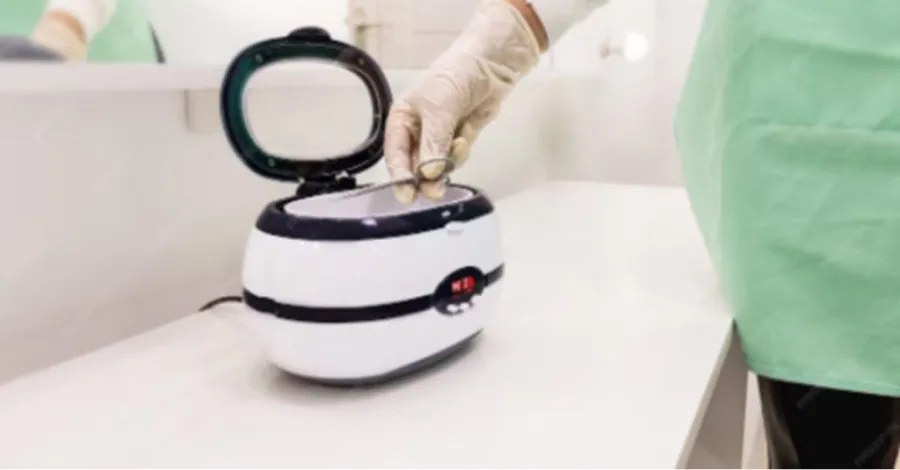
Before we talk about solutions, it helps to know what the machine is doing. Ultrasonic cleaners use high-frequency sound waves, usually between 20 and 80 kHz, to create microscopic bubbles in a liquid. This process is called cavitation. When those bubbles collapse, they release tiny bursts of energy that lift dirt, grease, oil, and grime off surfaces, even in tight crevices your cloth can't reach.
The solution you choose boosts this effect. Water alone works, but it's far less effective. A proper cleaning liquid reduces surface tension, helps dislodge contaminants, and keeps soils suspended so they don't redeposit on your items. Think of it like dish soap versus plain water. Both clean, but one does the heavy lifting while the other just gets by.
What Solution to Use in an Ultrasonic Cleaner: The Core Options
There's no single magic potion. The right choice depends on what you're cleaning and what kind of dirt you're dealing with. Here's a breakdown of the most common and reliable options.
Dedicated Ultrasonic Cleaning Solutions
These are commercial blends made specifically for ultrasonic tanks. They usually contain surfactants, wetting agents, and sometimes rust inhibitors. Brands like Branson, Elma, and L&R make excellent products for general use, while others target specific industries.
- Pros: Engineered for cavitation, safe on metals, consistent results
- Cons: Cost more than DIY options, may require ordering online
I've used Branson EC-H for years in my jewelry repair work, and it pulls oxidation out of silver chains in minutes. You can see the dirt floating off like a dark cloud. That visual feedback is one of the most satisfying parts of ultrasonic cleaning.
Mild Alkaline Detergents
These are your everyday workhorses. Products like Simple Green, diluted dish soap, or even some window cleaners fall into this category. They're gentle, biodegradable, and great for light to moderate cleaning tasks.
- Pros: Cheap, widely available, safe for most metals and plastics
- Cons: Not ideal for heavy grease, tarnish, or rust
For a quick home setup, I often recommend a few drops of Dawn dish soap in warm water. It's not fancy, but it works surprisingly well for eyeglasses, watches, and kitchen tools.
Specialized Solutions for Specific Materials
Different metals and materials react differently to chemicals. Using the wrong solution can cause pitting, discoloration, or even corrosion. Here's what I've learned through trial and error.
- Stainless steel and most hard metals: Alkaline or neutral cleaners work great
- Aluminum: Avoid high alkaline solutions. Use a neutral pH cleaner to prevent etching
- Copper and bronze: Mild acidic or specialized tarnish removers do the job
- Brass: Similar to copper, though some alkaline solutions are fine for light cleaning
- Gold and silver jewelry: Gentle non-ionic surfactants or dedicated jewelry solutions
- Plastics and rubber: Mild detergents only. Avoid anything with strong solvents
- Glass and ceramics: Almost any mild cleaner works well
Solvent-Based Solutions
In some industrial settings, people use solvents like isopropyl alcohol, acetone, or mineral spirits. These cut through oils and fluxes beautifully, but they come with serious drawbacks.
- Pros: Excellent at removing oils, fluxes, and certain resins
- Cons: Flammable, toxic fumes, can damage seals and some plastics, often requires explosion-proof equipment
I learned this the hard way early in my career when I used acetone in a small tabletop cleaner. The smell was overwhelming, and the rubber gasket on the lid started to swell within minutes. Now I only use solvents when there's proper ventilation and no other option.
Homemade and DIY Solutions
Sometimes you just want to clean something quickly without buying a specialty product. There are several DIY options that work, though they come with tradeoffs.
- Distilled white vinegar and water: Good for removing light tarnish and mineral deposits
- Baking soda and water: Mildly abrasive and alkaline, useful for brass and silver
- Lemon juice diluted in water: Works for copper but can be too acidic for some metals
- Ammonia and water: Effective for glass and some metals, though the fumes are harsh
I keep a bottle of diluted Simple Green in my garage at all times. For car parts, tools, and hardware, it's my go-to. It's cheap, forgiving, and it doesn't leave residue.
What You Should Never Put in an Ultrasonic Cleaner
Just as important as what to use is what to avoid. Some liquids will damage your machine, your items, or even pose a safety risk.
- Bleach: Corrosive to stainless steel tanks and many metals
- Flammable liquids like gasoline or acetone: Fire and explosion hazard
- Abrasive powders: Won't dissolve fully, can scratch surfaces and damage transducers
- Tap water in hard water areas: Mineral deposits can build up on tank walls and items
- Acidic solutions like pure vinegar: Can etch aluminum and damage seals over time
Factors to Consider When Choosing Your Solution
Picking the right liquid isn't just about cleaning power. Several practical considerations will guide your choice.
Type of Contaminant
Grease, oil, tarnish, rust, flux, biological matter, and dust all require different approaches. Heavy grease calls for stronger alkaline cleaners. Tarnish needs specialized removers. Biological soils like blood or proteins respond well to enzymatic cleaners.
Material Being Cleaned
I can't stress this enough. Always match the solution to the material. A cleaner that's perfect for steel could ruin aluminum in minutes.
Temperature
Most ultrasonic cleaners work best between 100°F and 140°F. Some solutions become more effective when warm, while others break down or evaporate too quickly. Always check the manufacturer's guidelines.
Concentration
More isn't better. Using too much detergent can cause excessive foaming, which dampens cavitation. Always follow dilution ratios on the bottle. When in doubt, go weaker rather than stronger.
Tank Material
Most ultrasonic tanks are made of stainless steel. Some cheaper models use plastic. Stainless steel handles a wider range of chemicals, but even stainless can be damaged by certain acids or chlorides.
Best Practices for Using Ultrasonic Cleaning Solutions
Even the perfect solution won't deliver great results if you use it wrong. Here are some habits that have saved me time and money.
- Always degas a new solution before cleaning. Run the empty tank for 5 to 10 minutes to drive out trapped air
- Keep the tank covered when not in use to prevent evaporation and contamination
- Filter or replace the solution regularly. Dirty solution redeposits grime
- Rinse items in clean water after cleaning, especially if you're using alkaline solutions
- Dry items thoroughly to prevent water spots or flash rust on steel
How to Match Solutions to Common Cleaning Tasks
Let me share some practical pairings I use regularly. These have been tested in real workshops and homes.
- Eyeglasses and sunglasses: A few drops of mild dish soap in warm water
- Jewelry: Dedicated jewelry solution or ammonia and water in a 1:6 ratio
- Dental and surgical instruments: Enzymatic cleaner followed by sterilization
- Firearm parts: Specialized gun cleaning solutions, never solvents
- Carburetors and engine parts: Strong alkaline degreaser, often heated
- Coins and collectibles: Distilled water with a tiny bit of mild detergent. Avoid acidic cleaners
- Electronics and PCBs: Specialized PCB cleaners or high-purity isopropyl alcohol in well-vented setups

Common Mistakes to Avoid
Over the years, I've seen people ruin expensive equipment by making these simple errors. Learn from their mistakes.
- Mixing solutions without knowing their chemistry
- Using tap water when distilled is required
- Leaving items in the tank too long, which can cause pitting on soft metals
- Not changing the solution often enough
- Ignoring temperature guidelines
- Using abrasive cleaners that scratch delicate surfaces
How to Test a New Solution Safely
When trying a new product, I always run a small test first. Drop in a piece of scrap metal similar to what I'm cleaning. Run a short cycle. Check for discoloration or damage. If everything looks good after 10 minutes, you're probably safe.
I learned this the hard way when I tried a new tarnish remover on a customer's antique silver brooch. The solution was too aggressive, and it stripped the patina. Luckily, I caught it early, but it taught me never to skip the test phase.

Eco-Friendly and Sustainable Options
If you're concerned about environmental impact, there are several biodegradable ultrasonic cleaners on the market. Many plant-based surfactants work just as well as traditional detergents. Simple Green, Citra-Solv, and some homemade solutions qualify.
Just remember that biodegradable doesn't always mean gentle. Always check the pH and compatibility with your items.
Maintaining Your Ultrasonic Cleaner and Solution
A clean tank is a happy tank. After every few uses, I drain the solution, wipe down the tank, and rinse with clean water. Once a month, I run a descaling cycle with a mild vinegar solution to remove mineral buildup. This extends the life of the transducers and keeps performance consistent.
The solution itself should be replaced when it looks cloudy, smells off, or stops producing visible cavitation. Some shops change it daily. Others weekly. It depends on how dirty your items are.
Frequently Asked Questions
Can I use regular dish soap in an ultrasonic cleaner?
Yes, a small amount of mild dish soap works well for general cleaning of items like eyeglasses, jewelry, and kitchen tools. Just make sure it's fully dissolved and use warm water for best results.
Is vinegar safe for ultrasonic cleaning?
Diluted white vinegar can remove mineral deposits and light tarnish, but it's acidic and can damage aluminum or soft metals over time. Use it sparingly and only on compatible materials.
What's the best solution for cleaning carburetors?
A heated alkaline degreaser designed for industrial use works best for heavy grease and carbon buildup on carburetors. Always rinse parts thoroughly after cleaning.
Can I use bleach in my ultrasonic cleaner?
No, bleach is corrosive and will damage stainless steel tanks, metals, and rubber seals. It also produces harmful fumes when combined with other chemicals.
How often should I change the cleaning solution?
Change the solution when it becomes visibly dirty, cloudy, or loses cleaning power. For heavy use, daily changes are common. For light home use, weekly or monthly changes may be enough.
Wrapping It Up
Choosing the right solution for your ultrasonic cleaner doesn't have to be complicated. Match the liquid to the material and the type of dirt you're dealing with, follow dilution guidelines, and keep your tank clean. Whether you go with a commercial product, a mild detergent, or a specialized formula, the key is consistency and care.
Now it's your turn. Pick the solution that fits your needs, run a test cycle, and see the difference for yourself. If you have questions or want to share your own tips, drop a comment below. I love hearing how fellow cleaning enthusiasts get the most out of their gear.