What Is The Best Homemade Window Cleaning Solution With Dawn: 2026 Guide
The best homemade window cleaning solution with Dawn is two cups water, half cup white vinegar, and one teaspoon Dawn dish soap, shaken gently in a spray bottle. I've spent years perfecting streak-free window cleaning in homes just like yours, and this simple mix consistently outperforms store-bought sprays while costing almost nothing to make.
Once you try this DIY window cleaner, you'll never look at commercial products the same way. It's safe for your family, gentle on your wallet, and leaves glass so clear you'll forget windows are even there. Let me walk you through everything I've learned so you can get professional results every single time.
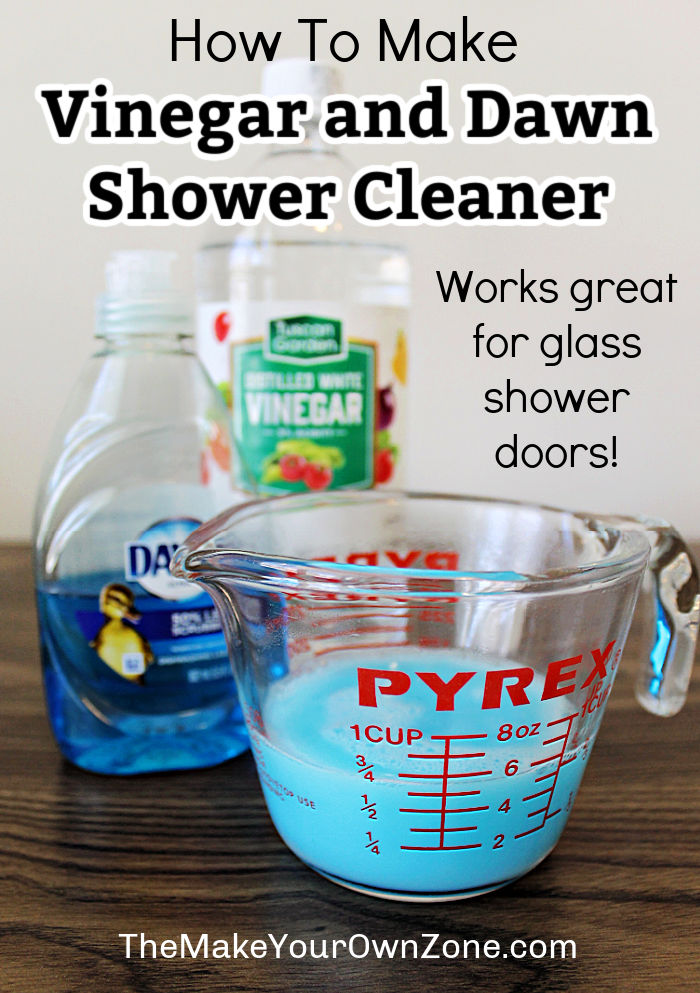
Why Dawn Dish Soap Is the Secret Ingredient for Streak-Free Windows
Dawn isn't just for dishes. Its grease-cutting formula breaks down the invisible film that builds up on windows from cooking oils, fingerprints, and outdoor grime. Most commercial window cleaners use similar surfactants, but Dawn does the job for a fraction of the price.
When you mix Dawn with vinegar and water, you get a powerful cleaning combo. The vinegar cuts through mineral deposits and hard water spots, while the water dilutes everything to the perfect strength. This balance is what prevents streaks, which happen when cleaning solution dries too fast or leaves residue behind.
I've tested dozens of combinations, and this trio wins every time. It works on interior windows, exterior windows, mirrors, and even glass shower doors. The pH is mild enough not to damage window seals or tinting, but strong enough to tackle months of built-up grime.
The Best Homemade Window Cleaning Solution with Dawn: Exact Recipe
Here's my tried-and-true recipe that I've shared with hundreds of friends and family members. It's the one I keep on my counter year-round.
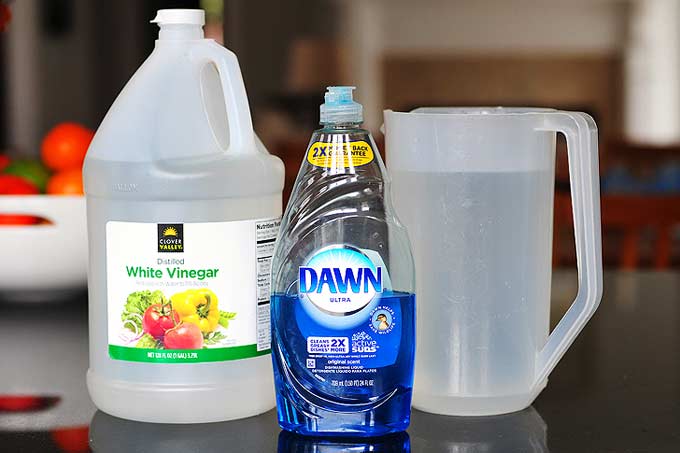
Ingredients you'll need:
- Two cups of distilled or filtered water (tap water is fine if your local water isn't super hard)
- Half a cup of white distilled vinegar
- One teaspoon of Dawn Ultra dish soap (the blue original works best)
- A clean spray bottle (sixteen or twenty-four ounces works great)
Step-by-step instructions:
- Pour the water into your spray bottle first.
- Add the white vinegar slowly to avoid overflow.
- Drop in the teaspoon of Dawn last.
- Gently swirl the bottle to mix, don't shake hard or you'll create foam that takes forever to settle.
- Label your bottle so nobody mistakes it for water.
The reason I specify distilled water is that hard water contains minerals that can leave spots on your windows. If you have soft water at home, regular tap water works perfectly fine. This is one of those small details that separates okay results from spectacular results.
Pro Tips for Using Your DIY Window Cleaner Like a Professional
After years of cleaning windows, I've picked up tricks that make a huge difference. These tips turn a good cleaning job into a great one.
Choose the right day. Cloudy days are perfect for window cleaning. Direct sunlight makes the solution dry too fast, which causes streaks before you can wipe them away. I always save my window cleaning for overcast mornings or late afternoons.
Use the right cloth. Microfiber cloths are non-negotiable for streak-free results. Paper towels leave lint, and old t-shirts can push dirt around. I keep a stack of cheap microfiber cloths just for windows and replace them when they start leaving streaks.
Work from top to bottom. Gravity pulls drips downward, so starting at the top prevents you from re-cleaning areas you already finished. Spray a section, wipe horizontally one way, then vertically the other to catch any remaining spots.
Don't over-spray. A light mist is all you need. Too much solution just drips down and creates more work. You'll get a feel for the right amount after one or two windows.
Dry your edges. Wipe the solution off the window edges and sills right away. Letting it pool there can damage wood frames or leave mineral rings on the sill.

Common Mistakes to Avoid When Cleaning Windows with Dawn
Even with the best homemade window cleaning solution with Dawn, a few mistakes can ruin your results. Here's what to watch out for.
Using too much soap. More Dawn doesn't mean cleaner windows. It just means more residue and more streaks. Stick to one teaspoon for the whole bottle, no matter how dirty your windows look.
Skipping the vinegar. Some people try to skip vinegar and just use Dawn and water. You'll get cleaner windows, but not streak-free ones. The vinegar is what dissolves the mineral content that causes those annoying spots.
Cleaning in direct sun. I know I mentioned this, but it bears repeating. Sun is the enemy of streak-free windows. If you only have sunny weekends, try early morning or evening hours when the glass is cool to the touch.
Using dirty cloths. A grimy cloth just smears dirt around. Switch to a fresh microfiber cloth as soon as your current one looks dirty. I rotate between two or three cloths during a big cleaning session.
Forgetting the screens. Dirty window screens can make clean windows look hazy. Pop them out, hose them down, and let them dry before putting them back. This one extra step makes a huge visual difference.

How This DIY Solution Compares to Store-Bought Cleaners
I've used every major brand of window cleaner on the market, and I always come back to my homemade Dawn mixture. Here's why.
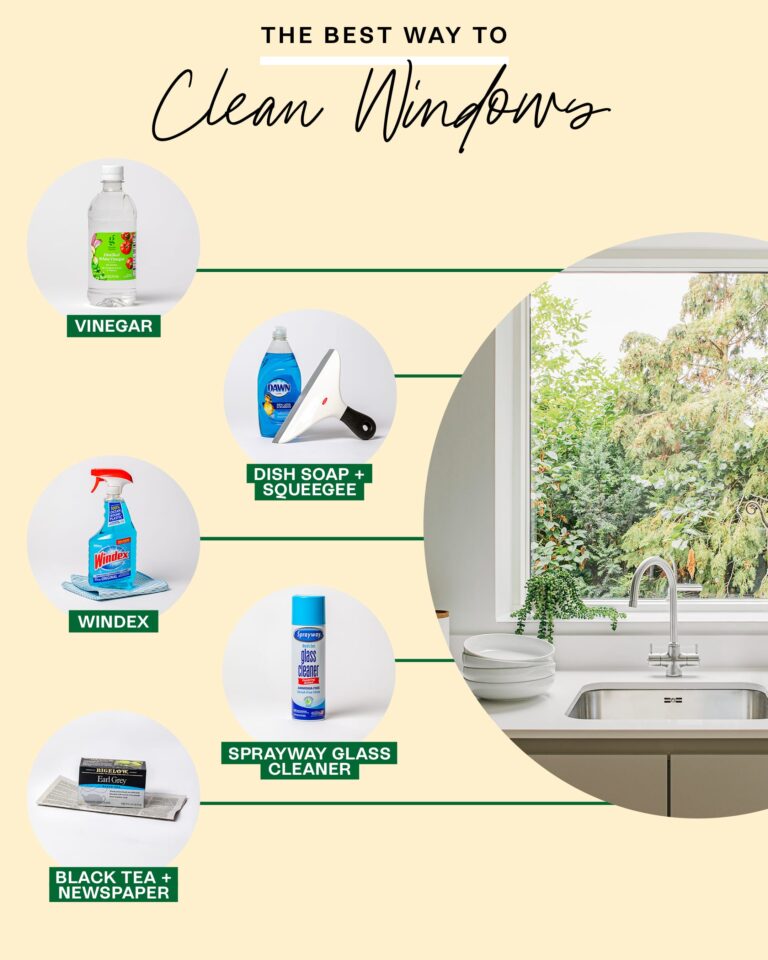
Cost is the most obvious win. A bottle of Windex costs three to five dollars and lasts maybe a month. My homemade version costs pennies per batch and uses ingredients I already have at home.
Performance is where it gets interesting. Commercial cleaners often contain ammonia, which works great but has a strong smell. My DIY solution smells like mild vinegar while cleaning, then disappears completely. It's also safer for homes with kids or pets.
Environmental impact matters too. Commercial cleaners come in plastic bottles that end up in landfills. My spray bottle lasts for years, and I just refill it with bulk ingredients. It's a small change that adds up over time.
The one area where commercial cleaners win is convenience. You can grab a bottle off the shelf and start cleaning immediately. But once you make a batch of DIY cleaner and keep it ready to go, you save that trip to the store every time you run out.

Adjusting Your Recipe for Different Cleaning Situations
Your basic recipe works for ninety percent of windows, but sometimes you need to tweak it. Here are my favorite variations.
For very dirty exterior windows, double the vinegar and add an extra half teaspoon of Dawn. The extra acidity cuts through pollution residue and bug splatter. Just be sure to rinse the solution off window frames if they're painted.
For hard water spots, replace the water with straight white vinegar for the first wipe, then follow up with your regular mixture. The pure acid breaks down mineral deposits that normal cleaning can't touch.
For tinted windows, stick to the basic recipe. Tinting can be damaged by harsh chemicals, so gentler is better. Always test a small corner first if you're unsure.
For glass shower doors, add a tablespoon of rubbing alcohol to your mixture. It helps the solution dry faster and prevents water spots in a humid bathroom environment. Your shower doors will look brand new.
For car windows, use the basic recipe but skip the vinegar if your car has any special coatings. A tiny amount of Dawn in plain water works perfectly for automotive glass and won't damage protective films.

Frequently Asked Questions
Can I use Dawn dish soap alone on windows?
You can, but you'll get streaks. Dawn cuts grease well, but without vinegar to dissolve minerals, you'll see spots as the solution dries. The combination of all three ingredients creates the streak-free magic.
Does the type of Dawn matter?
The original blue Dawn works best because of its simple formula. Newer versions with added lotions or antibacterial agents can leave residue. Stick with Dawn Ultra or Dawn Classic for the best results.
How long does homemade window cleaner last?
This mixture stays good for about three months. After that, the soap can start to separate or lose effectiveness. I make a fresh batch every time I empty my spray bottle, which takes about two minutes.
Is vinegar safe for all window types?
Vinegar is safe for standard glass, but avoid it on marble, natural stone, or waxed wood surfaces. If your window frames are painted, wipe up any drips quickly so the acid doesn't damage the finish over time.
Can I make this solution without vinegar?
Yes, but expect more streaks. If you dislike the vinegar smell, you can use lemon juice instead for a fresh scent with similar cleaning power. Just follow the same measurements.
Your Windows Will Thank You
Making your own window cleaning solution with Dawn is one of the simplest ways to save money while getting better results. You've got the exact recipe, the pro tips, and the troubleshooting knowledge to tackle any window in your home. Pick a cloudy day, grab your spray bottle, and prepare to see your neighborhood through crystal-clear glass.
Once you experience the satisfaction of streak-free windows made with ingredients from your kitchen, you'll wonder why you ever bought commercial cleaners. Try this recipe on your dirtiest window this weekend and watch the grime disappear. If you have questions or your own tips to share, drop a comment below, I'd love to hear how your windows turn out.