What To Put In Carpet Cleaner: Best DIY Solutions
Spills, pet accidents, and everyday traffic can leave carpets looking tired and grimy. Choosing the right ingredients for your carpet cleaner can make the difference between a floor that looks freshly cleaned and one that still hides stubborn stains. A reliable homemade carpet cleaner usually combines warm water, white vinegar, baking soda, and a small amount of gentle dish soap for safe, effective stain removal.
With years of hands-on experience tackling everything from red wine disasters to muddy paw prints, I've learned that the right mix not only lifts dirt but also protects carpet fibers and keeps your home smelling fresh. Keep reading, and you'll discover the exact ratios, smart ingredient swaps, and pro tips that turn a basic carpet cleaner into a stain-fighting powerhouse.

Essential Ingredients for a DIY Carpet Cleaner
Building your own carpet cleaner solution is simple when you know what each ingredient brings to the table. Here's a breakdown of the core components that work together to lift dirt, neutralize odors, and protect your carpet.
Warm Water
Warm water acts as the base for nearly every homemade carpet cleaning solution. It helps dissolve cleaning agents, loosens trapped dirt, and softens carpet fibers so stains release more easily.
- Use water that feels comfortably warm to the touch, not hot
- Hot water can damage certain carpet materials or set protein-based stains
- Distilled water is ideal if your tap water is very hard
White Vinegar
White vinegar is a natural deodorizer and mild acid that breaks down residue left by spills, pets, and old cleaning products. It's safe for most carpets when diluted properly.
- Mix one part vinegar to two parts water for a general cleaning solution
- Avoid using vinegar on natural stone tiles or delicate wool rugs without testing first
- The smell fades once the carpet dries
Baking Soda
Baking soda is a powerhouse for absorbing odors and lifting light stains. It also helps fluff carpet fibers during the drying process.
- Sprinkle dry baking soda on the carpet before vacuuming for a quick refresh
- Combine it with water for a gentle paste to treat spot stains
- Let it sit for 15 minutes before vacuuming for best results
Dish Soap (Gentle Formula)
A few drops of mild dish soap cut through greasy residues without leaving heavy suds behind. Choose a clear, fragrance-free formula to avoid dyes or perfumes that may stain.
- Use only one to two teaspoons per gallon of cleaning solution
- Too much soap leaves a sticky film that attracts dirt over time
- Always rinse thoroughly to remove soap residue
Hydrogen Peroxide (For Tough Stains)
Hydrogen peroxide acts as a mild bleaching agent and disinfectant. It's especially useful for organic stains like blood, wine, or pet accidents.
- Use a 3 percent solution, which is safe for most colorfast carpets
- Always spot test in a hidden area first
- Apply sparingly and blot, don't rub

Popular Carpet Cleaning Solution Recipes
Once you understand the basics, you can mix and match ingredients based on the mess you're facing. Here are three tried-and-true recipes that cover everyday spills, deep cleans, and pet-friendly needs.
Everyday All-Purpose Carpet Cleaner
This is my go-to blend for routine carpet freshening and light stain removal.
- 2 cups warm water
- 1 cup white vinegar
- 1 teaspoon mild dish soap
- Optional: 10 drops of essential oil for fragrance
Mix everything in a spray bottle, spritz lightly onto the carpet, and blot with a clean cloth. The vinegar smell disappears as it dries, leaving behind a fresh, neutral scent.
Heavy-Duty Stain Remover
For ground-in dirt, coffee spills, or mystery stains, this stronger formula gets the job done.
- 1 cup warm water
- 1 tablespoon baking soda
- 1 tablespoon hydrogen peroxide
- 1 teaspoon dish soap
Combine in a bowl, apply directly to the stain, and let it bubble for five minutes. Blot with a microfiber cloth and repeat if needed. The fizzing action helps lift the stain from deep within the fibers.
Pet-Safe Carpet Freshener
If you share your home with furry friends, this gentle blend neutralizes odors without harsh chemicals.
- 1 cup baking soda
- 15 drops pet-safe essential oil (like lavender or chamomile)
- 1 cup warm water mixed with 1 tablespoon vinegar
Sprinkle the dry baking soda mixture across the carpet, let it sit for 20 minutes, then vacuum. Follow up with a light mist of the water-vinegar spray if odors linger.

Commercial Carpet Cleaner Additives Worth Considering
Sometimes a store-bought boost can take your cleaning game to the next level. Here are common commercial additives that pair well with DIY solutions.
Oxygen Bleach
Oxygen bleach, sometimes called sodium percarbonate, is a color-safe alternative to chlorine bleach. It works well on organic stains and brightens dull carpet fibers.
- Dissolve in warm water before adding to your cleaning solution
- Always perform a colorfast test first
- Safe for most synthetic carpets
Enzyme Cleaners
Enzyme-based cleaners break down biological messes like urine, vomit, and food spills at a molecular level.
- Excellent for homes with pets or small children
- Allow several minutes of dwell time for enzymes to work
- Avoid mixing with vinegar, which can neutralize the enzymes
Fabric Softener (Use Sparingly)
A tiny amount of fabric softener can reduce static and leave carpets feeling softer underfoot.
- Only add one teaspoon per gallon of cleaning solution
- Overuse leaves a waxy buildup that attracts dirt
- Skip this additive if anyone in your home has sensitive skin

Safety Tips and Common Mistakes to Avoid
Even the best ingredients can cause problems if used incorrectly. Here are some practical lessons I've picked up over the years that can save your carpet from accidental damage.
Always Spot Test First
Before treating a visible area, apply your solution to a hidden corner of the carpet. Wait ten minutes to make sure there's no discoloration or texture change.
Don't Overwet the Carpet
Too much liquid can seep into the padding, leading to mold and mildew growth. Blot thoroughly and allow plenty of drying time.
Avoid Mixing Harsh Chemicals
Never combine bleach and ammonia, or bleach and vinegar. These mixtures create toxic fumes that are dangerous for you and your pets.
Skip the Heat on Protein Stains
Blood, dairy, and other protein stains set permanently when exposed to heat. Always use cool or lukewarm water first.
Vacuum Thoroughly Before Cleaning
Loose dirt turns into muddy streaks when wet. A quick vacuum preps the carpet for a deeper, more even clean.
When to Call a Professional
DIY solutions work wonders for most household stains, but some situations call for expert help.
- Flood damage or sewage backups
- Widespread mold or mildew growth
- Stains on antique, silk, or high-end wool rugs
- Carpet that remains smelly or discolored after multiple treatments
A professional cleaner has industrial-grade equipment and specialized knowledge that can rescue carpets beyond the reach of home remedies.
Frequently Asked Questions
Can I use laundry detergent in a carpet cleaner?
Yes, but only in small amounts. Use a liquid, dye-free laundry detergent and dilute one tablespoon per gallon of water. Too much detergent creates excess foam and sticky residue.
Is it safe to use bleach in carpet cleaning solutions?
Bleach can be used on white or colorfast carpets in very diluted amounts, but it carries a risk of discoloration. For most situations, hydrogen peroxide is a safer alternative.
How often should I deep clean my carpets?
Most homes benefit from a deep clean every 12 to 18 months. Homes with pets, kids, or heavy foot traffic may need cleaning every six months.
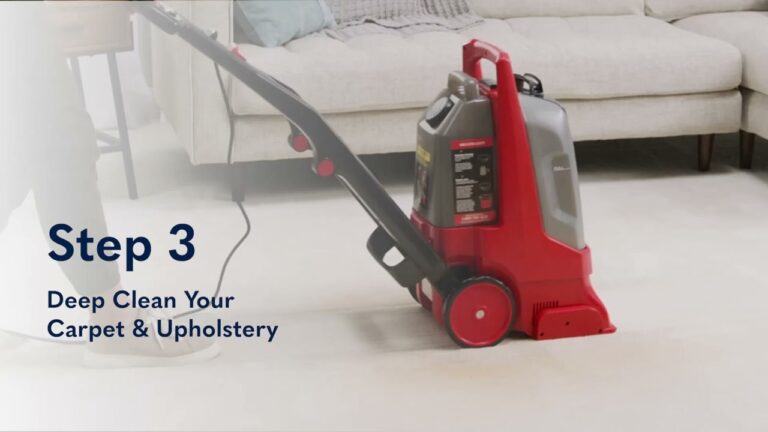
What should I put in a carpet cleaner machine?
For most machines, a mixture of warm water, a small amount of gentle detergent, and an optional vinegar boost works well. Check your machine's manual for specific dilution ratios.
Will baking soda damage my carpet?
Baking soda is safe for nearly all carpet types. Just be sure to vacuum thoroughly so no white residue remains in the fibers.
Conclusion
Knowing what to put in a carpet cleaner transforms a frustrating chore into a quick, satisfying task. With simple ingredients like white vinegar, baking soda, gentle dish soap, and warm water, you can tackle everyday spills, pet messes, and mystery stains without harsh chemicals. Add a few smart commercial boosters when needed, and always remember the golden rules: spot test first, don't overwet, and blot instead of rubbing. Try one of these recipes on your next cleaning day, and you'll likely see brighter, fresher carpets that make your whole home feel cleaner. Share your results or drop your favorite homemade carpet cleaning tip in the comments below.