What Is A Neutral Ph Floor Cleaner: Complete Guide
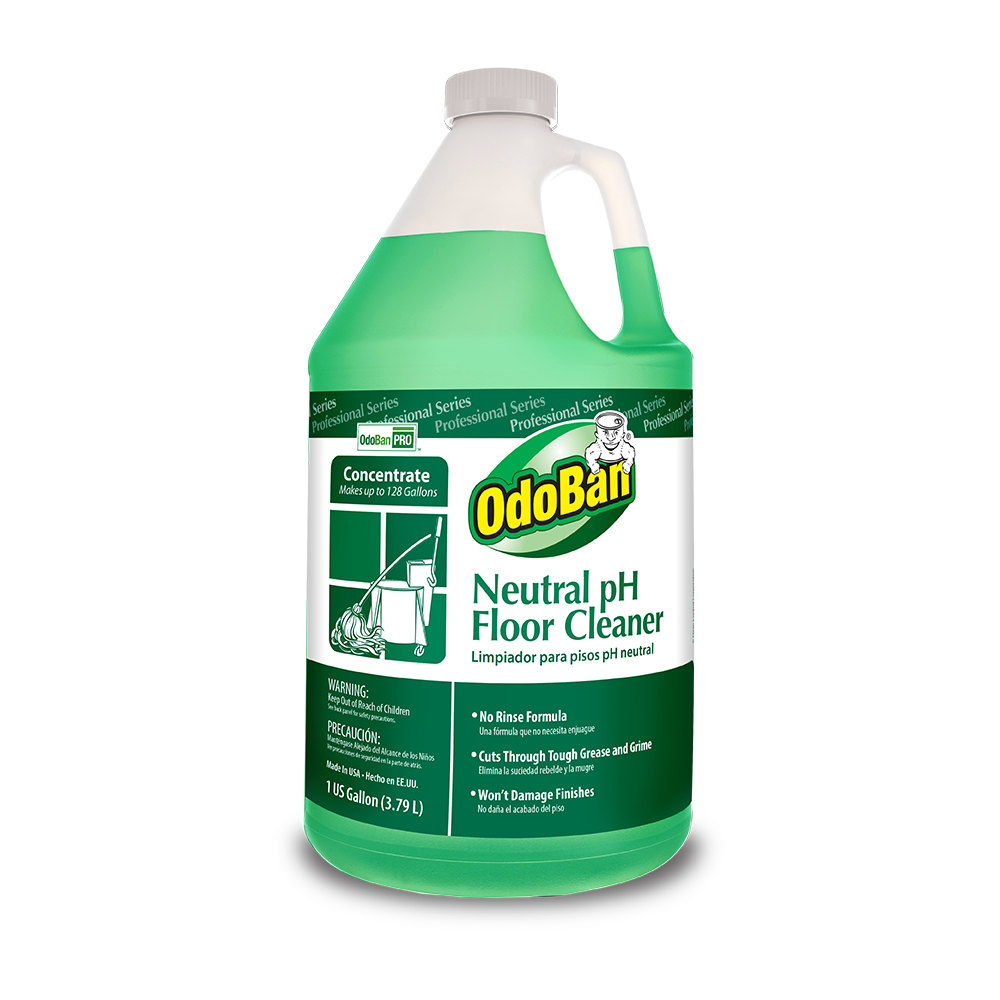
A neutral pH floor cleaner is a cleaning solution with a pH of around 7 that cleans effectively without damaging sensitive surfaces or finishes.
If you've ever worried about dulling your beautiful hardwood floors or stripping the sealant off your natural stone tiles, you've probably heard the term "neutral pH floor cleaner" tossed around. And for good reason. Choosing the right floor cleaner isn't just about getting rid of dirt; it's about preserving the life and look of your flooring. After years of testing different products in my own home and helping friends troubleshoot their cleaning routines, I've learned that understanding pH is the single most important thing you can do for your floors. Let me walk you through everything you need to know so you can clean with confidence.
Understanding pH and Why It Matters for Floors
Think of pH as a scale that measures how acidic or alkaline a substance is. It runs from 0 to 14. Anything below 7 is acidic, anything above 7 is alkaline, and a perfect 7 is neutral, right in the middle, like pure water.
Your floors have a pH sweet spot too. Most finished wood, sealed stone, laminate, and luxury vinyl are happiest when you clean with something close to neutral. Strong acids can etch and dull surfaces. Strong alkaline cleaners can break down sealants, leave a hazy film, or even cause discoloration over time.
I learned this the hard way years ago when I grabbed a heavy-duty alkaline cleaner for my travertine bathroom floor. Within a few uses, the once-shiny surface looked chalky and rough. A quick call to a stone restoration expert set me straight: I needed a neutral pH stone cleaner. That one mistake cost me a professional polishing job. Lesson learned.
A neutral pH floor cleaner sits right at that safe middle. It lifts everyday dirt, grease, and grime without attacking the protective layers on your flooring. That's why it's the go-to choice for routine maintenance on almost any hard surface in your home.
What Makes a Floor Cleaner "Neutral pH"?
The term "neutral pH" sounds technical, but the concept is simple. A truly neutral pH floor cleaner typically has a pH between 6 and 8, with 7 being the ideal target. Manufacturers achieve this balance by carefully selecting surfactants and cleaning agents that do their job without leaning too acidic or too alkaline.
Here are the key features that define a true neutral pH floor cleaner:
- Balanced formula: sits in the 6–8 pH range, gentle on surfaces.
- No harsh acids or alkalis: free from ingredients like bleach, ammonia, vinegar, or lye in strong concentrations.
- Surfactant-based cleaning power: uses mild detergents to lift dirt rather than chemical reactions.
- No protective coating breakdown: keeps waxes, polyurethane, and sealants intact.
- Safe for daily use: mild enough for frequent cleaning without wearing down your floors.
When you check the label, look for the words "neutral pH" right on the front. Some brands proudly display the exact pH number. If you want to be extra sure, you can even test it at home using pH strips from a pool or aquarium supply store. Just dip a strip in the diluted solution and compare the color.
Benefits of Using a Neutral pH Floor Cleaner
Switching to a neutral pH floor cleaner comes with real, noticeable advantages. It's one of those small changes that makes a big difference over time.
- Preserves floor finish: keeps sealants, waxes, and coatings strong and intact for years.
- Prevents dullness and hazing: no chemical residue that leaves floors looking cloudy.
- Safe for households with kids and pets: mild formula means fewer worries if someone walks barefoot.
- Versatile across surfaces: works on hardwood, tile, vinyl, laminate, and natural stone.
- Reduces long-term costs: protects your investment so you avoid early refinishing or replacement.
- Minimizes chemical exposure: fewer harsh fumes and skin irritants in your home.
I personally love how a good neutral cleaner leaves my hardwood floors looking fresh without that slippery, waxy buildup I used to get from traditional soaps. My dog can run around without leaving paw prints, and I don't have to worry about him licking anything harmful off the floor.
Which Floors Need a Neutral pH Cleaner?
Almost every type of hard flooring benefits from a neutral pH approach. Some floors demand it.
Here are the floors where neutral cleaners are either required or strongly recommended:
- Hardwood and engineered wood: protects the polyurethane or wax finish.
- Natural stone: marble, granite, travertine, slate, and limestone are highly sensitive to acids and alkalis.
- Laminate: the printed layer can discolor or peel with harsh chemicals.
- Luxury vinyl plank (LVP) and tile (LVT): keeps the wear layer from breaking down.
- Ceramic and porcelain tile: prevents grout damage and keeps surfaces shiny.
- Bamboo and cork: similar protective layers as hardwood.
The floors you want to be extra careful with are natural stone and waxed hardwood. These are the surfaces where using the wrong cleaner can cause permanent damage in just a few cleanings. Even something as common as vinegar can eat through a marble finish in minutes.
How to Use a Neutral pH Floor Cleaner Effectively
Using a neutral pH floor cleaner is pretty straightforward, but a few simple steps will help you get the best results.
- Sweep or vacuum first: removes loose dirt and grit that can scratch the surface during mopping.
- Dilute per label instructions: most concentrated formulas need mixing with water.
- Use a damp, not soaking, mop: too much water can damage wood and seep into seams.
- Work in sections: clean small areas at a time so the solution doesn't dry on the surface.
- Rinse if needed: some formulas are no-rinse, but a quick pass with a damp mop removes any leftover residue.
- Dry the floor: use a microfiber cloth or let it air dry to prevent water spots.
I've found that using a flat microfiber mop makes the biggest difference. It picks up dirt instead of just pushing it around. And here's a tip from my own routine: change your mop water whenever it starts looking cloudy. Dirty water defeats the whole purpose of cleaning.
Ingredients to Avoid in Floor Cleaners
Knowing what to avoid is just as important as knowing what to use. Many popular household cleaners contain ingredients that can quietly damage your floors.
- Vinegar or lemon juice: highly acidic, etches stone and dulls wood finishes.
- Bleach: strong alkaline, can discolor and weaken protective layers.
- Ammonia: harsh on sealants and produces strong fumes.
- Strong detergents with high pH: strip wax and leave residue.
- Abrasive powders: scratch delicate surfaces.
I made the mistake of using a vinegar-and-water mix on my engineered hardwood once because I read it online. The finish looked fine at first, but over a few weeks, I noticed a dull patch right where I mopped most. Switching to a neutral pH hardwood cleaner brought back the shine. Now I stick to products specifically designed for my floor type.
DIY vs Commercial Neutral pH Floor Cleaners
You might be wondering if you can just mix something up at home. The truth is, while you can technically create a neutral solution, it takes a bit of know-how.
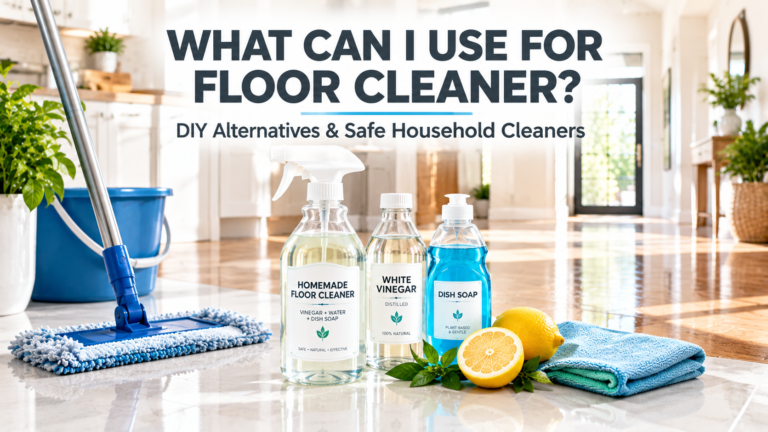
A simple DIY option is mixing a few drops of mild, unscented dish soap (like Castile soap) into warm water. Castile soap usually has a pH close to neutral. Test it first on a small hidden area.
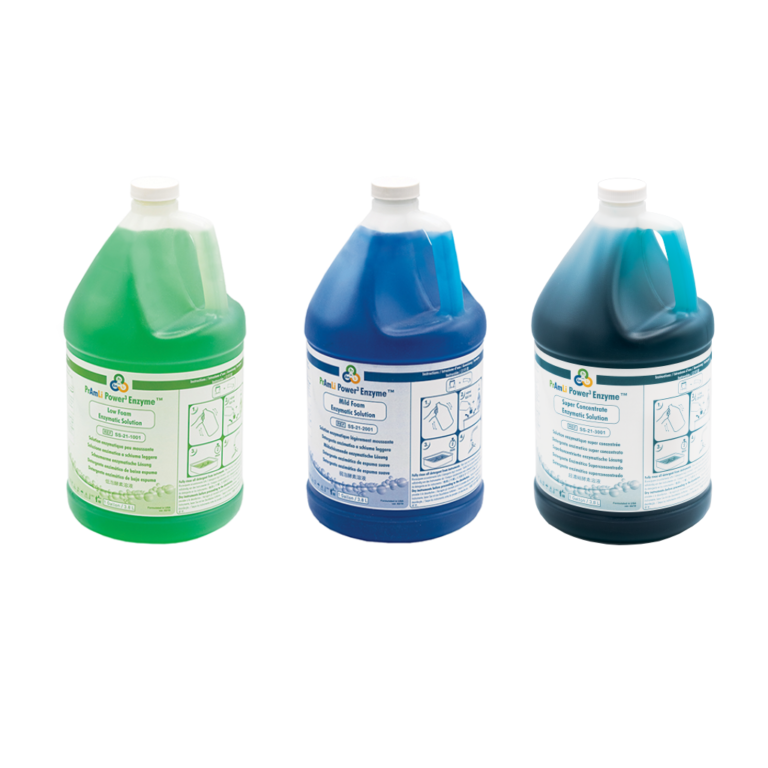
However, commercial neutral pH floor cleaners are formulated specifically for flooring. They often include:
- Balanced surfactants for better dirt lifting
- Rinse-free formulas for streak-free results
- Specific additives for wood, stone, or vinyl
- Concentrated options that save money long-term
If you want foolproof results and a product tailored to your floor, go commercial. If you prefer a simple, natural DIY approach for light cleaning, Castile soap and water works in a pinch.
Common Misconceptions About Neutral pH Floor Cleaners
There are a few myths floating around that deserve some clarification.
- "Neutral means weak." Not true. Neutral cleaners are formulated with effective surfactants that lift dirt without chemical aggression.
- "All green or natural cleaners are neutral pH." Not always. Some natural ingredients like vinegar are quite acidic.
- "You only need neutral cleaners on delicate floors." Actually, even durable surfaces last longer when cleaned gently.
- "More soap means cleaner floors." Excess soap leaves residue that actually attracts more dirt over time.
Once you understand these points, cleaning becomes a lot less confusing. It's not about using the strongest product; it's about using the right one.
Environmental and Health Considerations
A neutral pH floor cleaner often comes with hidden bonuses. Because the formula is milder, it usually means fewer harsh chemicals in your home environment.
- Lower VOCs: less chemical odor and better indoor air quality.
- Safer for pets and children: less worry about paw contact or crawling babies.
- Biodegradable options: many brands offer plant-derived surfactants that break down safely.
- Less plastic waste: concentrated formulas mean smaller bottles and less packaging.
I have a curious cat who loves to walk across the floor right after I mop. With a neutral pH pet-safe floor cleaner, I don't panic when I see his little paw prints. That's peace of mind you can't put a price on.
How to Choose the Best Neutral pH Floor Cleaner for Your Home
With so many options on the shelf, picking the right one can feel overwhelming. Here's a simple checklist to guide you.
- Check the pH claim: look for "neutral pH" or a specific range on the bottle.
- Match your floor type: wood, stone, vinyl, or all-purpose.
- Read the ingredient list: avoid harsh chemicals and unnecessary fragrances.
- Consider concentration: concentrated formulas often offer more cleanings per bottle.
- Look for certifications: third-party seals like Green Seal or EPA Safer Choice add trust.
- Test before full use: try it in a small corner to ensure compatibility.
A little research upfront saves you from headaches later. I've found that spending a few extra dollars on a quality product always pays off in how my floors look and feel.
Frequently Asked Questions
Is a neutral pH cleaner the same as a gentle cleaner?
Not always. A neutral pH cleaner is specifically balanced around 7 on the pH scale, while "gentle" is a broader marketing term. Always check the pH claim on the label to be sure.
Can I use a neutral pH cleaner on waxed floors?
Yes, in fact, you should. Waxed floors are especially sensitive to alkaline cleaners, which can strip the wax. A neutral pH cleaner preserves the wax layer while still removing everyday dirt.
How often should I use a neutral pH floor cleaner?
For most homes, once a week is enough for routine cleaning. High-traffic areas might need a quick touch-up between full cleanings. Daily dry mopping or vacuuming helps extend the time between wet cleanings.
Will a neutral pH cleaner disinfect my floors?
Most neutral pH cleaners focus on cleaning rather than disinfecting. If you need to kill germs, look for a neutral pH cleaner that also carries an EPA-registered disinfectant claim, or use a separate disinfectant approved for your floor type.
Are neutral pH cleaners safe for grout?
Yes, neutral pH cleaners are safe for both cement-based and epoxy grout. Avoid acidic or highly alkaline cleaners, as they can erode grout over time and cause crumbling or discoloration.
Conclusion
Choosing a neutral pH floor cleaner is one of the smartest decisions you can make for the long-term beauty and durability of your floors. It protects your investment, keeps your home safer for family and pets, and delivers a streak-free clean without the risks that come with harsh chemicals. Whether you have hardwood, stone, vinyl, or tile, making the switch is simple, affordable, and effective.
Start by checking your current cleaner against the guidelines we've covered. If it isn't neutral pH, consider swapping it out. Your floors will thank you with years of lasting shine and strength. Got questions or your own floor cleaning story to share? Drop a comment below, I'd love to hear from you.