What Is A Neutral Floor Cleaner: Best Guide
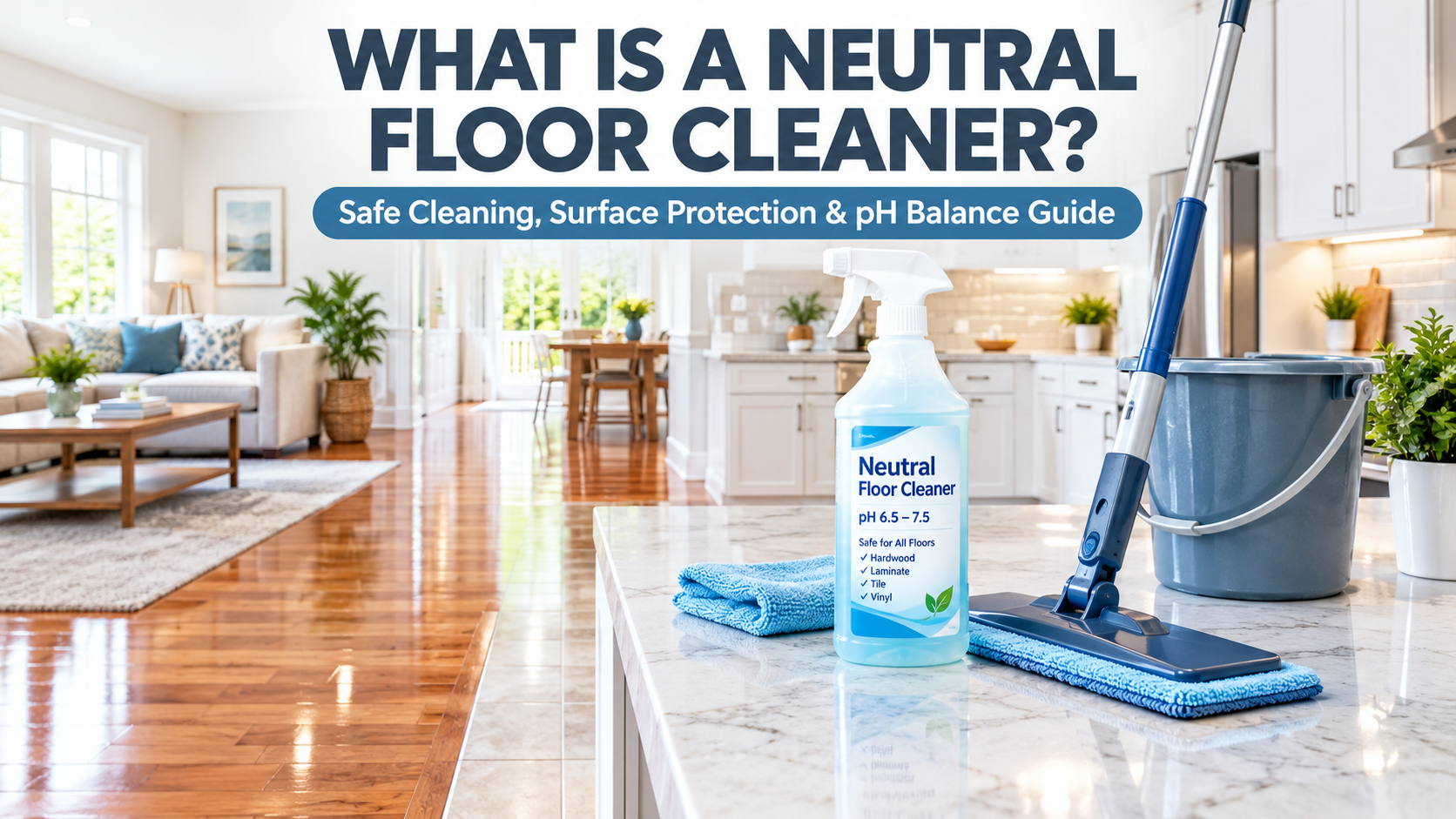
A neutral floor cleaner is a cleaning solution with a pH level close to 7 that safely cleans floors without damaging finishes or harming people. Neutral floor cleaners are gentle, pH-balanced solutions designed to clean floors without stripping sealants, damaging surfaces, or leaving harmful residues behind.
If you have ever dealt with dull, sticky, or streaky floors after mopping, chances are the cleaner you used was too harsh. Over the years of testing different cleaning products in homes, offices, and commercial spaces, I have learned one simple truth: not all floors need the same kind of cleaner, and using the wrong one can quietly destroy your flooring. That is exactly where neutral floor cleaners come in. They are the unsung heroes of safe, everyday cleaning, and once you understand how they work, you will never want to go back to harsh chemicals again. Let me walk you through everything I know about them, so you can make the smartest choice for your floors.
What Exactly Is a Neutral Floor Cleaner?
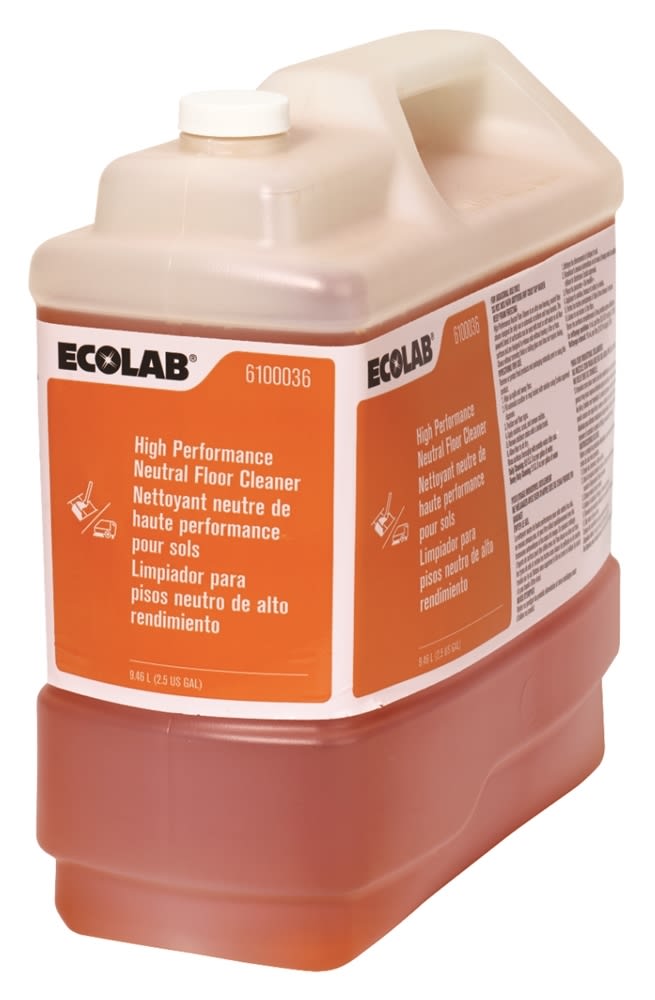
A neutral floor cleaner is a water-based cleaning product formulated to have a pH level between 6 and 8, which is close to the neutral pH of 7. This means it is neither acidic nor alkaline, placing it right in the middle of the pH scale.
Think of pH like a seesaw. Acidic cleaners sit on one end and can eat away at finishes, while alkaline cleaners sit on the other end and can leave films or dull surfaces. A neutral cleaner sits perfectly balanced in the middle, so it lifts dirt without attacking the floor itself. That balance is what makes it safe for almost every type of flooring.
In simple terms, it cleans the dirt but leaves the floor finish untouched. That is the magic of pH-balanced solutions.
Why the pH Level Matters So Much
Floors are not just surfaces. They often have protective sealants, waxes, or finishes that keep them looking new. Strong cleaners, whether acidic like lemon juice or alkaline like bleach, can break those protective layers down over time.
I learned this the hard way when I cleaned a beautiful marble floor with a strong all-purpose cleaner. Within weeks, the shine was gone, and the surface felt rough. A neutral floor cleaner would have kept that protective finish intact.
How Neutral Floor Cleaners Work
Neutral floor cleaners work through a combination of surfactants, mild detergents, and water softeners that lift dirt, grease, and grime without chemically reacting with the floor surface.
Surfactants are the key players here. They reduce the surface tension of water, allowing it to spread evenly and grab onto dirt particles. Once the dirt is lifted, it stays suspended in the cleaning solution, so it does not just get redeposited back onto the floor when you mop.
It is a gentle but effective process, kind of like washing a delicate fabric. You want to remove the stain without ruining the fibers. That is what neutral cleaners do for floors.
The Science Behind the Balance
The pH scale runs from 0 to 14. Anything below 7 is acidic, anything above is alkaline, and 7 is perfectly neutral. Neutral cleaners hover right around that middle mark.
This matters because many flooring materials, including hardwood, vinyl, ceramic, and stone, are sensitive to extreme pH levels. Acidic cleaners can etch stone surfaces, while alkaline cleaners can soften or strip wax coatings. Neutral cleaners avoid both problems, which is why professionals rely on them.
Key Benefits of Using a Neutral Floor Cleaner
Neutral floor cleaners offer a long list of benefits that go far beyond simple cleaning. They protect your investment, keep your space healthier, and make your cleaning routine easier.
Protects Floor Finishes and Sealants
Because neutral cleaners do not strip or react with protective coatings, they help floors last longer. Whether you have waxed vinyl, sealed hardwood, or polished stone, a neutral cleaner will preserve the finish instead of wearing it down.
Safe for Daily Use
Most neutral cleaners are non-toxic, biodegradable, and free from harsh fumes. This makes them safe for homes with kids, pets, and people with allergies or respiratory sensitivities.
Reduces Residue and Streaking
Harsh cleaners often leave behind soap films or chemical residue that attract more dirt. Neutral cleaners rinse cleanly and leave nothing behind, which means your floors stay cleaner for longer.
Versatile Across Multiple Surfaces
You can use a neutral floor cleaner on tile, vinyl, linoleum, laminate, hardwood, marble, and even concrete. One product can cover most of your flooring needs, which saves you from buying multiple specialty cleaners.
Environmentally Friendly
Most neutral floor cleaners are formulated with biodegradable ingredients and minimal chemicals, making them a more sustainable choice for green cleaning.

Common Floor Types Safe for Neutral Cleaners
Neutral floor cleaners are remarkably versatile and work safely on a wide range of flooring materials. Here are the most common ones.
- Hardwood floors: Keeps the sealant intact while removing grime.
- Vinyl and linoleum: Cleans without dulling the surface.
- Ceramic and porcelain tile: Lifts dirt from grout without etching.
- Natural stone like marble or granite: Safe for sealed and unsealed varieties.
- Laminate flooring: Cleans without causing swelling or damage.
- Concrete floors: Removes oils and dirt without leaving residue.
I always recommend doing a small spot test first, especially on natural stone. Even though neutral cleaners are gentle, every floor is different, and a quick test can save you from any surprises.
Neutral Floor Cleaner vs. Other Types of Cleaners
Understanding how neutral cleaners compare to other options will help you see why they are often the preferred choice for everyday cleaning.
Neutral vs. Acidic Cleaners
Acidic cleaners, like vinegar-based solutions, have a pH below 7. They are great for removing mineral deposits, rust, and hard water stains but can etch sensitive surfaces like marble or travertine. Neutral cleaners do not have that risk.
Neutral vs. Alkaline Cleaners
Alkaline cleaners, like bleach or ammonia-based products, have a pH above 7. They cut through grease and heavy grime but can strip wax finishes and leave dull films. Neutral cleaners clean effectively without those downsides.
Neutral vs. All-Purpose Cleaners
All-purpose cleaners can vary widely in pH. Some are balanced, while others lean acidic or alkaline. A true neutral floor cleaner is specifically engineered for floors, with the right pH and surfactants for safe, streak-free results.
When to Use a Neutral Floor Cleaner
Neutral floor cleaners are ideal for routine cleaning, light spills, and maintenance tasks. They are not designed for heavy-duty degreasing or removing wax buildup, but they shine in everyday situations.
- Daily or weekly mopping in homes and offices
- Cleaning high-traffic areas like hallways and lobbies
- Maintaining sealed floors without wearing down finishes
- Quick cleanups after spills or footprints
Think of it as your everyday cleaning partner. It will not tackle every mess on its own, but for regular maintenance, it is hard to beat.
How to Choose the Right Neutral Floor Cleaner
Not all neutral cleaners are created equal. Here is what I look for when choosing one.
Check the pH Level
A good neutral cleaner should clearly state its pH on the label. Aim for a product with a pH between 6 and 8.
Look for Surfactant-Based Formulas
Surfactants do the heavy lifting. Make sure the cleaner uses quality surfactants that lift and suspend dirt effectively.
Avoid Harsh Additives
Skip products with bleach, ammonia, or strong fragrances. These can damage floors and irritate sensitive users.
Consider Concentration
Concentrated formulas save money and reduce packaging waste. A little goes a long way, which is better for your wallet and the planet.
Read Reviews and Testimonials
Real user feedback can tell you a lot about how a product performs in everyday settings. Look for consistent positive reviews on performance, scent, and safety.
How to Use a Neutral Floor Cleaner Properly
Using a neutral floor cleaner is simple, but a few tips can help you get the best results.
- Sweep or vacuum first to remove loose dirt and debris.
- Dilute the cleaner according to the label instructions, especially if it is a concentrate.
- Use a clean mop and avoid soaking the floor. A damp mop is ideal.
- Mop in sections and allow the floor to air dry or buff with a soft cloth.
- Avoid rinsing unless the product instructions call for it. Most neutral cleaners are designed to be left on the surface.
I have found that using a microfiber mop makes a huge difference. It picks up more dirt and leaves fewer streaks than traditional cotton mops.
Common Mistakes to Avoid with Neutral Floor Cleaners
Even with a gentle product, there are a few mistakes that can reduce effectiveness or cause issues.
- Overusing the cleaner. More product does not mean cleaner floors. It can leave residue.
- Using a dirty mop. A filthy mop just spreads grime around.
- Skipping the dilution step. Using a concentrate full-strength can leave streaks or film.
- Mixing with other cleaners. Never mix cleaning products, especially bleach and ammonia.
- Ignoring manufacturer instructions. Always follow the directions for your specific flooring type.
Limitations of Neutral Floor Cleaners
While neutral cleaners are versatile, they are not perfect for every situation. Here are a few limitations to keep in mind.
- Not ideal for heavy grease. Industrial grease often needs a stronger degreaser.
- Limited stain removal. Tough stains like wine, ink, or rust may require specialty products.
- Slower action on heavy buildup. Built-up wax or old finishes may need stripping products.
- May need frequent use. Because they are gentle, heavily soiled floors may need multiple cleanings.
Transparency matters here. Neutral cleaners are not a magic bullet, but they are the best everyday option for most floors.
Real-Life Experience and Practical Tips
Over the years, I have used neutral floor cleaners in restaurants, offices, schools, and homes. One of my favorite moments was when a client with a historic hardwood floor was about to refinish it because it looked dull and worn. I suggested switching to a neutral cleaner first. Within a month, the floor looked brighter and felt smoother. The refinishing project was canceled, saving them thousands of dollars.
My biggest lesson? Most floor problems are caused by the wrong cleaner, not worn-out flooring. Switch to a neutral floor cleaner, and you will likely see a noticeable difference.
Frequently Asked Questions
What is the pH of a neutral floor cleaner?
A neutral floor cleaner typically has a pH between 6 and 8, with most products sitting right around 7. This balanced pH makes it safe for most floor types and finishes.
Can I use a neutral floor cleaner on hardwood?
Yes, neutral floor cleaners are safe for sealed hardwood floors. They clean effectively without stripping the protective finish, helping preserve the wood's natural beauty.
Is a neutral floor cleaner the same as a pH-neutral cleaner?
Yes, neutral floor cleaners and pH-neutral cleaners are the same thing. Both terms refer to cleaning products formulated with a pH close to 7.
Do neutral floor cleaners disinfect?
Most neutral floor cleaners are designed to clean, not disinfect. For sanitizing, look for products with EPA-registered disinfectants or add a separate disinfectant step.
How often should I use a neutral floor cleaner?
For most homes, using a neutral floor cleaner once or twice a week is enough. High-traffic commercial spaces may need daily cleaning for best results.
The Smart Choice for Cleaner, Safer Floors
Neutral floor cleaners are one of the simplest yet most powerful tools in any cleaning arsenal. By choosing a pH-balanced solution, you protect your floors, your health, and the environment, all while getting beautifully clean results. Whether you are caring for hardwood, tile, vinyl, or stone, a neutral cleaner is the safest everyday choice.
If you have been struggling with dull floors, sticky residue, or constant streaks, give a neutral floor cleaner a try. I promise you will notice the difference within the first few uses. And once you experience how gentle yet effective they are, you will never go back to harsh chemicals again.
Ready to take your floor care to the next level? Explore trusted product reviews, talk to flooring professionals, and start building a cleaning routine that keeps your floors looking their best for years to come.