What Floor Cleaner Is Safe For Cats: Best Pet-Friendly Picks
Pet-safe floor cleaners like diluted white vinegar, mild dish soap, and enzyme-based cleaners are the safest options for cats because they clean effectively without leaving toxic residues.
If you share your home with a curious cat who walks across your freshly cleaned kitchen and then licks their paws, you're definitely not alone. Choosing a floor cleaner that's safe for cats isn't just about getting rid of dirt — it's about protecting your furry friend from harmful chemicals that can linger on surfaces. Many conventional cleaners contain ingredients that can irritate your cat's skin, damage their respiratory system, or worse. After years of testing different products and learning from veterinary experts, I've seen firsthand how the right choice can make your home both spotless and safe. Let me walk you through what actually works, what to avoid, and how to keep your floors clean without putting your cat at risk.

Why Regular Floor Cleaners Can Be Dangerous for Cats
Cats are uniquely vulnerable to chemical exposure compared to humans or even dogs. Their grooming habits put them in direct contact with whatever sits on the surface of your floors. When they walk across a freshly mopped surface and then groom themselves, they ingest those residues.
Their liver also processes toxins differently than ours. Cats lack certain liver enzymes that help humans break down various chemicals, making them more susceptible to poisoning from substances that might seem harmless to us.
Common toxic ingredients in standard floor cleaners include:
- Phenols and phenolic compounds found in some pine or citrus-based cleaners
- Ammonia and bleach that create strong fumes
- Formaldehyde in certain disinfectants
- Essential oils like tea tree, eucalyptus, and peppermint in high concentrations
- Quaternary ammonium compounds (quats) in many disinfectant formulas
These ingredients can cause symptoms ranging from mild drooling and sneezing to more serious issues like vomiting, tremors, or liver damage depending on the level of exposure. The tricky part is that cats often hide discomfort, so you might not notice a problem until it becomes serious.
Ingredients That Make a Floor Cleaner Cat-Safe
A truly cat-safe floor cleaner relies on simple, non-toxic ingredients that break down dirt without leaving dangerous residues. The key is choosing products that either rinse away completely or are safe enough that small amounts won't cause harm.
Safe Active Ingredients to Look For
- Diluted white vinegar or food-grade acetic acid for cutting through grime
- Plant-based surfactants from coconut or corn that lift dirt gently
- Enzyme-based formulas that break down organic stains naturally
- Mild castile soap derived from vegetable oils
- Baking soda for deodorizing and light scrubbing
Ingredients to Always Avoid
- Any product with "warning" or "danger" labels suggesting toxicity
- Artificial fragrances that can irritate sensitive feline airways
- Chlorine bleach unless extremely diluted and well-rinsed
- Solvents like glycol ethers
- High-concentration essential oils marketed as "natural"
Best Types of Cat-Safe Floor Cleaners
DIY Vinegar and Water Solution
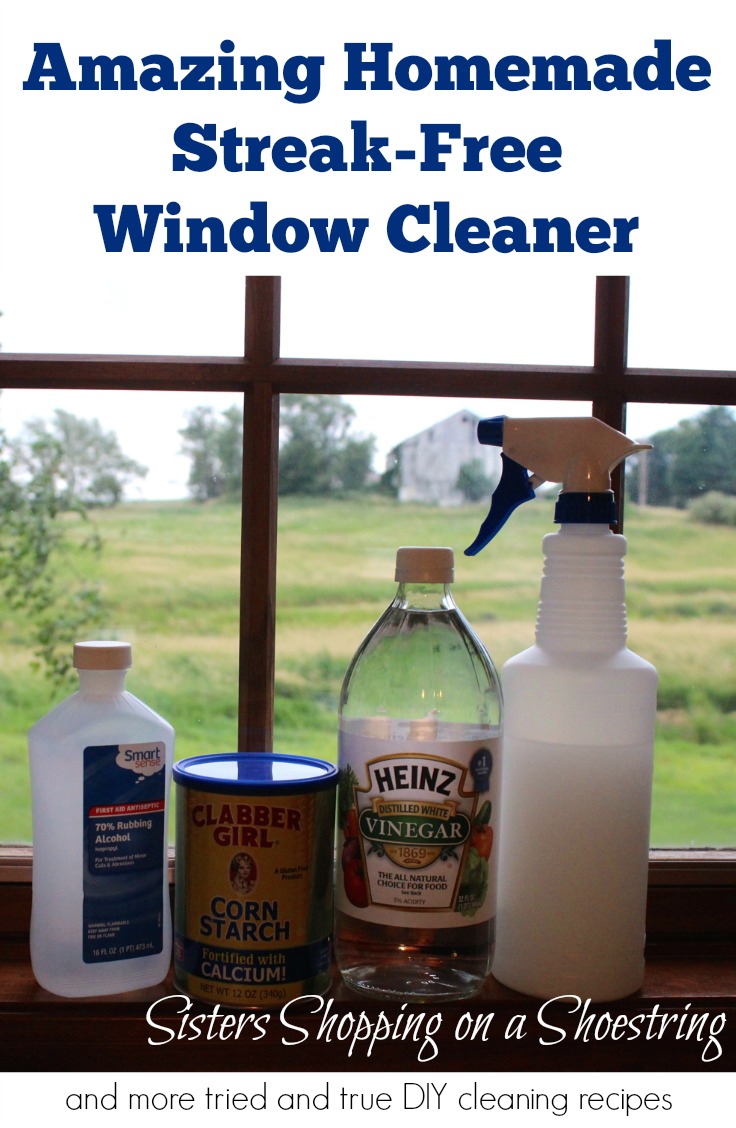
This is my go-to recommendation for most cat owners. Mix one cup of white vinegar with one gallon of warm water for a general cleaning solution. It cuts grease, removes light grime, and neutralizes odors without leaving harmful residues.
The smell dissipates quickly as it dries, and most cats don't mind it once it's gone. I use this on tile, linoleum, and sealed hardwood floors regularly. Just avoid using it on natural stone like marble or granite, as the acid can etch the surface.
Plant-Based Commercial Cleaners
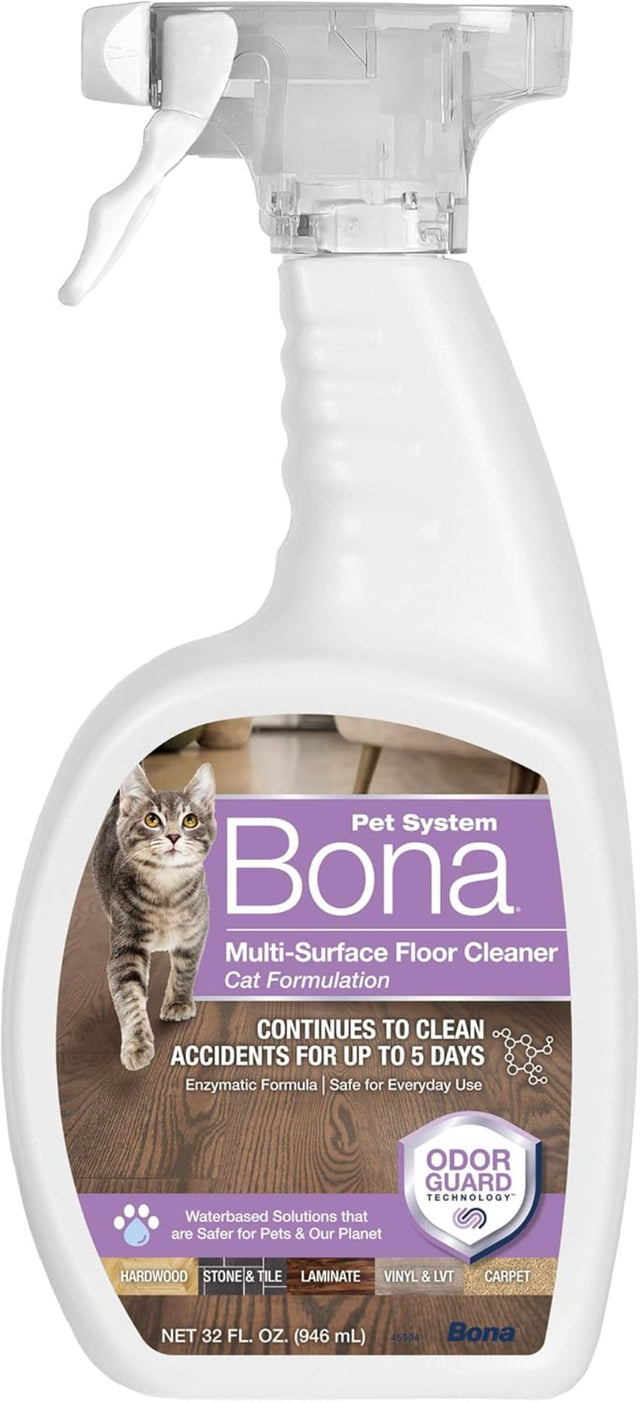
Several brands now formulate floor cleaners specifically with pets in mind. Look for products certified by third-party organizations that verify pet-safe claims. The best ones use simple plant-derived ingredients and disclose everything on the label.
When shopping, I always read the full ingredient list. If a product uses vague terms like "surfactant blend" without specifying what's actually included, I move on to something more transparent.
Enzyme Cleaners for Accidents
If your cat has had any accidents on the floor, enzyme cleaners are invaluable. They use beneficial bacteria and enzymes to eliminate organic stains and odors completely rather than just masking them.
The advantage here is twofold. You get rid of the stain, and you remove the scent markers that might encourage your cat to repeat the behavior in the same spot. These work great on carpet, grout, and upholstery too.
Castile Soap Solution
A few drops of liquid castile soap in warm water creates an effective cleaner that's gentle on both floors and cats. It's biodegradable, non-toxic, and surprisingly powerful on everyday messes. I keep a bottle of unscented castile soap in my cleaning kit for this reason.
Steam Cleaning
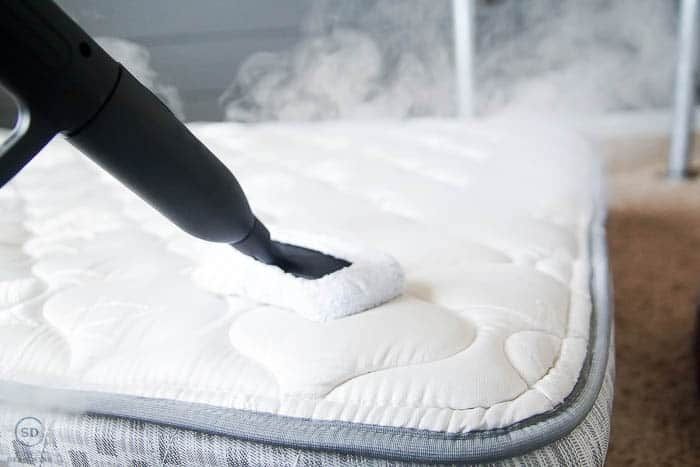
For deep cleaning without any chemicals, steam mops use high-temperature vapor to sanitize surfaces. This kills bacteria and loosens grime using nothing but water. It's one of the safest options available, though it works best on tile and sealed floors rather than hardwood.

How to Clean Floors Safely Around Cats
Even with a cat-safe cleaner, your cleaning routine matters just as much as the product you choose. The right technique minimizes any risk and keeps your cat comfortable throughout the process.
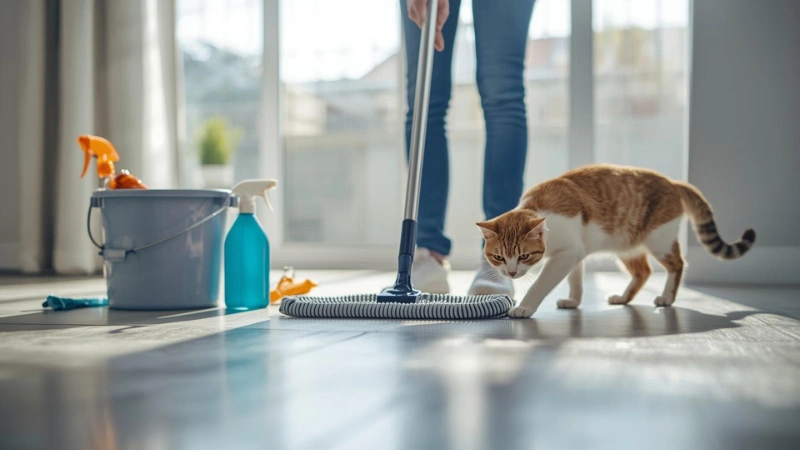
Step one: Move your cat to a separate room before you start mopping. This keeps them away from wet surfaces where they might slip or lick cleaning solution from their paws.
Step two: Dilute your cleaner properly. More isn't better when it comes to floor cleaning. Using too much product leaves more residue, and stronger concentrations don't necessarily clean better.
Step three: Rinse if possible. For sealed floors like tile or laminate, a quick pass with clean water after mopping removes any leftover residue.
Step four: Let floors dry completely before letting your cat walk on them. Most surfaces dry in 15 to 30 minutes, and keeping your cat away during this time prevents paw contact with any remaining moisture.
Step five: Ventilate the space. Open windows or run a fan to help floors dry faster and to clear any faint odors that might bother your cat's sensitive nose.
Specific Floor Types and Safe Cleaning Approaches
Different flooring materials require slightly different approaches to stay in good condition while keeping your cat safe.
Hardwood Floors
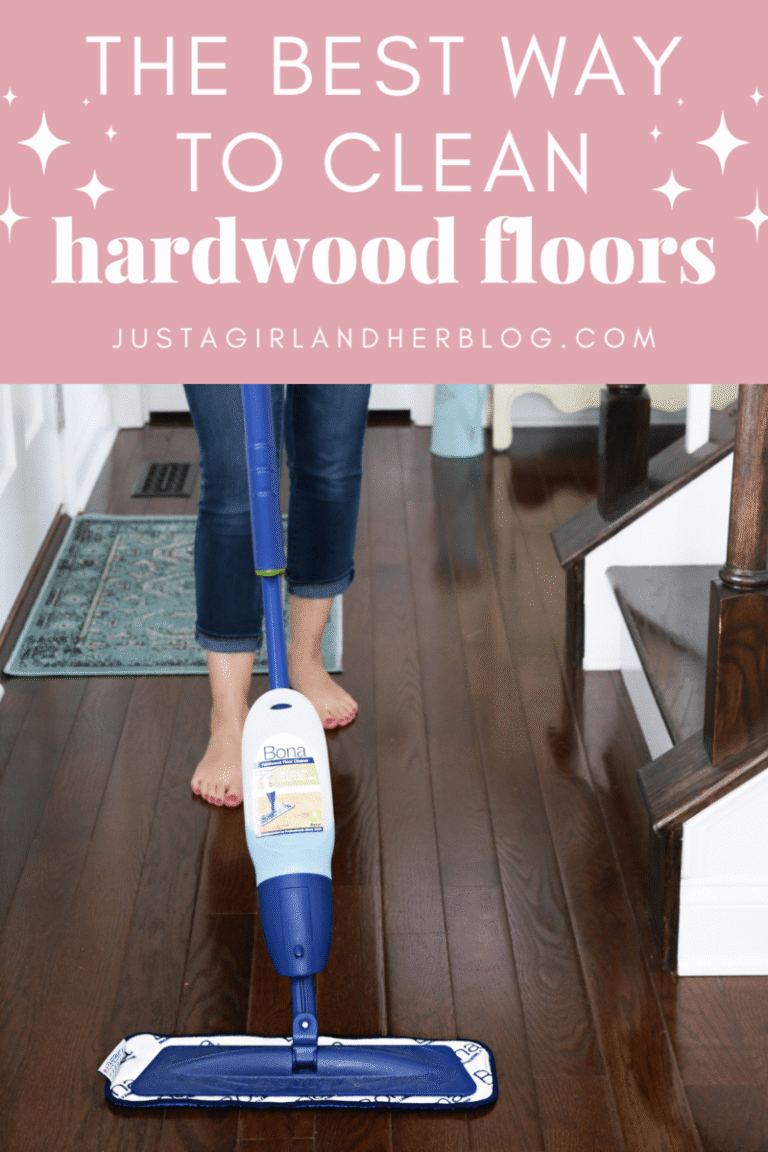
Avoid excessive water on hardwood since moisture can warp wood over time. Use a damp mop rather than a soaking wet one, and stick to pH-neutral cleaners. Vinegar solutions can dull the finish if used too frequently, so dilute them well and rinse afterward.
Tile and Grout
Tile handles most cat-safe cleaners well, including vinegar solutions and plant-based sprays. Grout needs extra attention since it can absorb residues. A soft toothbrush works great for getting into grout lines without using harsh chemicals.
Carpet
Carpet requires more care since it absorbs and holds onto whatever you put on it. Choose enzyme-based cleaners for stains, and consider a steam cleaner for deep sanitizing. Avoid carpet cleaners with strong fragrances or solvents.
Laminate and Vinyl
These surfaces work well with most gentle cleaners. Just don't let water pool or sit, as it can seep into seams and cause damage over time.
Mistakes Cat Owners Make with Floor Cleaners
After talking to countless cat owners and learning from my own early mistakes, I've noticed some common errors that are easy to avoid with a little awareness.
One of the biggest mistakes is assuming "natural" means safe. Essential oils are natural but can be highly toxic to cats. Tea tree oil, citrus oils, and many others pose real dangers even in small amounts.
Another common error is not rinsing floors after cleaning. Residues build up over time, creating a thin film that your cat then walks through and licks off their paws.
Mixing cleaners is also risky. Combining bleach with ammonia, for example, creates toxic fumes that are dangerous for everyone. Stick to one product at a time, and if you're switching cleaners, rinse thoroughly between uses.
Many people also underestimate how much cats lick their paws. Just a few minutes of grooming after walking across a treated floor can mean significant ingestion of whatever was applied there.
What to Do If You Suspect Your Cat Has Been Exposed
If your cat shows signs like excessive drooling, vomiting, difficulty breathing, or unusual lethargy after you've cleaned your floors, contact your veterinarian or the ASPCA Animal Poison Control Center right away.
Common signs of chemical exposure in cats include:
- Pawing at the mouth or face
- Loss of appetite
- Unusual hiding or restlessness
- Difficulty walking or coordination issues
- Seizures in severe cases
Time matters when dealing with potential poisoning, so don't wait to see if symptoms improve on their own. Keep the product packaging handy so your vet knows exactly what your cat may have been exposed to.
Reading Labels Like a Pro
Learning to read cleaning product labels has saved me from bringing home products that could harm my cats. Here's what to look for and what to skip.
Look for clear ingredient lists rather than proprietary blends. Companies confident in their products usually disclose all ingredients. Certifications from organizations like the EPA's Safer Choice program also signal that a product has been reviewed for safety.
Watch for vague marketing terms. Phrases like "pet-friendly" or "natural" aren't regulated, so they don't guarantee safety. Always check the actual ingredient list regardless of what's on the front label.
Be cautious with fragrance. Even synthetic fragrances that seem mild can bother cats. Unscented or lightly scented with cat-safe ingredients works best.
Check the pH when possible. Highly acidic or highly alkaline cleaners can damage both floors and your cat's paws if there's any contact before the floor dries.
Frequently Asked Questions
Is vinegar safe for cats on floors?
Yes, diluted white vinegar is safe for cats when used as a floor cleaner. Mix one cup of vinegar with one gallon of water for everyday cleaning. The smell dissipates quickly and leaves no harmful residues once dry.
Are steam mops safe for cats?
Steam mops are one of the safest floor cleaning options for cats because they use only water and heat. The high temperature sanitizes floors without any chemicals, making it ideal for households with pets.
What floor cleaners are toxic to cats?
Cleaners containing bleach, ammonia, phenols, formaldehyde, quaternary ammonium compounds, and high-concentration essential oils are toxic to cats. Always check labels and avoid products with these ingredients.
Can cats walk on floors after mopping?
Cats should stay off freshly mopped floors until they are completely dry, typically 15 to 30 minutes. This prevents paw contact with any cleaning residue and reduces the risk of slipping on wet surfaces.
Is Mrs. Meyer's floor cleaner safe for cats?
Some Mrs. Meyer's products are safer than conventional cleaners, but they contain essential oils and fragrances that some cats may react to. Check each product's specific ingredients, as formulations vary by scent and product type.
Keeping Your Home Clean and Your Cat Safe
Choosing a floor cleaner that's safe for cats comes down to understanding ingredients, reading labels, and establishing a routine that minimizes your cat's exposure during and after cleaning. Simple solutions like diluted vinegar, castile soap, and enzyme cleaners handle most situations without putting your feline friend at risk.
The peace of mind that comes from knowing your floors are truly safe for your cat to walk on, groom themselves, and play on is worth the small extra effort it takes to choose the right products. Your cat depends on you to keep their environment healthy, and with these guidelines, you can maintain a clean home without compromise.
Take a few minutes today to check your current floor cleaner against this guide. If it contains any questionable ingredients, consider switching to one of the safer alternatives. Your cat's health and your home's cleanliness can absolutely coexist with the right approach.