How To Start A Home Cleaning Service: Your Guide
Starting a home cleaning service requires business registration, proper equipment, cleaning supplies, and a marketing plan to attract your first clients. If you're looking for a business you can start with low upfront costs, a flexible schedule, and real demand in nearly every neighborhood, launching your own home cleaning service might be the smartest move you make this year. I've helped friends and small business owners set up cleaning services from scratch, and I'll walk you through every step so you can skip the guesswork and start strong.
Understanding the Home Cleaning Service Industry
The cleaning industry is one of the most stable and recession-resistant businesses you can enter. People always need their homes cleaned, and many are willing to pay for the convenience. Whether it's busy professionals, elderly homeowners, or families with young kids, the customer base is broad and consistent.
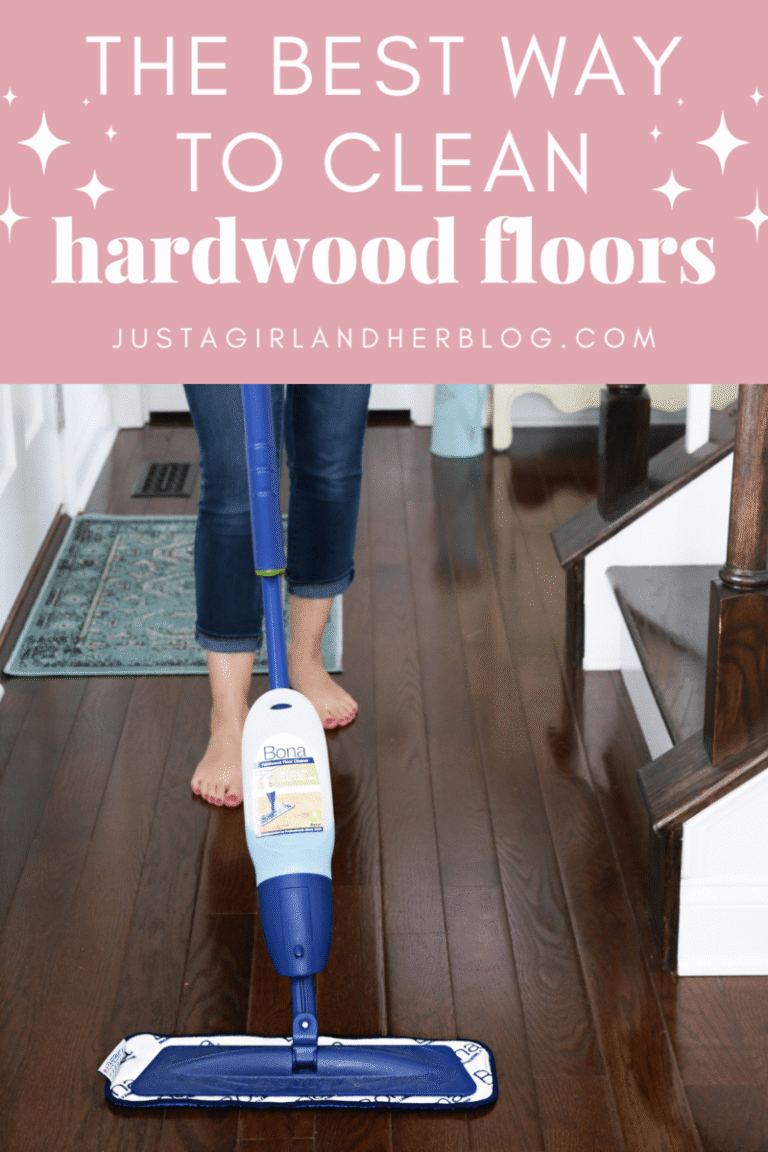
Residential cleaning services fall into a few main categories. Regular maintenance cleaning covers routine tasks like dusting, vacuuming, mopping, and bathroom sanitation. Deep cleaning goes further, tackling buildup in kitchens, baseboards, and hard-to-reach areas. Move-in and move-out cleaning targets empty properties, while specialty services like post-construction cleanup or eco-friendly cleaning appeal to niche markets.
Knowing which type of service you want to offer shapes everything from your pricing to your equipment list. If you're just starting out, most successful cleaning businesses begin with general residential cleaning and expand into specialties once they have a steady client base.
Creating a Business Plan for Your Cleaning Service
A solid business plan keeps you focused and makes future decisions easier. It doesn't have to be a hundred-page document. A simple plan covering your goals, target market, services, pricing, and growth strategy is enough to get started.
Start by defining your ideal customer. Are you targeting busy urban professionals, suburban families, or Airbnb hosts who need quick turnovers? Each group has different needs and expectations. Urban clients might want flexible evening appointments, while Airbnb hosts need fast, reliable cleanings between guests.
Next, outline your service packages. Most cleaning businesses offer weekly, biweekly, or monthly options. Some add one-time deep cleans or move-out packages. Pricing should reflect your local market, your costs, and the value you provide. Research what competitors charge in your area, then position yourself based on quality, reliability, or eco-friendly methods.
Registering Your Business and Meeting Legal Requirements
Before you pick up a mop, you need to handle the legal side. The exact steps depend on your state or country, but the basics are similar almost everywhere.
Choose a business structure. Many solo cleaners start as sole proprietors because it's simple and inexpensive. As you grow, forming an LLC protects your personal assets and gives your business a more professional image.
Register your business name with your local government and check that the domain is available if you plan to build a website. Apply for an EIN if you're in the U.S. and plan to hire employees or open a business bank account. Don't forget to look into business licenses and insurance. General liability insurance protects you if something gets damaged or someone gets hurt on the job, and it's often required by clients or commercial platforms.
Buying Cleaning Supplies and Equipment
Your supplies are the backbone of your service, so invest wisely from the start. You don't need the fanciest gear, but you do need reliable tools that make your work faster and more effective.
Basic equipment includes a high-quality vacuum with attachments, microfiber cloths, a mop and bucket, squeegees, scrub brushes, and caddies to carry everything. For supplies, stock all-purpose cleaners, disinfectants, glass cleaners, bathroom and kitchen degreasers, and trash bags. If you're offering eco-friendly services, look into plant-based, non-toxic products that appeal to green-minded customers.
Start with one full kit and build a second as you grow. Many new owners underestimate how much time is lost when supplies run out mid-job, so keep a checklist and restock regularly.
Setting Competitive and Profitable Prices
Pricing can make or break your business. Charge too much and you won't get clients. Charge too little and you'll burn out or fail to cover your costs.
Calculate your base hourly rate by adding up your expenses, including supplies, transportation, insurance, and the time it actually takes to clean. A common starting point for residential cleaning is between $25 and $50 per hour per cleaner, depending on your market. Many cleaners price by the job instead, offering flat rates based on home size and condition.
Flat-rate pricing is easier for customers to understand and often leads to more bookings. Just make sure your rates account for the average time each job takes. A three-bedroom home typically takes longer than a one-bedroom apartment, and deep cleans cost more than routine visits.
Building a Brand and Online Presence
Your brand is more than a logo. It's how customers feel when they think of your business. A clean, professional, and friendly brand helps you stand out in a crowded market.
Pick a memorable business name, design a simple logo, and choose a color scheme that reflects cleanliness and trust. Soft blues, greens, and whites work well for cleaning brands. Apply your branding consistently across your website, social media, uniforms, and cleaning checklists.
A basic website with your services, pricing, service area, and contact form is essential. Include before-and-after photos, customer testimonials, and an easy booking option. Optimize your site for local SEO by using phrases like "home cleaning service in [your city]" so neighbors can find you on Google.
Social media is also powerful for cleaning businesses. Short videos of you transforming a messy space into a spotless one perform extremely well on Instagram, TikTok, and Facebook. Sharing tips, client wins, and behind-the-scenes content builds trust and attracts new leads.
Finding Your First Cleaning Clients
Getting your first paying customers feels like the hardest step, but it doesn't have to be. Start with your personal network. Tell friends, family, coworkers, and neighbors about your new business and offer a launch discount for referrals.
Door-to-door outreach still works, especially in suburban neighborhoods. Bring a flyer, introduce yourself, and offer a small incentive for first-time clients. Partner with local real estate agents, property managers, and Airbnb hosts who need regular cleaning services. These partnerships can lead to steady, recurring work.
Online platforms like Thumbtack, TaskRabbit, and Care.com can help you find clients quickly, especially in the early days. Treat every job, even small ones, as a chance to earn a five-star review. Word of mouth is the most powerful marketing tool for cleaning services, and happy clients will tell their friends.
Managing Schedules, Clients, and Growth
Once bookings start coming in, staying organized becomes critical. Use scheduling software or a simple calendar system to track appointments, client preferences, and special instructions. Apps designed for cleaning businesses can handle invoicing, payments, and automated reminders, saving you hours each week.
Build a client list with notes on each home. Some clients prefer you skip certain rooms, use their own products, or focus on pet hair. Remembering these details makes you stand out and keeps clients coming back.
When demand grows beyond what you can handle alone, it's time to hire. Bring on trustworthy, detail-oriented cleaners who share your standards. Train them well, set clear expectations, and reward good work. Many successful cleaning businesses scale by building small teams that can handle multiple jobs per day.
Common Mistakes to Avoid When Starting Out
Every new business owner makes mistakes, but learning from others can save you time and money. One common pitfall is underpricing. Many new cleaners charge too little to attract clients, only to find they're working long hours for little profit. Know your worth and price accordingly.
Another mistake is skipping insurance. Accidents happen, and one damaged item or injury can cost far more than a year of insurance premiums. Protect yourself and your clients from day one.
Avoid relying on a single marketing channel. Social media is great, but combining it with local SEO, flyers, referrals, and partnerships creates a more stable flow of leads. Finally, don't neglect the business side. Tracking expenses, saving for taxes, and setting aside money for supplies keeps your business healthy even during slow months.
Tips for Long-Term Success in the Cleaning Industry
Once your business is running, focus on retention and reputation. Happy clients are far easier to keep than new ones are to find. Send thank-you notes, offer loyalty discounts, and follow up after each cleaning to make sure everything was perfect.
Invest in ongoing training for yourself and your team. New cleaning techniques, better products, and time-saving methods keep your service efficient and competitive. Stay connected to your community by supporting local events or partnering with small businesses.
As you grow, consider expanding into commercial cleaning, carpet cleaning, or organizing services. These add-ons increase your average ticket size and make your business more resilient to seasonal slowdowns.

Frequently Asked Questions
How much money do you need to start a home cleaning service?
You can start a basic home cleaning service with as little as $200 to $500, covering cleaning supplies, basic marketing materials, and insurance. Costs increase if you plan to hire help or invest in branded uniforms and a professional website.
Do I need a license to start a cleaning business?
Most small cleaning businesses need a basic business license, and many regions require general liability insurance. Requirements vary by location, so check with your local government before launching.
How do I find reliable cleaning staff?
Start with people you trust, like friends or former coworkers who have a strong work ethic. Use trial periods, check references, and observe their attention to detail before offering long-term roles.
How can I compete with established cleaning companies?
Focus on personalized service, reliability, and trust. Offer flexible scheduling, use eco-friendly products, and build relationships with clients. Small businesses often win on quality and customer care.
What is the average profit margin for a cleaning service?
Profit margins for residential cleaning businesses typically range from 10% to 28%, depending on size and efficiency. Solo operators often run leaner operations with higher margins, while larger teams have more overhead.
Conclusion
Starting a home cleaning service is one of the most accessible paths to business ownership, especially if you value flexibility, independence, and meaningful work. With the right plan, proper equipment, and a focus on customer satisfaction, you can build a steady income and grow at your own pace. Treat every home you clean like it's your own, and your reputation will do the marketing for you. Take the first step today, register your business, gather your supplies, and reach out to your first client. Your future as a cleaning business owner is closer than you think, and the opportunity is waiting right in your neighborhood.