how to use dryel at home dry cleaner: Honest Review
You can do dry cleaning at home using a home dry cleaning kit, a garment steamer, or hand-washing delicate fabrics with gentle detergent and careful drying methods. Most people assume dry cleaning is something only professionals can handle, but with the right tools and a little patience, you can safely freshen up your favorite "dry clean only" clothes without ever leaving the house. After years of dealing with stubborn stains on silk blouses and wool coats, I've learned that home dry cleaning is not only possible but often just as effective as dropping everything off at the cleaners.
What Is Dry Cleaning and How Does It Work at Home
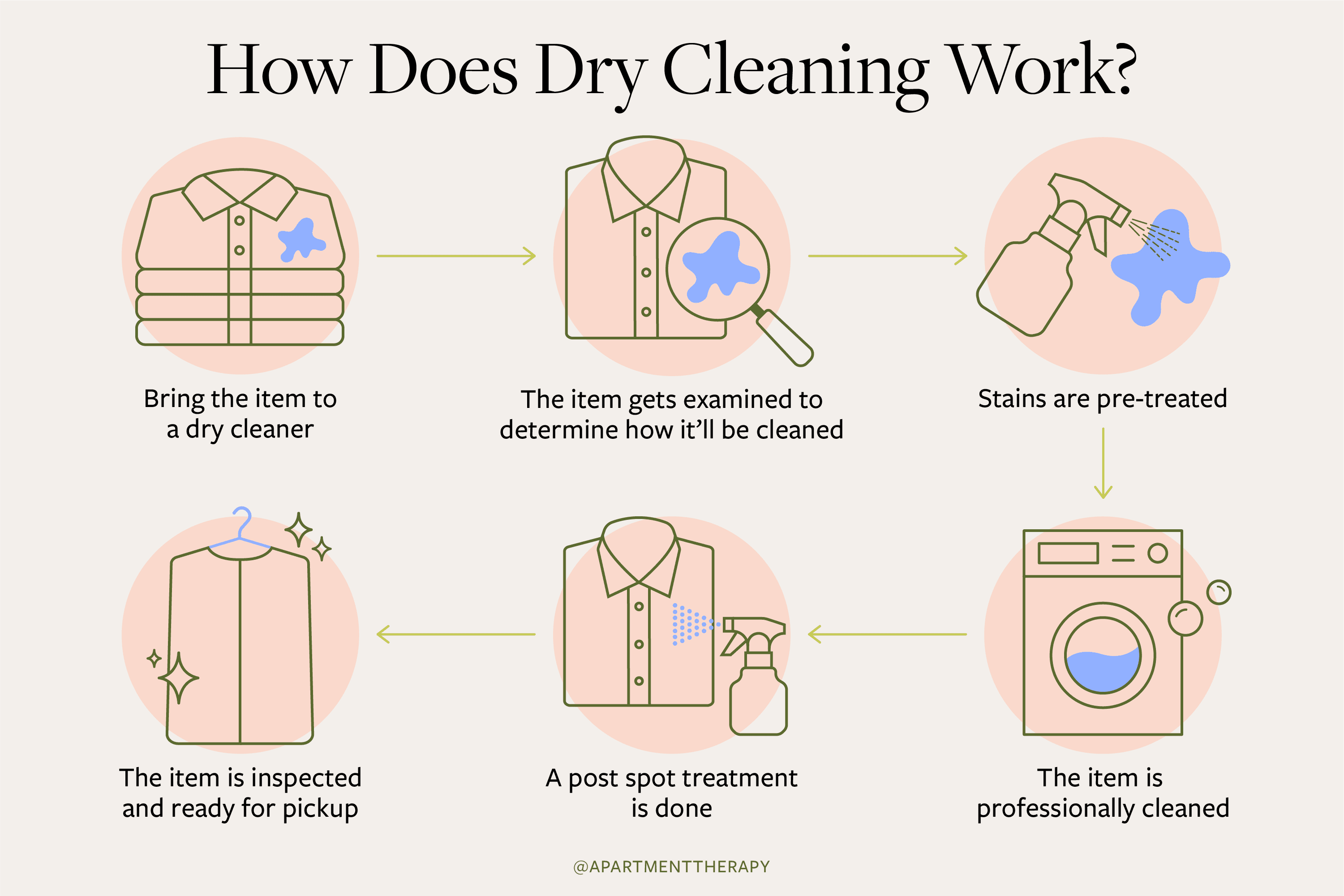
Dry cleaning is a cleaning process that uses a liquid chemical solvent instead of water to clean fabrics. The term "dry" refers to the fact that no water is used, which makes it ideal for delicate fabrics that can shrink, stretch, or lose their shape when exposed to moisture. Traditional dry cleaners use a machine similar to a washing machine, but instead of water, they use a solvent called perchloroethylene (perc) or newer, more eco-friendly alternatives.
At home, you can mimic this process using a few different methods. The most popular approach involves a home dry cleaning kit, which usually includes a stain remover, a cleaning cloth, and a special bag that goes in your dryer. The heat from the dryer activates the cleaning solution, which then releases odors and light stains from your clothes. Another method is hand-washing delicate items with a gentle detergent designed for dry-clean-only fabrics, followed by air-drying or steaming to remove wrinkles.
I remember the first time I tried home dry cleaning. I had a cashmere sweater with a small coffee stain, and I didn't want to spend $15 at the cleaners for such a small job. After researching and testing a few kits, I found one that worked beautifully, and the sweater came out looking and smelling fresh. That experience opened my eyes to how practical and affordable home dry cleaning can be.

When to Use Home Dry Cleaning Instead of Professional Services
Not every garment needs professional attention. Knowing when to skip the dry cleaner can save you time and money. Here are some situations where home dry cleaning works perfectly.
- Lightly worn clothes that just need freshening up
- Small spills or stains that haven't set into the fabric
- Garments labeled "dry clean only" that are made of materials like wool, silk, cashmere, or rayon
- Items with delicate embellishments that you want to handle carefully
- Regular maintenance between professional cleanings to extend the life of your clothes
However, there are times when you should still take your clothes to a professional. Heavily soiled items, garments with tough oil-based stains, structured pieces like suits or coats with interfacing, and items with intricate beading or leather accents are best left to the experts. Home dry cleaning is a great maintenance tool, but it isn't always a full replacement for professional care.
Essential Tools and Supplies You Need
Before you start, gather the right supplies. Having everything on hand makes the process smoother and prevents last-minute trips to the store. Here's what you'll need for a successful home dry cleaning session.
- A home dry cleaning kit (brands like Dryel or Woolite are popular choices)
- A mesh laundry bag or the bag that comes with your kit
- Garment steamer or iron with a steam setting
- Gentle detergent for hand-washing (like Woolite or Eucalan)
- Clean white towels
- A lint roller
- Hangers for drying
- Stain remover pen or gel for spot treatment
If you plan to do a lot of home dry cleaning, investing in a good garment steamer is worth it. Steamers work wonders on wrinkles and can also help freshen up fabrics between washes. I bought mine about three years ago, and it has paid for itself many times over by reducing my dry cleaning bills.
Step-by-Step Guide to Dry Cleaning at Home
Now let's get into the actual process. There are two main methods you can use at home, and I'll walk you through both so you can choose the one that fits your needs.
Using a Home Dry Cleaning Kit
Home dry cleaning kits are the easiest and most beginner-friendly option. They are designed to be safe for most dry-clean-only fabrics and require nothing more than your home dryer.
- Check the care label on your garment to make sure it's compatible with the kit.
- Pretreat any visible stains using the stain remover included in the kit.
- Place the garment in the kit's cleaning bag along with the moistened cleaning cloth.
- Zip the bag closed and put it in your dryer on medium or low heat for 15 to 30 minutes.
- Remove the garment promptly and hang it up immediately to prevent new wrinkles from forming.
- Use a steamer or iron on a low setting if any wrinkles remain.
Hand-Washing Delicate Fabrics
For more control over the process, hand-washing is a great alternative. It takes a bit more time, but it allows you to treat each piece individually.
- Fill a clean basin or sink with cool water and add a small amount of gentle detergent.
- Submerge the garment and gently swish it around. Do not wring, twist, or scrub the fabric.
- Let it soak for 10 to 15 minutes to loosen any dirt or odors.
- Drain the soapy water and rinse the garment in cool, clean water until all the soap is gone.
- Press excess water out by rolling the garment in a clean white towel. Do not wring.
- Lay the item flat on a dry towel or hang it on a padded hanger to air-dry away from direct sunlight or heat.

Best Fabrics and Garments for Home Dry Cleaning
Some fabrics respond better to home dry cleaning than others. Knowing which materials are safe to treat at home can prevent costly mistakes.
- Silk: Blouses, scarves, and dresses can be freshened with a kit or hand-washed with extreme care.
- Wool: Sweaters, suits, and trousers hold up well with home dry cleaning methods.
- Cashmere: Gentle hand-washing or a home kit works beautifully on this soft, delicate fiber.
- Rayon: A home kit is usually safe, but always test a small area first.
- Polyester blends: These are the easiest to clean at home and rarely need professional care.
- Linen: A gentle hand-wash and air-dry works well, though linen wrinkles easily.
A few years ago, I ruined a beautiful silk blouse by tossing it in the washing machine. That was a hard lesson, but it taught me to always read care labels and treat delicate fabrics with the respect they deserve. Now, I only use home dry cleaning methods for my silk pieces, and they have lasted much longer.
Common Mistakes to Avoid
Even with the best intentions, it's easy to make errors when dry cleaning at home. Here are some pitfalls to watch out for.
- Using too much heat: High temperatures can shrink natural fibers and damage delicate materials.
- Skipping the care label: Always check the label before treating any garment.
- Over-treating stains: Rubbing too hard can spread the stain or damage the fabric.
- Leaving clothes in the dryer too long: This can cause shrinkage or set in wrinkles.
- Using regular laundry detergent: Harsh detergents can strip natural fibers and cause colors to fade.
- Ignoring odors: If a garment smells musty, it may need a professional cleaning instead of a simple freshening.
Tips for Better Results Every Time
A few small habits can make a big difference in how your clothes turn out after home dry cleaning. These are the tips I share with anyone who asks me about caring for their wardrobe at home.
- Always treat stains as soon as possible. The longer a stain sits, the harder it is to remove.
- Use distilled water in your steamer to prevent mineral buildup on fabrics.
- Store cleaned garments in breathable garment bags, not plastic, to prevent moisture buildup.
- Clean your dryer's lint trap before each use to ensure even heat distribution.
- Rotate your clothes seasonally and clean them before storing them away.
- Keep a small sewing kit handy for quick repairs before they become bigger problems.
How to Handle Specific Stains at Home
Stains are a part of life, and knowing how to treat them at home can save your favorite clothes. Different stains require different approaches, so here's a quick guide.
- Oil-based stains: Sprinkle baby powder or cornstarch on the stain to absorb the oil, then treat with a stain remover.
- Water-based stains: Blot gently with a damp cloth and apply a small amount of mild detergent.
- Ink stains: Place a paper towel under the stain and dab with rubbing alcohol.
- Wine stains: Cover the stain with salt, then rinse with cool water and apply a gentle detergent.
- Sweat stains: Mix baking soda with water to form a paste, apply it to the stain, and let it sit before washing.
When in doubt, test any treatment on a hidden area of the garment first to make sure it doesn't cause discoloration. I once used a stain remover on a bright red dress without testing it first, and it left a small white spot that I couldn't fix. Lesson learned.
Eco-Friendly Home Dry Cleaning Options
If you're concerned about the environmental impact of traditional dry cleaning, there are greener ways to care for your clothes at home. Many conventional dry cleaners use perc, a chemical that has been linked to health and environmental issues. By dry cleaning at home, you can reduce your exposure to these chemicals and lower your carbon footprint.
Here are some eco-friendly options to consider.
- Use plant-based dry cleaning kits that avoid harsh chemicals.
- Choose steam cleaning as a chemical-free alternative for freshening fabrics.
- Make your own dry cleaning solution using ingredients like vinegar and essential oils for light freshening.
- Air-dry clothes outside to take advantage of natural sunlight and fresh air.
- Wash less frequently and spot-clean between full cleanings to reduce water and energy use.
I've been trying to make more sustainable choices in my daily life, and switching to home dry cleaning was an easy step. Not only does it save me money, but it also gives me peace of mind knowing I'm not contributing to chemical pollution.
Frequently Asked Questions
Is home dry cleaning as effective as professional cleaning?
Home dry cleaning is excellent for freshening up clothes and treating light stains, but it may not match the deep cleaning power of professional equipment for heavily soiled items or tough stains.
Can I use a home dry cleaning kit on any fabric?
Most kits are safe for common dry-clean-only fabrics like silk, wool, and cashmere, but always check the care label and the kit's instructions before use.
How often should I dry clean clothes at home?
It depends on how often you wear the item and how dirty it gets. A good rule of thumb is to freshen clothes after every two to three wears or whenever they start to look or smell less than fresh.
Will home dry cleaning shrink my clothes?
If you follow the instructions carefully and use the correct heat settings, home dry cleaning should not cause shrinkage. Always use low or medium heat and avoid over-drying.
Can I dry clean at home without a kit?
Yes, you can hand-wash delicate items with gentle detergent and air-dry them, or use a garment steamer to freshen fabrics between washes.
Conclusion
Doing dry cleaning at home is easier than most people think, and once you get the hang of it, it can become a regular part of your laundry routine. From using a convenient home kit to hand-washing your most delicate pieces, you have plenty of options to keep your clothes looking their best without the hassle or cost of frequent trips to the cleaner. Start with one or two garments, follow the steps I've shared, and you'll quickly build the confidence to handle your entire wardrobe at home. Your clothes will last longer, your wallet will thank you, and you'll have one more thing you can handle like a pro. Try it out this weekend and see the difference for yourself.