What Does Oven Cleaner Do to Countertops 2026
Accidentally getting oven cleaner on your countertops can be a homeowner’s nightmare. This highly potent chemical, designed to cut through baked-on grease, can quickly wreak havoc on your kitchen surfaces if not handled with extreme caution. Understanding exactly what oven cleaner does to countertops is crucial for preventing costly damage.
Our research indicates that oven cleaners contain harsh chemicals like sodium hydroxide (lye) or potassium hydroxide, which are highly alkaline and corrosive. These ingredients are extremely effective at breaking down baked-on food residues but are far too aggressive for most countertop materials, leading to permanent surface alterations. According to typical manufacturer specifications, these cleaners operate at a very high pH level, often above 12.
Quick Answer: What Oven Cleaner Does to Countertops
Oven cleaner, with its strong alkaline chemicals like lye, aggressively breaks down and etches most countertop surfaces. This can cause permanent discoloration, dullness, pitting, and even structural damage to materials like granite, quartz, laminate, and solid surface. It's not designed for countertops and can quickly ruin their finish and integrity.
Why Oven Cleaner Isn't for Your Countertops: The Chemical Reaction
Oven cleaners are formulated with powerful caustic agents to tackle incredibly tough, baked-on grease and burnt food. Their primary job involves breaking the chemical bonds in solidified oils and food particles, making them soluble in water so they can be wiped away. This effectiveness comes from a high pH, often 12 or higher, indicating a strongly alkaline solution.
When this high-pH solution comes into contact with common countertop materials, it doesn't distinguish between old cooking grime and the countertop itself. The chemicals react with the surface, attempting to break down its components just as they would a grease stain. This reaction is essentially a controlled, albeit unintended, chemical burn on the countertop material.
This aggressive action can lead to several types of damage, depending on the countertop's composition. Natural stone can have its sealer stripped and its minerals etched, while engineered materials can suffer discoloration or a breakdown of their resin binders. Always check the oven cleaner's label; it will explicitly state "for oven use only" and warn against contact with other surfaces.
How Oven Cleaner Damages Different Countertop Materials
The impact of oven cleaner varies based on what your countertops are made of. Each material has a different chemical makeup and porousness, making it more or less susceptible to damage. Understanding these differences is key to recognizing the problem and knowing what you’re dealing with.
Granite: Etching, Dullness, and Sealing Issues
Granite is a natural stone, and its beauty lies in its unique mineral composition and its protective sealant. Oven cleaner can be devastating to granite. The strong alkaline chemicals will strip away the sealant almost immediately.
A properly sealed granite surface repels liquids, but once the sealer is gone, the granite itself becomes vulnerable.
After the sealer is compromised, the chemicals can begin to etch the surface of the granite. Etching isn't really a stain; it's physical damage that dulls the shine and can create tiny pits in the stone. This is especially noticeable on polished granite surfaces, where the dull areas appear as lighter or darker splotches.
Over time, repeated exposure or a significant spill can lead to permanent dullness and a rough texture that’s difficult to restore.
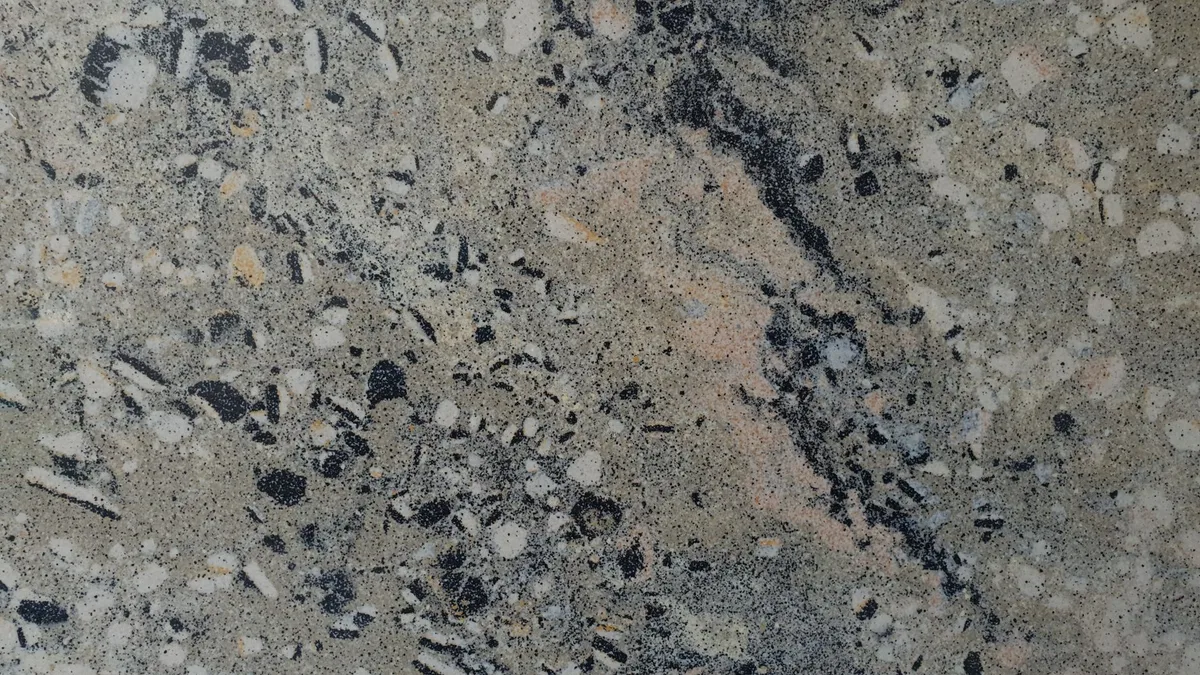
In severe cases, particularly with prolonged contact, the corrosive nature of oven cleaner can even begin to break down the mineral components within the granite itself. Restoring granite that has been severely etched by oven cleaner often requires professional honing and re-sealing, and sometimes the damage is irreversible. Using a pH-neutral cleaner specifically designed for natural stone is important.
Quartz: Chemical Burns and Finish Damage
Engineered quartz countertops, known for their durability, are not immune to oven cleaner. These surfaces are made from about 90% natural quartz crystals mixed with resins and pigments. The resins make quartz non-porous and easy to clean, but they are also its weak point when it comes to harsh chemicals.
Oven cleaners, especially lye-based ones, can attack these resins. This reaction can cause "chemical burns" on the quartz surface. You might see white or discolored spots, a dulling of the glossy finish, or even a slight degradation of the material's surface.
Unlike granite, quartz is typically not sealed, meaning the resins themselves are directly exposed.
Damage to quartz can be significant because it's a composite material. The resins are integral to its structure and appearance. If these resins are damaged, the countertop’s color, sheen, and structural integrity can be compromised.
The exact resin formulations vary by manufacturer, meaning damage can differ, but the risk is consistently high.
Laminate: Discoloration and Material Breakdown
Laminate countertops are popular for their affordability and wide range of looks. They consist of pressed paper or particleboard topped with a decorative laminate sheet and a clear protective wear layer. While this wear layer offers some resistance to daily wear, it's not designed to withstand harsh chemicals like oven cleaner.
When oven cleaner is spilled on laminate, it can quickly penetrate the protective layer or damage its integrity. The alkaline chemicals can cause the decorative layer to discolor, appearing as dark spots or bleached-out areas. They can also soften or lift the adhesive holding the layers together, leading to bubbling or peeling.
The cleaner can begin to dissolve the very structure of the laminate material.
This damage is often permanent because the discolored or softened areas are part of the laminate's surface. Even if you neutralize the cleaner, the cosmetic damage will likely remain. For laminate, a gentle, pH-neutral cleaner is always recommended, and spills should be wiped up immediately.
Solid Surface: Pitting and Permanent Marks
Solid surface countertops, like those made from Corian, offer a seamless, non-porous surface. They are manufactured from a blend of acrylic polymers and mineral fillers. While generally resilient and repairable, they are still vulnerable to aggressive chemicals.
Oven cleaner can cause pitting and permanent marks on solid surface materials. The alkaline nature of the cleaner can react with the acrylic resins, creating soft spots or dull areas. If the cleaner is left on the surface, it can lead to physical damage, resulting in small indentations or pits in the material.
These pits alter the smooth, seamless feel of the countertop.
Repairing damage on solid surface can be effective for scratches and minor dulling, as the material can be sanded and re-polished. However, deep pitting or extensive discoloration caused by oven cleaner might be beyond simple repair and could require professional intervention or partial replacement.
The Real Risks: Safety Hazards of Using Oven Cleaner on Countertops
Beyond aesthetic damage, using oven cleaner on countertops carries significant safety risks. These chemicals are potent for a reason, and that potency translates to potential harm for both surfaces and well-being. Understanding these dangers prevents further problems.
Surface Damage: From Slight Etching to Permanent Destruction
The primary risk is permanent damage to your countertops. This is often a costly repair or replacement job. Etching on natural stone, discoloration on laminate, or pitting on solid surface materials are generally irreversible.
Once the chemical reaction occurs, the original finish and integrity are compromised. A chemical burn on stone or resin can't simply be wiped away.
Health Risks: Breathing Fumes and Chemical Contact
Oven cleaners release strong fumes that can be harmful if inhaled. In a confined kitchen space, ventilation is paramount. Inhaling these fumes can cause respiratory irritation, coughing, shortness of breath, and headaches.
Individuals with pre-existing respiratory conditions may face severe reactions. Direct skin contact can cause chemical burns and irritation by stripping natural oils. Eye contact is extremely hazardous, potentially leading to severe pain and vision damage.
Always wear chemical-resistant gloves and eye protection, and ensure the area is well-ventilated.
What to Do If Oven Cleaner Touches Your Countertops: Immediate Steps
If oven cleaner contacts your countertops, acting fast is crucial to minimize damage. Time allows the chemical to penetrate and react. Here’s what to do for fresh or dried spills.
For Fresh Spills: Wiping and Rinsing
- Blot Excess: Gently blot up as much liquid cleaner as possible with a clean cloth or paper towel. Avoid vigorous wiping, which can spread the cleaner and push it into porous surfaces or seams.
- Neutralize: Mix equal parts white vinegar and water. Vinegar, being acidic, counteracts the cleaner's alkalinity.
- Rinse Thoroughly: Dampen another cloth with the vinegar solution and dab the area. Immediately follow by rinsing with a cloth dampened with plain water. Repeat rinsing to ensure all traces of cleaner and neutralizer are removed.
- Dry Completely: Use a clean, dry towel. For porous materials like granite, let the area air dry fully, possibly with a fan, to prevent trapped moisture.
For Dried or Etched Areas: Damage Assessment and Mitigation
If you discover dried oven cleaner or visible changes, the situation is more serious. Your options depend on the material and damage extent.
- Assess Damage: Examine the affected area for discoloration, dull spots, pitting, or textural changes. Understanding the type and severity is key to deciding next steps.
- Attempt Gentle Cleaning: Try cleaning with a mild, pH-neutral cleaner suitable for your countertop material and a soft cloth. Sometimes, superficial residue can look like deeper damage.
- Consider Professional Help: For most materials, once etching or pitting occurs, professional intervention is needed. This is particularly true for quartz and granite, requiring specialized tools and knowledge for restoration.
- Acceptance (in some cases): Unfortunately, some damage from oven cleaner is permanent. If discoloration is deep or etching is severe, you may need to live with the mark or consider countertop replacement.
Safer Alternatives for Sparkling Countertops
Given the risks from oven cleaner, knowing safe and effective alternatives is wise for keeping kitchen surfaces clean. Sticking to products designed for your countertop material saves headaches and protects your investment.
Everyday Cleaning: Dish Soap and Water
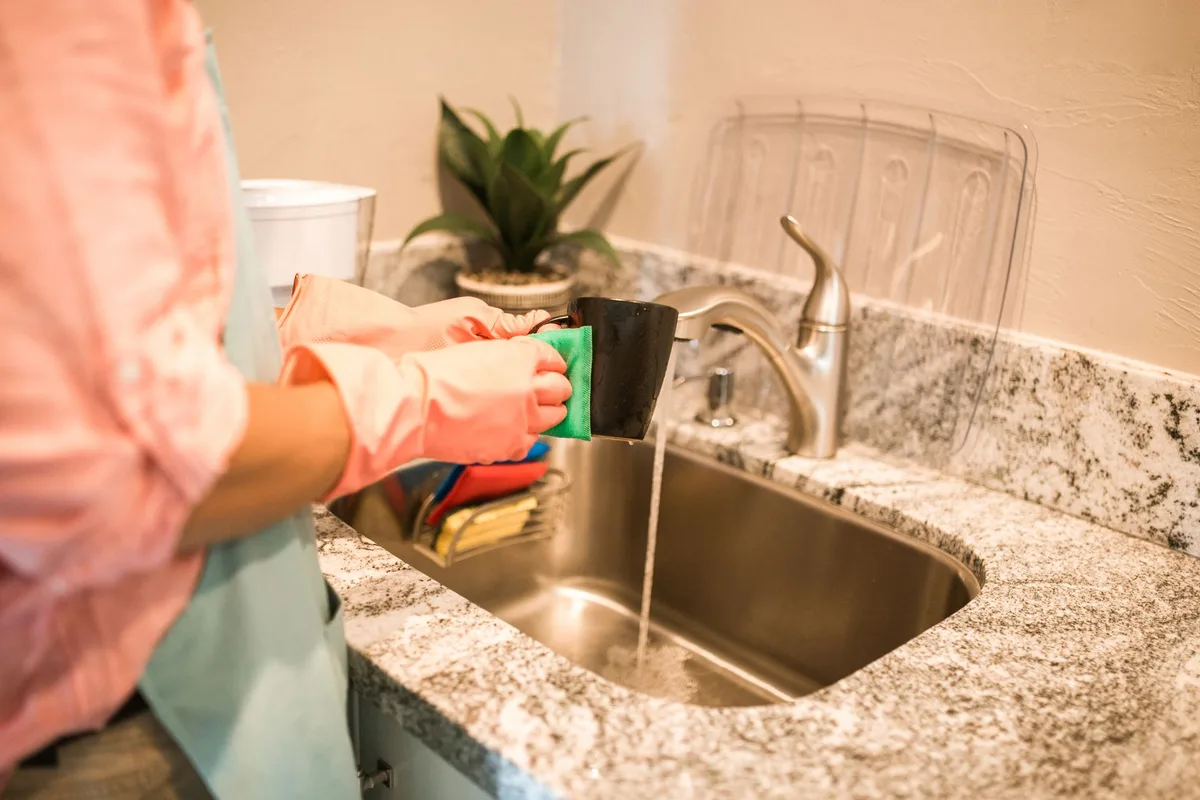
For daily upkeep and minor spills, mild dish soap and warm water are usually sufficient. Most manufacturers recommend this method. It effectively removes everyday grease, food particles, and general grime without surface damage.
- How to use it: Mix a few drops of pH-neutral dish soap into warm water. Dampen a soft cloth or sponge, wring it out, and wipe the countertops. Rinse with plain water to remove soap residue. Dry with a clean microfiber cloth to prevent water spots and streaks.
Gentle Scrubbing: Baking Soda Paste
For tougher messes, a paste of baking soda and water can be a gentle abrasive. Baking soda has mild alkalinity and fine grit that lifts grime without being overly harsh.
- How to use it: Mix baking soda with just enough water to form a thick paste. Apply to stubborn spots. Let sit briefly; don't let it dry completely. Gently scrub with a soft cloth or sponge. Rinse thoroughly and dry. Caution: Test baking soda paste in an inconspicuous area first on dark or polished surfaces to ensure it doesn't cause hazing.
Specialized Cleaners: Choosing the Right Product for Your Material
For specific materials like natural stones (granite, marble) or engineered surfaces (quartz), using a product formulated for them is safest. These cleaners are pH-balanced to clean effectively without stripping sealers, etching stone, or damaging resins.
- For Granite and Marble: Look for "pH-neutral stone cleaner" or "granite cleaner." These maintain natural beauty and sealant integrity.
- For Quartz: Use cleaners specifically for engineered quartz. These avoid attacking resin binders. Many quartz manufacturers offer branded cleaning products.
- For Laminate and Solid Surface: While dish soap often suffices, gentle all-purpose cleaners are available. Always check manufacturer recommendations for your specific brand.
Expert Tips: Proactive Countertop Care and Prevention
Stopping damage before it starts is easier than fixing it. Proactive habits keep countertops looking great and avoid accidental chemical mishaps.
- Read Labels Carefully (for everything): Even mild products can harm specific countertop materials. Always check cleaning product labels for warnings.
- Immediate Spill Cleanup: Make wiping up spills the moment they happen a habit. Don't let liquids sit, especially colorful or acidic ones.
- Use Trivets and Coasters: This indirectly protects against chemical spills by keeping items on coasters, reducing tipping risks.
- Store Chemicals Safely: Keep harsh chemicals like oven cleaner in original containers, securely stored away from food preparation areas and out of reach of children and pets.
- Know Your Material: If unsure about your countertops, find out from your builder or previous owner. This knowledge is invaluable for choosing correct cleaning products and understanding limitations.
- Consider a High-Quality Sealer (for natural stone): Properly sealed granite or marble delays liquid absorption, giving more time to clean spills before damage or staining occurs. Reapply sealant as recommended, typically every 1-3 years.
When to Call a Professional
Sometimes, countertop damage from oven cleaner is beyond DIY repair. Attempting home fixes on engineered materials or natural stones can worsen the issue. Knowing when to call in pros ensures the best outcome.
This is especially true for quartz and solid surface countertops, where resins and binders can be chemically altered. If you see persistent discoloration, deep pitting, or a loss of sheen that gentle cleaning can't fix, consult a countertop fabricator or repair specialist. They have specialized compounds and equipment for surface restoration.
Real Scenarios: What People Learned the Hard Way
Accidents happen, and many homeowners learn about oven cleaner dangers the hard way. A common scenario involves spraying cleaner for a greasy stovetop that drifts onto adjacent countertops. Before the mistake registers, the cleaner starts its corrosive action.
Another incident involves someone using oven cleaner for a general kitchen degreasing, not realizing its specific use. Applying it liberally leads to discovering dull spots on previously gleaming granite. These experiences underscore the need to use products designed for specific surfaces.
How to Clean Countertops Safely and Effectively
The best way to clean countertops uses material-appropriate products and techniques. For most surfaces, a pH-neutral cleaner (around 7 on the pH scale) is your best bet. This level is neither too acidic nor too alkaline to cause damage.
Always start with the mildest method, like dish soap and water. Escalate only if necessary. For natural stones, use cleaners specifically for them to preserve sealants and prevent etching.
For engineered surfaces, strictly follow manufacturer guidelines.
What to Look for in Countertop Cleaning Products
Prioritize ingredients when choosing a cleaner. Avoid products with ammonia, bleach, strong acids, or bases. Look for labels stating "safe for granite," "quartz-safe," or "pH-neutral."
Many brands offer specific countertop cleaners. Reviewing the Safety Data Sheet (SDS) for your countertop material or the cleaner itself provides crucial compatibility insights. As of 2026, consistent material compatibility testing is key in surface care product development.