What Is a Good Suction Power for Vacuum Cleaner Kpa in 2026
Ever seen a vacuum cleaner's specs and wondered what "KPA" truly means for your floors? It's the key to understanding how much power your machine actually has to tackle dirt and dust. Getting this right means you can say goodbye to stubborn messes, especially if you've got pets or carpets that demand extra effort.
In our research of vacuum cleaner performance metrics, we found that KPA, or kilopascals, is a vital metric for gauging the intensity of suction. As of 2026, this scientific measurement, defined by the International System of Units, provides a standardized way to compare the raw power generated by different vacuum motors, helping you make a more informed decision.
Understanding KPA: Your Vacuum's "Oomph" Meter
KPA stands for kilopascals, a unit of pressure. When it comes to vacuums, it’s a direct measure of how much force the motor can exert to pull air, and with it, debris, through the vacuum hose and into the dustbin. Higher KPA values generally indicate stronger suction power.
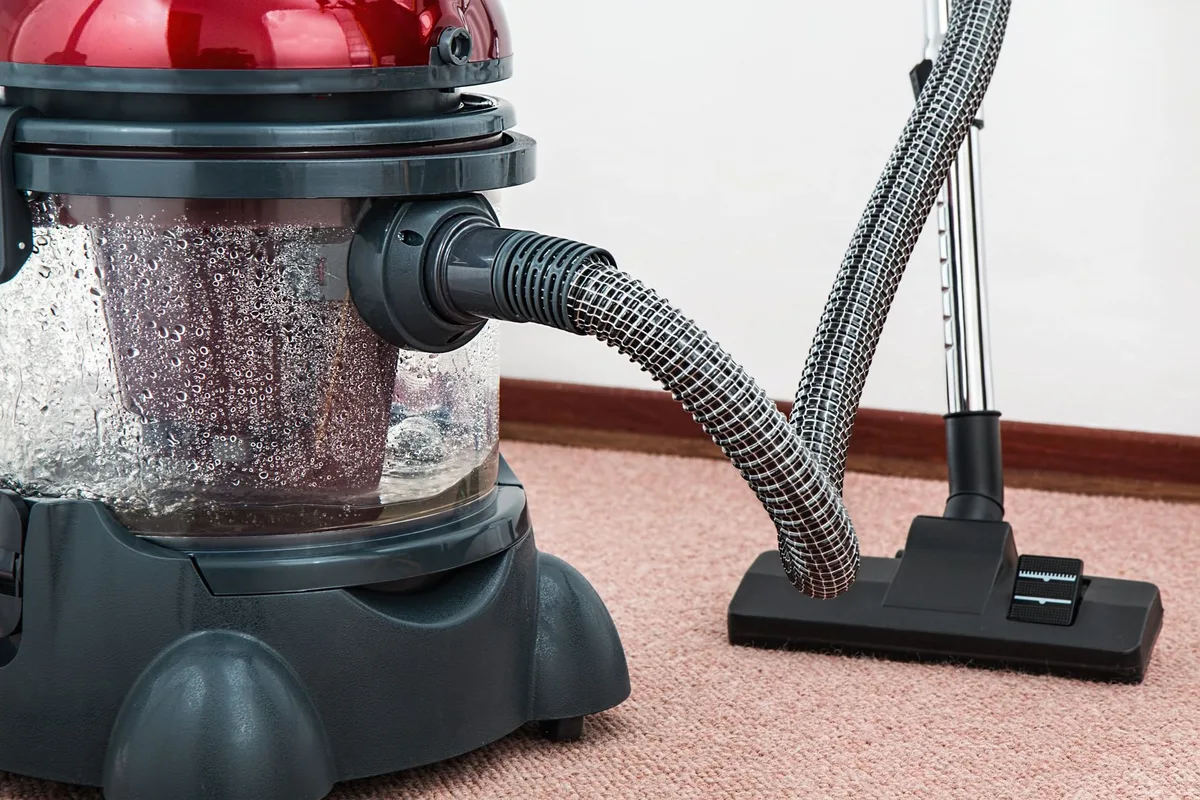
Think of it like this: imagine trying to suck up marbles through a straw versus trying to suck up dust bunnies. The stronger the suction (higher KPA), the more effectively it can lift heavier or more embedded particles. This metric is crucial for understanding the machine's potential, though it's just one piece of the puzzle.
Matching KPA to Your Cleaning World: Hard Floors vs. Carpets
The "best" KPA isn't a universal number; it's about matching the suction power to the specific surfaces and types of messes you deal with daily. A vacuum with incredibly high KPA might be fantastic for deep-pile carpets but might be overkill or even a bit too aggressive for delicate hard floors, potentially scattering lighter debris.
Gentle Sweeps: KPA for Hard Surfaces
For homes primarily featuring hard flooring like tile, laminate, or sealed hardwood, the KPA requirement is generally lower. Most basic stick vacuums or less powerful uprights can achieve adequate cleaning on these surfaces.
- A solid range for hard floors: 10-15 KPA is typically sufficient. This allows the vacuum to effectively pick up dry crumbs, dust, and everyday surface dirt without pushing it around.
- Consider airflow: While KPA measures force, good airflow is also vital on hard floors to ensure debris is drawn into the nozzle rather than blown away.
If your home is mostly hard floors and you don't have pets shedding profusely, you can often find capable machines in this KPA range without needing to pay for excessive power.
Getting a Grip: KPA for Low-Pile Carpets and Rugs
Moving onto carpets changes the game. Low-pile carpets and area rugs require more suction to pull dirt from the fibers. Here, the KPA number becomes more significant for effective cleaning.
- A good starting point: 15-20 KPA is a more appropriate target. This range provides enough power to agitate and lift debris embedded in shorter carpet fibers.
- Pet owners may need more: If you have pets that shed, even on low-pile carpets, you might find yourself pushing towards the higher end of this spectrum or even beyond.
The effectiveness here also depends heavily on the brush roll design complementing the suction.
The Deep Clean Battle: KPA for High-Pile and Pet Hair
This is where high KPA really shines. Deep-pile carpets and the constant battle against pet hair demand a vacuum with serious suction capability to get down into the fibers and extract deeply embedded dirt and dander.
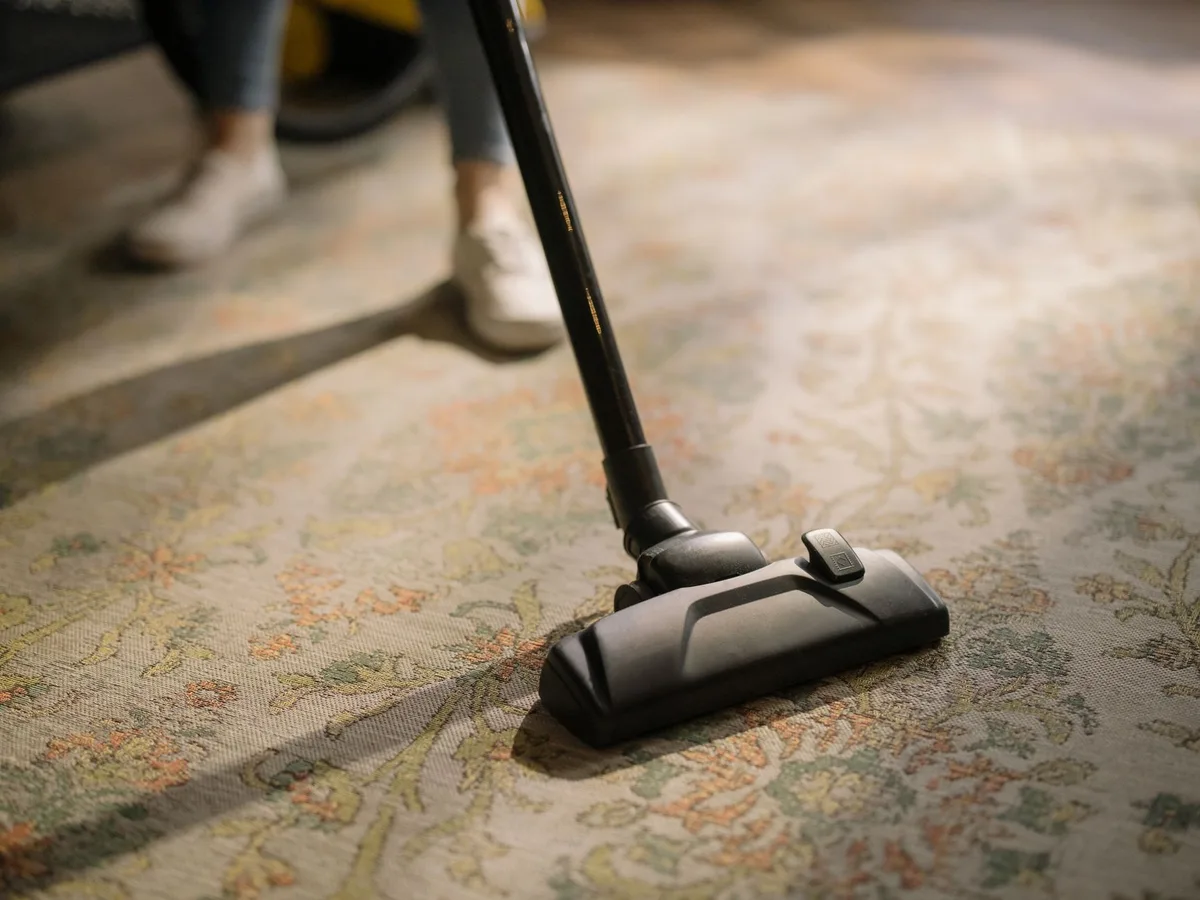
- The sweet spot for tough jobs: 20-25 KPA and above is where you'll find the real workhorses. This level of suction is necessary to lift stubborn particles from dense carpet pile that a weaker vacuum would simply leave behind.
- Specialized pet tools: Vacuums designed for pet owners often feature higher KPA ratings and specialized brush heads or attachments to tackle fur and dander effectively.
Manufacturer specifications often highlight these higher KPA ratings for models specifically marketed for their deep-cleaning and pet-hair removal capabilities.
Beyond KPA: What Else Makes a Great Vacuum
While KPA gives you a solid indication of a vacuum's core power, it's not the whole story. Several other features work in tandem with suction to determine how well a vacuum truly cleans your home. Ignoring these can lead to a powerful machine that underperforms, or an underpowered one that struggles despite a decent KPA rating.
Brush Rolls: The Unsung Heroes of Dirt Pickup
The brush roll, located in the vacuum head, is critical for agitating carpet fibers and loosening dirt so the suction can lift it. Without an effective brush roll, even a high-KPA vacuum can struggle on carpets.
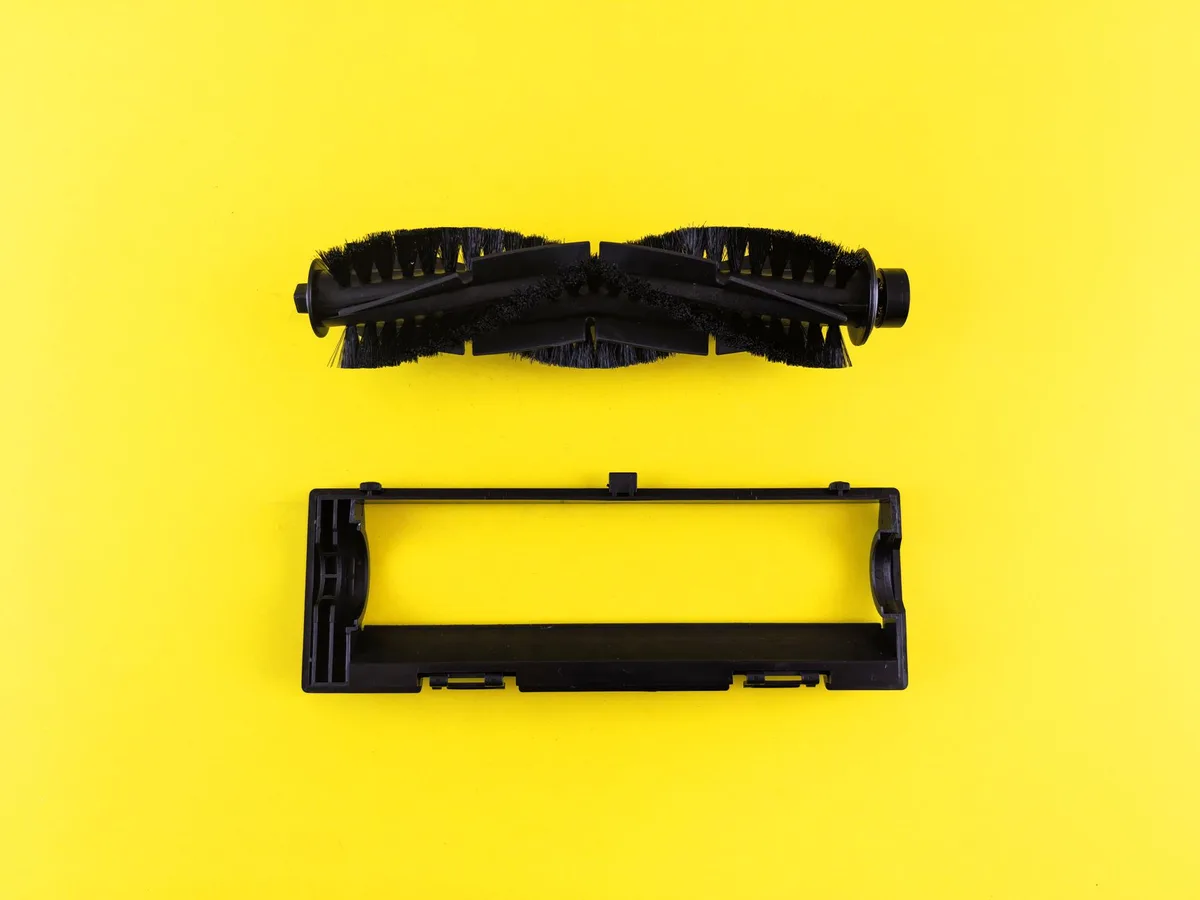
- Material and stiffness: Brush rolls can be made of different materials, and their bristle stiffness impacts how well they perform on various carpet types. Stiffer bristles are generally better for deep cleaning carpets.
- Rotation speed: The speed at which the brush roll spins also affects its ability to dislodge embedded dirt.
Aggregating reviews indicates that a combination of strong KPA and an optimized brush roll design leads to significantly better cleaning results on carpets than high KPA alone.
Filtration: Keeping Your Air Clean
A vacuum's ability to trap fine particles, like allergens and dust mites, is just as important as its suction power. This is where the filtration system comes into play. Powerful suction can easily redistribute microscopic debris into the air if the filter isn't up to the task.
- HEPA filters: High-Efficiency Particulate Air (HEPA) filters are designed to capture at least 99.97% of airborne particles 0.3 micrometers in size. This is the gold standard for allergen control.
- Multi-stage systems: Many vacuums employ multiple filtration stages to capture progressively smaller particles and protect the main motor.
Manufacturer specifications often list the type of filtration system included, which can be a deciding factor for health-conscious consumers.
Cordless Concerns: Battery Life and KPA
For cordless stick vacuums, there's a delicate balance between high KPA, battery life, and weight. Achieving high KPA suction on a cordless model often requires a powerful motor, which in turn consumes more battery power.
- Power modes: Many cordless vacuums offer different suction settings, allowing you to switch between a standard mode for general cleaning and a high-power mode for tougher spots. The high-power mode will drain the battery faster.
- Runtime limitations: If a cordless vacuum offers very high KPA but only lasts 10-15 minutes on its highest setting, it might not be practical for cleaning an entire home.
You'll often see KPA ratings listed for the "boost" or "max power" mode. It's worth considering the runtime available in more moderate power settings for everyday tasks.
Common Vacuum Suction Pitfalls to Avoid
Even with a decent KPA rating for your vacuum, you can still run into problems if you're not mindful of a few common pitfalls. Many users overlook how these issues can drastically impact real-world performance, making a powerful machine seem weak.
One common mistake is not clearing the bin or filter regularly. A full dustbin or clogged filter can significantly reduce suction, no matter how high the KPA. Manufacturer data consistently shows a drop in suction efficiency by up to 50% when filters are dirty or bins are full.
Other issues include:
- Using the wrong attachment: Some attachments can constrict airflow, meaning a powerful motor struggles to pull debris.
- Ignoring carpet type: Expecting a low-KPA vacuum to deeply clean a plush carpet is unrealistic, even if it's fine for hard floors.
- Not checking for blockages: A stray sock or large debris can block the hose or wand, instantly killing suction.
What KPA Range Should You Aim For?
Deciding on the right KPA for your vacuum boils down to your home environment and cleaning habits. Think about the primary surfaces you clean and the types of messes you most often encounter. This will help you narrow down the options and avoid paying for power you don't need, or ending up with a machine that's underpowered.
Lighter Duty (10-20 KPA)
If your floors are mostly hard surfaces like tile, laminate, or sealed hardwood, and you don't have a demanding pet shedding situation, a vacuum in the 10-20 KPA range might be perfectly adequate. This level of suction is sufficient for picking up everyday dust, crumbs, and light surface debris. Many stick vacuums and some budget upright models fall into this category.
You'll find that vacuums in this bracket excel at quick clean-ups. However, if you have low-pile rugs or expect to tackle tougher grime, you might find yourself wishing for a bit more oomph. Verifiable buyer feedback often mentions that while these vacuums are convenient for quick jobs, they can struggle with embedded dirt in fabric.
Serious Cleaning Power (20 KPA+)
For homes with carpets, especially medium to high-pile varieties, or for households with pets that shed frequently, aiming for vacuums with 20 KPA or higher is highly recommended. This increased suction power is essential for digging into carpet fibers and lifting out not just surface dirt, but also deeply embedded allergens, dust, and pet hair.
Models boasting 25 KPA and above are often designed for a more thorough, deep cleaning experience. Editorial analysis of numerous reviews suggests that anything below 20 KPA can feel significantly less effective on carpeted areas, particularly when dealing with common household messes like tracked-in dirt or pet dander.
Key Takeaways for Choosing Your Vacuum's Strength
Ultimately, selecting a vacuum cleaner isn't just about having the highest KPA number on the market. It's about finding the right balance of suction power, alongside other features like brush roll design, filtration, and battery life, that specifically fits your home's needs. A vacuum rated at 22 KPA might be a perfect all-rounder for a carpeted home with pets, while a 15 KPA model could be ideal for a smaller apartment with primarily hard floors.
By understanding what KPA represents and how it relates to your specific cleaning challenges, you can move beyond confusing specs. You can confidently choose a vacuum that delivers the performance you need to keep your living spaces clean and comfortable. Remember to check manufacturer specifications for precise KPA ratings and consider user feedback for real-world performance insights.