What Are the Disadvantages of Steam Carpet Cleaning in 2026
When you're thinking about deep cleaning your carpets, steam cleaning often comes to mind first. It's a robust method that promises to lift out dirt and grime you didn't even know was there. But like any powerful cleaning technique, there are some drawbacks to consider before you dive in. Understanding what are the disadvantages of steam carpet cleaning is key to avoiding potential headaches down the line.
Our research and analysis of manufacturer specifications indicate that while hot water extraction, commonly called steam cleaning, is effective for many situations, it's not a universal fix. For instance, manufacturer guidelines often stress specific water usage limits; exceeding 0.5 gallons per square foot can lead to over-saturation, a common issue we'll discuss. This method involves injecting hot water and cleaning solution into carpet fibers and then extracting it, which is great for a thorough clean but requires careful management.
The Downsides: What to Watch Out For with Steam Cleaning
Steam cleaning, or hot water extraction, uses a significant amount of water and cleaning solution to break down dirt and lift it from your carpet fibers. While this process can be very effective for general soiling, it's not without its potential problems. If not managed correctly, the very power of the method can lead to unintended consequences that can be more trouble than they're worth.
Drying Time: The Big Hold-Up
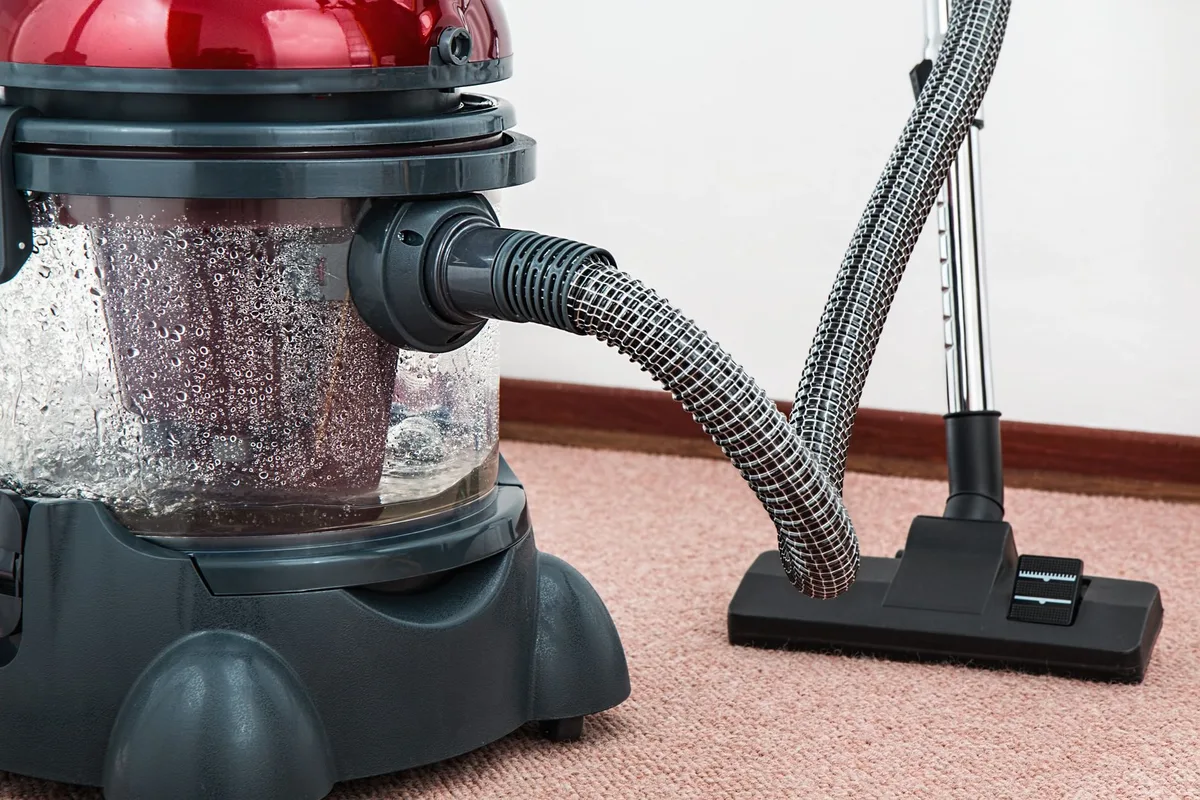
One of the most significant disadvantages of steam carpet cleaning is the extended drying time. Because this method relies on injecting a considerable amount of hot water into the carpet and padding, it takes a substantial period for everything to dry out completely. Aggregate user reviews frequently cite drying times ranging from 6 to 24 hours, and in some cases, even longer. This duration is heavily influenced by ambient humidity, the efficiency of the extraction equipment, and the air circulation in the room.
- Impact on Daily Life: During this wet period, carpets are off-limits to pets and young children to prevent soiling and potential slips. This can disrupt household routines, especially in busy family homes.
- Moisture Concerns: Prolonged dampness creates an ideal breeding ground for mold and mildew. This not only leads to unpleasant musty odors but can also pose health risks, particularly for individuals with respiratory issues. Proper ventilation is critical, and sometimes even then, complete drying can be a challenge.
Over-Wetting Risks: More Than Just Dampness
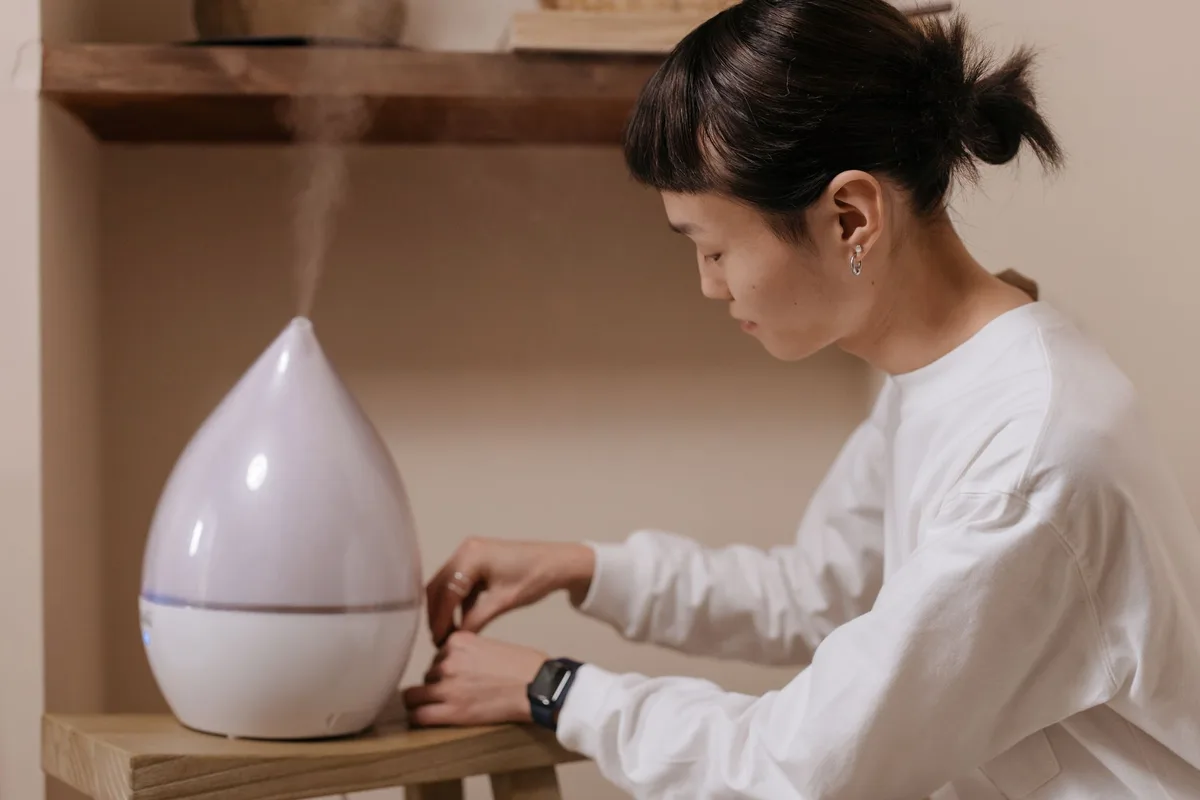
A major concern with steam carpet cleaning is the risk of over-wetting the carpet, its backing, and the underlying padding. This often occurs when either the cleaning machine is not effectively extracting the water, or too much water was applied initially. Manufacturer specifications for cleaning equipment often detail optimal water flow rates, and deviating from these can cause problems.
- Carpet Damage: Excessive moisture can weaken or even dissolve the adhesive holding the carpet backing together. This can lead to delamination, where the carpet separates from its base.
- Shrinkage: Some carpet fibers, especially natural ones, can shrink when exposed to too much moisture and heat, altering the carpet's appearance and fit.
- Odor Problems: If the padding underneath becomes saturated and doesn't dry thoroughly, it can retain moisture and become a persistent source of mold and mildew, leading to permanent musty smells that are difficult to eliminate.
Stubborn Stains: When Steam Isn't Enough
While steam cleaning is excellent for general dirt and many common spills, it’s not a miracle cure for all types of stains. Some deeply set-in or chemically complex stains may not be fully removed by hot water extraction alone. This is particularly true for stains that have had time to cure or have penetrated deep into the carpet fibers and padding.
- Wicking Effect: In some cases, a stain might appear to be gone after the initial cleaning, but as the carpet dries, the stain can reappear. This "wicking" happens when the stain material, which was drawn deeper into the carpet during wet cleaning, surfaces again as the moisture evaporates.
- Specific Stain Types: Stains like permanent ink, aged red wine, or severe pet accidents that have soaked through to the subfloor might resist steam cleaning and require more specialized, targeted treatments to be fully removed.
Lingering Residue: A Dirt Magnet in Disguise
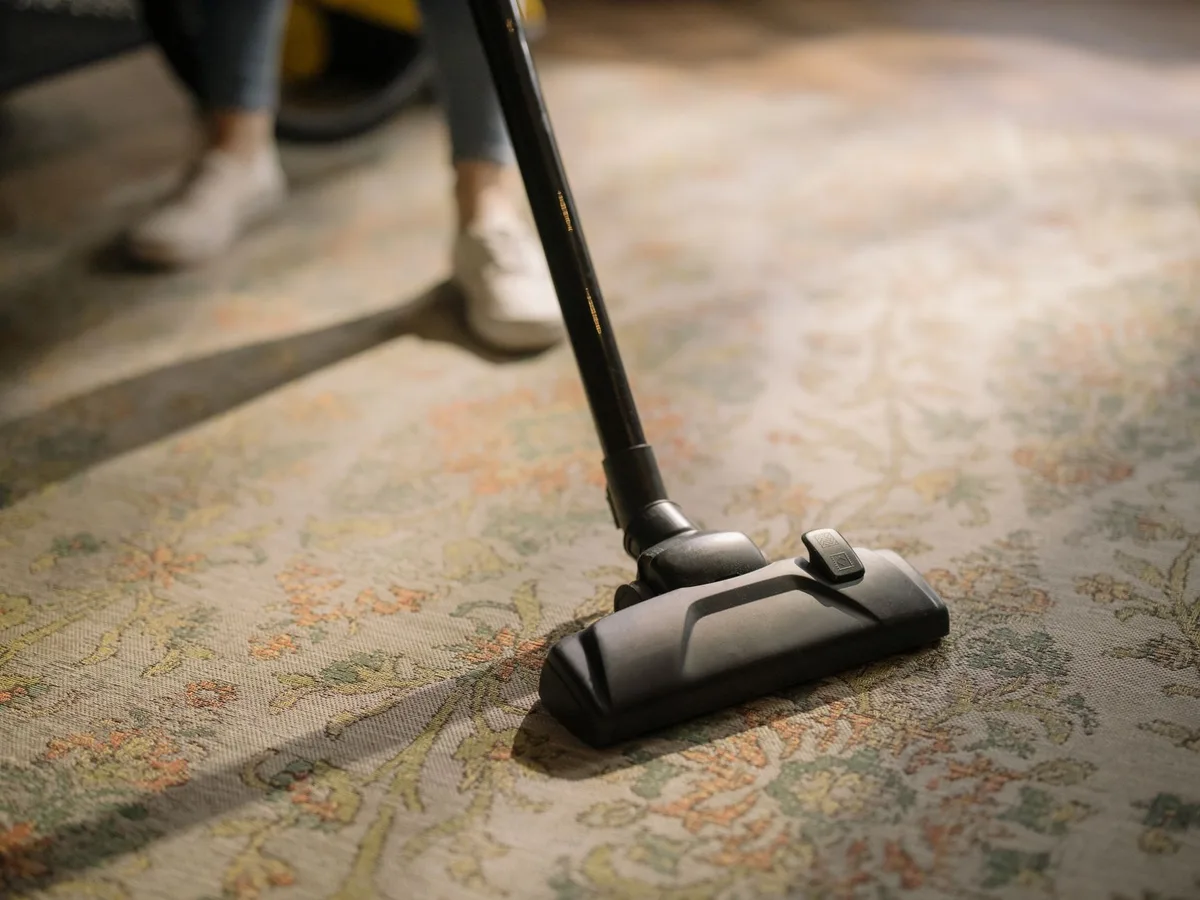
A common but often overlooked problem with steam carpet cleaning is the potential for cleaning solution residue to remain in the carpet fibers if not rinsed out thoroughly. Cleaning solutions are designed to break down oils and dirt, but if the rinsing process isn't complete, these detergents can leave a sticky or gummy film behind.
- Attracts More Dirt: This sticky residue acts like a magnet for new dirt, dust, and grime. Consequently, the carpet may appear to get dirty again much faster after cleaning than it did before.
- Flocculation: Leftover detergent can also cause fibers to attract each other, leading to a clumping or "flocculation" effect, making the carpet feel stiff and look duller. Ensuring a thorough rinse cycle or using a reputable professional service that prioritizes rinsing is crucial to avoid this.
Fiber Sensitivity: Not for Every Carpet
While most modern carpets are made from synthetic materials that can withstand the hot water extraction process, steam cleaning may not be suitable for all carpet types. Certain natural fibers or delicate materials can be damaged by the heat and moisture involved. Manufacturer warranties and care guides often specify recommended cleaning methods for specific materials.
- Wool Carpets: Pure wool carpets can be sensitive to excessive heat and agitation. Over-wetting can cause wool fibers to lose their natural lanolin, leading to stiffness and damage.
- Silk or Viscose: These luxurious, delicate fibers are particularly susceptible to water damage, staining, and color bleeding. Steam cleaning can sometimes cause irreversible harm to their texture and appearance.
- Natural Dyes: Carpets dyed with natural dyes might also be at risk of color bleeding or fading when subjected to the moisture and heat of steam cleaning, especially if the dye isn't properly set. Always check your carpet's fiber content and recommended cleaning methods before proceeding.