What to Look for When Buying a Vacuum Cleaner 2026
So, you're staring down the barrel of buying a new vacuum, and honestly, it feels like deciphering a secret code. What to look for when buying a vacuum cleaner isn't just about picking the prettiest model; it's about finding a workhorse that fits your home and your life. Get it wrong, and you're stuck with a dust collector that just pushes dirt around.
Let's cut through the noise. Our research shows that the best choice hinges on understanding your specific needs, from carpet pile height to whether Fido sheds enough to knit a sweater. For instance, manufacturer specifications often detail filtration capabilities, with many modern vacuums aiming for HEPA filtration, which captures at least 99.97% of particles 0.3 micrometers in size.
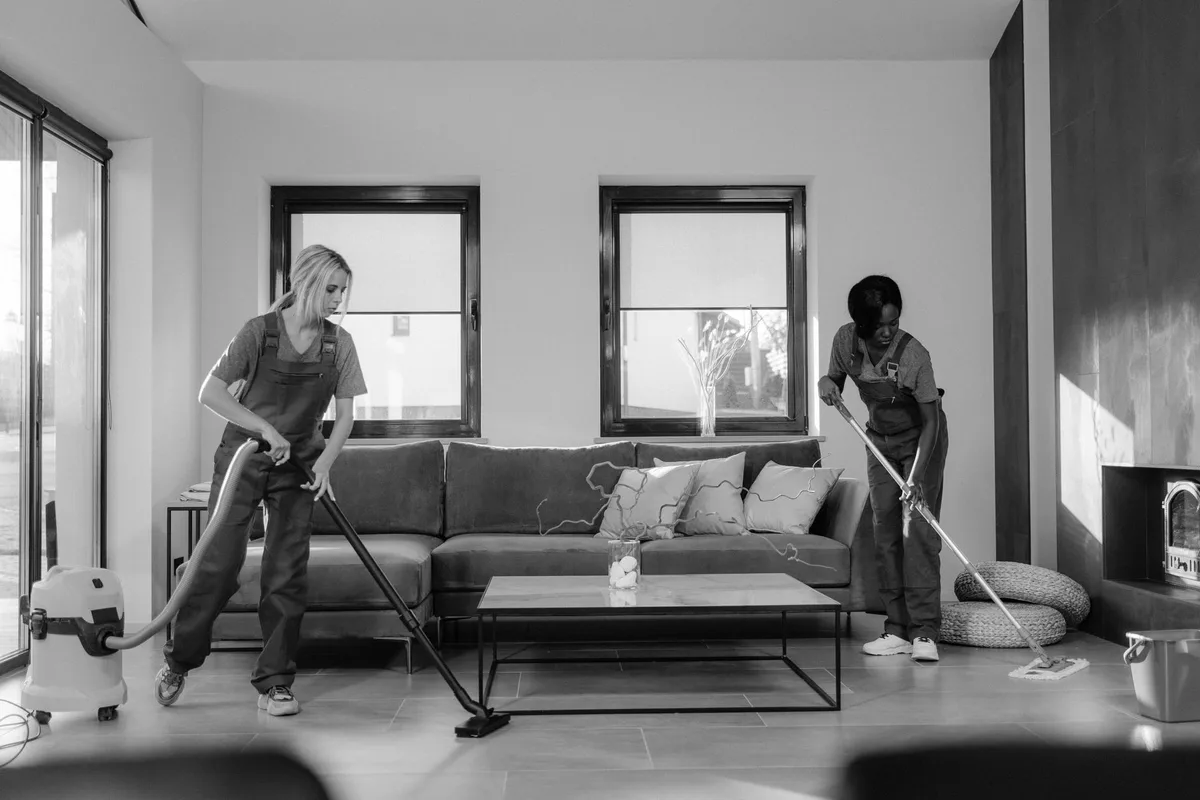
Your Home's Floor Game: What Are You Cleaning?
This is where the rubber meets the road, or rather, where the vacuum meets the floor. No single machine is a universal solution. Understanding your primary floor types is the most critical first step, as it dictates the kind of power, brush type, and features you’ll need.
Carpets, Carpets Everywhere
If your home is drowning in carpet, whether it's plush, low-pile, or somewhere in between, you need a vacuum built for the job. Aggressive suction power is a must here, but just as important is the brush roll. A good carpet vacuum needs a brush roll that can agitate the carpet fibers and lift out embedded dirt, dust, and pet hair that tends to cling stubbornly.
Look for models that offer adjustable height settings for the brush roll. This ensures optimal performance across different carpet thicknesses, preventing the vacuum from digging too deep into thick pile or not having enough contact with thinner carpets.
Hardwood & Tile Dominance
On the flip side, if your domain is mostly hardwood floors, laminate, tile, or other hard surfaces, your needs shift. The goal here is gentle efficiency. You want to pick up fine dust, crumbs, and debris without scratching or damaging your floors.
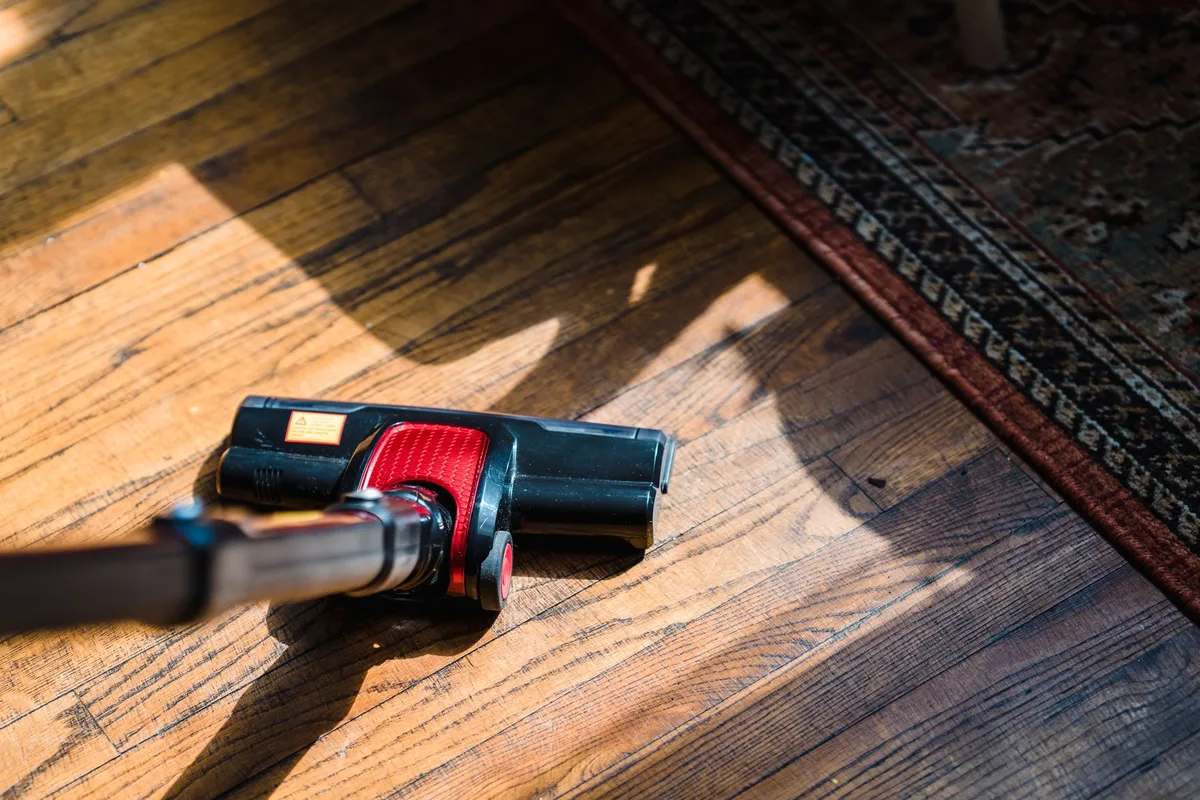
Vacuums designed for hard floors often feature a soft roller head or provide an easy way to turn off the main brush roll. This prevents scattering fine particles and protects delicate surfaces. Some models even have specialized "bare floor" settings that adjust suction and brush speed for optimal debris pickup.
The Mixed Bag
Most homes aren't strictly one or the other. You likely have a combination of carpets and hard floors. For this scenario, versatility is your best friend. You need a vacuum that can seamlessly transition between floor types.
Many modern upright and stick vacuums are engineered with this in mind. They often have a main brush roll that can be turned off or a switchable head that adapts to different surfaces. This flexibility means you won’t have to switch vacuums or perform complex adjustments every time you move from the living room rug to the kitchen tiles.
Vacuum Cleaner Types: Choosing Your Champion
Within the world of vacuums, there are several distinct categories, each with its own set of pros and cons. Understanding these types will help you narrow down the options based on your home's layout and your cleaning habits.
Upright Vacuums
Upright vacuums are a classic choice, often favored for their power and efficiency on carpets. They typically have a wider cleaning path, which can speed up cleaning larger areas. Their design means the motor and the brush roll are integrated into a single unit, providing strong agitation for deep-pile carpets.
However, uprights can sometimes be on the heavier side, which might make them less ideal for homes with many stairs or for users who have difficulty maneuvering heavier appliances. They are generally best suited for extensive carpeted areas and general-purpose floor cleaning.
Canister Vacuums
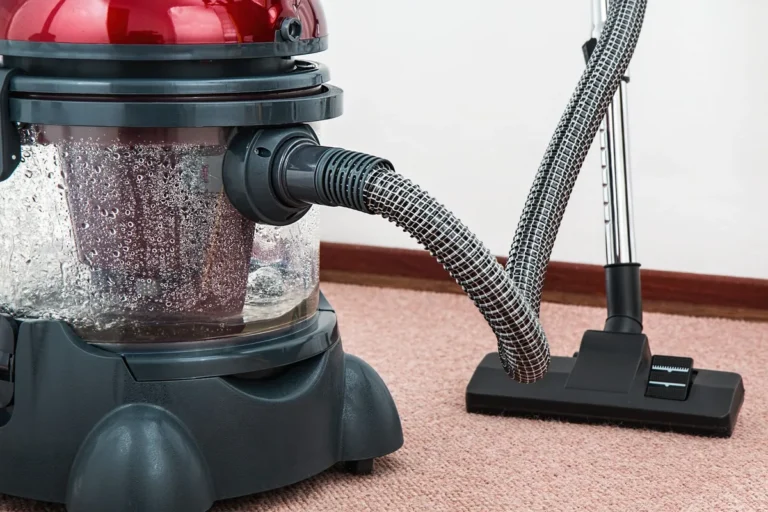
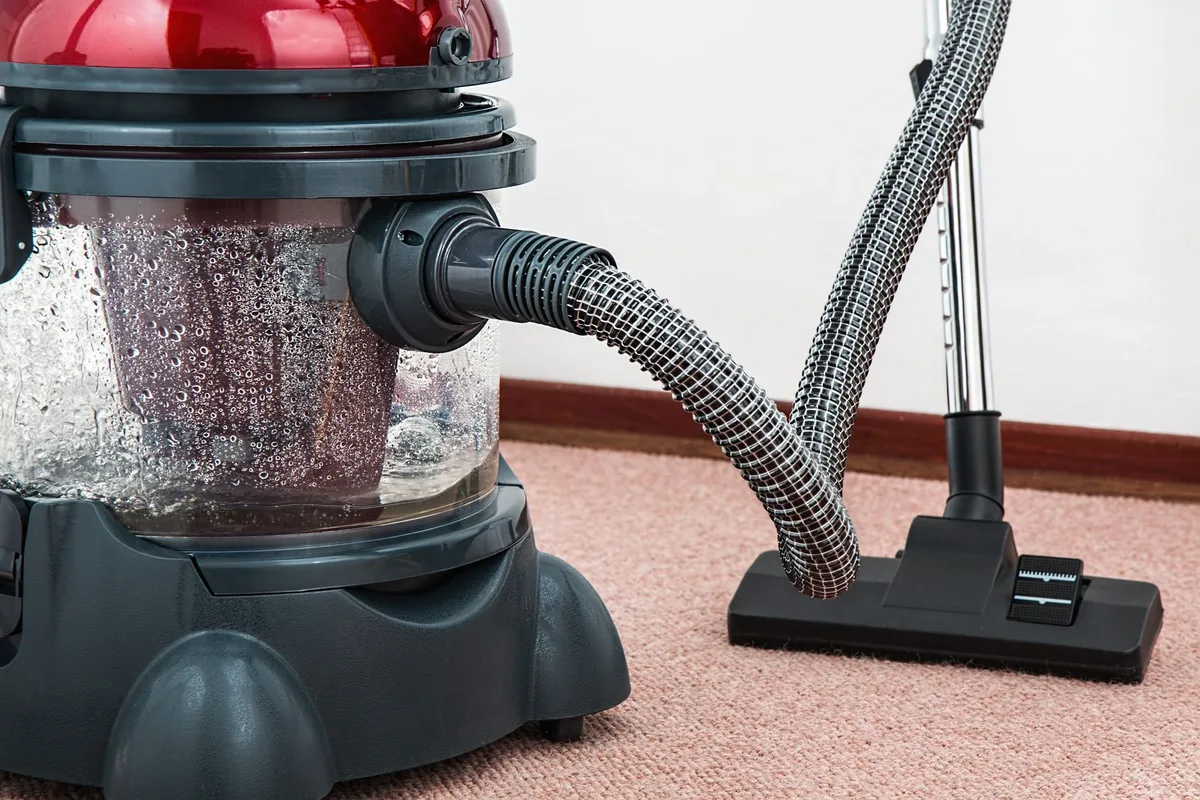
Canister vacuums consist of a main body (the canister) that houses the motor and dustbin, connected by a hose and wand to the cleaning head. This separation offers significant advantages in maneuverability. The cleaning head is lighter and more agile, making it easier to navigate around furniture, under tables, and into tight corners.
The canister design often allows for more powerful suction and better noise insulation. They also tend to excel at above-floor cleaning tasks, such as dusting furniture, cleaning upholstery, or reaching high corners with the right attachments. If you have a lot of hard floors or need enhanced versatility, a canister vacuum is a strong contender.
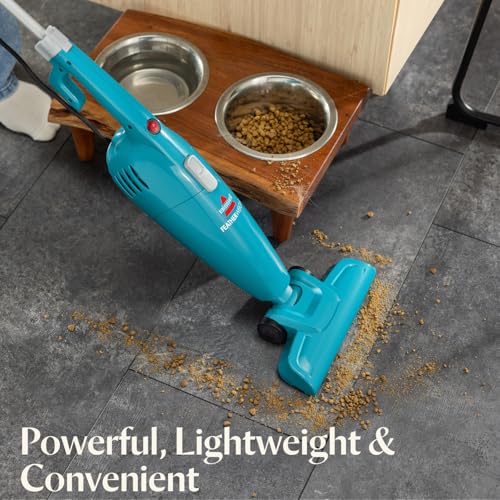
Cordless Stick Vacuums
Cordless stick vacuums have seen a massive surge in popularity, and for good reason. Their lightweight design and battery-powered convenience make them incredibly easy to use for quick cleanups. Without the restriction of a power cord, you can zip around your home without constantly searching for an outlet.
The trade-off is typically battery life and sometimes suction power compared to corded models. As of 2026, battery technology has improved significantly, with many offering 30-60 minutes of runtime on a single charge. These are fantastic for apartments, quick daily tidying, and reaching areas that are inconvenient for larger vacuums.
Robot Vacuums
Robot vacuums are designed for automated maintenance cleaning. They navigate your home autonomously, picking up dust, crumbs, and pet hair on a schedule. While they won't replace your primary vacuum for deep cleaning sessions, they are excellent for keeping floors tidy between those more thorough cleanings.
Consider these for busy households that want to maintain a consistent level of cleanliness with minimal effort. Their effectiveness can vary widely, with advanced models offering features like smart mapping, self-emptying dustbins, and edge cleaning capabilities. They are best suited for regular upkeep rather than tackling heavy messes or deep-pile carpets.
Handheld Vacuums
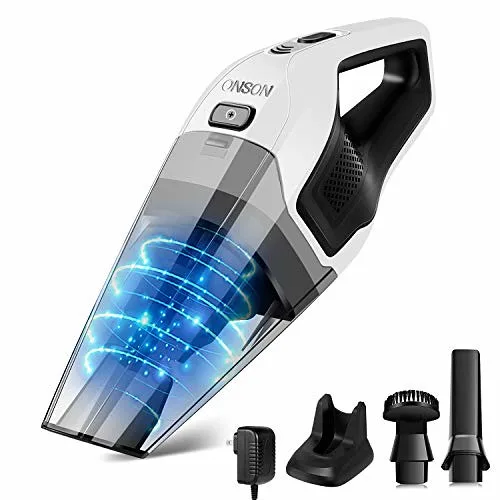
Handheld vacuums are compact, portable units designed for spot cleaning and targeted tasks. Think quick spills on the couch, crumbs under the dining table, or cleaning out the car interior. They offer convenience for small, localized messes but lack the power and capacity for cleaning entire rooms or floors.
Their small size and lightweight nature make them incredibly easy to grab and use for quick interventions. They are a valuable secondary tool rather than a primary cleaning appliance for most homes.
Key Features That Actually Matter
Beyond the category, specific features can dramatically impact a vacuum's performance and your overall satisfaction. Don't just look at the price tag; dig into what makes a vacuum tick.
Suction Power: Beyond the Numbers
Manufacturer specifications often list motor wattage or air watts, but these numbers alone don't always tell the full story of how well a vacuum will pick up dirt. Real-world suction is a combination of motor power, how well the vacuum seals air, and the design of the cleaning head.
Aggregate reviews and independent testing often highlight that a vacuum's ability to maintain strong suction across different surfaces and throughout its dustbin capacity is a key performance indicator. Look for vacuums that are consistently praised for their ability to lift stubborn debris, not just move it around.
Filtration: For Cleaner Air
This is a critical feature, especially if you or anyone in your household suffers from allergies or asthma. A vacuum's filtration system determines how effectively it traps microscopic particles like dust mites, pollen, and pet dander. Standard vacuums might simply recirculate fine dust back into the air.
Vacuums with a HEPA (High-Efficiency Particulate Air) filter are designed to capture at least 99.97% of airborne particles 0.3 micrometers in diameter. This level of filtration can significantly improve indoor air quality. When researching, confirm the vacuum explicitly states it has a HEPA filter and ideally, check if it's certified by relevant standards bodies for performance.
Weight, Maneuverability, and Your Chore Day
Cleaning shouldn't feel like a strenuous workout. The weight and how easily a vacuum moves can make a huge difference in how often you actually clean and how much effort it takes.
Lighter is Better: Carrying and Reaching
If you have multiple levels in your home, you'll be carrying the vacuum up and down stairs. A lighter machine, whether it's a sleek cordless stick or a canister with a well-designed hose and wand, will save your back and your energy. Consider the total weight of the unit, not just the handheld portion.
For taller individuals, ensure the wand and handle offer enough height and a comfortable grip. Conversely, if you have a lot of low furniture, check how easily the vacuum head can get underneath without requiring you to stoop excessively.
Steering Around Furniture
Maneuverability is about more than just weight; it's about agility. How easily does the vacuum swivel around chair legs or pivot to clean under tables? Most modern uprights and sticks feature swivel steering, which allows for more dynamic movement.
Canister vacuums, with their separated cleaning head, often offer superior agility in tight spaces, as you're only pushing the wand and head, not the entire machine. If your home has a lot of nooks, crannies, and furniture clusters, this feature is paramount.
Bagged vs. Bagless: Which Mess Do You Prefer?
This decision often comes down to personal preference and what you find less… unpleasant. Both bagged and bagless vacuum cleaners have distinct advantages and disadvantages.
Bagged vacuums collect dirt in a disposable bag. When the bag is full, you simply remove it and throw it away, containing all the dust and allergens for easy disposal. This is often preferred by those with severe allergies because it minimizes contact with dust when emptying. However, it does require ongoing purchases of replacement bags, adding to the long-term cost.
Bagless vacuums, on the other hand, utilize a reusable dustbin that you empty directly into the trash. This eliminates the recurring cost of bags. The downside is that emptying the bin can be messier, potentially releasing dust back into the air if not done carefully. Many bagless models also require periodic washing of the bin and filters to maintain performance.
Taming Pet Hair: Vacuums Built for Furry Friends
If pets are part of your family, you know that pet hair can elevate cleaning from a chore to a battle. Vacuums designed for pet owners come with specific features to tackle this challenge head-on.
Specialized Pet Hair Tools
Many vacuums marketed for pet owners include specialized attachments. These can range from mini motorized brush heads, perfect for agitating and lifting stubborn fur from upholstery and stairs, to crevice tools designed to reach into tight spots where hair accumulates. Some even come with de-shedding tools that can be used directly on your pet (though this should always be done with caution and the pet's comfort in mind).
Power and Anti-Tangle Features
Beyond attachments, the core design of a pet vacuum needs to be robust. You'll want powerful suction that can lift embedded hairs from carpet and upholstery. Equally important is the brush roll's ability to resist hair tangles.
Many newer pet vacuums feature brush rolls designed with self-cleaning or anti-tangle technology. This means hair is less likely to wrap around the brush, reducing the need for frequent manual cleaning and ensuring consistent performance. Some manufacturers claim their brush designs can reduce hair wrap by up to 93%, according to internal testing.
Weight, Maneuverability, and Your Chore Day
Cleaning shouldn't feel like a strenuous workout. The weight and how easily a vacuum moves can make a huge difference in how often you actually clean and how much effort it takes.
Lighter is Better: Carrying and Reaching
If you have multiple levels in your home, you'll be carrying the vacuum up and down stairs. A lighter machine, whether it's a sleek cordless stick or a canister with a well-designed hose and wand, will save your back and your energy. Consider the total weight of the unit, not just the handheld portion.
For taller individuals, ensure the wand and handle offer enough height and a comfortable grip. Conversely, if you have a lot of low furniture, check how easily the vacuum head can get underneath without requiring you to stoop excessively.
Steering Around Furniture
Maneuverability is about more than just weight; it's about agility. How easily does the vacuum swivel around chair legs or pivot to clean under tables? Most modern uprights and sticks feature swivel steering, which allows for more dynamic movement.
Canister vacuums, with their separated cleaning head, often offer superior agility in tight spaces, as you're only pushing the wand and head, not the entire machine. If your home has a lot of nooks, crannies, and furniture clusters, this feature is paramount.
Bagged vs. Bagless: Which Mess Do You Prefer?
This decision often comes down to personal preference and what you find less… unpleasant. Both bagged and bagless vacuum cleaners have distinct advantages and disadvantages.
Bagged vacuums collect dirt in a disposable bag. When the bag is full, you simply remove it and throw it away, containing all the dust and allergens for easy disposal. This is often preferred by those with severe allergies because it minimizes contact with dust when emptying. However, it does require ongoing purchases of replacement bags, adding to the long-term cost.
Bagless vacuums, on the other hand, utilize a reusable dustbin that you empty directly into the trash. This eliminates the recurring cost of bags. The downside is that emptying the bin can be messier, potentially releasing dust back into the air if not done carefully. Many bagless models also require periodic washing of the bin and filters to maintain performance.
Taming Pet Hair: Vacuums Built for Furry Friends
If pets are part of your family, you know that pet hair can elevate cleaning from a chore to a battle. Vacuums designed for pet owners come with specific features to tackle this challenge head-on.
Specialized Pet Hair Tools
Many vacuums marketed for pet owners include specialized attachments. These can range from mini motorized brush heads, perfect for agitating and lifting stubborn fur from upholstery and stairs, to crevice tools designed to reach into tight spots where hair accumulates. Some even come with de-shedding tools that can be used directly on your pet (though this should always be done with caution and the pet's comfort in mind).
Power and Anti-Tangle Features
Beyond attachments, the core design of a pet vacuum needs to be robust. You'll want powerful suction that can lift embedded hairs from carpet and upholstery. Equally important is the brush roll's ability to resist hair tangles.
Many newer pet vacuums feature brush rolls designed with self-cleaning or anti-tangle technology. This means hair is less likely to wrap around the brush, reducing the need for frequent manual cleaning and ensuring consistent performance. Some manufacturers claim their brush designs can reduce hair wrap by up to 93%, according to internal testing.
Final Decision: What's the Best Vacuum for You?
So, after looking at all the options, the "best" vacuum cleaner is really the one that aligns perfectly with your home's unique cleaning challenges and your lifestyle. Think about your floor types, are you battling plush carpets or gleaming hardwood? Consider how much space you need to cover and if you have multiple levels to navigate.
If quick touch-ups are your main goal and you live in a smaller space, a cordless stick vacuum might be your go-to. For homes with extensive carpeting and a desire for deep cleaning power, an upright often fits the bill. And for unmatched versatility and above-floor cleaning, a canister vacuum could be your best bet.
Your decision should also factor in factors like pet ownership, allergies, and how much maintenance you're willing to do. By carefully weighing these elements, you can confidently choose a vacuum that makes keeping your home clean less of a chore and more of a satisfying task.