What Can I Eat After a Deep Cleaning 2026
Your Mouth After a Deep Cleaning: What to Eat
If you've just had a dental deep cleaning, your mouth might feel a bit tender, and you're likely wondering what you can safely eat. Navigating your diet afterward is key to comfort and healing.
In our research, we've found that the best approach is a gradual one, focusing on foods that are easy on your gums. As of 2026, dental professionals consistently recommend a soft-food diet for at least the first 24-48 hours following a deep cleaning procedure, often referred to as scaling and root planing. This helps ensure your healing tissues aren't disturbed.
The Quickest Answers: What’s Safe Right Now?
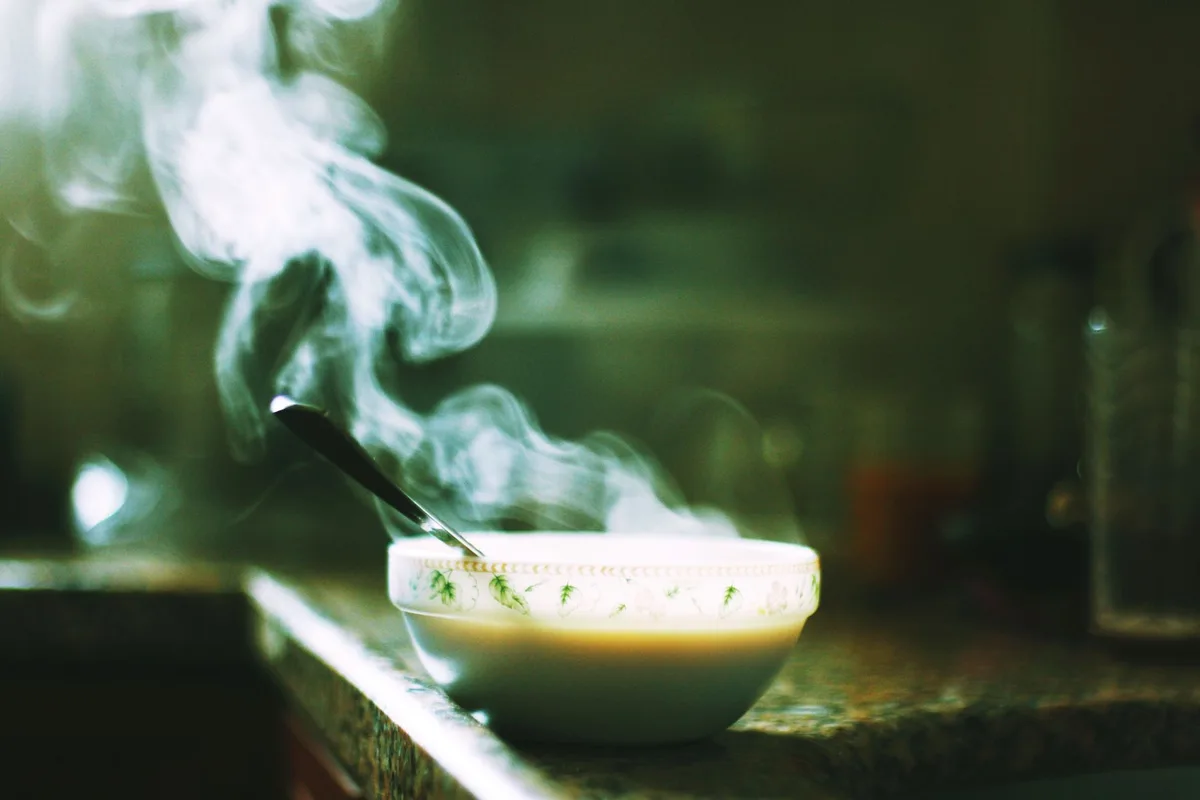
Right after your dental deep cleaning, prioritize foods that require minimal chewing and are not too hot or cold. Think smooth, bland, and lukewarm. Your gums are sensitive, and introducing anything too abrasive can cause irritation and discomfort.
The immediate goal is to avoid aggravating the freshly cleaned areas. This means sticking to the softest options available until you start feeling more comfortable.
Understanding Your Sensitive Mouth: Why Diet Matters
A dental deep cleaning, or scaling and root planing, is a more intensive process than a regular cleaning. It involves removing plaque and tartar from below the gum line. This can leave your gums feeling sore and slightly inflamed.
Because these areas are sensitive, your food choices directly impact your healing and comfort. According to recommendations from dental associations, consuming soft, non-irritating foods helps protect the treated areas, reduces the risk of infection, and aids in the natural healing process. This careful approach to eating supports the gum tissue as it recovers.
The First 24 Hours: Super Soft and Gentle Foods
Immediately following your deep cleaning, your mouth will likely be quite sensitive. The primary focus should be on foods that require virtually no chewing and are served at a lukewarm temperature. Anything too hot or cold can intensify sensitivity.
Smoothies and Soups: Your Initial Comfort Zone
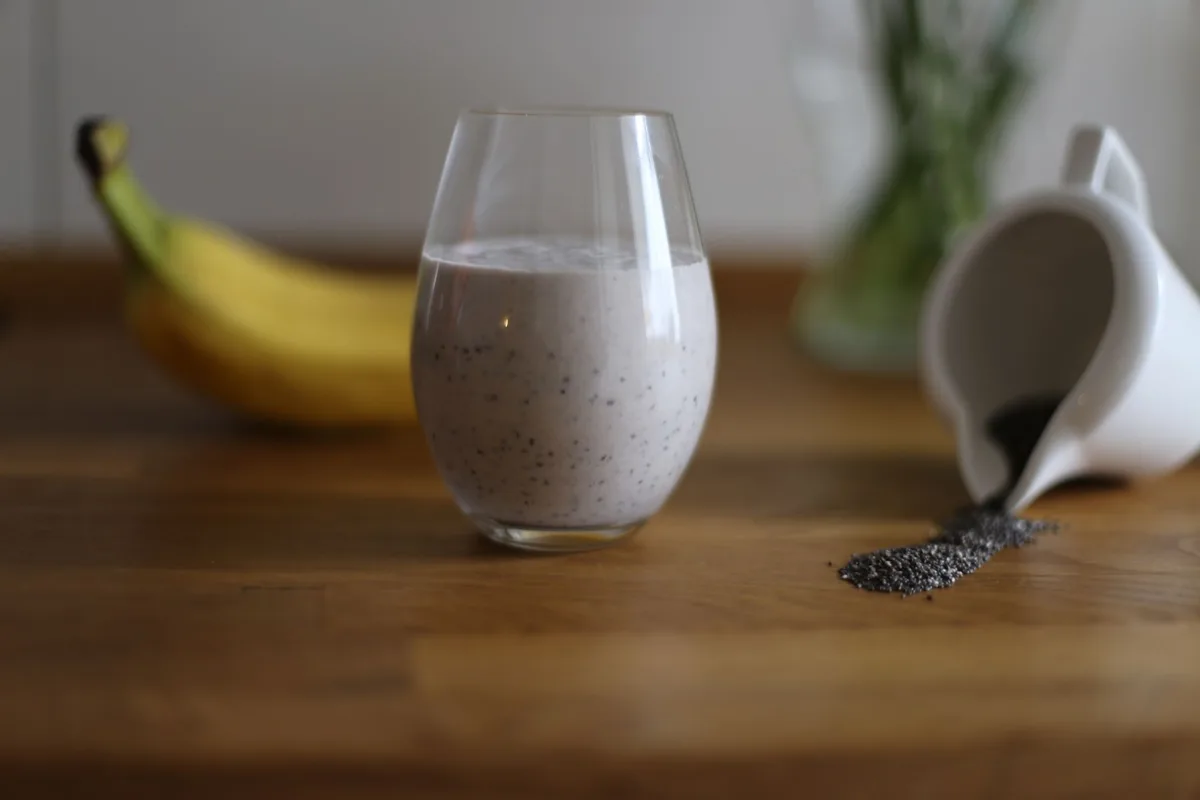
These are excellent choices because they’re liquid and require no chewing at all. When preparing smoothies, aim for smooth ingredients like bananas, avocado, or strained fruits. Avoid small seeds (like those in strawberries or raspberries) that could get lodged in sensitive areas. For soups, ensure they are lukewarm, not hot.
Creamy, blended vegetable soups or broths are ideal.
Yogurt and Pudding: Easy-to-Digest Options
Plain yogurt, free from chunks or seeds, is a great source of protein and probiotics that can aid healing. Pudding, Jell-O, and custards are also excellent as they are smooth and require no effort to eat. Opt for unflavored or lightly flavored versions to minimize any potential irritation from added sugars or artificial ingredients.
Day 2 Onwards: Gradually Expanding Your Menu
As the initial tenderness subsides, typically after the first 24 to 48 hours, you can begin to introduce slightly more textured, but still soft, foods. The key is to listen to your mouth and proceed cautiously. If a food feels uncomfortable, revert to softer options.
Soft Proteins and Grains: Building Back Up
Scrambled eggs are a fantastic source of protein and are exceptionally soft. Well-cooked oatmeal or cream of wheat are also good choices, providing a hearty meal without requiring much chewing. Finely chopped or shredded chicken or fish, mixed into a soft salad or served with a smooth sauce, can also be incorporated.
Canned Fruits: A Gentle Sweetness
Canned fruits like peaches, pears, or fruit cocktail, packed in juice or light syrup, offer a welcome sweet and soft option. Ensure the fruit pieces are tender and not fibrous. Avoid highly acidic fruits like pineapple or citrus if they cause any discomfort.
Foods to Hit Pause On (And Why It Matters)
There are certain foods that you should absolutely avoid in the days following a deep cleaning. These items can irritate your gums, disrupt the healing process, or even cause damage. Your dentist will likely provide a specific list, but the general rule of thumb is to steer clear of anything hard, crunchy, sticky, spicy, or very hot.
The Crunchy, Chewy, and Sticky Offenders
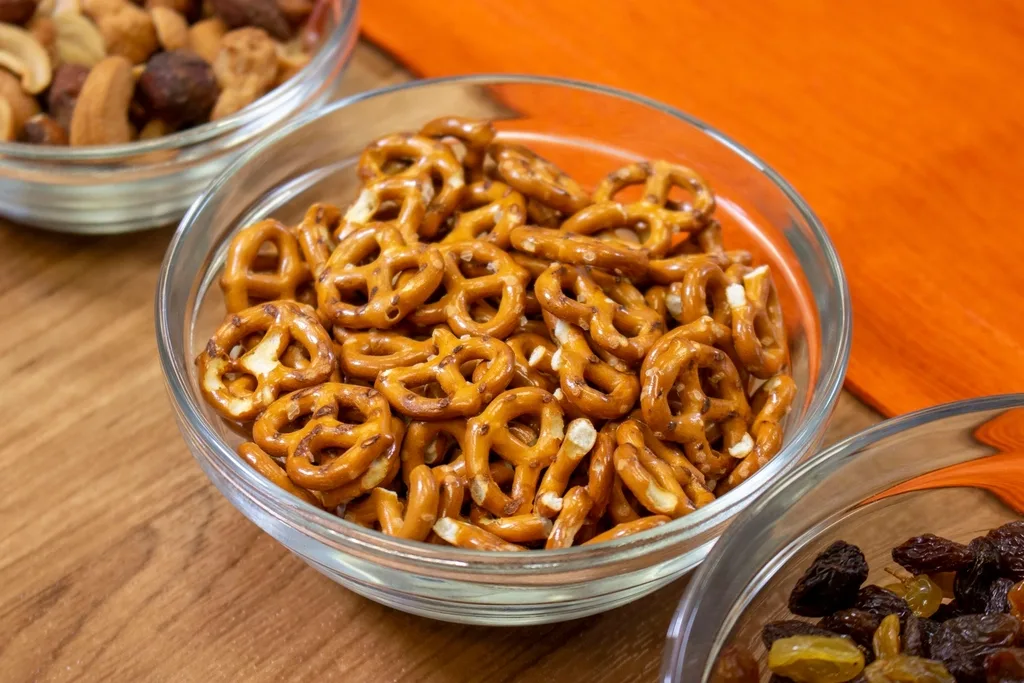
Foods like nuts, seeds, popcorn, chips, pretzels, and crusty breads fall into this category. These can easily irritate or cut into sensitive gum tissue. Similarly, sticky candies such as caramels or taffy can adhere to your teeth and gums, potentially causing discomfort or dislodging healing tissue.
Spicy, Acidic, and Temperature Extremes
Spicy foods can cause a burning sensation on raw or tender gums. Acidic foods like tomatoes, citrus fruits, and even some vinegars can also be irritants. Extreme temperatures, both hot and cold, can exacerbate sensitivity. This means holding off on piping hot coffee or ice-cold beverages until your mouth feels significantly better.
Your Dentist’s Golden Rules for Post-Cleaning Care
Your dentist or dental hygienist is your primary source of information for post-cleaning care. They will provide personalized instructions based on the specifics of your procedure and your oral health. Generally, these guidelines focus on maintaining a clean mouth without causing further irritation.
Following their advice is paramount. This often includes recommendations on the types of foods to eat and avoid, how to properly brush and floss (or if you should use an alternative cleaning method for a short period), and when to expect your gums to return to normal. Adhering to these professional recommendations is crucial for optimal recovery and long-term oral health.
Avoiding Mouth Irritation: What Not to Eat
While focusing on what you can eat is important, knowing what to avoid after a deep cleaning is equally critical for a smooth recovery. Certain foods and drinks can antagonize your sensitive gums, potentially leading to inflammation, pain, or even delaying the healing process.
Aggregate dental advice indicates that avoiding abrasive textures and harsh ingredients for at least the first 48-72 hours significantly reduces the risk of complications. This protective phase is vital for allowing the tissues to heal without further stress.
The Crunchy, Chewy, and Sticky Offenders
Foods with hard textures or those requiring significant chewing can be problematic. Think about anything that creates a loud crunch when bitten into, popcorn, hard candies, potato chips, and raw carrots fall into this category. These can create tiny tears or abrasions on your tender gums.
Sticky foods, like caramel, taffy, and even chewy granola bars, present a different kind of challenge. They can cling to your teeth and gums, potentially tugging on sensitive areas or making it difficult to maintain a clean mouth, which is crucial during healing.
Spicy, Acidic, and Temperature Extremes
Ingredients that pack a punch in terms of heat or acidity can cause immediate discomfort. Spicy foods, like hot sauce, chili peppers, or curries, can sting any minor irritations or abrasions on your gums. Similarly, highly acidic items, such as citrus fruits (oranges, lemons, grapefruits) or common culprits like tomatoes, can irritate sensitive oral tissues.
Also, be mindful of food and drink temperatures. Extremely hot beverages like coffee or tea, or very cold items like ice cream or slushies, can trigger sharp sensitivity in otherwise healthy teeth and, following a deep cleaning, can be particularly jarring to your inflamed gums. Lukewarm or gently warm options are your best bet.
Your Dentist’s Golden Rules for Post-Cleaning Care
Your dental professional is your most valuable resource following a deep cleaning. They'll provide specific instructions tailored to your individual needs and the extent of the cleaning performed. These aren’t just general guidelines; they’re based on your unique oral condition.
For example, some dentists might recommend a specific rinse or suggest avoiding brushing certain areas for a day or two. They’ll also often detail the expected healing timeline and signal when you can gradually reintroduce more of your regular diet. Following their advice precisely is the most direct route to a successful recovery.
Do I Need Special Mouthwash?
Many dentists recommend a specific therapeutic mouthwash, often containing chlorhexidine, immediately following a deep cleaning. This type of rinse has antiseptic properties that help control bacteria and prevent infection in the treated areas. However, it's crucial to use it exactly as prescribed, as overuse can sometimes lead to staining or taste alteration.
If your dentist doesn't prescribe a specific rinse, they might suggest a simple saline rinse (warm water with a bit of salt) to keep the area clean and soothe irritation. Always clarify with your dental provider before using any over-the-counter mouthwash.
Listening to Your Body: When to Be Extra Cautious
Self-awareness is key after a deep cleaning. Your body will often tell you when something isn’t right. If you experience persistent pain, bleeding that doesn't stop with gentle pressure, or a throbbing sensation beyond the initial mild soreness, this is a signal to pay attention.
These symptoms could indicate a complication, such as an infection or irritation to a deeper tissue layer. In such cases, it’s important not to push through but to contact your dental office promptly. They can assess the situation and provide appropriate intervention if needed.