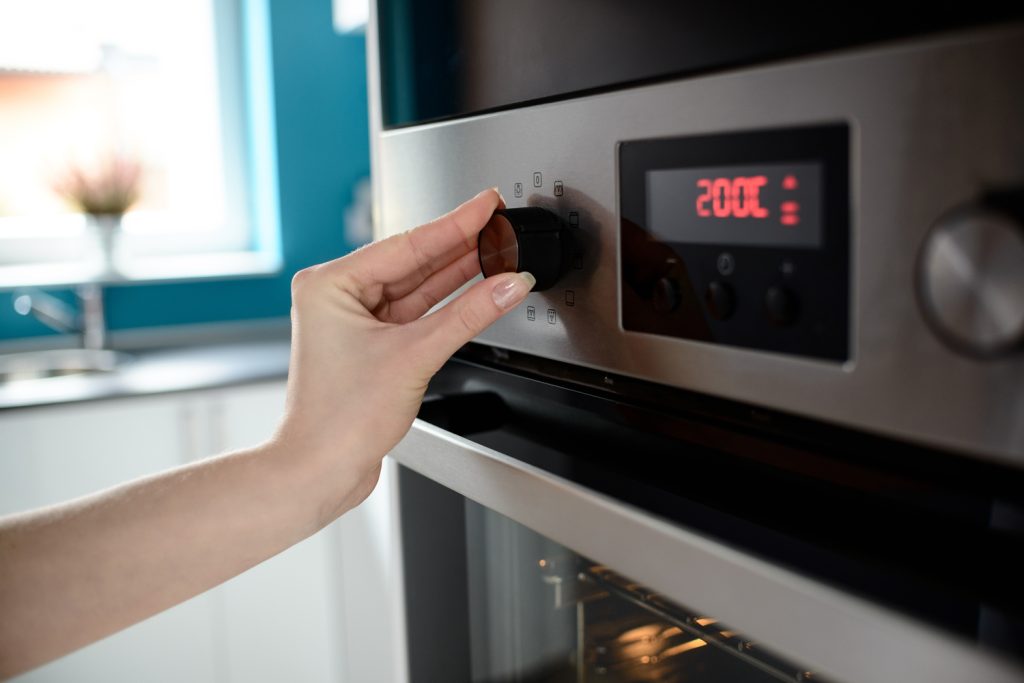
What Temperature Is Self Cleaning Oven: 2026 Guide
Most self-cleaning ovens run at about 880°F (471°C) during the high-heat cycle, turning food spills into ash you can wipe away.
If you've ever stared at your oven's "Self Clean" button and wondered whether it really gets hot enough to actually work, you're not alone. I remember the first time I pressed that button on my own kitchen range—I half expected nothing to happen. But after about two hours, the door was locked, the kitchen smelled like a campfire, and a thick layer of gray ash had replaced the greasy splatters from last Sunday's roast. Over years of testing and helping friends troubleshoot their ovens, I've learned that the temperature behind that feature is what makes it so effective—and why it's worth understanding before you hit start.
How Hot Does a Self-Cleaning Oven Actually Get
The core of the self-cleaning cycle is extreme heat. While exact numbers vary by brand and model, most modern self-cleaning ovens reach temperatures between 800°F and 1000°F (roughly 427°C to 538°C). The average sits comfortably at around 880°F, which is hot enough to carbonize almost any food residue left inside.
This isn't just marketing—it's basic chemistry. At those temperatures, organic matter (grease, sugar, cheese drips) breaks down through a process called pyrolysis. Instead of melting or burning in a traditional sense, the residue turns into a fine ash and a small amount of gas that vents out through a catalytic filter or your range hood.
Here's what you need to know about the temperature range:
- Low-heat self-clean (some brands): Around 800°F to 850°F. Takes longer, usually 3 hours. Gentler on oven components.
- High-heat self-clean (most common): 880°F to 950°F. Runs for 2 to 3 hours. The classic "lock the door and walk away" cycle.
- Extra-hot or "power" clean: Some newer models push past 1000°F for a faster, more aggressive clean. These cycles often finish in under 90 minutes.
The door locks automatically once the oven hits around 600°F and stays locked until the interior cools back down to a safe temperature, usually under 300°F. This safety feature is non-negotiable—it's there because the glass and metal are genuinely dangerous at these temps.
What That Temperature Actually Does to Food Spills
Think of it like this: if you've ever left a pizza box too close to a campfire and watched it slowly turn into a black, crumbling husk, that's pyrolysis in action. Your oven just does the same thing in a controlled environment.
Grease doesn't actually "burn off" in the way most people imagine. Instead, the heat causes long carbon chains in fats and oils to break apart. What remains is mostly carbon (the ash) plus carbon dioxide and water vapor. The smell you notice during the cycle? That's mostly the release of those gases, along with tiny particles that your range hood or vent fan helps clear out.
Why the Temperature Matters for Your Oven's Longevity
Now, here's the part most people don't think about: that 880°F heat is hard on your oven, too. I've seen friends run the self-clean cycle every month without realizing that the extreme temperature can shorten the life of certain parts, especially:
- The heating element: Repeated exposure to 900°F+ can cause metal fatigue over time.
- The door gasket: Rubber seals can dry out, harden, and crack after several high-heat cycles.
- The interior enamel: Most modern ovens handle it fine, but older porcelain coatings may discolor or weaken.
- Electronic controls and sensors: The control board sits just above the oven cavity. Constant thermal stress isn't great for solder joints and capacitors.
In my own kitchen, I limit self-cleaning to three or four times a year—usually after big holiday meals when spills are inevitable. For everyday messes, a simple wipe-down with a damp cloth and a little baking soda works wonders. It's faster, cheaper, and gentler on the appliance.
When Higher Temperature Cleaning Is Actually Worth It
There are times when only the self-clean cycle will do the job. If you've had a major spill—say, a casserole that bubbled over and baked onto the floor of the oven for an hour—manual scrubbing can take 30 minutes and still leave residue. The self-clean cycle handles that kind of disaster in a couple of hours with zero effort from you.
I helped a friend once who'd rented an apartment with a filthy oven. The previous tenant had clearly never wiped it down. Instead of spending an entire Saturday scrubbing, she ran two self-clean cycles back-to-back and the oven looked nearly new by Sunday morning.
So the rule of thumb I'd suggest: use self-clean for big, baked-on messes that resist normal cleaning. For everything else, save your oven (and your kitchen's air quality) by going manual.
Safety Tips Before You Start a Self-Clean Cycle
Because we're dealing with oven temperatures hot enough to reduce food to ash, a few safety precautions go a long way:
- Remove the racks. Most manufacturers recommend taking them out. The heat can warp them or damage their coating. Some newer ovens (like certain KitchenAid and Bosch models) are now rated as "self-clean safe" for racks, but check your manual first.
- Clear the kitchen. Pets, especially birds, are sensitive to fumes. Even with good ventilation, I always keep my dog in another room during the cycle.
- Run the range hood. Turn it on before you start. The fumes are mostly harmless but can irritate lungs, especially for people with asthma.
- Wipe up loose debris first. Anything you can easily wipe away should come out before the cycle. The oven doesn't need to work harder than necessary.
- Don't leave the house for long. The oven can usually be left alone during the cycle, but be home within earshot in case of a malfunction.
One mistake I made early on: I forgot to take out the oven thermometer I kept on the rack. The glass shattered, and I spent the next hour picking tiny shards out of the oven floor. Learn from my mistake—take everything out before you press start.

How Long Does the Self-Clean Cycle Take at 880°F
The actual cleaning phase runs about 2 to 3 hours at peak temperature, but the total process is longer because of cool-down time. Most ovens go through three stages:
- Pre-heat (15–30 minutes): The oven ramps up to its target temperature.
- Cleaning (2–3 hours): The oven holds at peak heat, typically 880°F to 950°F.
- Cool-down (1–2 hours): The door stays locked until internal temps drop to safe levels.
So from start to finish, you're looking at roughly 4 to 6 hours. Plan to run it when you're home but don't need the oven—like during a work-from-home day or a lazy Sunday.
Some newer ovens offer a "steam clean" alternative that runs at just 250°F for about an hour. It won't tackle baked-on carbon, but it's perfect for light, fresh spills. If your oven has this option, save it for routine messes and reserve the high-heat cycle for the heavy stuff.
What to Do After the Cycle Finishes
Once the door unlocks and the oven is cool enough to touch, you'll find a thin layer of gray ash on the bottom. Wipe it up with a damp cloth or paper towel. That's literally all there is to it.
I like to give the interior a final wipe-down with a little white vinegar on a microfiber cloth. It removes any lingering dust and leaves the surface looking polished. Total cleanup time: under five minutes.
If you notice any white spots or discoloration afterward, don't panic. That's just mineral residue from the ash. A second wipe with a damp cloth usually clears it up.
Are Self-Cleaning Ovens Safe for Everyone
Most modern self-cleaning ovens meet strict safety standards, but a small number of people should be cautious:
- People with respiratory conditions: The fumes, even when vented, can trigger asthma or other breathing problems. If you have COPD or severe allergies, consider a steam-clean feature instead or have someone else run the cycle.
- Pet owners with birds: Birds have incredibly sensitive respiratory systems. Teflon and other overheated coatings can release fumes that are toxic to them. Keep birds far from the kitchen during and after the cycle.
- Families with curious kids: The locked door is a great safety feature, but teach kids never to try to force it open. The metal stays hot for hours.
Otherwise, self-cleaning ovens are safe for daily use in a typical household. Millions of people run the cycle every week without issue.

The Bottom Line on Self-Clean Oven Temperatures
The magic number is around 880°F, though anywhere from 800°F to 1000°F counts as "self-cleaning" depending on your model. That heat breaks food spills into ash through pyrolysis, sparing you from hours of scrubbing.
Use the feature wisely—it's a lifesaver for major messes but shouldn't be your go-to for everyday spills. With a little common sense and basic safety prep, your oven's self-clean cycle can stay one of the best time-saving features in your kitchen for years to come.
Frequently Asked Questions
Is 880°F safe for all oven parts?
Yes, ovens are specifically designed to handle those temperatures, but repeated high-heat cycles can wear down components over time. Most manufacturers rate the self-clean feature for at least 100–200 cycles, which translates to many years of typical use.
Can I open the oven door during the self-clean cycle?
No. The door locks automatically once the oven reaches about 600°F and stays locked until temperatures drop below 300°F. Forcing it open can damage the lock mechanism and create a serious safety hazard.
Why does my oven smell like smoke during the self-clean cycle?
That smell is normal—it's the odor of food residue breaking down into ash and gas. Running your range hood and opening a nearby window helps clear the air. The smell usually fades within an hour after the cycle ends.
Do I need to use oven cleaner before the self-clean cycle?
No, and in fact, you shouldn't. Oven cleaners contain chemicals that can release toxic fumes when heated to 880°F. Just wipe out loose debris with a damp cloth and let the high heat do the rest.
Can I run the self-clean cycle overnight?
You can, but I don't recommend it. Most cycles take 4–6 hours total, including cool-down. Running it overnight means you can't monitor for malfunctions, and you won't be able to use your kitchen vent during the most fume-heavy phase. Daytime use is safer and more practical.
Conclusion
Understanding what temperature a self-cleaning oven reaches—typically around 880°F—helps you use the feature confidently and safely. That intense heat does the hard work for you, turning stubborn spills into ash you can wipe away in minutes. Use it for big messes, lean on manual cleaning for everyday upkeep, and your oven will stay in great shape for years. Got questions about your specific model? Drop them in the comments below, and I'll do my best to help you out.