What Is An Enzyme Cleaner: The 2026 Best Guide
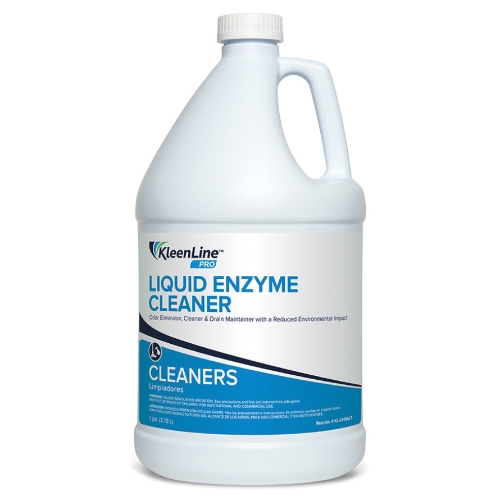
An enzyme cleaner is a natural cleaning product that uses biological catalysts called enzymes to break down stains, odors, and organic messes like food, grease, pet accidents, mold, and dirt.
You know that mystery smell on your couch that just won't go away no matter how hard you scrub? Or those grass stains on your kid's baseball uniform that seem permanent? I've been there, and I used to think I needed harsh chemicals to fix these problems. Then I discovered enzyme cleaners, and honestly, it felt like someone handed me a secret weapon. These gentle but powerful solutions work with nature instead of against it, and once you understand how they function, you'll wonder how you ever cleaned without them.
What Is an Enzyme Cleaner and How Does It Work
At its core, an enzyme cleaner uses tiny protein molecules called enzymes that speed up chemical reactions. Think of enzymes as microscopic scissors that snip apart complex organic matter into smaller pieces. These pieces then wash away easily with water. The enzymes don't get used up during this process, so they keep working as long as there's something to break down.
There are several main types of enzymes you'll find in cleaning products. Each one targets specific messes, which makes enzyme cleaners incredibly versatile for everyday household use.
Types of Enzymes Used in Cleaners
Different enzymes tackle different cleaning challenges. When you pick a cleaner, knowing which enzyme does what helps you choose wisely for any stain.
- Protease breaks down proteins like blood, sweat, urine, food stains, and grass
- Lipase cuts through fats, oils, and greasy messes
- Amylase attacks starches found in sauces, pasta, and baby food
- Cellulase works on plant-based fibers, helping brighten colors and remove fuzzy pills
- Mannanase breaks down guar gum, a thickener found in many cosmetics and processed foods
The Science Behind Bio-Enzymatic Cleaning
Bio-enzymatic action might sound fancy, but it's really just a smart copy of what happens in nature. In soil, bacteria produce enzymes to digest organic waste. Enzyme cleaners bottle that same power in a stable, shelf-friendly form. The enzymes latch onto their target molecule, break it apart, and let water rinse everything away. This is why enzyme cleaners work so well on pet stains, because the enzymes keep going until every bit of organic matter is gone, including the smell source.
Why Choose an Enzyme Cleaner Over Traditional Cleaners
Conventional cleaners often rely on bleach, ammonia, or synthetic fragrances to mask odors and lift stains. While these can work, they also come with drawbacks. Enzyme cleaners offer a different path, one that aligns better with how cleaning actually happens on a molecular level. Many homeowners are switching because they want results without the fumes, residue, or worry about kids and pets walking on freshly cleaned floors.
Key Benefits of Enzyme Cleaners
After using enzyme cleaners for years in my own home, I've noticed several clear advantages worth sharing. These benefits explain why so many families are making the switch.
- Safer around children and pets because most formulas are non-toxic
- No harsh chemical fumes that can trigger allergies or asthma
- Eliminates odors at the source instead of just masking them
- Biodegradable and environmentally friendly
- Works on a wide range of surfaces from carpets to hardwood
- Gentle on fabrics, helping extend the life of clothing and upholstery
- Often comes in concentrated form, making it budget-friendly
Limitations You Should Know
I want to be honest here because no product is perfect. Enzyme cleaners do have some limits, and knowing them saves you frustration later.
- They need time to work, usually several hours or overnight for tough stains
- Hot water can deactivate enzymes, so lukewarm or cool water works best
- They target organic matter only, so mineral buildup or rust requires different solutions
- Some enzyme cleaners have a shorter shelf life once diluted
- They may not work on set-in stains that have been heat-dried or chemically treated
Common Uses for Enzyme Cleaners at Home
Once you start using enzyme cleaners, you'll find dozens of ways to put them to work. The more I use them, the more uses I discover. From the kitchen to the garage, these products handle messes that used to frustrate me.
Pet Messes and Odors
This is where enzyme cleaners truly shine. Pet urine, vomit, feces, and general pet odors are full of proteins and organic acids that bacteria love to feed on. Enzyme cleaners break down these materials completely, which is the only way to fully remove the smell. I've used them on dog accidents, cat spray, and even the occasional hamster cage mishap, and the results speak for themselves.
Laundry Stain Removal
Grass, mud, sweat, blood, baby food, and even wine respond well to enzyme-based laundry boosters. Soaking stained clothes in water mixed with an enzyme cleaner before washing often saves items I thought were ruined. My kids play sports, so enzyme laundry soaks have become part of our weekly routine.
Kitchen and Bathroom Cleaning
Grease splatter on the stove, soap scum in the shower, and food gunk in the sink all benefit from enzyme action. I keep a spray bottle of diluted enzyme cleaner under the kitchen sink for daily wipe-downs. It cuts through grime without leaving any chemical smell behind.
Carpet and Upholstery Care
High-traffic areas trap odors from pets, food spills, and feet. Enzyme carpet shampoos revive tired rugs and sofas. I treat my living room carpet once a month, and the difference in freshness is noticeable, especially with two dogs in the house.
Outdoor and Garage Uses
Pressure washers paired with enzyme cleaners work wonders on driveway oil stains, patio mildew, and even garbage bin odors. The enzymes keep working even after the initial clean, breaking down residue over time.
How to Use an Enzyme Cleaner Effectively
Getting the best results from an enzyme cleaner comes down to a few simple habits. Over the years, I've refined my approach, and these tips make a real difference in performance.
- Always blot fresh stains first before applying the cleaner
- Use cool or lukewarm water because heat kills enzyme activity
- Apply enough product to fully saturate the soiled area
- Allow contact time, usually 15 minutes for fresh stains and 8 to 12 hours for old ones
- Cover the area with a damp cloth to keep it moist during long treatments
- Avoid mixing enzyme cleaners with bleach or strong acids
- Reapply if the stain or smell persists after drying
Are Enzyme Cleaners Safe for the Environment
Yes, enzyme cleaners are among the most eco-friendly cleaning options available. The enzymes are biodegradable and break down into harmless compounds. Manufacturers often use recyclable packaging, and the formulas avoid phosphates, chlorine, and volatile organic compounds. For anyone trying to reduce their household chemical footprint, enzyme cleaners offer a clean conscience along with clean surfaces.
That said, not every product marketed as natural is truly eco-friendly. Always read labels, and look for third-party certifications when possible. Transparency from the brand is a good sign that the product lives up to its claims.
Choosing the Best Enzyme Cleaner for Your Needs
With so many options on the market, picking the right enzyme cleaner can feel overwhelming. Over the years, I've learned what separates a great product from a mediocre one. These tips help you shop smart.
What to Look for on the Label
A clear ingredient list is a good starting point. Reputable brands list specific enzymes like protease, lipase, or amylase rather than vague terms like "biological additives." Concentration matters too, because more active enzymes usually equal better cleaning power. Also, check for added fragrances or dyes, especially if anyone in your home has sensitivities.
Trusted Product Types for Different Tasks
- For pet stains: Look for products high in protease and lipase
- For laundry: Choose enzyme boosters compatible with your detergent
- For carpets: Pick foaming enzyme formulas designed for deep extraction
- For kitchens: Choose food-safe enzyme cleaners for surfaces that touch dishes
Common Myths About Enzyme Cleaners
Even with growing popularity, some myths still float around enzyme cleaners. Clearing these up helps set realistic expectations and builds confidence in using them.
Myth 1: Enzyme Cleaners Work Instantly
Enzymes need time to do their job. Unlike bleach, which works through oxidation on contact, enzymes work through biological action. Patience pays off here, and longer contact times usually mean better results.
Myth 2: All "Natural" Cleaners Contain Enzymes
Many products claim to be natural but rely on plant-based surfactants instead of enzymes. Real enzyme cleaners will list specific enzymes on the label. This distinction matters when you need biological breakdown power.
Myth 3: Enzyme Cleaners Smell Bad
Most quality enzyme cleaners have a mild, slightly sweet scent or no scent at all. Some even leave behind a fresh, clean smell once they dry. Any strong odor usually signals added fragrance rather than the enzymes themselves.
Myth 4: Enzyme Cleaners Can Replace All Cleaning Products
While enzyme cleaners are versatile, they aren't a one-size-fits-all solution. Mineral stains, soap scum buildup, and disinfecting still call for specialized products. The key is knowing when to reach for which tool.
Frequently Asked Questions
How long does an enzyme cleaner take to work?
Most enzyme cleaners need at least 15 minutes for fresh stains and several hours or overnight for old, set-in messes. The enzymes need time to break down organic matter, so longer contact times generally produce better results. Keeping the area damp during this period helps maintain enzyme activity.
Can I use an enzyme cleaner on all fabrics?
Enzyme cleaners are generally safe for most washable fabrics, but always check the care label first. Delicate fibers like silk and wool may react differently to certain enzymes. Testing on a hidden area before full application prevents any unwanted damage.
Are enzyme cleaners safe for septic systems?
Yes, enzyme cleaners are typically safe and even beneficial for septic systems. The enzymes support the biological activity needed for waste breakdown in septic tanks. Unlike harsh chemicals, they won't disrupt the natural balance of beneficial bacteria.
Do enzyme cleaners kill bacteria?
Enzyme cleaners primarily break down organic matter rather than disinfect. Some formulas include additional antimicrobial agents, but pure enzyme cleaners aren't meant to sterilize surfaces. For sanitizing, pair them with a dedicated disinfectant when needed.
Can enzyme cleaners remove old pet stains?
Old pet stains are often where enzyme cleaners truly shine. With enough saturation and time, enzymes can break down old urine crystals that other cleaners leave behind. Repeated applications may be necessary for stains that have set deep into carpet padding or subflooring.
Will enzyme cleaners lose effectiveness if stored too long?
Enzyme activity can slowly decline over time, especially after dilution. Unopened enzyme cleaners typically last 1 to 2 years, while diluted solutions are best used within a few months. Store them in a cool, dark place to extend shelf life.
My Final Take on Enzyme Cleaners
Enzyme cleaners have earned a permanent spot in my cleaning cabinet, and once you try them, you'll likely feel the same. They offer a powerful, safe, and eco-friendly way to handle the messes that life throws at us, from pet accidents to laundry stains to kitchen grease. The science is solid, the results are real, and the peace of mind is priceless. Take one home, test it on a stubborn stain that's been bugging you, and see for yourself why so many people have made the switch. Share your experience in the comments, and let's keep the conversation going about smarter, cleaner living.