What Is The Best Cleaner For Kitchen Cabinets: Top Picks For 2026
The best cleaner for kitchen cabinets is a mix of warm water, mild dish soap, and a bit of white vinegar, since it cuts grease without harming wood or laminate finishes.
If your cabinets look dull, sticky, or stained and you're not sure what to grab, you're in the right place. I've spent years testing every cleaner on the market, from harsh degreasers to gentle plant based formulas, and I've learned what truly works. In this guide, I'll walk you through the best cleaners for kitchen cabinets, how to use them safely, and the mistakes that can ruin your cabinet finish. Whether you have wood, laminate, painted, or glass cabinets, you'll find a solution here that actually delivers results without the guesswork.
Why Choosing the Right Cabinet Cleaner Matters
Your kitchen cabinets are one of the first things people notice when they walk into your home. They take on grease, steam, food splatters, and fingerprints every single day. Using the wrong cleaner can do more harm than good. I've seen beautiful oak cabinets stripped of their finish because someone reached for a strong ammonia product. I've also seen laminate cabinets warp from too much water soaking into the seams.
The right cleaner does three things at once. It cuts through grease, it lifts stains, and it protects the cabinet's surface. Many store bought products promise all three, but they often contain harsh chemicals that leave residue, dull the finish, or dry out wood over time. A gentle, balanced cleaner keeps your cabinets looking new for years and saves you from costly refinishing down the road.
Think of your cabinets like skin. You wouldn't use industrial soap on your face, right? The same logic applies here. Cabinets need a cleaner that respects the material while still doing the heavy lifting.
Understanding Your Cabinet Material Before Cleaning
Before you pick a cleaner, you need to know what your cabinets are made of. This is the step most people skip, and it's the reason so many cabinets get damaged during cleaning.
Wood Cabinets (Stained or Sealed)
Wood is natural and porous. Sealed wood has a protective coat of polyurethane or varnish, which gives you some leeway. Unsealed or waxed wood is more delicate and needs extra care. For sealed wood, a mild soap and water mix works well. For unsealed wood, you should avoid water altogether and use a specialty wood cleaner.
Laminate Cabinets
Laminate is a synthetic surface made to look like wood. It's durable and easy to clean, but water can seep into the edges and cause swelling. A lightly damp microfiber cloth with a gentle cleaner is your best bet.
Painted Cabinets
Painted cabinets look beautiful but can chip or streak easily. Harsh chemicals and abrasive scrubbing will damage the paint. Use a soft cloth and a non abrasive cleaner.
Glass Front Cabinets
Glass needs streak free cleaning. A mix of vinegar and water or a dedicated glass cleaner works perfectly.
Thermofoil or Vinyl Cabinets
These are plastic like coatings over MDF or particleboard. They resist moisture but can peel if scrubbed too hard. Stick to mild cleaners and soft cloths.
Knowing your cabinet type is like reading the label on a medicine bottle. It tells you exactly what's safe and what to avoid.

Top Cleaners for Kitchen Cabinets That Actually Work
After testing dozens of products over the years, I've narrowed it down to the cleaners that consistently deliver the best results. Here's my honest breakdown.
1. Mild Dish Soap and Warm Water
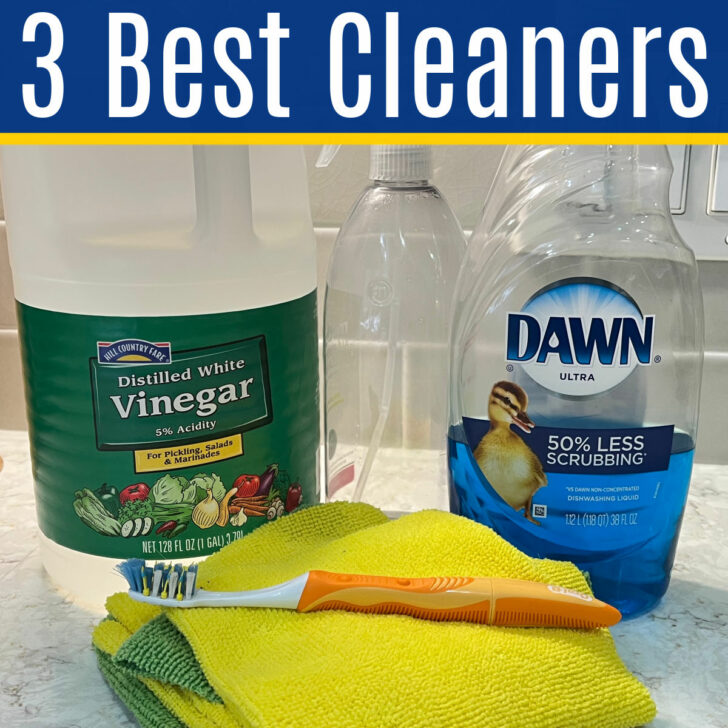
This is my go to for most cabinets. It's cheap, safe, and effective. A few drops of Dawn or any gentle dish soap in a bowl of warm water cuts through grease without leaving residue.
How to use it:
- Mix a few drops of soap in warm water
- Dip a microfiber cloth and wring it out well
- Wipe cabinets in the direction of the grain
- Follow up with a dry cloth to prevent water spots
2. White Vinegar and Water Solution
Vinegar is a natural degreaser and deodorizer. Mix one part white vinegar with two parts warm water for a powerful yet safe cleaner. This is my favorite for sticky, greasy cabinets that have been neglected for a while.
How to use it:
- Combine vinegar and water in a spray bottle
- Spray lightly onto a cloth, not the cabinet
- Wipe and dry immediately
3. Baking Soda Paste for Tough Stains
When you have stubborn grime that won't budge, baking soda is your friend. Make a paste with three parts baking soda to one part water. Apply it to the stain, let it sit for a few minutes, then gently wipe it away.
This works wonders on food splatters and grease buildup around handles.
4. Plant Based Cabinet Cleaners
There are excellent eco friendly options like Method Daily Kitchen Cleaner or Seventh Generation. These are non toxic, biodegradable, and safe around food prep areas. They cost a bit more, but the peace of mind is worth it.
5. Commercial Degreasers (Use With Caution)
Products like Krud Kutter or Simple Green are powerful degreasers. They're great for very greasy cabinets, but always test in a small hidden area first. Some finishes can dull or discolor with repeated use.
6. Murphy's Oil Soap for Wood Cabinets
If you have real wood cabinets, Murphy's Oil Soap is a classic for a reason. It cleans and conditions the wood at the same time. Just dilute it properly and avoid over saturating the surface.

Step by Step Guide to Cleaning Kitchen Cabinets the Right Way
Cleaning cabinets isn't just about spraying and wiping. There's a method that gets the best results without causing damage. I've cleaned hundreds of kitchens, and this is the process I follow every time.
Step 1: Empty and Prep
Remove everything from your cabinets if possible. This includes dishes, spices, and small appliances on the counters. It makes cleaning faster and gives you access to every corner.
Step 2: Dry Dust First
Use a dry microfiber cloth to wipe away loose dust and crumbs. This step prevents you from smearing dirt around when you introduce moisture.
Step 3: Mix Your Cleaner
Choose the right cleaner for your cabinet type. For everyday cleaning, mild dish soap and warm water is a safe bet. Mix it in a bowl, not a spray bottle, to control the amount of moisture.
Step 4: Wipe in Sections
Work from top to bottom, one cabinet at a time. This prevents drips from landing on already cleaned areas. Always wipe in the direction of the wood grain.
Step 5: Dry Immediately
Never let moisture sit on cabinets. Use a clean, dry microfiber cloth to wipe each section as you go.
Step 6: Address Handles and Hardware
Handles collect the most grime. Use an old toothbrush dipped in your cleaner to get into crevices. Wipe dry afterward.
Step 7: Polish if Needed
For wood cabinets, a light coat of wood polish or mineral oil can add shine and protection. Don't do this on painted or laminate surfaces.
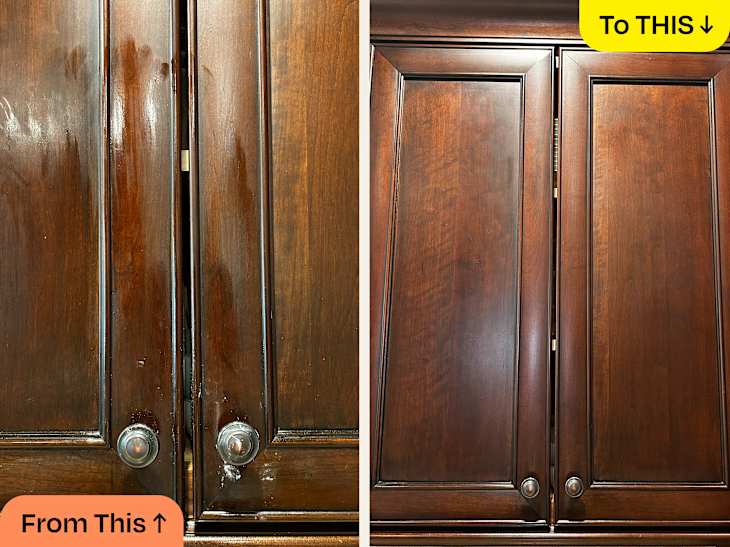
This process takes about 30 to 45 minutes for an average kitchen, but the results are worth it. Your cabinets will look brighter, smell fresher, and feel clean to the touch.
Common Mistakes to Avoid When Cleaning Cabinets
I've made some of these mistakes myself, and I've seen plenty of homeowners do the same. Avoiding them will save you time, money, and frustration.
- Using too much water. Water is the enemy of most cabinet finishes. Always wring out your cloth thoroughly and dry surfaces immediately.
- Skipping the test spot. Every cleaner should be tested in a hidden area first. What works on one cabinet might damage another.
- Spraying cleaner directly on cabinets. This puts too much product on the surface and can cause drips and damage. Always spray onto a cloth.
- Using abrasive scrubbers. Steel wool, magic erasers, and rough sponges can scratch and dull finishes. Stick to soft microfiber cloths.
- Ignoring the manufacturer instructions. If you have the original cabinet paperwork, check it for cleaning recommendations. Some finishes require specific products.
- Cleaning when cabinets are hot. Steam from cooking or dishwashing can cause cleaners to dry too fast and leave streaks. Let cabinets cool down first.
How Often Should You Clean Your Kitchen Cabinets?
The frequency depends on how much you cook and how close your cabinets are to the stove. Here's a simple guideline I share with friends and clients.
- Weekly wipe down. A quick wipe with a damp microfiber cloth keeps daily grime from building up.
- Monthly deep clean. Use your chosen cleaner to remove grease and sticky residue.
- Quarterly detail clean. Get into corners, handles, and any decorative trim.
- Annual inspection. Check for water damage, loose hinges, or finish wear.
If you cook daily or have a gas stove, consider wiping down cabinets near the stove two to three times a week. Grease travels further than most people realize.

Natural vs Commercial Cabinet Cleaners: Which Is Better?
This is one of the most common questions I get, and the answer depends on your priorities.
Natural cleaners like vinegar, baking soda, and plant based products are safer for your family, pets, and the environment. They're also cheaper and work well for routine cleaning. However, they may not be strong enough for heavy grease or old, built up grime.
Commercial cleaners are formulated for tough jobs. They cut through grease faster and often contain additives that protect finishes. The downside is they may include harsh chemicals, strong fumes, or ingredients that can damage delicate surfaces over time.
My honest advice? Use natural cleaners for weekly maintenance and save commercial products for occasional deep cleans. This balance keeps your cabinets in great shape without exposing your family to unnecessary chemicals.
DIY Cabinet Cleaning Recipes That Actually Work
If you love making your own cleaners like I do, here are three simple recipes that have stood the test of time in my own home.
Everyday Cabinet Cleaner
- 2 cups warm water
- 1 tablespoon dish soap
- 1 teaspoon white vinegar
Mix in a bowl, dip your cloth, wring well, and wipe. This is safe for most cabinet types.
Heavy Duty Degreaser
- 1 cup warm water
- 1 cup white vinegar
- 1 tablespoon baking soda
Combine in a spray bottle. Spray onto a cloth and wipe greasy areas. Test first on painted cabinets.
Wood Cabinet Polish
- 1 tablespoon olive oil
- 1 tablespoon white vinegar
- 1 cup warm water
Mix and apply sparingly with a soft cloth. Buff dry for a natural shine. Use only on real wood.
These recipes are simple, affordable, and effective. They also smell fresher than most store bought products.
Caring for Different Cabinet Finishes
Different finishes need slightly different care routines. Here's how to keep each one looking its best.
Matte Finishes
Matte finishes hide fingerprints less and show grease more. Clean with mild soap and water, and avoid wax based polishes that can leave a hazy film.
Glossy Finishes
Glossy finishes look stunning but show every smudge. Use a vinegar and water mix for streak free shine.
Stained Wood
Stained wood benefits from occasional conditioning with Murphy's Oil Soap or a homemade olive oil blend. This prevents drying and cracking.
Painted Cabinets
Touch up paint as needed and clean gently. Avoid any cleaner with alcohol or ammonia, which can cause yellowing over time.
:max_bytes(150000):strip_icc()/2545501_kitch69141_1-2000-033ab86a08ae40518a69315aee69369e.jpg)
Tips for Maintaining Clean Cabinets Long Term
Keeping cabinets clean is easier when you build a few simple habits into your routine.
- Wipe splatters immediately after cooking
- Use the range hood when cooking to reduce grease in the air
- Keep a microfiber cloth handy for quick daily wipes
- Avoid hanging wet towels over cabinet doors
- Wash hands before opening cabinets if you've been handling oily foods
These small habits add up. They prevent the heavy buildup that makes deep cleaning such a chore.
Frequently Asked Questions
Can I use vinegar on wood kitchen cabinets?
Yes, but always dilute it with water and never use it straight. Mix one part vinegar to two parts water, apply with a well wrung cloth, and dry immediately. For unsealed wood, avoid vinegar altogether and use a dedicated wood cleaner.
What is the best homemade cleaner for greasy cabinets?
A mix of warm water, dish soap, and white vinegar works best for greasy cabinets. The dish soap cuts through oil while the vinegar breaks down sticky residue. For very heavy grease, add a small amount of baking soda to make a gentle paste.
Is it safe to use Magic Erasers on kitchen cabinets?
Magic Erasers are mildly abrasive and can dull or remove finish over time. I don't recommend them for wood, painted, or laminate cabinets. If you must use one, test in a hidden spot and use very light pressure.
How do I remove sticky residue from cabinet doors?
A small amount of rubbing alcohol on a soft cloth usually lifts sticky residue without damaging the finish. For tougher spots, a baking soda paste works well. Always rinse with a damp cloth and dry afterward.
Can I use olive oil to clean and polish wood cabinets?
Yes, olive oil is a popular natural polish for real wood cabinets. Mix it with a little vinegar for a cleaning and shining combo. Use sparingly, as too much oil can leave a greasy film.
What should I avoid using on kitchen cabinets?
Avoid bleach, ammonia, undiluted vinegar, abrasive scrubbers, and any cleaner not designed for your cabinet material. These can strip finish, cause discoloration, or leave permanent damage.
Conclusion
Finding the best cleaner for kitchen cabinets really comes down to knowing your cabinet material and choosing a product that cleans without causing harm. For most homes, a simple mix of dish soap, warm water, and white vinegar does the job beautifully. For real wood, Murphy's Oil Soap or a homemade olive oil polish adds shine and protection. For tough grease, baking soda paste or a gentle commercial degreaser gets the job done.
Clean cabinets transform the look of your entire kitchen. They make cooking more enjoyable, your home more welcoming, and your daily routine a little brighter. Start with a weekly wipe down, deep clean monthly, and don't forget those handles and edges where grime loves to hide.
Try one of the recipes or methods I shared today and see the difference for yourself. If you have a favorite cabinet cleaner or a tip that works wonders in your kitchen, drop a comment below. I'd love to hear what's worked for you, and so would other readers looking for real advice from real people.