What Is An Enzyme Based Cleaner: 2026 Complete Guide
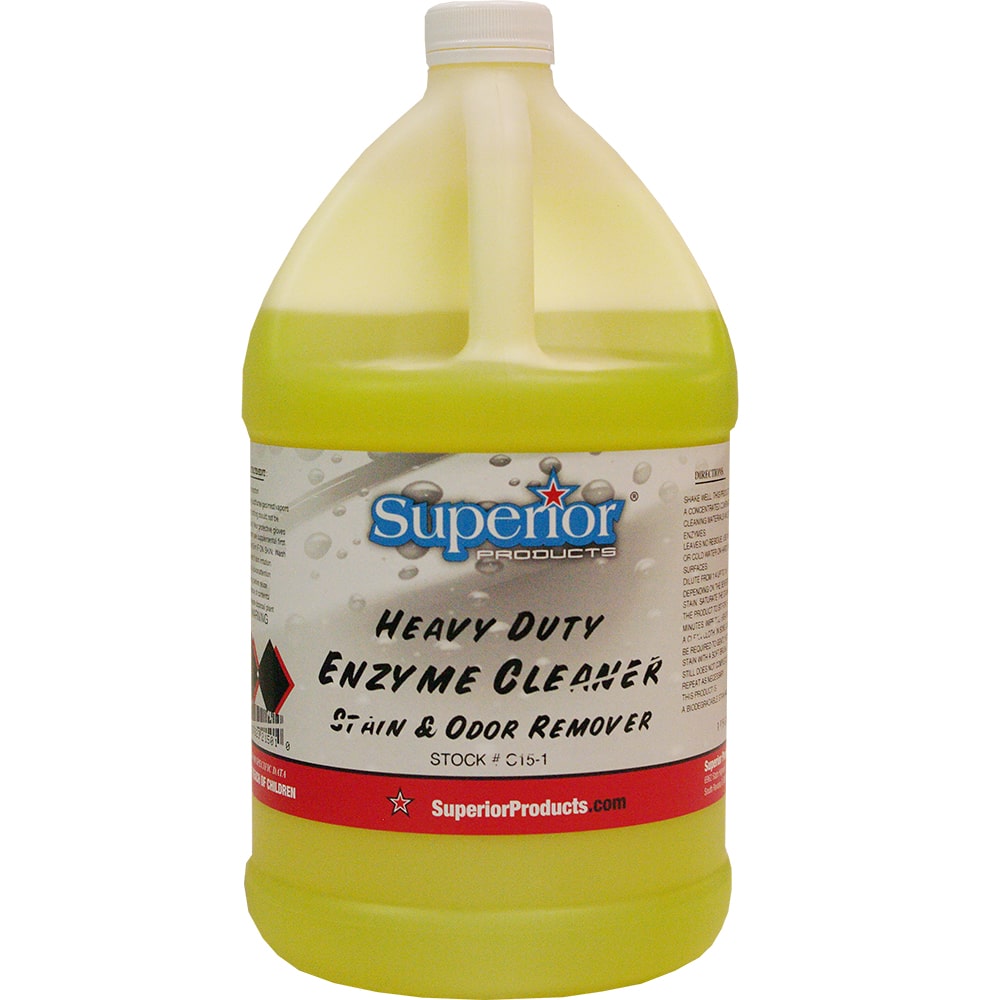
An enzyme-based cleaner is a cleaning product that uses natural biological enzymes to break down stains, odors, and organic messes safely and effectively.
Ever wonder why some stains just won't budge no matter how hard you scrub? Or why certain cleaning products smell strong but still leave residue behind? That's where enzyme-based cleaners come into play, and once you understand how they work, you'll see why they've become a favorite among eco-conscious households, pet owners, and even professional cleaners. I've spent years testing different cleaning solutions, and let me tell you, the shift to enzyme cleaners changed the way I handle everything from laundry to pet messes. In this guide, I'll walk you through what enzyme cleaners really are, how they work, and why they might be the smartest cleaning swap you make this year.

How Enzyme Cleaners Actually Work
Think of enzymes as tiny biological scissors. Each enzyme is designed to target a specific type of organic matter and cut it into smaller, water-soluble pieces that can be easily wiped or rinsed away.
There are several main types of enzymes you'll find in these cleaners, and each one has a job:
- Proteases break down proteins like blood, sweat, grass, and food stains
- Lipases tackle fats and oils, including grease and butter stains
- Amylases handle starches from foods like rice, potatoes, and pasta
- Cellulases smooth cotton fibers and help remove dirt trapped in fabric
- Uricases and other specialized enzymes target uric acid in pet urine and bodily fluids
The cool thing is that enzymes keep working as long as they're wet and the mess is present. Unlike harsh chemicals that lose power after a single scrub, enzymes stay active and keep breaking down the stain until it's gone.
Why Enzyme Cleaners Are a Game Changer
Here's where enzyme cleaners really shine. I've watched them tackle messes my old bleach-based sprays couldn't fully remove, especially when it came to pet accidents and mystery odors in the carpet.
A few major advantages stand out once you start using them:
- They fully eliminate odor at the source instead of masking it
- They're safe for kids, pets, and people with sensitive skin
- They're biodegradable and better for the environment
- They work on fabrics, carpets, hard floors, and even some outdoor surfaces
- They don't contain harsh acids, bleach, or ammonia
If you've ever cleaned a spot on the carpet only to have your dog return to the same spot weeks later, that's because the odor was still lingering deep in the fibers. Enzymes actually consume the odor-causing molecules, so pets no longer recognize the area as a bathroom spot.
Common Uses Around the Home
Enzyme cleaners aren't just for pet messes, though that's usually what people first try them on. They're incredibly versatile once you start looking for opportunities to use them.
Some of the most popular applications include:
- Removing pet stains and urine odors from carpets and rugs
- Cleaning baby clothes and cloth diapers without irritating sensitive skin
- Breaking down food residue in kitchen drains and garbage disposals
- Treating sweaty workout clothes and gym bags
- Cleaning outdoor patios where bird droppings or organic debris collect
- Freshening up upholstery, mattresses, and car interiors
I personally keep one in my laundry room, one under the kitchen sink, and a small bottle in my car. Once you see how well they work in one spot, you start finding uses everywhere.
What to Look for When Buying an Enzyme Cleaner
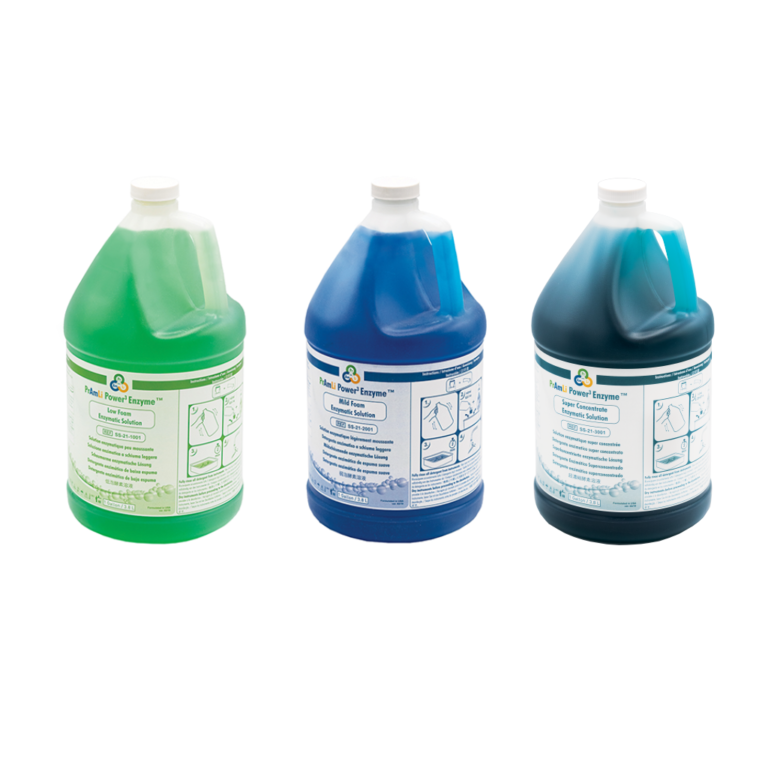
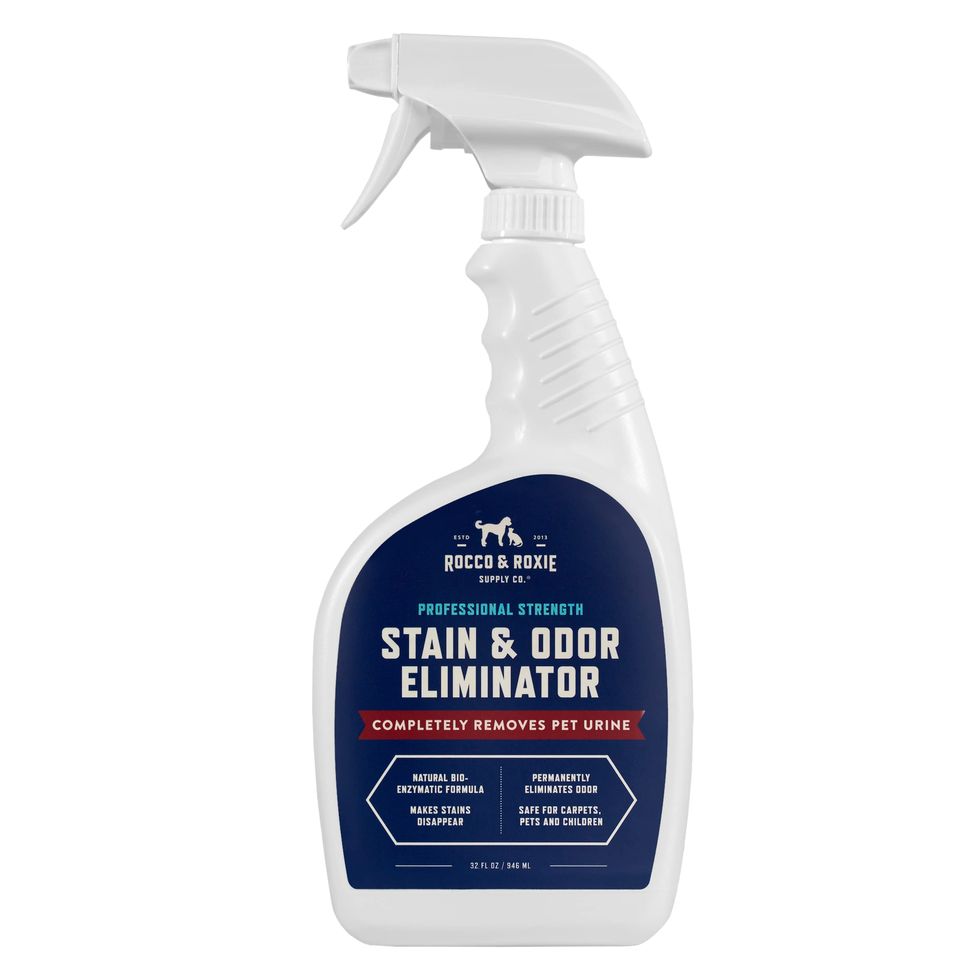
Not every cleaner that says "enzyme" on the label is created equal. Some products use minimal amounts of enzymes mixed with heavy surfactants and fragrances, which dilutes the effectiveness.
Here are the things I always check before buying:
- The ingredient list should list the actual enzymes, like protease, lipase, or amylase
- It should be free from artificial fragrances that can irritate allergies
- The pH should be close to neutral for safe use on most surfaces
- Look for products that are clearly labeled for your intended use, like pet stains or laundry
- Avoid products with high alcohol content, which can kill the enzymes
Also, remember that enzyme cleaners need time to work. Most require at least 10 to 15 minutes of dwell time, and some tough stains may need overnight soaking. If you spray and immediately wipe, you're not giving the enzymes a fair chance to do their job.
Limitations You Should Know About
While I love enzyme cleaners and use them daily, they aren't perfect for every situation. It's only fair to mention where they fall short.
- They don't work well on inorganic messes like rust, hard water spots, or soap scum
- Very old or set-in stains may need multiple treatments
- They can lose effectiveness if mixed with bleach or other harsh chemicals
- They have a shorter shelf life once opened because enzymes can break down over time
- Some formulas may struggle in extremely hot or cold conditions
Knowing these limitations actually helps you get better results, because you won't expect an enzyme cleaner to do something it wasn't designed for.
Tips for Getting the Best Results
Over the years, I've picked up a few tricks that make enzyme cleaners work even better. These small steps can turn a good result into a great one.
- Blot excess moisture first before applying the cleaner
- Use cool or lukewarm water, since heat can denature enzymes
- Let the product sit for at least 15 minutes
- Reapply if the stain is older or deeply set
- Store bottles in a cool, dark place to preserve enzyme activity
- Don't mix with bleach or ammonia
These tiny adjustments can double the effectiveness of the product and save you from re-treating the same spot over and over.

Enzyme Cleaners vs Traditional Chemical Cleaners
A lot of people assume "natural" means "weaker," but that's not true here. Enzyme cleaners are actually more thorough on organic messes than most chemical cleaners.
Traditional cleaners often rely on bleach, acids, or alcohol to disinfect and remove stains. These work fast but they don't break down the stain fully. They just lift it from the surface or kill the bacteria. That's why some odors come back and some stains reappear after washing.
Enzymes, on the other hand, completely degrade the organic material. There's nothing left for bacteria to feed on, which means no return odor and no lingering stain. It's the difference between covering up a smell and truly removing the cause.
My Personal Experience Switching to Enzyme Cleaners
The first time I tried an enzyme cleaner was out of frustration. My dog had an accident on the living room rug, and after three rounds of steam cleaning and odor sprays, the smell kept coming back. A friend recommended an enzyme cleaner, and I was honestly skeptical. I sprayed it on the spot, left the room for about 30 minutes, and when I came back, the smell was almost gone. By the next morning, it was completely gone.
Since then, I've used enzyme cleaners on everything from baby spit-up on my niece's clothes to grease stains on my husband's work shirts. They've never disappointed me. The biggest lesson I learned is patience. Give the enzymes time, and they will do the heavy lifting for you.
Safety and Environmental Impact
One of the best parts about enzyme cleaners is how gentle they are on people and the planet. Most formulas are non-toxic, biodegradable, and safe for septic systems. They don't release harmful fumes, and they break down naturally without polluting waterways.
If you have a household with curious toddlers, cats that walk on counters, or dogs that like to lick the floor, this peace of mind is priceless. You can clean without worrying about residue that might harm your family or pets.

How to Make Your Own DIY Enzyme Cleaner
If you enjoy DIY projects, you can actually make a simple enzyme cleaner at home using citrus peels, sugar, and water. It's a fermentation process that takes a few months, but the result is a multi-purpose cleaner that works on surfaces, fabrics, and even as a gentle floor cleaner.
While DIY versions work well for light cleaning, they don't always match the enzyme concentration of commercial products. For tough stains like pet urine, I still recommend a store-bought enzyme cleaner with clearly listed enzyme ingredients.
Frequently Asked Questions
Are enzyme cleaners safe for all surfaces?
Enzyme cleaners are safe for most fabrics, carpets, hard floors, and sealed surfaces. Always test a small hidden area first when using on delicate materials like silk or leather.
How long do enzyme cleaners take to work?
Most enzyme cleaners need at least 10 to 15 minutes to break down stains. For older or deeper stains, leaving the product on for several hours or overnight gives better results.
Can enzyme cleaners remove old stains?
Yes, but old stains often need multiple applications. The enzymes will gradually break down the stain with each treatment until it's fully gone.
Do enzyme cleaners kill bacteria?
Some enzyme cleaners have added antibacterial agents, but the enzymes themselves work by removing the organic matter that bacteria feed on, which naturally reduces bacterial growth.
Are enzyme cleaners better than bleach?
Enzyme cleaners are safer and more effective on organic stains, while bleach is better at disinfecting non-porous surfaces and removing mold. They serve different purposes.
Can I mix enzyme cleaners with vinegar or bleach?
No. Mixing enzymes with bleach, ammonia, or strong acids will deactivate the enzymes and reduce their cleaning power. Always use enzyme cleaners on their own.
Conclusion
Enzyme-based cleaners are one of the smartest, safest, and most effective cleaning solutions available today. By using natural biological reactions, they break down stains and odors at the source instead of just covering them up. Whether you're dealing with pet messes, laundry stains, or everyday spills, switching to an enzyme cleaner can save you time, protect your home, and give you peace of mind. Try one for yourself, give it a little time to work, and you'll quickly see why so many people swear by them. Have a favorite enzyme cleaner or a stain you finally conquered? Share your story in the comments, I'd love to hear how enzyme cleaners worked for you.