What Is The pH Of Oven Cleaner: 2026 Chemistry Guide
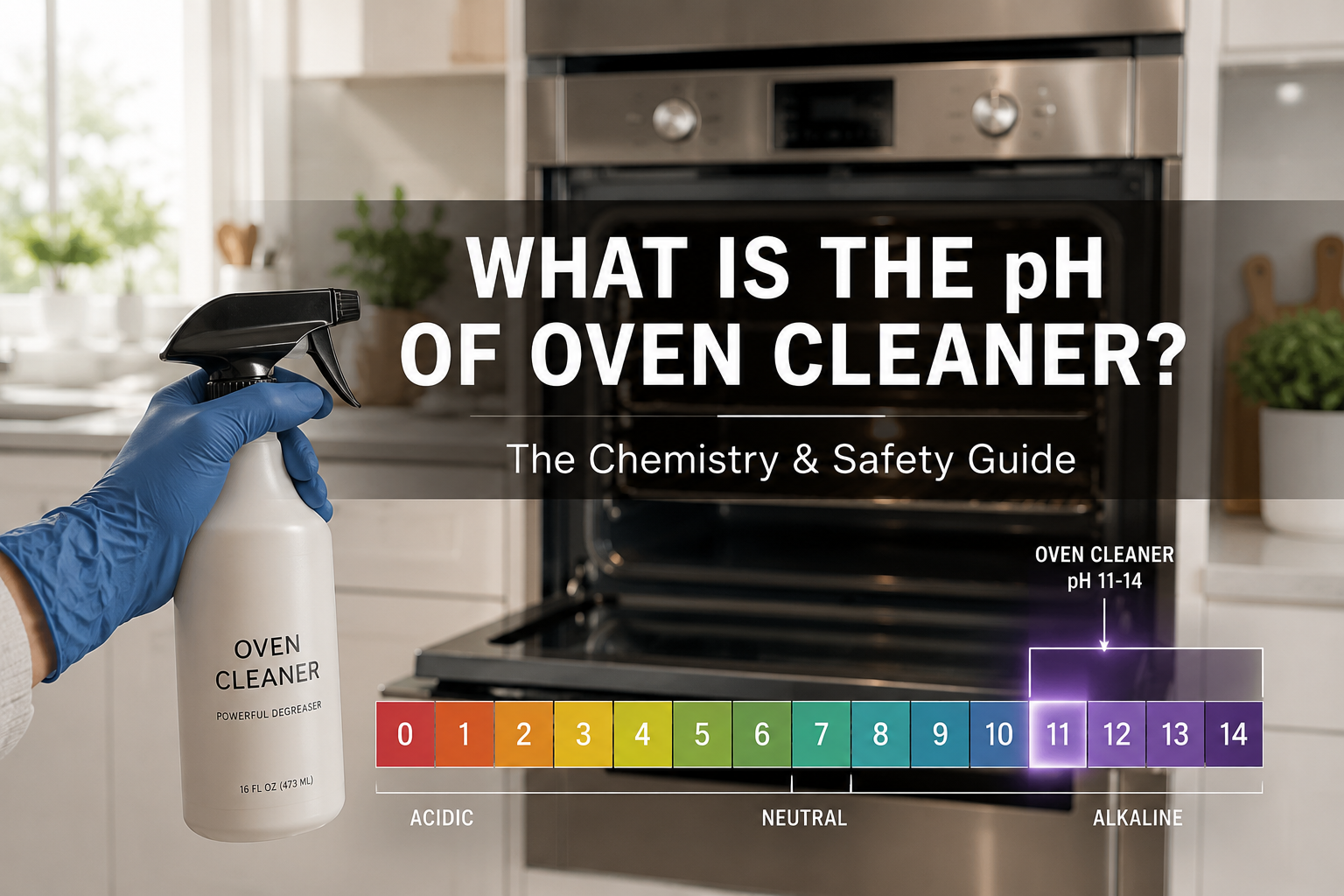
Most oven cleaners have a highly alkaline pH of 11 to 13, which is what makes them so effective at cutting through tough grease and baked-on grime. If you've ever wondered why that spray feels slippery on your skin or why it works so fast, the pH level is the secret behind it. Understanding the pH of oven cleaners helps you use them safely, choose the right product, and protect your kitchen surfaces. Let me walk you through everything you need to know, from the science to the practical tips I've picked up over years of tackling messy ovens.

Why Oven Cleaner pH Matters
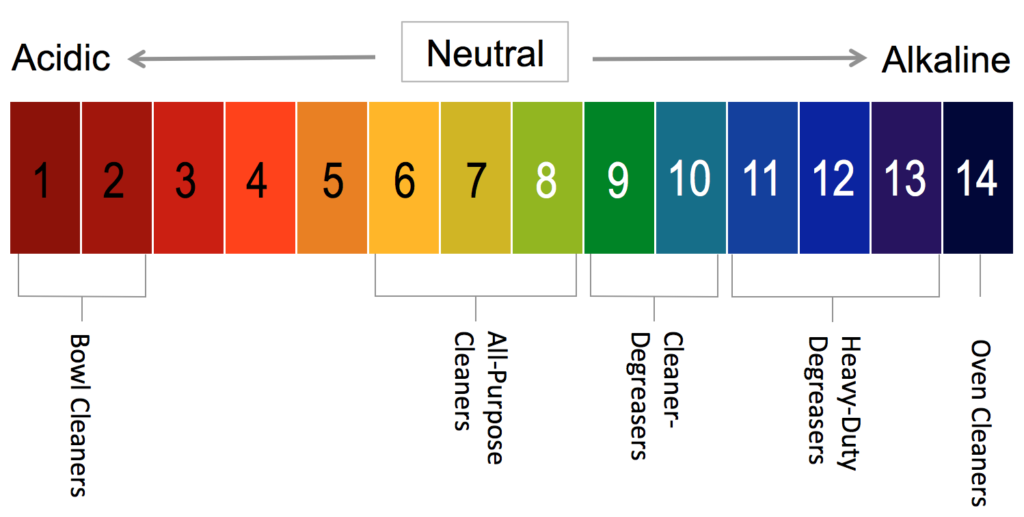
The pH scale runs from 0 to 14, with anything below 7 being acidic and anything above 7 being alkaline. Oven cleaners sit on the far alkaline end, often reaching pH 13, which is nearly as strong as bleach. This high alkalinity is intentional because grease, oil, and carbonized food residue are acidic or neutral in nature, and alkaline substances break them down through a chemical reaction called saponification.
When you spray oven cleaner on a greasy surface, the alkaline solution reacts with the fats and turns them into a soap-like substance that you can easily wipe away. That's why even the thickest, crustiest buildup starts to dissolve within minutes.
In my own experience testing dozens of cleaning products, I've found that the higher the pH, the faster the cleaner works, but the greater the risk to your skin, eyes, and certain surfaces. It's a trade-off that every homeowner should understand before reaching for that spray bottle.
The Typical pH Range of Different Oven Cleaners
Not all oven cleaners are created equal. The pH can vary depending on the type, brand, and active ingredients. Here's a quick breakdown of what you'll commonly find on the market:
- Traditional lye-based oven cleaners: pH 13 to 14
- Sodium hydroxide free formulas: pH 11 to 12
- Eco friendly or plant based cleaners: pH 9 to 11
- Steam based or non chemical options: pH 6 to 8 (essentially neutral)
If you're someone who wants maximum cleaning power, the heavy-duty lye-based products with a pH near 14 will get the job done fastest. But if you have kids, pets, or respiratory sensitivities, a milder alkaline option in the 10 to 11 range might be a better fit.
How High pH Makes Oven Cleaner Work So Well
The magic of a high pH cleaner lies in its ability to attack grease at the molecular level. Fats and oils are made of long hydrocarbon chains bonded to glycerol. When an alkaline solution comes into contact with these fats, it breaks the bonds and creates soap and glycerol, both of which are water-soluble.
Think of it like this: grease and water normally don't mix, but soap is the great mediator that bridges the gap. By turning grease into soap, the oven cleaner essentially creates its own cleaning agent right on the surface of your oven.
This is also why warm ovens clean faster than cold ones. Heat speeds up the chemical reaction, so the alkaline solution can penetrate deeper into the grime in less time. Many professionals recommend warming your oven to around 150°F before applying cleaner for best results.
Safety Precautions When Handling High pH Cleaners
A pH of 13 or 14 is no joke. These products can cause serious chemical burns on contact with skin, and the fumes can irritate your lungs and eyes. I learned this the hard way years ago when I skipped gloves while cleaning a rental property oven and ended up with red, stinging hands for two days.
Here are the safety steps I now follow every single time:
- Always wear nitrile or rubber gloves
- Use safety goggles if you're spraying upward
- Open windows or turn on the exhaust fan
- Never mix oven cleaner with other chemicals, especially acids like vinegar
- Keep the area clear of children and pets until fully ventilated
If you accidentally get cleaner on your skin, rinse immediately with cool water for at least 15 minutes. Don't try to neutralize it with another chemical, as that can create a dangerous reaction.
Surfaces You Should Never Use High pH Oven Cleaners On
Because of their extreme alkalinity, oven cleaners can damage certain materials. Before you spray, check whether your oven has any of the following:
- Aluminum: high pH will corrode and pit the metal
- Painted surfaces: the paint can bubble, peel, or discolor
- Self-cleaning oven interiors: most manufacturers warn against using chemical cleaners
- Decorative trims or decals: these often can't withstand strong alkaline solutions
Stainless steel is generally safe, but always test in a small hidden area first. I've seen people strip the protective coating off their oven doors by leaving cleaner on too long, which then leads to rust and permanent damage.
Comparing pH Levels: Oven Cleaner vs Other Household Products
It helps to put oven cleaner's pH in perspective. Here's how it stacks up against other common cleaning agents:
- Lemon juice: pH 2 to 3
- Vinegar: pH 2.5 to 3
- Baking soda solution: pH 8 to 9
- Ammonia: pH 11
- Bleach: pH 12 to 13
- Oven cleaner: pH 11 to 14
- Drain cleaner: pH 14
Oven cleaner and drain cleaner are among the most alkaline products in your home, which makes sense because they're tackling some of the toughest messes. Bleach is close behind, but it's typically used at a lower concentration for safety.
DIY and Natural Alternatives: What pH Can You Expect?
If commercial oven cleaners feel too harsh, you can make gentler alternatives at home. While they won't match the power of a pH 13 product, they can still handle light grease:
- Baking soda paste: pH around 8 to 9, mild but effective for fresh spills
- Vinegar and baking soda mix: pH fluctuates but averages around 7 during reaction
- Dish soap and warm water: pH 7 to 8, great for routine maintenance
These natural options work through mechanical action and mild chemistry rather than aggressive alkalinity. They're safer for your skin, your family, and the environment, but you'll need more elbow grease and repeated applications.
How to Test the pH of Your Oven Cleaner at Home
If you're curious about the exact pH of the product sitting under your sink, you can test it yourself with pH strips. These are inexpensive and available at hardware stores or online.
- Put on gloves and safety glasses
- Dilute a tiny amount of cleaner in distilled water (1 part cleaner to 10 parts water)
- Dip a pH strip into the solution
- Compare the color to the chart on the packaging
Always dilute first, because testing a pH 13 product at full strength can throw off the reading and is more hazardous to handle. If the strip maxes out at 14, you know you're dealing with a heavy-duty formula.
How pH Affects Storage and Shelf Life
High pH products tend to be more stable than acidic ones, but they can still degrade over time. Most oven cleaners have a shelf life of about 1 to 2 years. Over time, the active alkaline ingredients can react with carbon dioxide in the air, lowering the pH and reducing effectiveness.
I always write the purchase date on the bottle with a marker so I know when it's time to replace it. If your cleaner smells different, looks separated, or doesn't foam up like it used to, the pH has likely dropped and it's time for a new bottle.
Environmental Impact of High pH Drain and Oven Cleaners
When you rinse oven cleaner down the drain, the high pH water enters the wastewater system. Most municipal treatment plants can handle this, but concentrated amounts can harm aquatic life if they reach natural waterways untreated.
If you're eco-conscious, look for biodegradable formulas or use the gentler alternatives mentioned earlier. Some newer plant-based oven cleaners use potassium carbonate or citric acid derivatives that work well without the extreme alkalinity.
Common Misconceptions About Oven Cleaner pH
There are a few myths worth clearing up:
- Myth: higher pH always means better cleaning
- Reality: pH matters, but surfactants and other ingredients also play a big role
- Myth: all oven cleaners are the same strength
- Reality: there's a wide range, from pH 9 eco formulas to pH 14 heavy-duty products
- Myth: you should neutralize with vinegar after cleaning
- Reality: this creates harmful fumes and isn't necessary if you rinse thoroughly with water
Tips for Choosing the Right Oven Cleaner Based on pH
Picking the right cleaner depends on your needs. If you're dealing with a heavily soiled oven that hasn't been cleaned in years, go for a pH 13+ product and accept the extra safety precautions. For monthly maintenance, a pH 10 to 11 spray is plenty and much easier on your hands.
Read the label carefully. Manufacturers are required to list the active ingredients, and the type of alkaline agent tells you a lot. Sodium hydroxide and potassium hydroxide are the strongest, while sodium carbonate and sodium bicarbonate are milder.
Frequently Asked Questions
Is oven cleaner acidic or alkaline?
Oven cleaner is strongly alkaline, typically with a pH between 11 and 13, which helps it dissolve grease and carbonized food.
Can oven cleaner damage my oven?
Yes, if used on the wrong surfaces like aluminum, painted finishes, or self-cleaning interiors, it can cause permanent damage.
What happens if oven cleaner touches your skin?
It can cause chemical burns, redness, and irritation. Rinse immediately with cool water for at least 15 minutes and seek medical help if needed.
Are there oven cleaners with a neutral pH?
Steam-based and some plant-based formulas have a near-neutral pH around 7 to 9, but they're less effective on heavy buildup.
Can I mix baking soda with oven cleaner to boost power?
No, mixing chemicals can cause dangerous reactions. Stick to one product at a time and follow label directions.
Final Thoughts
The pH of oven cleaner is the key to understanding why these products work so well and why they demand respect. With a typical pH of 11 to 13, these alkaline solutions break down grease faster than almost anything else in your cleaning cabinet, but they also come with real safety responsibilities. By choosing the right pH level for your needs, following proper handling steps, and avoiding sensitive surfaces, you can get a sparkling clean oven without the risk. Take a few minutes to read the label, gear up with gloves, and let the chemistry do the heavy lifting. Your oven, and your hands, will thank you.