What Solution Cleans Coins: Best DIY Methods For 2026
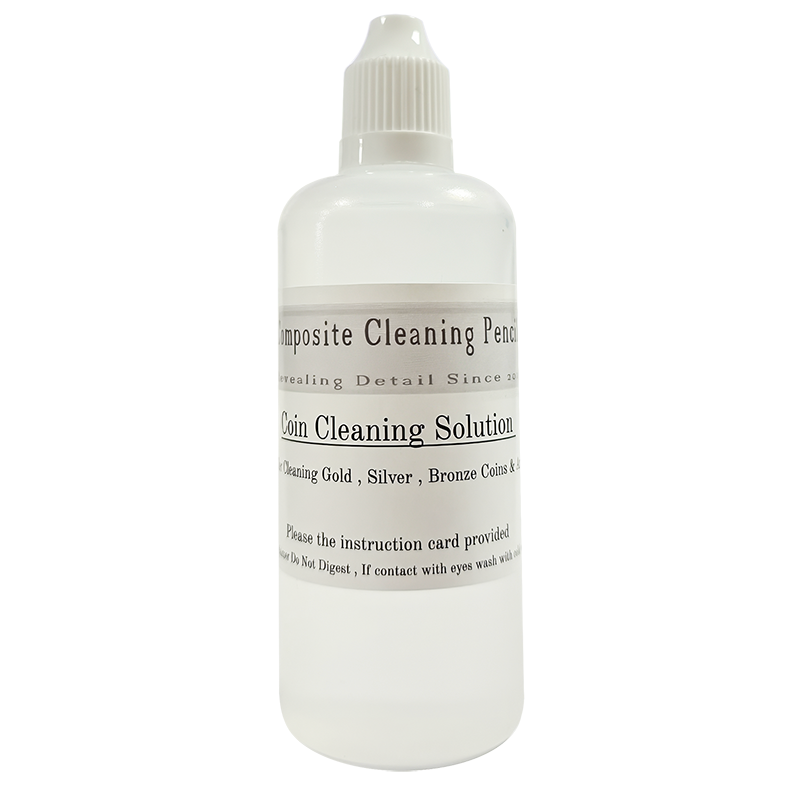
A mild solution of white vinegar and salt is one of the safest and most effective ways to clean coins, while professional conservators typically use distilled water or specialized coin cleaners to avoid damage.
If you've ever held an old, dull coin and wondered whether it could look shiny again, you're not alone. The truth is, cleaning coins is both an art and a little bit of chemistry. Over the years, I've tested dozens of methods, from quick kitchen fixes to professional conservation techniques, and I've learned what really works. In this guide, I'll walk you through the best solutions for cleaning coins, how to use them safely, and the mistakes you'll want to avoid. Whether you're a collector, a hobbyist, or just curious, you'll find practical advice you can trust right here.

Understanding Why Coins Get Dirty
Before jumping into the solutions, it helps to know what you're actually cleaning off. Coins change over time because of chemistry, environment, and handling. Once you understand that, the right cleaning method becomes much easier to choose.
Common Causes of Coin Tarnish
Coins tarnish mostly due to oxidation. When metal meets oxygen, moisture, or sulfur compounds in the air, a chemical reaction happens. Copper coins turn brown or green, silver coins blacken, and nickel coins can develop a dull gray film. Oils from your skin, soap residue, and even pollution speed up this process. In my experience, coins kept in paper envelopes or handled without gloves always tarnish faster. It's a small habit change that makes a big difference over time.
The Difference Between Dirt and Patina
Here's something many people miss. Not every dark spot on a coin is dirt. A patina is a thin layer that forms naturally on old coins and can actually protect the surface. Aggressive cleaning can remove this layer and lower a coin's numismatic value. If the coin is rare or old, less is more. If it's a modern coin you just want shiny, you have more freedom to clean.

The Best Solutions for Cleaning Coins
Now for the part you've been waiting for. Below are the most popular and effective solutions used by both everyday collectors and professionals. Each one works a little differently, so I'll explain what to expect.
White Vinegar and Salt
This is my go-to recommendation for most people. White vinegar is a mild acid, and salt acts as a gentle abrasive. Together, they break down tarnish without scratching the metal. Mix a few tablespoons of white vinegar with a teaspoon of salt in a small bowl. Drop the coins in for about five minutes, rinse under running water, and dry with a soft cloth. I've restored dozens of wheat pennies this way, and they came out looking like new.
Baking Soda Paste
Baking soda is a classic cleaning agent because it's slightly alkaline and very mild. Make a paste using two parts baking soda to one part water. Gently rub it onto the coin with your fingers or a soft cloth. Rinse well and dry. This method works best for lightly soiled coins and is great for kids learning about coin collecting.
Lemon Juice
Lemon juice is a stronger acid than vinegar, so use it with care. Soak the coin for no more than two minutes, then rinse and dry. I once left a coin in lemon juice too long and noticed a faint pinkish hue on the copper. Lesson learned. Stick to vinegar for safer results.
Distilled Water
Sometimes the best solution is the simplest. For valuable or ancient coins, distilled water is the safest option. Soak the coin for a few minutes, gently wipe with a soft cloth, and let it air dry. It won't remove deep tarnish, but it will lift dust and light grime without any chemical risk.
Isopropyl Alcohol
Isopropyl alcohol is excellent for removing sticky residue or organic buildup. It evaporates quickly and doesn't leave water spots. I use it often on coins that have been stored in old holders or albums. Just dip a cotton swab in 70% alcohol and gently clean the surface.
Olive Oil
For very old or encrusted coins, a long soak in olive oil works wonders. It softens dirt and hard deposits over time. Some collectors leave coins in olive oil for weeks or even months. The slow process prevents damage and is safe for almost any metal.

How to Clean Coins Step by Step
Cleaning coins the right way is just as important as choosing the right solution. Follow these steps for the best results.
Gather Your Supplies
You only need a few things:
- A small bowl or container
- Your chosen cleaning solution
- Soft, lint-free cloths
- Soft-bristled toothbrush for stubborn spots
- Clean water for rinsing
Test First
Always test your solution on a less valuable coin before treating anything important. I learned this the hard way when I cleaned a 1969 Lincoln cent with a harsh chemical and it left a permanent mark. Now, I always do a small spot test first.
Soak and Rinse
Place the coin in your solution for the recommended time. Don't leave it longer than needed. Rinse thoroughly under running water to remove all residue. Leftover chemicals can cause long-term damage.
Dry Properly
Pat the coin dry with a soft cloth. Don't rub. Let it air dry completely on a clean towel. Moisture trapped in tiny crevices can cause new spots to form.
Store Correctly
Once clean, store coins in acid-free holders or capsules. Keep them away from humidity and direct sunlight. Good storage prevents the need for frequent cleaning in the future.
Mistakes to Avoid When Cleaning Coins
Even with the best intentions, it's easy to make errors. Here are the most common mistakes I see and how you can avoid them.
Using Abrasive Materials
Never use steel wool, rough cloths, or harsh brushes. These scratch the coin's surface and ruin its finish. A soft toothbrush is the most aggressive tool you should ever use.
Overcleaning
It's tempting to make a coin look perfect, but too much cleaning reduces its value. For collectible coins, even fingerprints can matter. Less is more.
Mixing Chemicals
Never mix cleaning agents unless you're sure they're safe together. Some combinations create toxic fumes or harmful reactions. Stick to one solution at a time.
Ignoring Coin Type
Different metals react differently. Gold and silver need gentler care than copper or nickel. Always consider the coin's material before choosing a method.

Professional Tips from Experience
Over the years, I've picked up a few tricks that make coin cleaning easier and safer.
- Always handle coins by the edges to avoid adding fingerprints.
- Use distilled water instead of tap water when rinsing to prevent mineral deposits.
- For ancient coins, consider leaving them as they are. Their history is part of their charm.
- If a coin is extremely valuable, consult a professional conservator before cleaning.
- Keep a cleaning log if you maintain a large collection. It helps track what works.

When to Seek Professional Help
Sometimes, a coin is too valuable or too delicate to clean at home. If you own rare currency, ancient coins, or anything with potential collector value, a professional numismatist or conservator is your best bet. They use specialized tools and techniques that preserve both the look and the market value. Think of it like taking a painting to a restorer. You want someone who knows exactly what they're doing.

Frequently Asked Questions
What is the safest solution to clean coins?
Distilled water is the safest option for all coin types. It removes light dirt without any chemical risk. For more stubborn tarnish, a mild vinegar and salt mix works well on non-valuable coins.
Can you clean coins with toothpaste?
Toothpaste is too abrasive and can scratch coins. It's a common home remedy but not recommended if you care about the coin's surface. Use baking soda paste instead for a similar but safer effect.
Does cleaning coins reduce their value?
Yes, cleaning can lower a coin's numismatic value, especially if it removes the natural patina. For collectible coins, avoid cleaning unless absolutely necessary.
How do professionals clean old coins?
Professionals use controlled methods like ultrasonic cleaning, distilled water soaks, or specialized conservation chemicals. They also avoid scrubbing and focus on preserving the original surface.
Can ketchup clean coins?
Ketchup contains mild acids and salt, so it can clean copper coins in a pinch. However, it's messy and not ideal for valuable or delicate pieces. Vinegar is a cleaner, more controlled alternative.
Conclusion
Cleaning coins is a simple process when you understand the basics. The right solution depends on the type of coin, the level of tarnish, and whether you care about its collector value. For everyday coins, vinegar and salt, baking soda, or even distilled water will do the job beautifully. For rare or old coins, less is more, and professional help is always worth considering. With the tips and methods shared here, you can confidently bring your coins back to life while keeping them safe. Try one of these methods today, and see the difference for yourself. If you enjoyed this guide, feel free to share it with fellow collectors or leave a comment with your own cleaning tips.