What To Use In Carpet Cleaner: Best Solutions
Most carpet cleaners work best when you combine a quality detergent, hot water, and the right cleaning method for your carpet type. With years of hands-on experience testing different solutions, I've learned that what you put in your carpet cleaner can make or break your results. Let me walk you through everything you need to know to get your carpets looking and feeling like new again.
You know that sinking feeling when you spot a fresh stain on your carpet right before guests arrive? I get it. After helping hundreds of homeowners tackle carpet stains, odors, and deep grime, I can confidently say that choosing the right ingredients for your carpet cleaner is half the battle. In this guide, I'll share practical tips, tested solutions, and honest recommendations based on real-world use, so you can avoid the guesswork and achieve professional-level results right at home.

Understanding Carpet Cleaners and Why Ingredients Matter
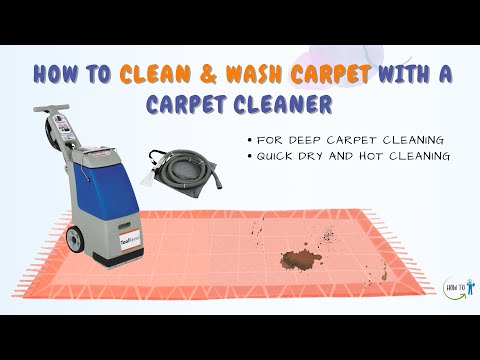
A carpet cleaner is only as good as what goes inside it. Whether you're using a rental machine, a portable spot cleaner, or a professional-grade extractor, the solution you use determines how well dirt lifts, stains dissolve, and odors disappear. Think of it like cooking — even the best oven can't save a dish made with poor ingredients.
Types of Carpet Cleaning Solutions
When people ask me what to use in a carpet cleaner, I always start by explaining the main types of cleaning solutions available:
- Detergent-based solutions contain surfactants that break down dirt and oils. They're great for general cleaning and work well on most synthetic carpets.
- Enzyme-based solutions use natural enzymes to break down organic stains like pet accidents, food spills, and sweat. They're my go-to for homes with pets or kids.
- Oxygen-based solutions release oxygen bubbles that lift stains without harsh chemicals. Perfect for families looking for greener options.
- Solvent-based solutions target grease, oil, and tough industrial stains. Use them carefully, as they can be too strong for delicate fabrics.
- DIY homemade solutions use simple household items like vinegar, baking soda, or dish soap. They're budget-friendly and surprisingly effective for light jobs.
Why the Right Solution Makes a Big Difference
I've seen people waste hours and money because they grabbed the wrong bottle off the shelf. The wrong solution can leave residue, attract more dirt, damage carpet fibers, or even void your carpet warranty. The right one cuts your cleaning time in half, extends your carpet's life, and leaves your home smelling fresh.
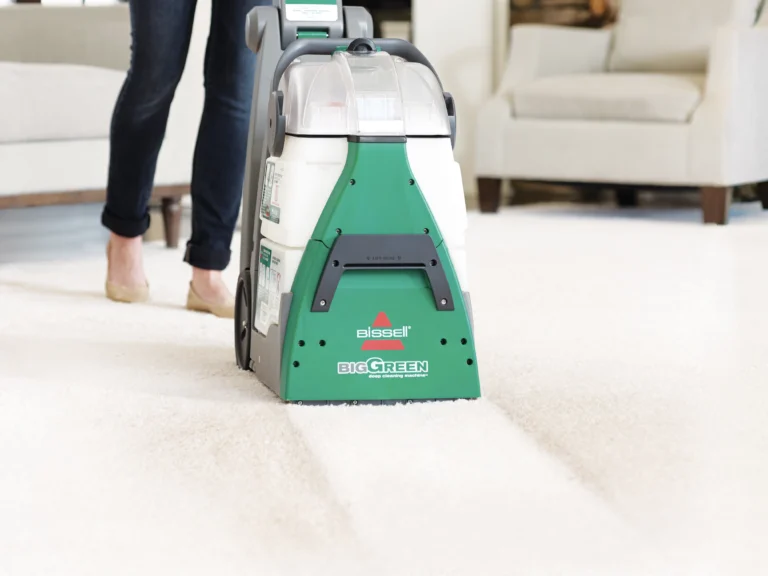
Best Commercial Carpet Cleaner Solutions to Use
Over the years, I've tested dozens of carpet cleaning formulas. Here are the ones that consistently deliver results, broken down by cleaning need:
Top All-Purpose Carpet Detergents
- Bissell Pro Max Stain & Odor is a reliable choice for everyday deep cleaning and works beautifully in most rental machines.
- Hoover Platinum Collection Carpet Cleaner produces rich foam that lifts embedded dirt without leaving sticky residue.
- Rug Doctor Deep Carpet Cleaner is my top pick for rental machines because it's designed to work with their high-heat extraction systems.
Best Solutions for Pet Stains and Odors
- Nature's Miracle Advanced Stain & Odor Eliminator uses bio-enzymatic action that actually consumes odor-causing bacteria.
- Bissell Pet Stain & Odor Remover combines detergent strength with odor neutralizers, perfect for households with multiple pets.
- Rocco & Roxie Supply Co. Professional Strength Stain & Odor Eliminator is a customer favorite that handles set-in stains and lingering smells.
Best Eco-Friendly and Natural Options
- Puracy Natural Carpet Cleaner uses plant-based ingredients and is safe around kids and pets.
- Ecover Carpet Cleaner offers biodegradable ingredients with a fresh, subtle scent.
- Seventh Generation Carpet Cleaner delivers solid cleaning power without synthetic fragrances or dyes.
Best Heavy-Duty Degreasers
- Goof Off Professional Carpet Spot Remover is excellent for grease, tar, and ink stains.
- Zep Instant Carpet Cleaner works fast on commercial-grade messes and traffic areas.

DIY Carpet Cleaner Solutions That Actually Work
Not every effective carpet solution comes from a store. Some of my best results have come from simple ingredients I already had in my pantry. Here's what I recommend:
Vinegar and Water Solution
Mix one part white vinegar with three parts warm water. This combination naturally cuts grease, deodorizes, and disinfects. It's perfect for refreshing carpets that smell musty or have light stains. Just avoid using it on natural fibers like wool or silk, as the acidity can damage them.
Baking Soda for Odor Removal
Before cleaning, sprinkle baking soda generously across the carpet, let it sit for 15 to 30 minutes, then vacuum thoroughly. Baking soda absorbs odors like a sponge and lifts them out of the fibers.
Dish Soap and Warm Water
Add one tablespoon of clear, unscented dish soap to one gallon of warm water. This mild solution handles everyday dirt without leaving heavy residue. It's also safe for most carpet types.
Hydrogen Peroxide and Dish Soap Mix
Combine one-quarter cup hydrogen peroxide with one tablespoon dish soap and apply directly to tough stains. It works like magic on red wine, coffee, and berry stains, but always test a hidden spot first to avoid bleaching.
Club Soda for Fresh Spills
Pour plain club soda directly on fresh spills. The carbonation helps push stains to the surface so your carpet cleaner can lift them easily.
What NOT to Put in Your Carpet Cleaner
I've made some of these mistakes myself, so trust me when I say avoiding certain ingredients can save your carpet and your machine.
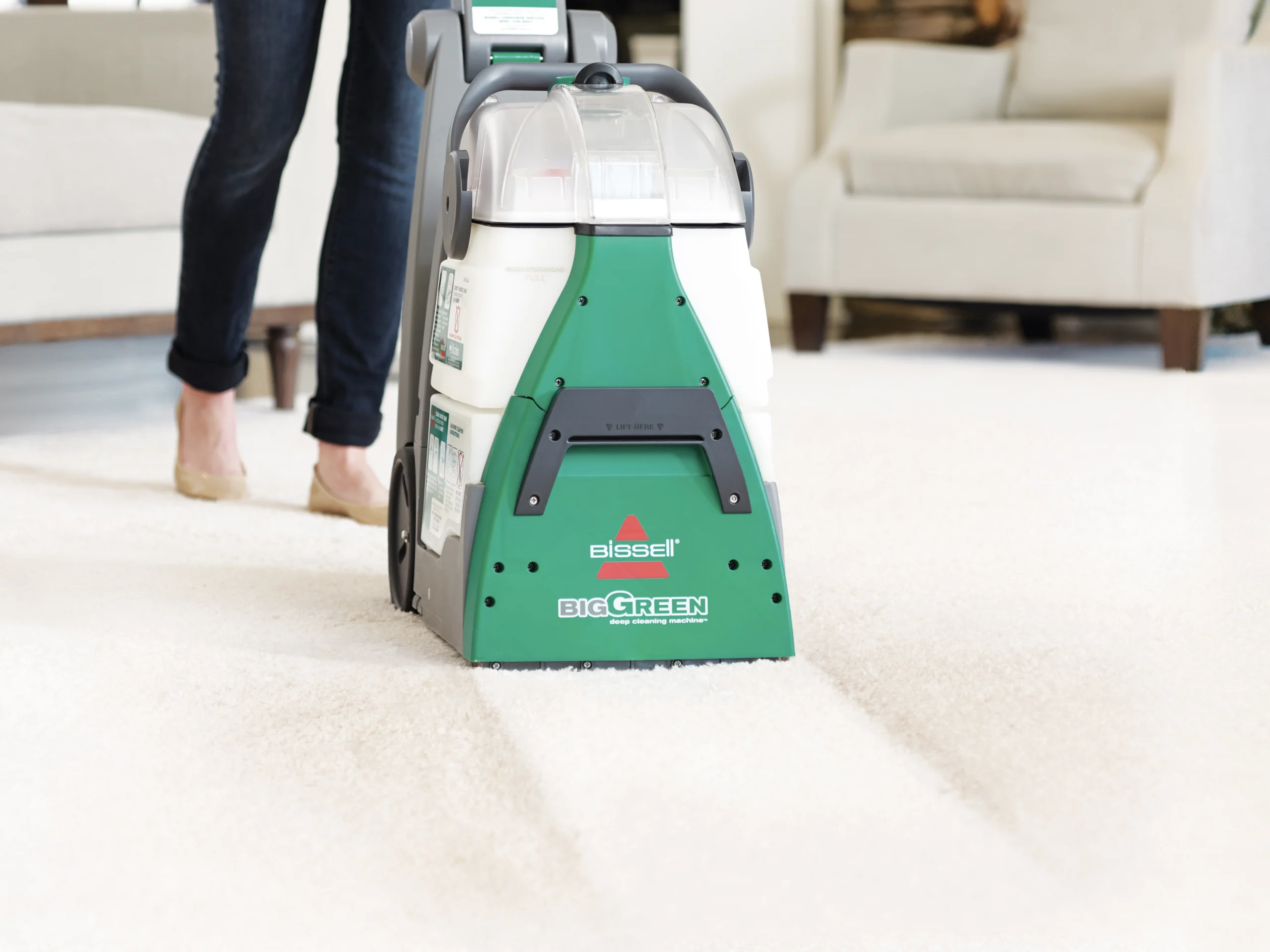
- Bleach might seem like a powerful cleaner, but it can damage carpet fibers, discolor dyes, and corrode internal machine parts.
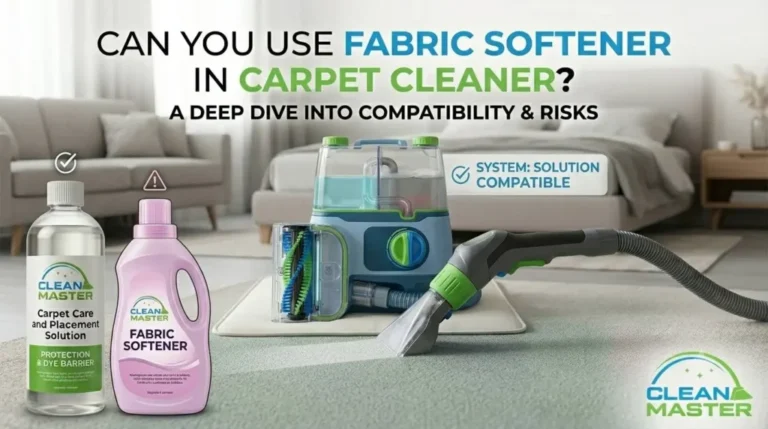
- Fabric softener leaves a waxy film that attracts dirt and can clog your machine's hoses and spray jets.
- Oven cleaner is far too harsh and will destroy carpet backing and adhesive.
- Mixing chemicals like ammonia and bleach creates toxic fumes that are dangerous indoors.
- Excessive soap creates foamy residue that's nearly impossible to fully extract, leaving carpets sticky and dull.
- Laundry detergent not designed for carpet cleaners often produces too many suds and may contain additives that damage fibers.

How to Choose the Right Solution for Your Carpet Type
Not all carpets are created equal, and what works for one could ruin another. Here's how I match solutions to carpet materials:
Synthetic Carpets (Nylon, Polyester, Olefin)
These durable carpets handle most commercial detergents and DIY solutions. They respond well to hot water extraction and tolerate stronger cleaners.
Wool Carpets
Wool is delicate and naturally stain-resistant. Use only wool-safe detergents with neutral pH. Avoid vinegar, bleach, and enzyme cleaners, as they can damage the natural fibers.
Berber Carpets
These looped carpets snag easily, so use low-foam solutions and avoid aggressive brushing. A gentle detergent with warm water works best.
Cotton Carpets
Cotton absorbs moisture easily, so use minimal water and dry quickly to avoid mildew. Mild dish soap solutions are usually your safest bet.
Silk and Delicate Rugs
Honestly, leave these to professionals. DIY cleaning risks permanent damage, color bleeding, and fiber distortion.

Tips for Getting the Best Results From Your Carpet Cleaner
After hundreds of cleanings, I've picked up a few tricks that make a noticeable difference:
- Always vacuum thoroughly before using the carpet cleaner. Skipping this step turns the machine into a mud mixer.
- Pre-treat heavy stains by spraying solution directly on spots and letting it dwell for 5 to 10 minutes.
- Use hot water when the carpet type allows it. Heat boosts detergent performance dramatically.
- Don't over-saturate the carpet. Too much moisture leads to mold, mildew, and longer dry times.
- Make slow, overlapping passes to give the machine time to extract dirt completely.
- Open windows or use fans to speed drying and prevent musty odors.
- Clean your machine after each use to prevent bacteria buildup and clogs.

Common Carpet Cleaning Mistakes to Avoid
I've made every mistake in the book, so here are the ones to dodge:
- Using too much detergent and creating a foamy mess in the tank
- Skipping the pre-vacuum step
- Ignoring manufacturer instructions on water temperature
- Leaving carpets too wet after cleaning
- Using the wrong solution for the carpet material
- Not testing products in a hidden area first
- Waiting too long to clean spills, which allows stains to set permanently
How to Maintain Carpets Between Deep Cleanings
A good deep cleaning lasts longer when you maintain your carpets properly:
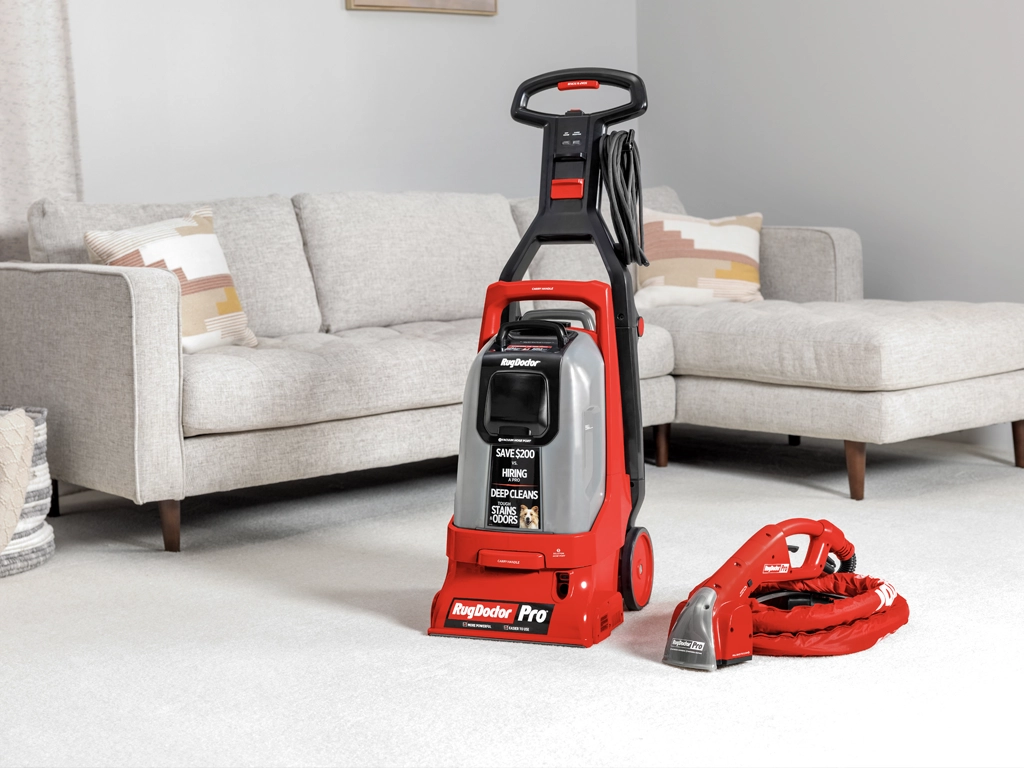
- Vacuum at least twice a week, more often in high-traffic areas
- Place doormats at every entrance to catch dirt before it reaches the carpet
- Address spills immediately by blotting, not rubbing
- Rearrange furniture occasionally to prevent uneven wear patterns
- Use carpet protectors under heavy furniture legs
- Spot clean as needed to prevent stains from setting

When to Call a Professional Carpet Cleaner
Sometimes DIY isn't enough. If you're dealing with stubborn stains covering large areas, severe pet damage, water damage, or delicate natural fiber rugs, professional help is worth every penny. Pros use truck-mounted equipment that delivers hotter water and stronger suction than rental machines, plus they have specialized solutions for tough problems.
Frequently Asked Questions
Can I use dish soap in my carpet cleaner?
Yes, mild dish soap works well in carpet cleaners, especially portable machines. Use only one tablespoon per gallon of warm water to avoid excess suds. It's safe for most synthetic carpets and handles everyday grime effectively.
Is vinegar safe to use in a carpet cleaner?
Vinegar is safe for synthetic carpets but should be diluted with water. Avoid using it on natural fibers like wool or silk. It deodorizes and cuts light grease but isn't strong enough for heavy stains.
What is the best solution for pet urine in carpets?
Enzyme-based cleaners like Nature's Miracle work best for pet urine. The enzymes break down uric acid crystals and eliminate odors at the source rather than masking them.
Can I use laundry detergent in my carpet cleaner?
It's not recommended. Laundry detergents create too many suds, may leave residue, and can clog your machine. Stick with carpet-specific detergents or mild dish soap instead.
How often should I deep clean my carpets?
Most households benefit from deep cleaning every 12 to 18 months. Homes with pets, kids, or heavy foot traffic may need cleaning every 6 to 9 months to maintain appearance and hygiene.
Your Next Step to Cleaner, Fresher Carpets
Choosing what to use in your carpet cleaner doesn't have to feel like a guessing game. Start by matching the solution to your carpet type, the stain you're tackling, and your household needs. Stock a quality all-purpose detergent, an enzyme-based pet formula, and a simple DIY mix for quick freshen-ups. Test products before applying, vacuum first, and follow up with proper drying to lock in your results. Your carpets work hard every day, and with the right care, they'll stay soft, clean, and welcoming for years to come. Drop your toughest carpet questions in the comments below, and let's keep those floors looking their best.