What Can I Use In Carpet Cleaner: Best DIY Solutions
You can use white vinegar, baking soda, dish soap, hydrogen peroxide, or rubbing alcohol in a carpet cleaner, depending on the stain. Knowing which ingredient to use for each type of mess can save your carpet from damage and keep it looking fresh for years.
If you've ever stared at a stubborn stain and wondered, "What can I actually use in my carpet cleaner?" you're not alone. I've been there too, holding a bottle of mystery cleaner, unsure if it would save my carpet or ruin it. Over the years, I've tested countless solutions, made a few mistakes, and learned what truly works. This guide will walk you through the best options, what to avoid, and how to get the most out of your carpet cleaner safely.
Best Ingredients to Use in a Carpet Cleaner
Your carpet cleaner is only as good as what you put inside it. Using the wrong solution can leave residue, damage fibers, or even void your machine's warranty. Here are the top choices that work well in most carpet cleaning machines.
White Vinegar
White vinegar is one of the most versatile and affordable carpet cleaning solutions. It naturally breaks down dirt, neutralizes odors, and kills bacteria without leaving harmful residue.
- Mix one part white vinegar with two parts warm water.
- Add a few drops of essential oil for a pleasant scent.
- Works great for general cleaning, pet odors, and mild stains.
Baking Soda
Baking soda is a gentle powerhouse when it comes to freshening carpets. It absorbs odors and helps lift light stains when combined with water.
- Sprinkle baking soda on the carpet before vacuuming for deodorizing.
- Mix with water to form a paste for spot treatments.
- Safe for most carpet types and families with kids or pets.
Dish Soap
A small amount of mild dish soap mixed with water can work wonders in a carpet cleaner. It's designed to cut grease, which makes it perfect for high-traffic areas.
- Use only a few drops to avoid excessive foam.
- Choose a clear, non-bleach formula.
- Great for food spills, mud, and everyday dirt.
Hydrogen Peroxide
Hydrogen peroxide is a mild bleaching agent that works well on tough stains like wine, coffee, or blood. However, it should be used with caution on dark carpets.
- Dilute with water before using in the machine.
- Test on a hidden area first to check for colorfastness.
- Best for light-colored carpets and stubborn spots.
Rubbing Alcohol
Rubbing alcohol is excellent for removing ink, makeup, or sticky residues. It evaporates quickly, which helps prevent over-wetting.
- Dilute with water in a 1:1 ratio.
- Apply directly to stains before running the carpet cleaner.
- Avoid using on delicate or natural fibers.
What to Avoid Putting in a Carpet Cleaner
Not everything that cleans well on surfaces is safe for your carpet cleaner. Some products can damage the machine, leave behind sticky residue, or harm your carpet fibers.
Bleach
While bleach is a powerful disinfectant, it can corrode the internal parts of your carpet cleaner and discolor your carpet. Unless your machine's manual specifically says it's bleach-safe, avoid it.
Fabric Softener
Fabric softener might smell nice, but it can clog your machine's hoses and leave a waxy film on your carpet. This film attracts more dirt over time.
Excessive Soap
More soap doesn't mean cleaner carpet. Too much detergent creates excess foam, which can damage the machine's motor and leave residue that attracts dirt.
Homemade Combos with Unknown Ratios
While DIY solutions can be effective, mixing ingredients without proper ratios can cause chemical reactions or leave harmful residues. Always stick to tested recipes.

How to Choose the Right Solution for Your Carpet Type
Different carpet materials react differently to cleaning agents. Knowing your carpet type helps you pick the safest and most effective solution.
Synthetic Carpets (Nylon, Polyester, Olefin)
These carpets are durable and can handle most water-based cleaning solutions, including vinegar, dish soap, and hydrogen peroxide.
Natural Fibers (Wool, Cotton, Silk)
Natural fibers are more delicate and require gentle, pH-balanced cleaners. Avoid harsh chemicals and always test in a hidden spot first.
Berber Carpets
Berber carpets have loops that can snag or trap excess moisture. Use low-sudsing solutions and avoid over-wetting.
Tips for Getting the Best Results from Your Carpet Cleaner
Even the best solution won't help if you don't use your carpet cleaner properly. Here are some practical tips I've picked up over the years.
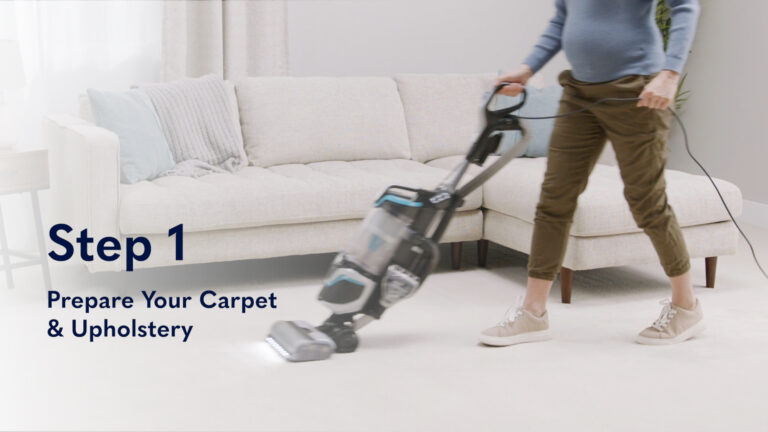
- Vacuum thoroughly before using the machine to remove loose dirt.
- Pre-treat tough stains with a spot cleaner before running the full cycle.
- Use warm water, not hot, to help cleaning agents activate without damaging fibers.
- Don't overfill the solution tank to prevent leaks and foam overflow.
- Allow the carpet to dry completely before walking on it to avoid re-soiling.
- Clean your machine after every use to prevent mold and buildup.

My Personal Experience with DIY Carpet Cleaning Solutions
When I first got my carpet cleaner, I made the classic mistake of dumping in too much soap, thinking it would make my carpets extra clean. Instead, I ended up with a foamy mess and a carpet that attracted dirt even faster. It was a frustrating lesson, but it taught me that less is more when it comes to detergent.
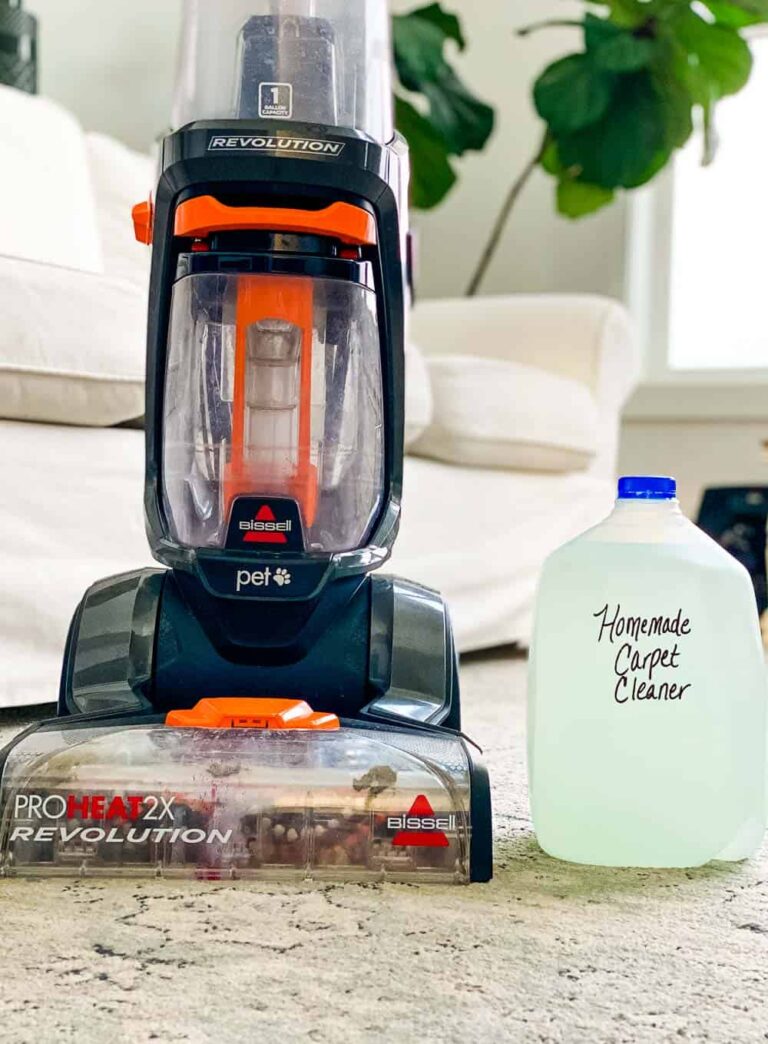
Since then, I've stuck to simple, tested solutions like white vinegar and water for routine cleaning. For pet stains, I've had great results with a mix of hydrogen peroxide, dish soap, and baking soda. The key is patience, let the solution sit for a few minutes before running the machine, and always test first.

Frequently Asked Questions
Can I use laundry detergent in my carpet cleaner?
Yes, but only in small amounts and only if it's a low-sudsing formula. Regular laundry detergent can create excess foam that damages the machine.
Is vinegar safe for all carpet types?
White vinegar is generally safe for most synthetic carpets, but it should be diluted and tested on natural fibers like wool or silk before full use.
How often should I clean my carpets with a machine?
For most households, deep cleaning every 6 to 12 months is enough. Homes with pets or kids may benefit from cleaning every 3 to 6 months.
Can I mix baking soda and vinegar in the carpet cleaner?
It's best to use them separately. Mixing them in the tank cancels out their cleaning power and creates a messy reaction inside the machine.
What is the safest homemade carpet cleaning solution?
A mix of white vinegar, warm water, and a few drops of dish soap is one of the safest and most effective homemade solutions for most carpets.
Conclusion
Knowing what to use in your carpet cleaner can make the difference between fresh, spotless floors and a cleaning disaster. Stick to gentle, proven solutions like white vinegar, baking soda, dish soap, hydrogen peroxide, or rubbing alcohol, and avoid harsh chemicals that can damage your machine or carpet. Always test new solutions in a hidden spot, use the right ratios, and follow your machine's guidelines. With the right approach, your carpets can look and feel like new for years to come. Have a favorite carpet cleaning solution of your own? Share it in the comments, I'd love to hear what works for you!