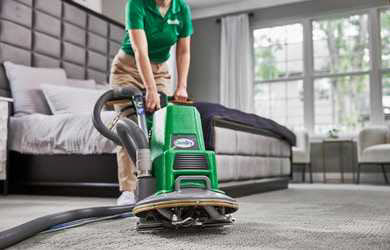
What Carpet Cleaner Do Professionals Use: Top Pro Picks
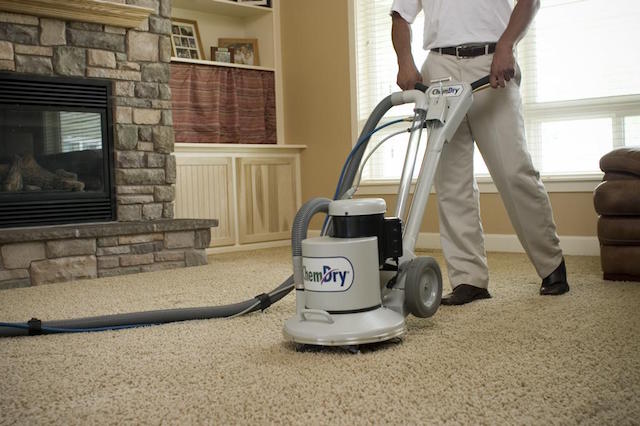
Professionals use hot water extraction (steam cleaning) combined with truck-mounted or commercial-grade portable carpet cleaning machines, paired with alkaline or low-foam detergent solutions. These tools, such as those from brands like Prochem, ChemSpec, or Windsor, deliver deep cleaning that removes embedded dirt, bacteria, and tough stains far better than rental units.
If you've ever wondered why your carpets still look dull after renting a machine from the store, you're not alone. Over the years of testing different cleaning methods in homes and offices, I've seen firsthand how the right equipment makes all the difference. Stick around, because I'm breaking down exactly what pros rely on, why it works so well, and how you can borrow some of these tricks for your own space.
Why Professional-Grade Carpet Cleaners Matter
Carpet cleaning isn't just about spraying soap and scrubbing. It's about understanding fiber types, soil load, moisture control, and chemical balance. Most homeowners and even some commercial cleaners miss these details, which is why professional results feel almost magical.
Professionals don't just use stronger chemicals. They use equipment designed for high heat, high suction, and consistent extraction. That combination is what pulls contaminants out instead of pushing them deeper. Without it, you're basically redistributing dirt and moisture, which can lead to mold, odors, and faster re-soiling.
Common Carpet Cleaning Methods Used by Professionals
There are a few core methods professionals rely on, and each has its place depending on the carpet and the situation.
Hot Water Extraction (Steam Cleaning)
This is the gold standard and the most recommended method by carpet manufacturers. It works by injecting hot water (usually between 150°F and 250°F) mixed with cleaning solution into the carpet, then immediately extracting it along with the dissolved dirt.
The key here is the combination of heat, pressure, and vacuum power. Truck-mounted units heat water to higher temperatures than portables, which improves cleaning effectiveness. Many professionals consider this the deepest clean available.
Dry Cleaning (Bonnet or Encapsulation)
For commercial spaces or carpets that can't handle a lot of moisture, dry cleaning methods are popular. The bonnet method uses a rotating pad with cleaning solution to absorb dirt from the surface. Encapsulation uses synthetic polymers that crystallize dirt into particles that can be vacuumed away later.
They dry fast and are great for maintenance cleaning, but they don't penetrate as deeply as hot water extraction. I often recommend them for offices or hotels between deep cleans.
Shampooing
Older but still used in some residential settings. A foaming detergent is worked into the carpet with a brush machine. It does clean but leaves residue if not extracted properly, which is why many pros have moved away from it.

Top Carpet Cleaning Machines Professionals Trust
You can buy a carpet cleaner at any big box store, but professional-grade equipment is a different beast. Here are the types and brands pros use daily.
Truck-Mounted Systems
These are the heavy hitters. Mounted in a van or trailer, they offer:
- Higher water temperatures (often 200°F+)
- Stronger vacuum motors (up to 200+ CFM)
- Longer hose runs without losing suction
- Faster drying times due to better extraction
Popular brands include Prochem, Sapphire Scientific, and Hydramaster. Once you use a truck mount, it's hard to go back to anything else.
Portable Extractors
For jobs where a truck mount isn't practical (like high-rise apartments), pros use high-end portable extractors. These aren't the small units you rent at the grocery store. We're talking about commercial-grade machines like the Windsor Velocity, Mytee Lite, or Clarke EZ-8.
They heat water close to 200°F and have stronger suction than residential models. Many pros keep one in their van for smaller jobs or tight spaces.
Encapsulation Machines
For commercial carpet maintenance, encapsulation machines like the Cimex or CRB (counter-rotating brush) units are common. They apply the polymer solution and work it in without excessive moisture.

Professional Carpet Cleaning Solutions and Chemicals
The machine is only half the story. The chemicals matter just as much. Professionals don't use all-purpose cleaners from the store. They use targeted formulas designed for specific soils and fiber types.
Alkaline Detergents
Most general carpet cleaning uses a slightly alkaline solution (pH 9–11). This helps break down greasy, oily soils that bind to carpet fibers. Brands like Prochem All Fiber Rinse and Chemspec All Fiber Extraction are common staples.
Acidic Rinses
Used as a neutralizing rinse after alkaline cleaning. This brings the pH back to neutral, which prevents browning and helps the carpet stay clean longer. Many pros consider this step non-negotiable.
Specialty Spotter and Pretreatment Products
For tough stains like red wine, ink, or pet urine, professionals carry a range of spotters including oxidizers, reducers, and enzyme-based cleaners. Pretreating heavy traffic lanes with a traffic lane cleaner before extraction is standard practice.
Defoamers
When cleaning, agitation creates foam. But too much foam in the vacuum can damage the machine. Adding a small amount of defoamer to the recovery tank keeps things running smoothly.

What Makes Professional Carpet Cleaning Different
It's not just about having better gear. Professionals follow a system that maximizes results.
- Pre-inspection: They identify fiber type, stains, and high-traffic areas before starting.
- Dry vacuuming: Removing loose soil first makes extraction more effective.
- Spot treatment: Addressing stains with the right chemical before full cleaning.
- Pretreatment: Spraying traffic lanes with a break to loosen embedded soil.
- Agitation: Using a grooming brush or CRB to work the pre-spray in.
- Extraction: Hot water extraction with proper overlap and slow passes.
- Post-treatment: Grooming the pile and placing air movers if needed.
- Drying: Ensuring the carpet dries within 6–8 hours to prevent wicking or mold.
Skip steps and the result suffers. I've tested shortcuts over the years, and they always cost more in callbacks.

How Often Should Carpets Be Professionally Cleaned?
Most carpet manufacturers recommend professional cleaning every 12–18 months. Homes with kids, pets, or allergies may need it every 6–9 months. Commercial spaces often follow a quarterly or monthly maintenance schedule.
The key is consistency. Letting soil build up makes every clean harder and less effective. A regular schedule keeps carpets looking better and lasting longer.
Benefits of Professional Carpet Cleaning Methods
The right method, done by someone who knows what they're doing, delivers real benefits.
- Removes deep-set dirt and allergens that vacuuming leaves behind
- Eliminates odors rather than masking them
- Extends carpet life by reducing fiber abrasion from embedded soil
- Improves indoor air quality, especially important for asthma or allergy sufferers
- Restores appearance, making even older carpets look refreshed
- Reduces bacteria and germs, especially when hot water extraction is used
Limitations and Considerations
No method is perfect. Hot water extraction can leave carpets wet if not done properly, leading to mold or mildew. Dry cleaning methods don't reach deep soils. Chemicals can leave residue if not rinsed well. And professional service costs more than DIY.
It's also worth noting that not all carpets respond to every method. Some natural fibers like wool require specific cleaning approaches and lower temperatures. Always check the care label or manufacturer's guidelines.
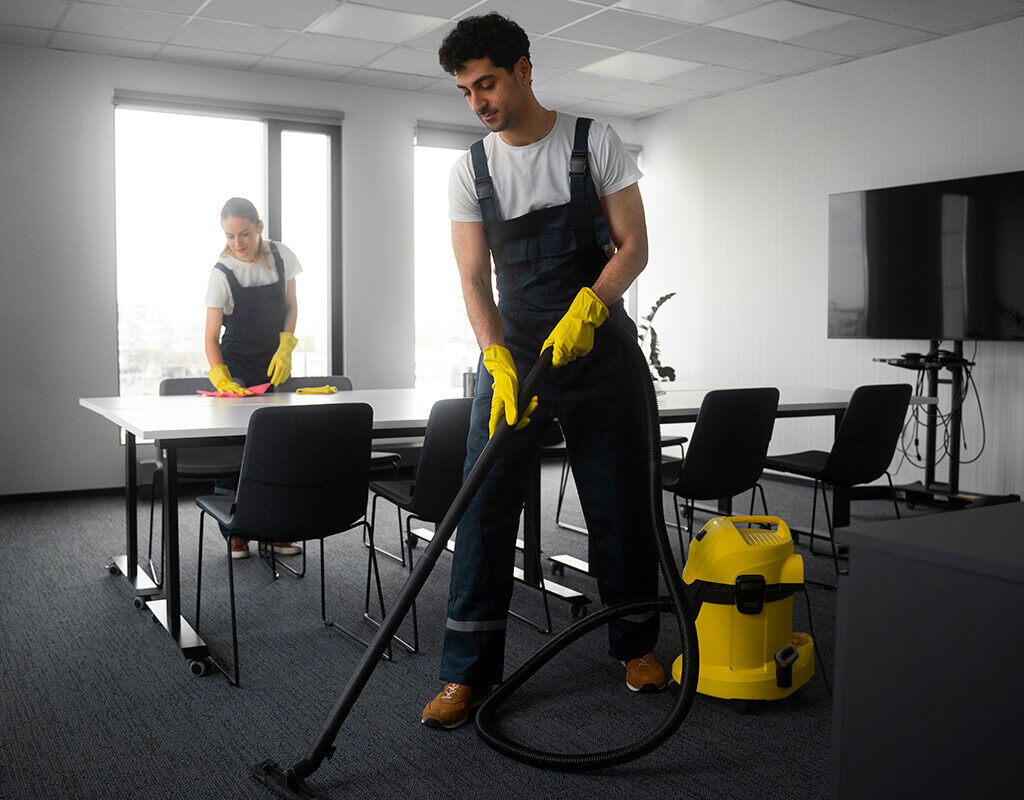
Tips From Experience: Getting the Most From Professional Cleaning
After years of testing and hiring pros myself, I've learned a few things that might help you.
- Ask what method they use. If they say shampooing only, keep looking.
- Check if they include a rinse. The best results come with a neutralizer rinse.
- Watch for pre-treatment. Skipping this step often means poor stain removal.
- Drying matters. Good pros use air movers or fans to speed drying.
- Don't walk on it. Stay off until fully dry to avoid wicking stains back up.
One time, I skipped the pre-treatment step on a heavily soiled rental property to save time. The carpets came out looking worse than before because the dirt turned to mud in the carpet. Lesson learned the hard way: shortcuts don't pay off.
Frequently Asked Questions
What do most carpet cleaners use in their machine?
Most professionals use alkaline extraction detergents or all-purpose rinse formulas in their machines. These break down oily soils without leaving sticky residue when followed by a neutral rinse.
Is steam cleaning the same as hot water extraction?
Yes. Steam cleaning is a common name for hot water extraction. The actual steam is minimal. The cleaning power comes from hot water pressure and strong vacuum suction.
Can I use a professional carpet cleaner myself?
You can rent commercial-grade equipment, but the learning curve is steep. Without proper technique, you can overwet the carpet, damage fibers, or leave residue. For most homeowners, hiring a pro is the smarter move.
What is the best carpet cleaning solution for professionals?
There isn't one best solution because different soils need different chemistry. A pro's van usually has 4–6 different products including an alkaline detergent, acid rinse, traffic lane pre-spray, and several spotters for unique stains.
How long does it take for carpets to dry after professional cleaning?
With proper extraction and air movement, carpets usually dry in 6–8 hours. Poor extraction or high humidity can stretch that to 12–24 hours. Quality pros aim for under 8 hours.
Are professional carpet cleaning chemicals safe?
Most professional chemicals are safe when used as directed. Reputable companies use solutions that meet carpet and rug institute standards and are often low-VOC or Green Seal certified.

Wrapping It Up
Professionals rely on hot water extraction machines, truck-mounted or commercial-grade portables, paired with alkaline detergents and acid rinses for deep, lasting carpet cleaning. They follow a multi-step process that includes pre-vacuuming, pre-treatment, extraction, and proper drying.
If your carpets haven't been professionally cleaned in over a year, or if you're struggling with stains and odors, it's worth bringing in a pro who uses this kind of equipment and method. The results speak for themselves.
Got questions about a specific carpet issue or want to share your own cleaning experiences? Drop a comment below, I'd love to hear what's worked for you.