What Is In Carpet Cleaner: Ingredients You Need To Know
Most carpet cleaners contain a mix of water, surfactants, detergents, solvents, fragrances, and sometimes disinfectants or stain removers. Knowing what’s inside the bottle helps you clean smarter and safer.
Ever sprayed something on your carpet and wondered what was actually doing the job? I’ve been there too. After years of testing different carpet cleaners at home and in client homes, I’ve learned that the label only tells part of the story. Some formulas work like magic on pet stains, while others leave behind sticky residue or harsh fumes. That’s why it pays to know what’s really inside your carpet cleaner. In this guide, I’ll break down the common ingredients, explain what each one does, and share tips to help you pick the right product for your floors.
Common Ingredients Found in Carpet Cleaners
Carpet cleaners may look like simple sprays, but they’re actually a blend of several key ingredients. Each component plays a specific role in breaking down dirt, lifting stains, and leaving your carpet fresh.
Water as the Base Solvent
Water is the main ingredient in most carpet cleaners, often making up 80–95% of the formula. It acts as a carrier, helping other ingredients spread evenly across carpet fibers. Without water, the active ingredients wouldn’t be able to reach deep into the weave where dirt hides. In my own cleaning routine, I’ve noticed that water-based formulas tend to dry faster and leave less residue compared to solvent-heavy products.
Surfactants and Detergents
Surfactants are the workhorses of any carpet cleaner. They reduce surface tension, allowing water to penetrate fibers and lift grime. Detergents go a step further by trapping dirt in micelles, tiny clusters that prevent soil from redepositing on the surface. Common surfactants include sodium lauryl sulfate and alcohol ethoxylates. Think of surfactants like dish soap for your carpet. They grab oily residue and suspend it so you can wipe or vacuum it away.
Solvents for Stubborn Stains
Solvents help dissolve tough stains like grease, ink, or adhesive residue. Common carpet cleaner solvents include:
- Isopropyl alcohol
- Glycol ethers
- Citrus-based solvents like d-limonene
These ingredients are great for spot treatments, but they can be strong. I always recommend testing a small area first, especially on delicate or older carpets.
Fragrances and Odor Neutralizers
Most carpet cleaners include fragrances to leave a fresh scent behind. These can be synthetic or derived from essential oils. Some formulas also include odor neutralizers like baking soda or zinc compounds that absorb smells rather than just masking them. From personal experience, odor-neutralizing cleaners work best for pet owners. They don’t just cover up the smell. They tackle it at the source.
Disinfectants and Sanitizers
Some carpet cleaners, especially those marketed as “sanitizing,” include ingredients like hydrogen peroxide, quaternary ammonium compounds, or citric acid. These help kill bacteria and germs hiding in carpet fibers. If you have kids or pets crawling around, a sanitizer can give you extra peace of mind. Just make sure the formula is safe for your carpet type.
Optical Brighteners
Optical brighteners are synthetic chemicals that make carpets appear whiter and brighter. They absorb UV light and re-emit it as visible blue light, which masks yellowing or dullness. While they improve appearance, they don’t actually clean. I’ve used them occasionally for a quick visual boost, but I wouldn’t rely on them for deep cleaning.
Preservatives and Stabilizers
Preservatives prevent mold and bacterial growth inside the bottle. Common options include phenoxyethanol and methylisothiazolinone. Stabilizers help maintain the formula’s consistency and shelf life. Without these, your cleaner could spoil or separate over time.

Types of Carpet Cleaners and Their Formulas
Not all carpet cleaners are created equal. The formula often depends on the cleaning method and the type of stain you’re targeting.
Spray-On Cleaners
These are ready-to-use formulas designed for spot treatment. They typically contain a balanced mix of surfactants, light solvents, and fragrance. They’re perfect for quick fixes but may not replace deep cleaning.
Foam Cleaners
Foam cleaners expand once sprayed, allowing the active ingredients to cling to carpet fibers. They often contain more surfactants and less water. Foam is great for vertical surfaces like upholstery or stairs where drip is a concern.
Powder Cleaners
Powder-based carpet cleaners usually contain absorbent materials like sodium bicarbonate (baking soda) along with dry surfactants. You sprinkle, let it sit, then vacuum. They’re excellent for deodorizing and light freshening.
Steam Cleaning Solutions
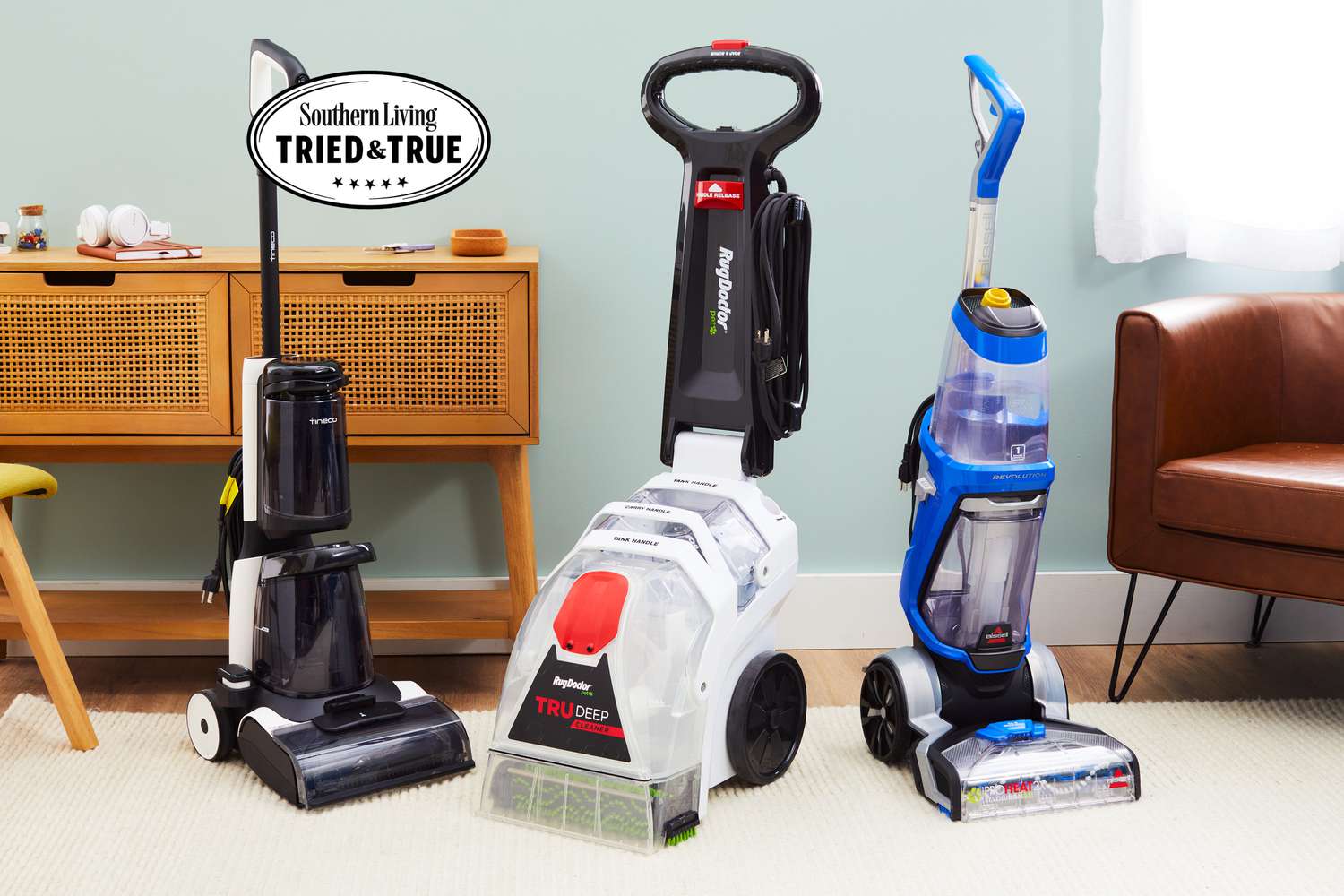
These are designed for use in carpet cleaning machines. They’re highly concentrated with surfactants and often include defoaming agents to control suds inside the machine. They penetrate deep into carpet padding for a thorough clean.
Eco-Friendly and Natural Formulas
If you prefer green cleaning, look for plant-based surfactants, essential oils, and biodegradable ingredients. These formulas avoid harsh chemicals and synthetic fragrances. They’re safer for kids, pets, and sensitive lungs. I’ve tested several natural brands over the years, and while they work great for routine maintenance, tough stains may require a second pass.

How Carpet Cleaner Ingredients Work Together
Understanding how ingredients interact can help you get better results and avoid damage.
The Cleaning Process Step by Step
- Surfactants loosen dirt and oil from carpet fibers.
- Solvents break down tough stains like ink or grease.
- Water carries the loosened soil to the surface.
- Detergents trap the soil to stop it from sticking again.
- Fragrance and brighteners leave the carpet looking and smelling fresh.
Why pH Balance Matters
Carpet cleaners are usually formulated to be slightly alkaline, around pH 8–10. This helps break down acidic soils like food spills or pet accidents. Highly acidic cleaners can damage carpet fibers, while overly alkaline ones may leave residue. I always check the pH when testing a new product because balance is everything.
Residue and Rinsing Concerns
Some cleaners, especially cheap ones, leave behind sticky residue. This attracts more soil over time, making your carpet dirty faster. To avoid this, choose formulas labeled “no residue” or “rinse-free,” and always blot. Don’t rub. Rubbing pushes dirt deeper.

Safety and Health Considerations
Knowing what’s in your carpet cleaner is just as important as knowing how it works.
Toxic Ingredients to Avoid
- Perchloroethylene (perc): Common in dry cleaning, sometimes found in spot removers.
- Formaldehyde: Rare but possible in older formulas.
- Ammonia and bleach: Harsh and can damage carpet dyes.
- Synthetic fragrances: Can trigger allergies or asthma.
I learned this the hard way early in my cleaning journey. I used a strong ammonia-based cleaner on a wool rug and ended up with discoloration. Lesson learned. Always read the label.
Safe Use Around Pets and Kids
If you have pets or small children, choose non-toxic, biodegradable formulas. Keep pets off the carpet until it’s completely dry. Store cleaners out of reach, and ventilate the room during and after cleaning.
Ventilation and Skin Protection
Even mild cleaners can irritate sensitive skin or lungs. Open windows, wear gloves if needed, and avoid mixing products. Mixing bleach and ammonia, for example, creates toxic fumes.

DIY vs. Commercial Carpet Cleaners
You might be wondering if homemade solutions work as well as store-bought ones. Here’s what I’ve found.
Common DIY Carpet Cleaner Ingredients
- Baking soda for deodorizing
- White vinegar for mild stain removal
- Castile soap for general cleaning
- Hydrogen peroxide for disinfecting (test first!)
Pros and Cons of DIY
Pros:
- Cheaper
- Natural and non-toxic
- Customizable scents
Cons:
- Less effective on tough stains
- Risk of over-wetting carpet
- No commercial-grade surfactants
When to Choose Commercial Cleaners
If you’re dealing with set-in stains, large areas, or heavy traffic, commercial cleaners are usually more effective. They’re specifically engineered for carpet fibers and contain powerful surfactants you can’t easily replicate at home.
How to Choose the Right Carpet Cleaner for Your Needs
Picking the right product doesn’t have to be overwhelming. Here’s a simple approach I use.
Identify Your Carpet Type
Different carpets require different care:
- Wool: pH-neutral, gentle formulas
- Nylon: Most cleaners work well
- Polyester: Stain-resistant, but needs gentle care
- Berber: Low-moisture cleaners only
Match the Cleaner to the Stain
- Pet stains: Enzyme-based or odor-neutralizing
- Grease: Solvent-based
- Wine or coffee: Oxygen-based
- General dirt: Surfactant-based
Read Labels Carefully
Look for clear ingredient lists, safety certifications, and usage directions. Avoid vague terms like “secret formula.” Trustworthy brands are transparent about what’s inside.
Consider Your Cleaning Method
Are you spot cleaning or deep cleaning? For machines, choose concentrated formulas. For spot treatments, ready-to-use sprays are more convenient.

Environmental Impact of Carpet Cleaner Ingredients
More people are asking about the eco footprint of cleaning products, and rightly so.
Biodegradability
Ingredients break down naturally over time, reducing harm to waterways. Look for “biodegradable” on the label.
Packaging and Concentrates
Concentrated formulas reduce plastic waste and shipping emissions. Refillable bottles are even better. I switched to concentrates last year and cut my plastic use in half.
Green Certifications
Certifications like EPA Safer Choice, Green Seal, or USDA BioPreferred indicate environmentally responsible formulas. They’re a good starting point if you want to clean greener.
Frequently Asked Questions
Are carpet cleaners toxic?
Most carpet cleaners are safe when used as directed, but some contain harsh chemicals like solvents or synthetic fragrances. Choose non-toxic or eco-friendly formulas if you have pets, kids, or sensitivities.
Can I use dish soap as a carpet cleaner?
Yes, a small amount of mild dish soap mixed with water can work for light stains. However, dish soap may produce excess suds and leave residue if not rinsed properly.
What removes tough carpet stains the best?
Enzyme-based cleaners work best for organic stains like pet accidents. For grease or ink, solvent-based spot removers are more effective.
How often should I clean my carpets with carpet cleaner?
For most homes, a deep clean every 6–12 months is enough. High-traffic areas or homes with pets may need cleaning every 2–3 months.
Are natural carpet cleaners as effective as chemical ones?
Natural cleaners work well for routine maintenance and light stains. For tough, set-in stains, commercial formulas with stronger surfactants may be more effective.
Summary of Carpet Cleaner Ingredients
Carpet cleaners are more than just soap and water. They’re carefully balanced blends designed to lift dirt, remove stains, and freshen fibers. By understanding what’s inside the bottle, you can choose products that are effective, safe, and suited to your home. Whether you prefer commercial formulas or DIY mixes, the key is matching the cleaner to your carpet type and stain. Read labels, avoid harsh chemicals, and always test before full application. Your carpets will thank you, and so will your indoor air quality. Got questions or your own cleaning tips? Drop them in the comments below. I’d love to hear what works for you.