Whats Good For Cleaning Hardwood Floors: Best Tips
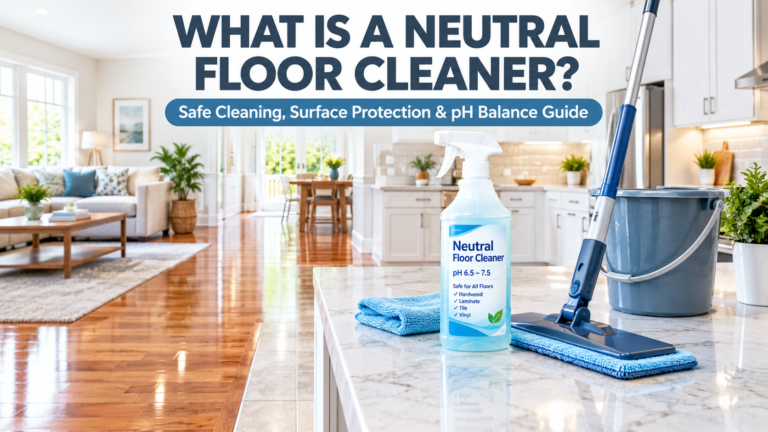
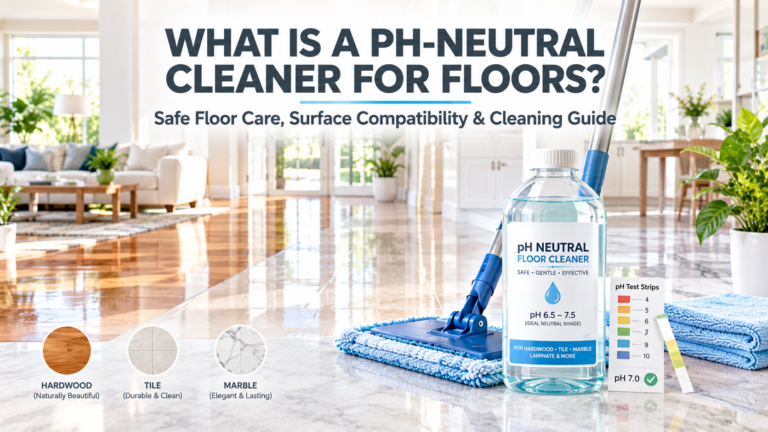
Hardwood floors are best cleaned with a microfiber mop and a pH-neutral wood floor cleaner, using only a damp, never soaking wet, technique. Keeping up with this simple routine protects the finish, prevents warping, and keeps your floors looking beautiful for years to come.
There's something truly special about hardwood floors. They add warmth, character, and value to any home. But keeping them clean without damaging the wood can feel like walking a tightrope. After years of caring for wood floors in my own home and helping friends troubleshoot their cleaning disasters, I've learned that what you use matters just as much as how often you clean. Let me share what really works, so your floors stay stunning for decades.
Why Choosing the Right Cleaner Is Non-Negotiable
Hardwood floors are an investment, and using the wrong products can quickly turn that investment into a costly headache. Water, harsh chemicals, and abrasive tools are the top enemies of wood. They can strip the protective finish, leave behind dull residue, or even cause boards to swell and buckle over time.
Think of your floor's finish like a thin, invisible shield. The wrong cleaner is like throwing acid on that shield. It slowly breaks down, leaving raw wood exposed to scratches, stains, and moisture damage. The right cleaner, on the other hand, gently lifts dirt while keeping that protective barrier fully intact.
Understanding this basic principle changes everything. It shifts your mindset from just "getting the floor clean" to "protecting the floor while cleaning it." Once you make that shift, every product choice becomes much easier.
Best Commercial Cleaners for Hardwood Floors
If you prefer ready-made solutions, several brands have earned their reputation by being safe, effective, and specifically formulated for sealed hardwood.
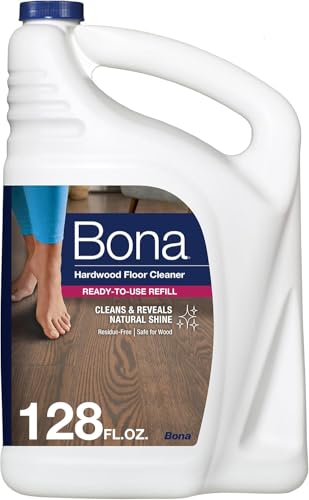
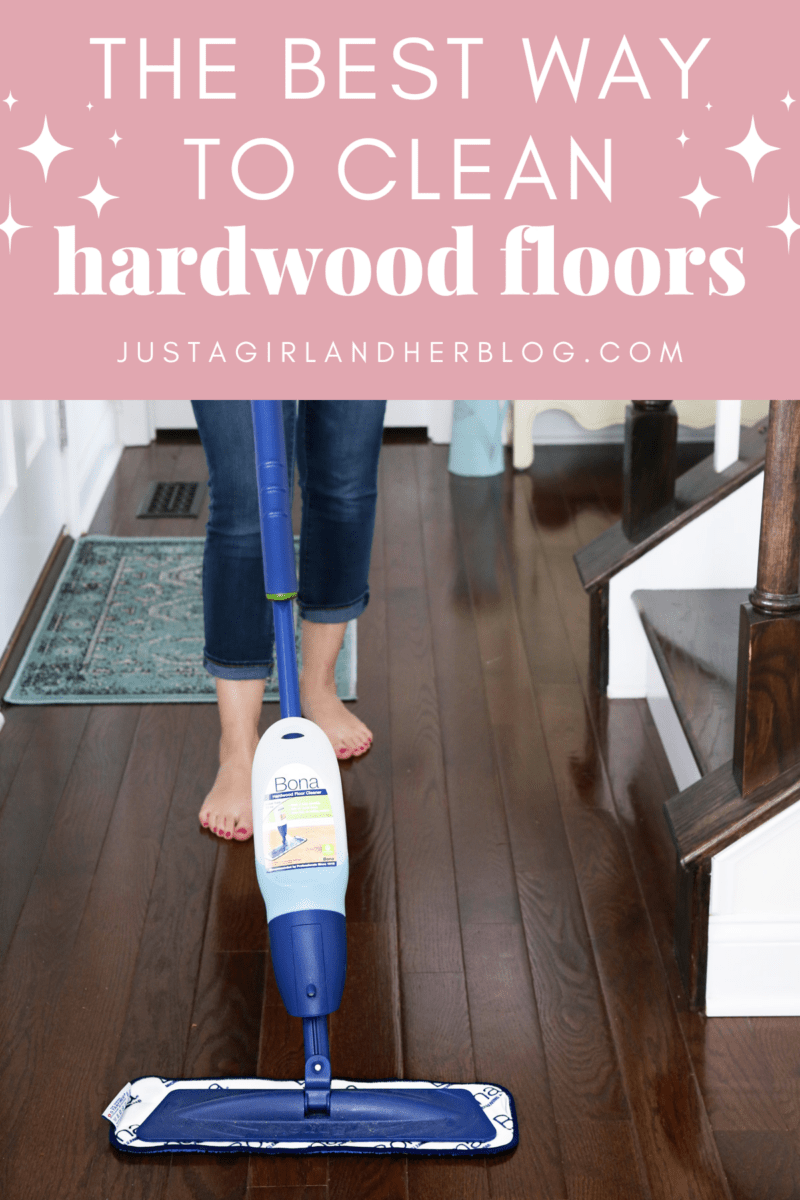
Bona Hardwood Floor Cleaner is widely considered the gold standard. It's a water-based, pH-neutral formula that dries quickly without leaving streaks. I've used it on my own oak floors for years, and it never leaves a cloudy film like some other products do. The spray bottle design also makes it easy to apply lightly without over-wetting the floor.
Method Squirt + Mop Wood Floor Cleaner is another excellent choice. It comes in a refillable bottle, uses plant-based ingredients, and has a light, pleasant scent. It's gentle enough for daily use and works beautifully on both polyurethane-finished and waxed floors.
Murphy's Oil Soap has been around for generations. While it's effective, it requires careful dilution. Using too much can leave a buildup that dulls the finish. If you go this route, always follow the label directions and use it sparingly.
For a more eco-friendly option, Better Life Naturally Dirt-Destroying Floor Cleaner performs surprisingly well on hardwood. It's non-toxic, biodegradable, and safe for pets and kids.
When choosing any commercial cleaner, look for these key terms on the label:
- pH-neutral
- Water-based
- Specifically designed for sealed hardwood
- No wax, oil, or silicone additives
- Quick-drying formula
DIY Cleaning Solutions That Actually Work
Sometimes the best cleaner is one you can mix up in minutes with ingredients already in your pantry. These DIY recipes are simple, affordable, and surprisingly effective when used correctly.
The classic water and vinegar solution is the most popular homemade option. Mix one-half cup of white vinegar into one gallon of warm water. This gentle solution cuts grease and grime without leaving residue. However, use it sparingly, as frequent use can dull certain finishes over time.
For a deeper clean, try mixing a few drops of castile soap into a gallon of warm water. Castile soap is plant-based, biodegradable, and gentle on wood. Just make sure the mixture is very diluted. Too much soap will leave a hazy film that's difficult to remove.
If you want a fresh scent, add five to ten drops of essential oil like lemon, lavender, or tea tree to your DIY solution. These oils also have natural antibacterial properties, which is a nice bonus for homes with kids or pets.
A word of caution: never mix vinegar with castile soap. The vinegar will neutralize the soap and leave you with a less effective cleaner. Stick to one method per cleaning session.
Tools That Make Hardwood Cleaning Easier
Even the best cleaner won't perform well without the right tools. Over the years, I've tested nearly every option, and these consistently come out on top.
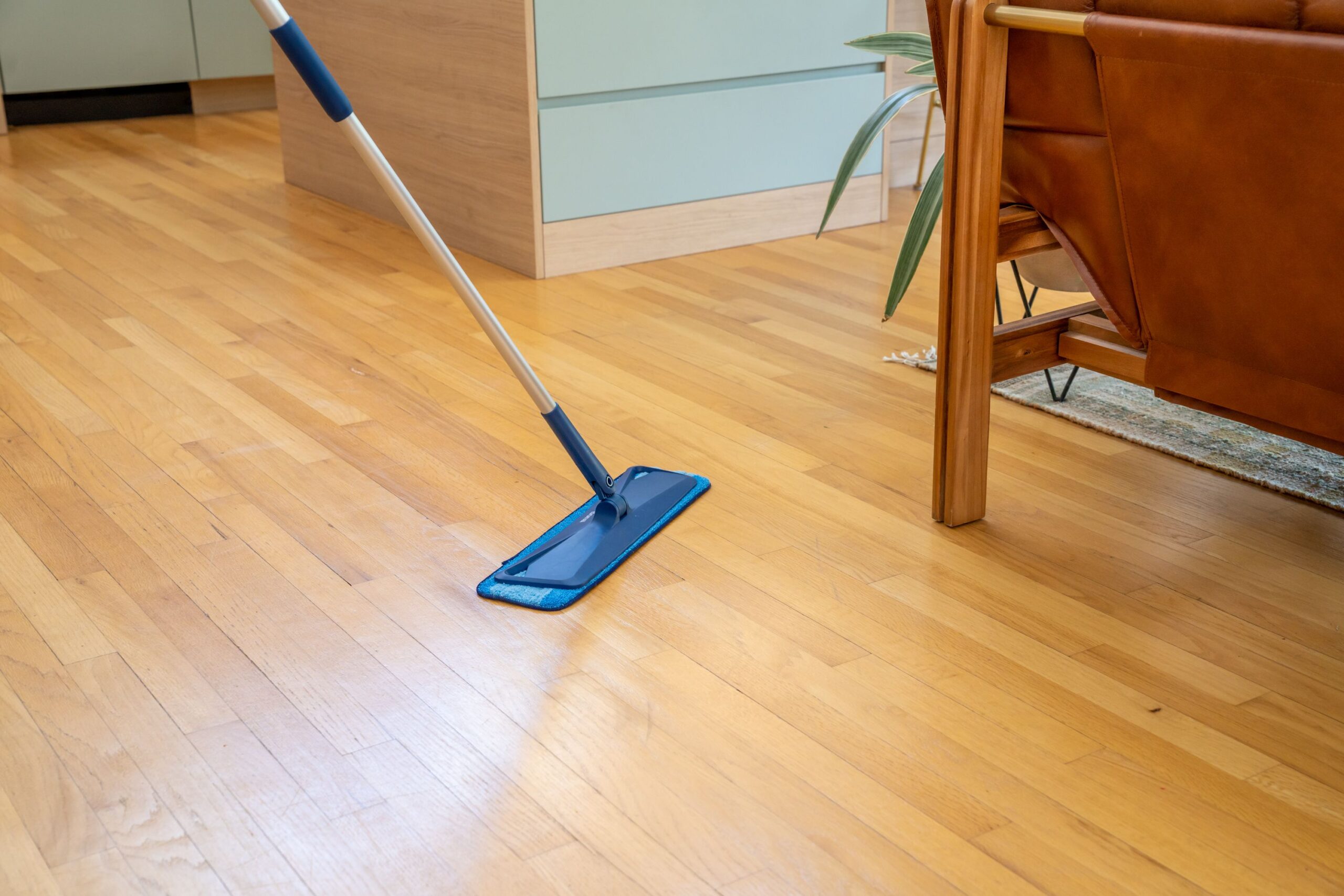
A microfiber mop is hands-down the most important tool in your cleaning kit. Microfiber picks up dust, dirt, and pet hair like a magnet, and it can be used dry for dusting or slightly damp for wet cleaning. Unlike traditional sponge mops, microfiber won't push dirty water around or leave puddles behind.
For daily dusting, a microfiber dust mop with a long handle saves your back and lets you cover large areas quickly. I run mine over the floors every other day, and it makes a noticeable difference in how clean the home feels overall.
A spray mop is ideal for weekly wet cleaning. These mops have a built-in trigger that releases a fine mist of cleaner, so you control exactly how much moisture hits the floor. This is the closest thing to professional-grade cleaning for home use.
For spot cleaning and small messes, keep a soft, lint-free cloth handy. Old cotton t-shirts work beautifully and cost nothing. Just dampen slightly, wipe the spot, and dry immediately.
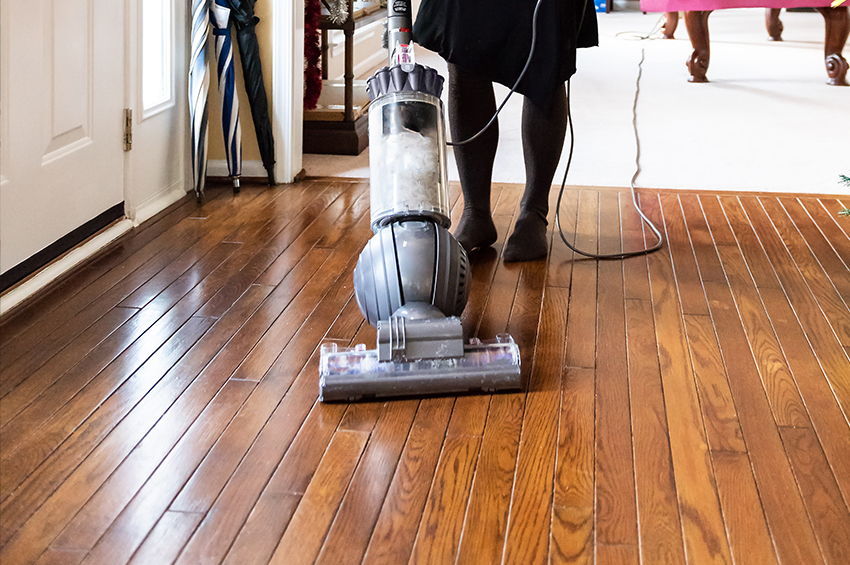
Vacuum cleaners with a hardwood floor setting are also essential. Make sure your vacuum has a hard floor mode or a soft brush attachment. Beater bars and rotating brushes designed for carpet can scratch and dull wood finishes quickly.
Common Cleaning Mistakes to Avoid
Even with the best intentions, it's easy to make mistakes that damage hardwood floors. Here are the most common ones I've seen, including a few I've made myself.
Over-wetting the floor is the number one cause of damage. Water seeps into seams and under boards, causing swelling, cupping, and even mold growth. Your mop should be damp enough to clean, but never dripping wet. If you can squeeze water out of it, it's too wet.
Using too much cleaner leaves behind a residue that attracts more dirt and dulls the finish. Less is always more when it comes to hardwood cleaning products. A light mist is all you need.
Skipping regular dusting allows grit and dirt to build up. That grit then acts like sandpaper underfoot, scratching the finish every time someone walks across the floor. A quick daily or every-other-day dust mop prevents this entirely.
Using steam mops is tempting because they seem so effective, but the heat and moisture can seriously damage wood floors. Steam forces moisture into seams and can cloud or peel finishes. Most hardwood floor manufacturers explicitly warn against steam cleaning.
Waxing a floor that doesn't need it creates buildup that's difficult to remove. Modern polyurethane finishes don't need wax. If your floor looks dull, it probably needs a deep clean or a fresh coat of finish, not another layer of wax.

How Often Should You Clean Hardwood Floors?
Consistency matters more than intensity when it comes to hardwood care. Here's the routine that works best for most homes.
For daily or every-other-day care, dry dust mop the floors to remove surface dirt and pet hair. It takes just a few minutes and prevents scratches before they happen.
For weekly deep cleaning, use a damp microfiber mop with your chosen cleaner. Work in small sections and dry each section as you finish to avoid moisture sitting on the surface.
For monthly maintenance, do a more thorough cleaning, paying attention to high-traffic areas like entryways and hallways. You might also want to spot-clean any stains or scuffs with a soft cloth and a bit of cleaner.
For seasonal care, consider applying a hardwood floor polish or refresher if the finish looks dull. Products like Bona Polish can restore shine and add an extra layer of protection without the hassle of full refinishing.
Special Considerations for Different Floor Types
Not all hardwood floors are the same, and your cleaning approach should reflect that.
Polyurethane-finished floors are the most common today. They're durable and resist moisture better than older finishes. Most of the cleaners and methods mentioned above are perfect for these floors.
Wax-finished floors require special care. Water and most modern cleaners will damage the wax. Use a cleaner specifically designed for waxed wood, and buff the floor occasionally to maintain shine.
Oil-finished floors, like those treated with tung or linseed oil, need gentle cleaning with minimal water. Re-oil the floors every few years to keep them protected and looking rich.
Engineered hardwood has a thin layer of real wood over plywood. It can't be sanded or refinished as many times as solid wood, so gentle cleaning is especially important. Avoid excessive water at all costs.
Laminate flooring looks like wood but isn't. Never use hardwood cleaners on laminate. They can leave streaks and damage the surface. Use a cleaner specifically made for laminate instead.
Eco-Friendly and Pet-Safe Choices
If you have pets or young children, keeping harsh chemicals off the floor is important. The good news is that some of the best hardwood cleaners are also the safest.
Water-based, pH-neutral cleaners are inherently low in volatile organic compounds. They don't off-gas strong fumes, and they're safe once dry.
Plant-based formulas from brands like Method and Better Life use ingredients derived from coconut, corn, and other renewable sources. They clean effectively without the toxic smell of traditional cleaners.
DIY solutions using vinegar, castile soap, and essential oils are about as natural as it gets. Just remember that essential oils can be toxic to cats, so choose pet-friendly options or skip them entirely in homes with felines.
For maximum safety, always make sure floors are completely dry before letting pets or kids walk on them. Even gentle cleaners can cause stomach upset if licked off paws or hands.
Frequently Asked Questions
Can I use Swiffer Wet Jet on hardwood floors?
Swiffer Wet Jet can be safe for sealed hardwood floors if you use the brand's specific hardwood floor pads and solution. However, the disposable pads can be less effective than a reusable microfiber mop, and the cleaning solution is not pH-neutral. Many hardwood floor experts recommend using a dedicated hardwood floor mop and a high-quality solution for best results.
Is vinegar safe for cleaning hardwood floors?
Vinegar is safe for sealed hardwood floors when heavily diluted, typically one-half cup of white vinegar per gallon of water. However, using vinegar too frequently or in too-strong a concentration can dull the finish over time. If your floors have a wax finish, avoid vinegar entirely.
How do I remove sticky residue from hardwood floors?
To remove sticky residue, dampen a soft cloth with a small amount of hardwood floor cleaner and gently rub the spot. For tougher residue, use a plastic scraper at a low angle to lift the bulk of the sticky substance, then clean the area with your damp cloth. Avoid using metal scrapers or abrasive pads.
What is the best homemade hardwood floor cleaner?
The best homemade hardwood floor cleaner is a simple mixture of one-half cup white vinegar in one gallon of warm water. For an even gentler option, use a few drops of castile soap in warm water instead. Both solutions clean effectively without leaving residue when used with a well-wrung microfiber mop.
How can I make my hardwood floors shine without wax?
To make hardwood floors shine without wax, use a hardwood floor polish like Bona Hardwood Floor Polish. These products restore luster and add a protective layer without the buildup issues of traditional wax. Regular cleaning with a pH-neutral solution also helps maintain shine naturally.
Bringing It All Together
Caring for hardwood floors doesn't have to be complicated or expensive. The secret is simple: use a pH-neutral cleaner, a microfiber mop, and as little water as possible. Dust regularly, clean weekly, and address spills immediately. Stick to this routine, and your floors will stay beautiful for decades, often outliving trends and even other flooring choices.
The best part is that once you get into a rhythm, hardwood care becomes second nature. It takes just minutes a day to maintain, and the reward is floors that look as good in twenty years as they do today.
If you found these tips helpful, I'd love to hear about your own hardwood floor experiences. Drop a comment below with your favorite cleaning tips, or share this guide with a friend who's just moved into a home with hardwood floors. Happy cleaning.