What Is Floor Cleaner Called: Types And Uses Explained
A floor cleaner is simply called floor cleaner, though it also goes by names like floor wash, hard surface cleaner, or floor detergent depending on the type and brand.
If you've ever stood in the cleaning aisle staring at dozens of bottles, wondering which one actually works best for your tiles, hardwood, or vinyl, you're not alone. I remember buying the cheapest option years ago, only to end up with sticky residue that attracted more dirt than it removed. That's when I realized that understanding what floor cleaner really means and how different formulas work can save you time, money, and a lot of frustration. In this guide, I'll walk you through everything you need to know, from the basics to choosing the right one for your home.

What Exactly Is a Floor Cleaner?
A floor cleaner is a liquid or concentrated formula designed to remove dirt, grime, grease, and stains from floor surfaces. Think of it as soap specifically made for the largest surface in your home. While regular dish soap might work in a pinch, floor cleaners are engineered with the right pH balance and ingredients to clean without damaging finishes or leaving residue.
Common Types of Floor Cleaners
Not all floor cleaners are created equal. Here's a breakdown of what you'll typically find:
- All-purpose floor cleaner: Works on most sealed surfaces like tile, laminate, and vinyl.
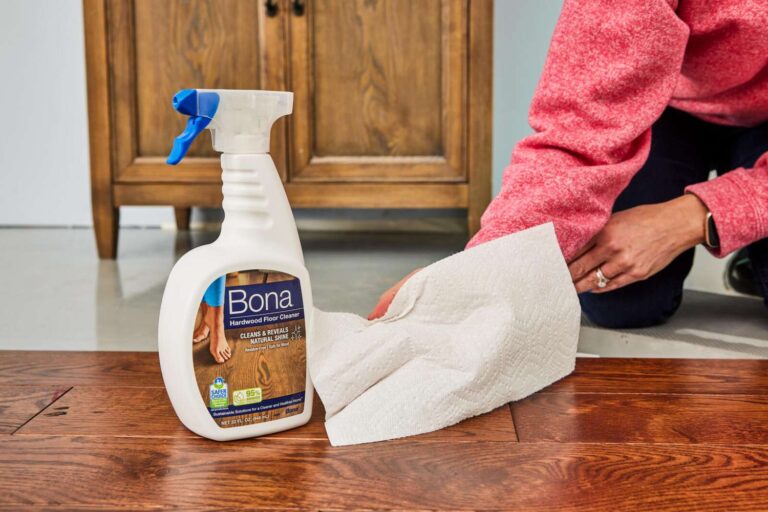
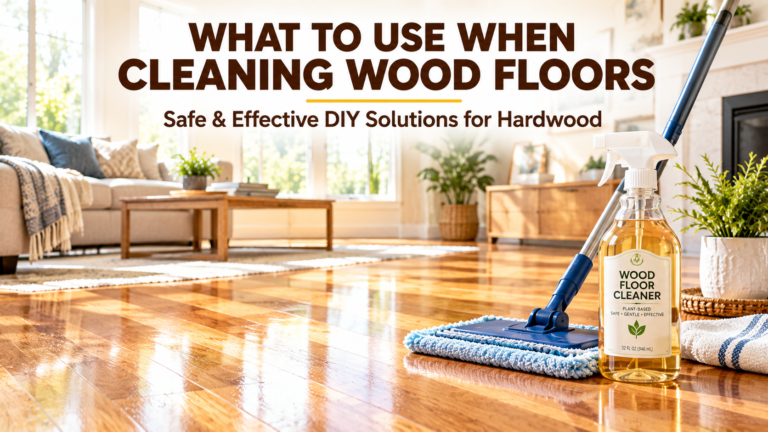
- Wood floor cleaner: Specifically formulated for hardwood to preserve the finish and prevent warping.
- Tile and grout cleaner: Stronger formulas that target the porous grout between tiles.
- Natural or eco-friendly floor cleaner: Made with plant-based ingredients for those sensitive to chemicals.
- Disinfecting floor cleaner: Kills bacteria and viruses, ideal for kitchens and bathrooms.
Each type serves a unique purpose, and using the wrong one can sometimes do more harm than good.

Why the Right Floor Cleaner Matters
Using the wrong product can lead to dull floors, sticky residue, or even permanent damage. I learned this the hard way when I used a vinegar solution on my sealed hardwood floors, only to strip the finish and leave cloudy marks.
Benefits of Using a Proper Floor Cleaner
- Preserves the lifespan of your flooring.
- Removes bacteria and allergens effectively.
- Leaves a fresh, clean scent without overpowering chemicals.
- Saves time because it works faster and rinses easier.
What Happens If You Use the Wrong One
- Streaks and film buildup.
- Discoloration or fading.
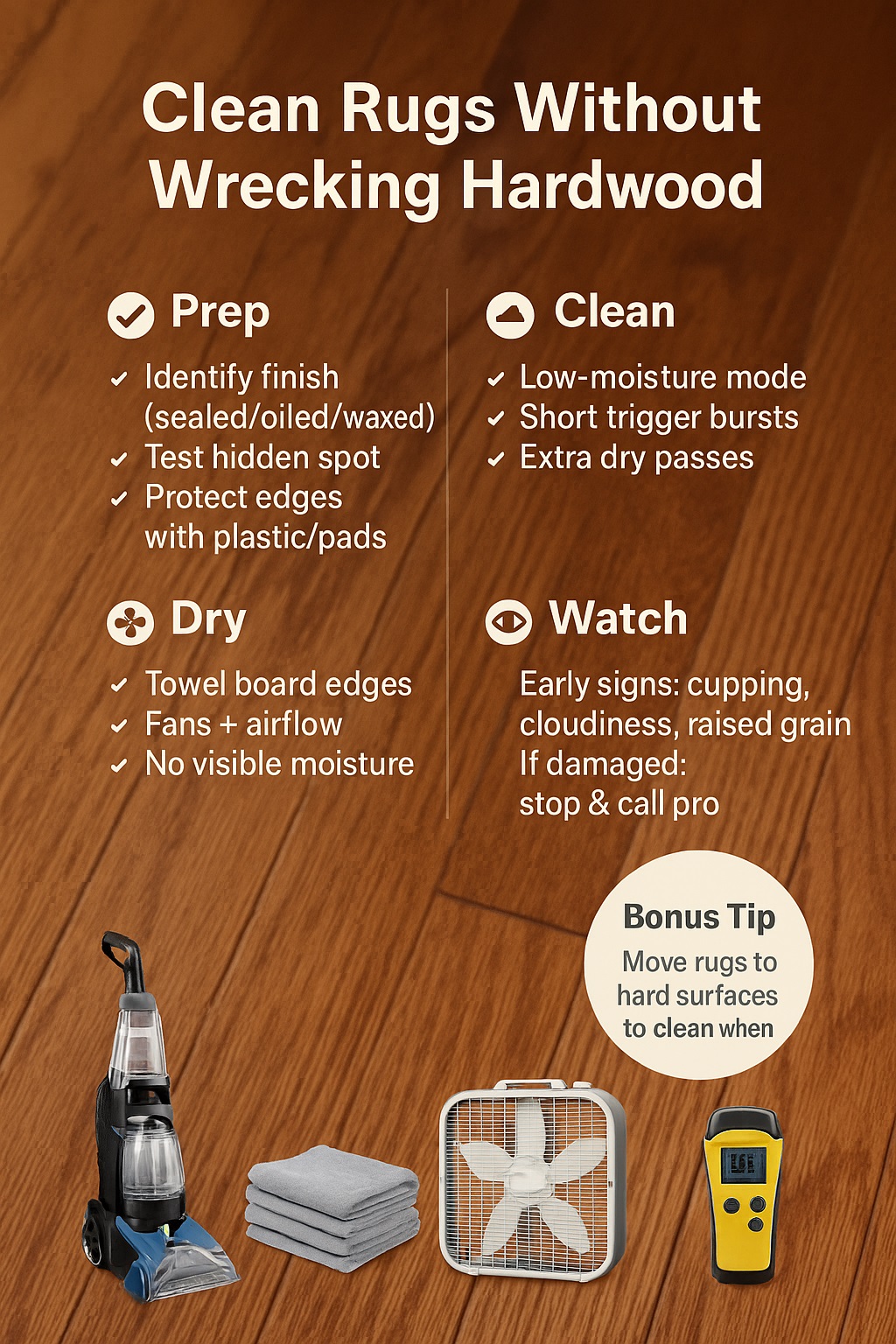
- Warping in wood floors from excess moisture or harsh chemicals.
Trust me, your floors will thank you for choosing wisely.

How to Choose the Best Floor Cleaner for Your Home
Picking the right cleaner doesn't have to be complicated. Just match the product to your floor type and cleaning needs.
Step 1: Identify Your Floor Type
Before you buy anything, know whether you have hardwood, tile, vinyl, laminate, or natural stone. Each has different care requirements.
Step 2: Check the Label
Look for terms like "pH-neutral," "no-rinse," or "safe for sealed wood." These phrases tell you the product is gentle and won't harm your floors.
Step 3: Consider Your Lifestyle
- Have pets or kids? Go for non-toxic, pet-safe formulas.
- Allergy sufferers? Fragrance-free options are best.
- Busy household? Concentrated cleaners that dilute in water are cost-effective.
Step 4: Think About Application
Some cleaners come in spray bottles for quick spot cleaning, while others are meant for mop buckets. Choose what fits your routine.
Ingredients to Look For and Avoid
Knowing what's inside your floor cleaner helps you make safer choices.
Safe and Effective Ingredients
- Plant-based surfactants: Clean without harsh chemicals.
- Essential oils: Provide natural fragrance and mild antibacterial properties.
- Citric acid: Cuts through grease and mineral deposits.
Ingredients to Avoid
- Ammonia: Can damage certain floor finishes and produce strong fumes.
- Bleach: Too harsh for most floors and can discolor surfaces.
- Phosphates: Harmful to the environment and unnecessary for home cleaning.
I always flip the bottle over and read the back. If I can't pronounce half the ingredients, it goes back on the shelf.

DIY Floor Cleaner vs. Store-Bought
Some people swear by homemade solutions, while others prefer ready-made products. Both have pros and cons.
DIY Floor Cleaner
- Pros: Cheap, customizable, eco-friendly.
- Cons: May lack disinfecting power, can damage floors if ratios are wrong.
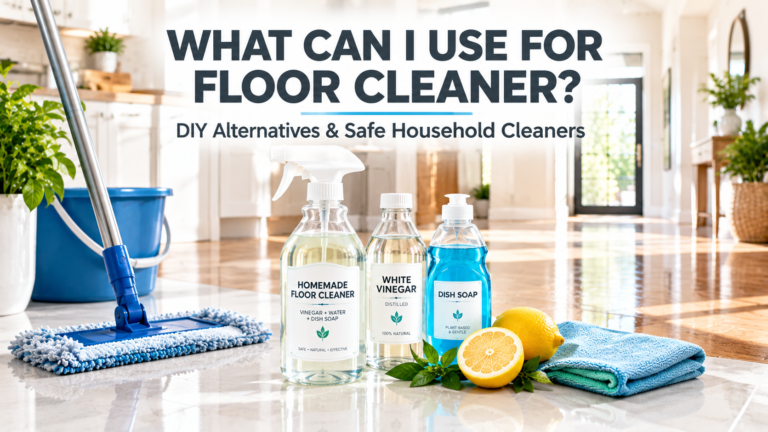
A simple mix of water, white vinegar, and a few drops of essential oil works for many tile floors, but I'd never use it on natural stone.
Store-Bought Floor Cleaner
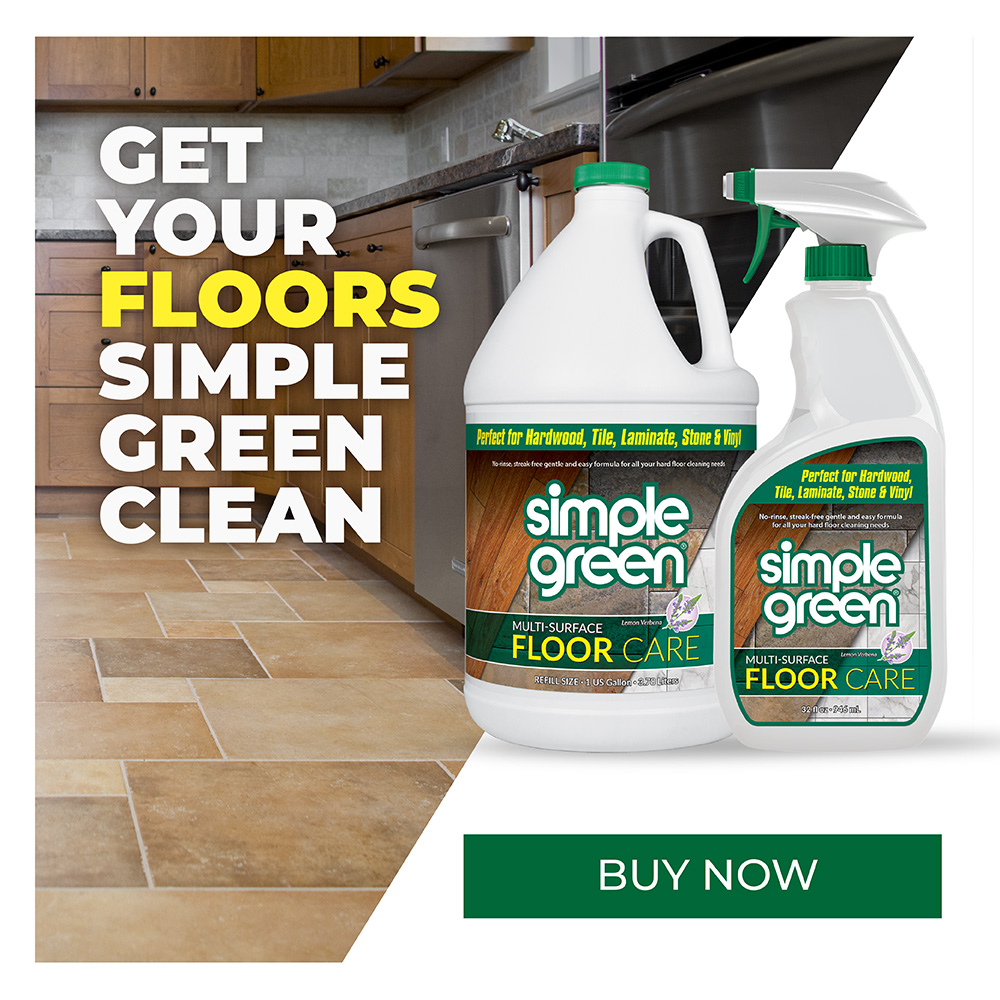
- Pros: Tested for safety, convenient, often includes special features like streak-free shine.
- Cons: More expensive, may contain synthetic fragrances or preservatives.
For most people, a good store-bought cleaner offers the best balance of safety and performance, especially if you're not sure about DIY ratios.

Tips for Using Floor Cleaner Effectively
Even the best product won't work well if you misuse it. Here are some tried-and-true tips from my own experience.
- Sweep or vacuum first to remove loose dirt.
- Dilute concentrates according to the label to avoid residue.
- Use a microfiber mop for the best pickup and shine.
- Change your mop water frequently to avoid spreading dirt.
- Let floors air dry completely before walking on them.
These small habits make a big difference in how clean your floors actually look and feel.

Common Mistakes People Make with Floor Cleaners
I've made a few of these myself, so learn from my errors.
- Using too much product: More soap equals more streaks, not more clean.
- Skipping the rinse step: Some cleaners require rinsing to prevent buildup.
- Mixing cleaners: Never combine bleach and ammonia, and avoid mixing different brands unless you're sure they're compatible.
- Ignoring manufacturer guidelines: Your floor's warranty might depend on using approved products.
Eco-Friendly and Sustainable Options
If you're trying to reduce your environmental footprint, there are plenty of green choices available.
- Biodegradable formulas: Break down safely in water systems.
- Refillable bottles: Cut down on plastic waste.
- Concentrated formulas: Less packaging, less shipping weight.
Many brands now offer effective plant-based cleaners that perform just as well as traditional ones, without the harsh fumes.
How Often Should You Clean Your Floors?
Frequency depends on traffic and lifestyle, but here's a general guideline.
- High-traffic areas (kitchen, entryways): 2-3 times per week.
- Low-traffic areas (bedrooms, formal living rooms): Once a week.
- Spills and messes: Clean immediately to prevent stains.
Consistent light cleaning is better than infrequent deep cleaning, because it prevents dirt from building up and grinding into the surface.
Frequently Asked Questions
What is the difference between floor cleaner and floor soap?
Floor cleaner is a modern term for products designed for today's flooring, while floor soap often refers to traditional formulas made with natural oils and fats. Both clean, but soaps may require rinsing and are typically used for wood or specialty floors.
Can I use floor cleaner on walls or baseboards?
Yes, most all-purpose floor cleaners are safe for sealed surfaces like painted baseboards and tile walls. Just spray lightly and wipe with a cloth.
Is floor cleaner safe for pets and children?
Many brands offer pet-safe and non-toxic options. Always check the label and keep pets away until floors are fully dry.
How do I remove sticky residue from my floors?
Usually, a diluted vinegar solution or a specific residue remover will do the trick. Avoid harsh scrubbing, which can damage the finish.
What's the best floor cleaner for hardwood?
Look for a pH-neutral, water-based cleaner specifically labeled for sealed hardwood. Avoid vinegar or steam cleaners, as they can damage the wood over time.
Wrapping It All Up
Choosing the right floor cleaner doesn't have to be a guessing game. By understanding your floor type, reading labels, and avoiding common mistakes, you can keep your floors looking beautiful for years. Start by identifying what you have, pick a cleaner that matches your needs, and stick with a consistent routine. Your floors are a big investment, and a little care goes a long way. If you found this helpful, share it with a friend or drop a comment below with your favorite floor cleaning tips.