What To Use When Cleaning Wood Floors: Best Guide
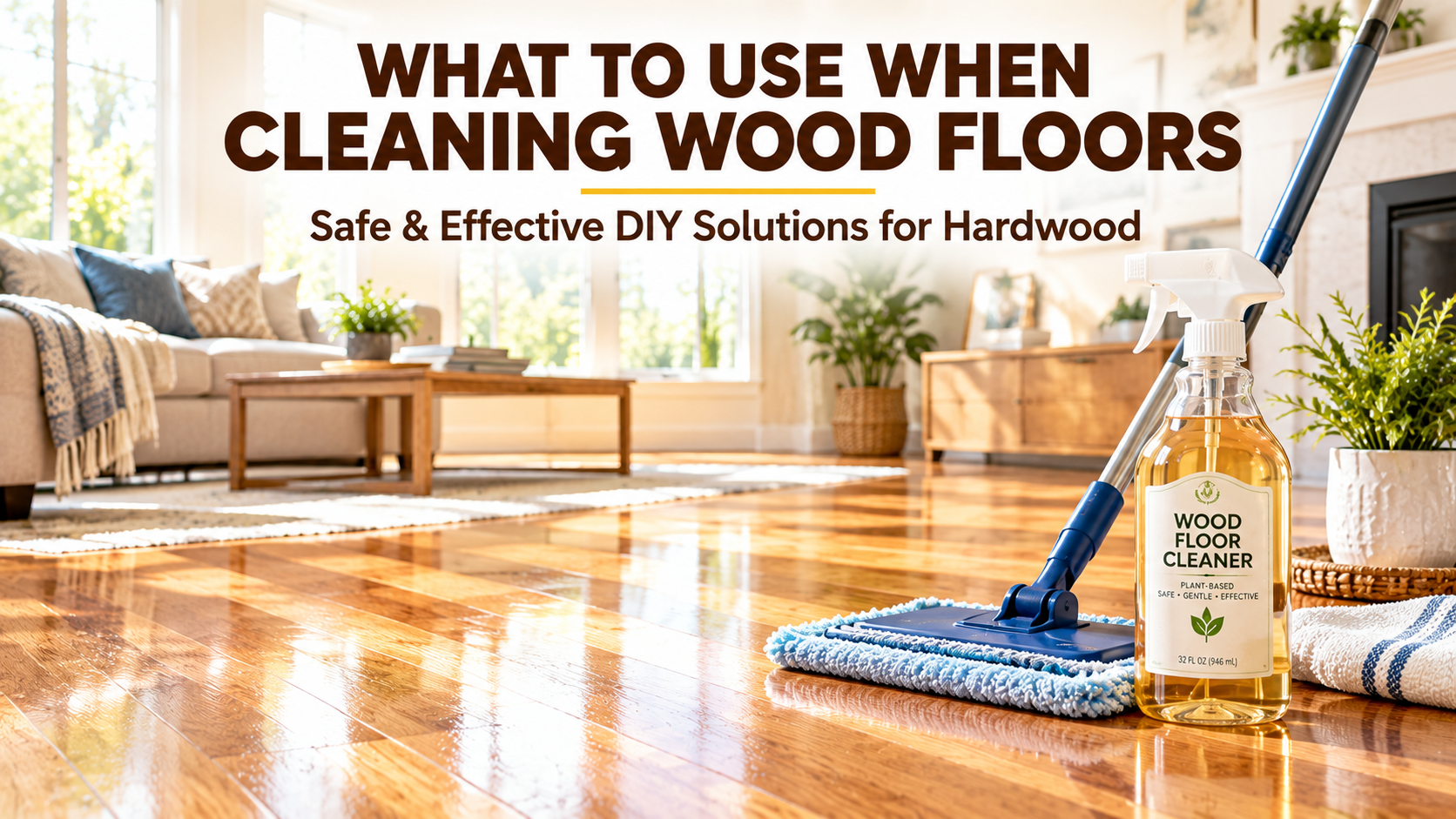
The best approach for cleaning wood floors is to use a gentle wood floor cleaner, a microfiber mop, and a damp-not-wet cleaning method to protect the finish and prevent damage.
I've spent years caring for hardwood floors in my own home, and I can tell you that choosing the right cleaner makes all the difference. Many people reach for harsh chemicals or too much water, only to watch their beautiful floors warp, dull, or discolor over time. The secret lies in understanding what your wood floor actually needs: a balanced approach that cleans effectively while preserving the protective finish. Whether you have polyurethane-sealed planks, waxed surfaces, or oiled wood, the right products and techniques will keep them looking stunning for decades. Let me walk you through everything you need to know to make the best choice for your floors.

Understanding Different Types of Wood Floor Finishes
Before you grab any cleaning product off the shelf, it's crucial to know what type of finish your wood floor has. The finish determines which cleaning products are safe and which ones could cause permanent damage.
Surface-Sealed Finishes
Most modern wood floors have a surface-sealed finish like polyurethane, polyacrylic, or urethane. These create a protective layer on top of the wood, making them highly resistant to water and stains. Surface-sealed floors are the most forgiving and easiest to clean. You can use a slightly damp mop and most commercial wood floor cleaners without worry.
Penetrating Seals and Oil Finishes
Older homes often feature penetrating seals, tung oil, or wax finishes that soak into the wood rather than sitting on top. These finishes require special care because water and harsh chemicals can penetrate the surface and leave marks. If your floor has an oil finish, you typically need to re-oil it periodically and use cleaners specifically designed for oiled wood.
Unfinished or Raw Wood
Unfinished wood floors are rare in modern homes, but they exist in some rustic or industrial spaces. These floors absorb everything, so they need very gentle cleaning methods and often require professional treatment.
Best Cleaning Solutions for Wood Floors
When it comes to choosing the right cleaner, you have several excellent options that balance effectiveness with safety.
Commercial Wood Floor Cleaners
Specially formulated wood floor cleaners like Bona Hardwood Floor Cleaner, Murphy's Oil Soap (original formula), and Method Squirt + Mop Wood Floor Cleaner are designed specifically for hardwood surfaces. These products clean without leaving residue or damaging the finish. I personally keep a bottle of Bona in my cleaning closet because it works on both sealed and engineered wood without streaking.
DIY Cleaning Solutions
If you prefer a more natural approach, you can make an effective cleaner at home:
- Mix one gallon of warm water with 1/4 cup of white vinegar for sealed wood floors
- Add a few drops of castile soap to the water for extra cleaning power
- Use diluted rubbing alcohol (one cup alcohol to one gallon water) for spot cleaning tough marks
Always test any DIY solution in a hidden corner first to make sure it won't dull or damage your finish.
What to Avoid
Some popular cleaning products should never touch your wood floors:
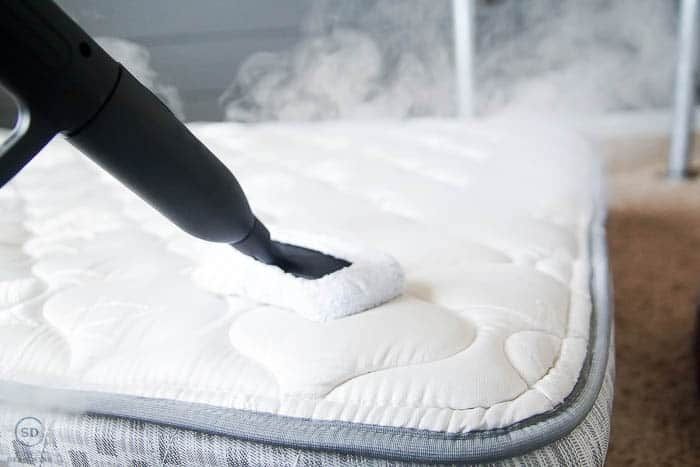
- Steam mops, because the heat and moisture can warp wood and damage finish
- Bleach or ammonia-based cleaners, which can strip protective coatings
- Oil-based soaps or waxes on polyurethane finishes, which leave cloudy residue
- Excessive water, which seeps into seams and causes swelling or buckling
Essential Tools for Cleaning Wood Floors
The right tools make cleaning faster, easier, and safer for your floors.
Microfiber Mops
A good microfiber mop is your best friend for wood floor care. Microfiber picks up dust, dirt, and pet hair without scratching the surface. Choose a mop with a flat design that allows you to control moisture levels easily. I switched from a traditional sponge mop to a microfiber mop years ago, and the difference in cleanliness and floor protection was immediate.
Soft-Bristle Vacuum Attachments
Vacuuming is a critical first step before any wet cleaning. Use a vacuum with a hardwood floor setting or attach a soft brush to prevent scratching. Canister vacuums with parquet attachments work beautifully because they allow you to clean along the grain without damaging the finish.
Spray Bottles and Buckets
For controlled moisture, a spray bottle lets you apply just the right amount of cleaner to your mop or directly onto the floor. If you prefer the bucket method, make sure you have a mop that wrings out thoroughly to avoid oversaturating the wood.
Step-by-Step Cleaning Process
Following a consistent routine ensures your floors stay clean without accumulating damage over time.
Daily and Weekly Maintenance
For routine care, these steps keep your floors looking their best:
- Sweep or dust mop daily to remove grit and debris
- Vacuum weekly using the hardwood setting
- Spot clean spills immediately with a dry or slightly damp cloth
- Deep clean with a wood floor cleaner every one to two weeks
Deep Cleaning Technique
When it's time for a thorough clean, start by removing all furniture and rugs. Vacuum or sweep thoroughly to eliminate loose dirt. Lightly spray your wood floor cleaner across the floor in sections, then mop with a damp microfiber pad, working with the grain. Rinse your mop frequently and change the water when it gets dirty. Allow the floor to air dry completely before walking on it or replacing rugs.
Special Considerations for Engineered Wood Floors
Engineered wood floors have a thin layer of real wood on top of plywood, which means they require extra caution. Never soak engineered wood, and avoid steam cleaning entirely. Use the same gentle cleaners as solid hardwood, but apply even less moisture. If your engineered floor shows wear in high-traffic areas, consider a refresher coat or professional buffing to restore the protective layer.
Common Mistakes to Avoid
Through the years, I've seen homeowners make these costly errors that can ruin beautiful wood floors:
- Using too much water, which causes warping, swelling, and mold growth
- Applying wax or oil to floors that shouldn't have them, creating a cloudy buildup
- Ignoring manufacturer care guidelines, which often specify compatible products
- Skipping the dusting step, which means grit scratches the finish during mopping
- Using abrasive scrubbers or steel wool, which permanently damage the surface
Natural and Eco-Friendly Options
If you're concerned about chemicals in your home, several plant-based wood floor cleaners work wonderfully. Brands like Seventh Generation, Ecover, and Mrs. Meyer's offer biodegradable formulas that clean effectively without harsh fumes. You can also use a simple solution of warm water with a small amount of plant-based castile soap for routine cleaning.
Protecting Your Floors Between Cleanings
Prevention reduces how often you need to deep clean and extends the life of your floor finish.
- Place doormats at every entrance to catch dirt and moisture
- Add felt pads under furniture legs to prevent scratches
- Use area rugs in high-traffic zones like hallways and kitchens
- Keep pet nails trimmed to minimize claw marks
- Maintain stable indoor humidity between 35 and 55 percent to prevent wood expansion and contraction
When to Call a Professional
Sometimes your wood floors need more than routine cleaning. If you notice deep scratches, water damage, dull spots that won't buff out, or significant wear patterns, it might be time for professional refinishing. Experts can sand and reseal your floors, making them look brand new again. I recommend consulting a flooring professional every 7 to 10 years for high-traffic areas to assess whether refinishing is needed.
Frequently Asked Questions
Can I use vinegar to clean wood floors?
Yes, diluted white vinegar works well on sealed wood floors. Mix 1/4 cup of vinegar with one gallon of warm water. However, avoid using vinegar on waxed or oiled floors, as the acidity can break down the finish over time.
How often should I deep clean my wood floors?
Deep clean your wood floors every one to two weeks, depending on traffic. Homes with pets, children, or heavy foot traffic may need weekly deep cleaning, while low-traffic homes can go longer between sessions.
Is it safe to use a steam mop on hardwood?
No, steam mops are not safe for hardwood floors. The heat and moisture can penetrate seams, warp the wood, cloud the finish, and create conditions for mold growth. Stick to damp mopping with a microfiber mop instead.
What is the best homemade wood floor cleaner?
The best homemade cleaner is a mixture of one gallon of warm water with 1/4 cup of white vinegar and a few drops of castile soap. This solution cleans effectively without leaving residue, but always test it in an inconspicuous area first.
Should I use oil soap on my hardwood floors?
Oil soap works well on floors with penetrating finishes or wax, but it can leave a cloudy residue on polyurethane-sealed floors. If you have modern sealed hardwood, choose a water-based wood floor cleaner instead.
How do I remove sticky residue from wood floors?
To remove sticky residue, dampen a soft cloth with warm water and a tiny amount of wood floor cleaner. Gently rub the sticky spot, then dry immediately. For stubborn residue, use a cloth barely dampened with rubbing alcohol, but test first in a hidden area.
Conclusion
Caring for wood floors doesn't have to be complicated or expensive. By choosing the right cleaning solutions, using proper tools like microfiber mops, and following a consistent maintenance routine, you can keep your hardwood floors looking beautiful for generations. Remember to always match your cleaning products to your floor's finish, avoid excessive water, and address spills immediately. Your floors are an investment worth protecting, and with these simple strategies, you can enjoy their natural warmth and elegance every day. Start implementing these tips today, and you'll see the difference in how your floors look and feel. For more personalized advice, consider consulting a flooring professional who can assess your specific wood type and recommend the ideal care routine.