What To Use On Hardwood Floors For Cleaning: Best Guide
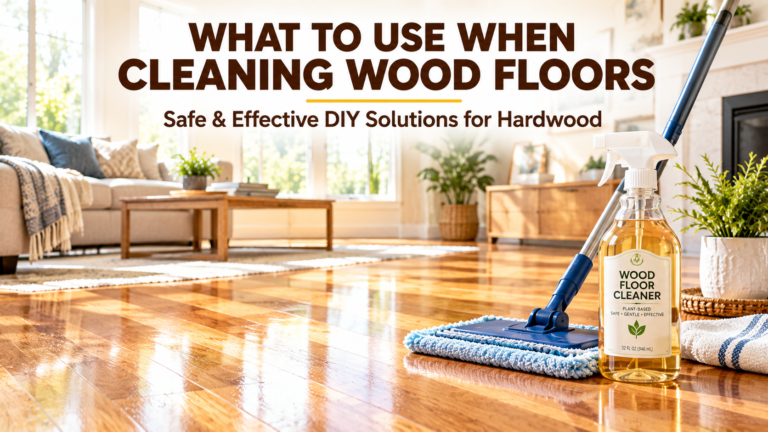
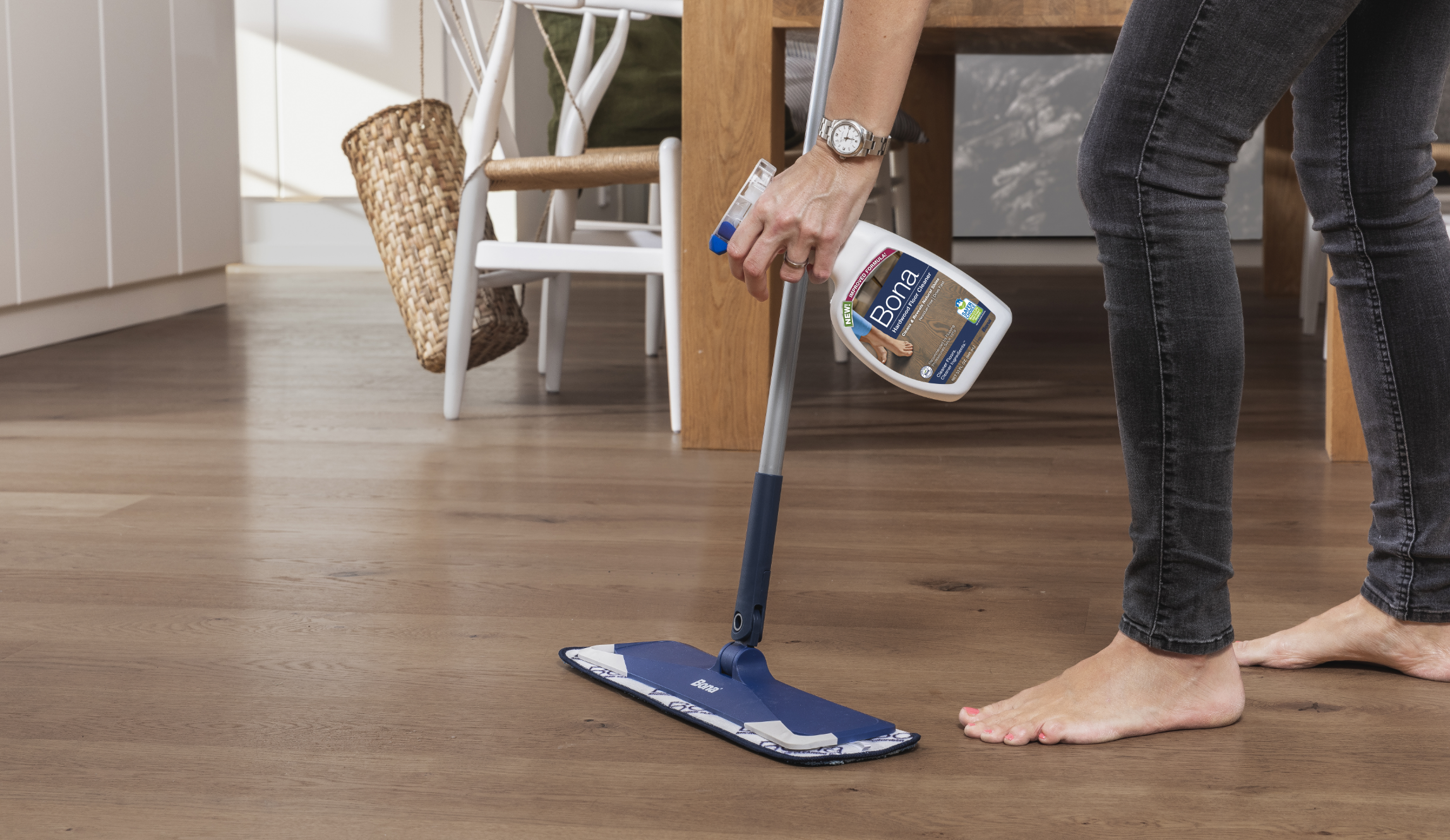
For most hardwood floors, a pH-neutral cleaner specifically designed for wood, paired with a microfiber mop, is the safest and most effective choice. A few drops of this cleaner in warm water is all you need to lift dirt without leaving streaks or damaging the finish.
After more than a decade helping homeowners care for their floors, and making just about every mistake in the book myself, I can tell you that what you don't use matters just as much as what you do. Hardwood is beautiful, but it's also picky. Use the wrong product, and you might end up with dull spots, sticky residue, or even warped boards. The good news is, once you know the basics, keeping your floors clean is actually pretty simple. Stick with me, and I'll walk you through exactly what works, what doesn't, and how to get that fresh, just-polished look without the stress.
Why Choosing the Right Cleaner Matters for Hardwood Floors
Hardwood floors are a big investment. Whether you've got classic oak, rich walnut, or trendy engineered wood, the wrong cleaner can do real damage in a short amount of time. Most wood floors have a protective finish, like polyurethane or wax, and that finish is what gives them their shine and keeps moisture from soaking into the wood. Harsh chemicals, acidic solutions, or even too much water can break down that finish, leaving your floors looking tired and worn.
Think of the finish like a clear coat on your car. You wouldn't wash your car with bleach or a rough scrub pad, right? Same idea here. A gentle, wood-safe cleaner protects that finish while still getting the dirt up.
From my own experience, I've seen floors that looked ten years older than they actually were, all because someone used the wrong product once a week. I've also seen 30-year-old floors that look brand new because the owner stuck to the basics. The difference really comes down to the cleaner.
Safe Cleaning Solutions for Hardwood Floors
Let's get into the good stuff: what actually works. There are a few categories of cleaners that are widely recommended by flooring pros, and each has its place.
pH-Neutral Wood Floor Cleaners
These are the gold standard for sealed hardwood floors. A pH-neutral cleaner is gentle enough to use regularly without dulling the finish, but strong enough to cut through everyday grime. Brands like Bona, Murphy's Oil Soap (the original formula, diluted properly), and Method Hard Floor Cleaner are popular picks.
When I first started caring for my own hardwood floors, I used a generic all-purpose cleaner. Big mistake. It left a cloudy film that took me weeks to buff out. Once I switched to a pH-neutral wood cleaner, the difference was obvious after the first pass. No streaks, no residue, just clean wood.
How to use it:
- Sweep or vacuum first to pick up loose dirt.
- Mix the cleaner with warm water according to the label.
- Dip a microfiber mop, wring it out well, and mop in the direction of the wood grain.
- Let it air dry. No rinsing needed.
DIY Vinegar Solution (With Caution)
You might have heard that vinegar is a great natural cleaner, and for some surfaces, it is. For hardwood, though, it's a bit of a mixed bag. Straight vinegar is acidic and can break down the finish over time. But a very diluted mix, about half a cup of white vinegar in a gallon of warm water, can be safe for floors with a polyurethane finish if used sparingly.
I tried the vinegar method once on a small, hidden section of my floor to test it. Honestly, it cleaned okay, but I noticed the spot looked a little duller after a few uses. I switched back to a commercial wood cleaner and never looked back. If you love DIY solutions, use vinegar sparingly and never on waxed floors.
Water-Only Cleaning
For quick touch-ups between deep cleans, a barely damp microfiber mop can work wonders. The key word here is barely damp. You want the mop to feel almost dry to the touch. Too much water is hardwood's worst enemy because it seeps into seams and causes swelling or warping.
I like to keep a flat microfiber mop by the kitchen door. After dinner, a quick once-over takes care of crumbs and dust before they get ground into the floor. It's a tiny habit that saves a lot of wear and tear.
Plant-Based and Eco-Friendly Cleaners
If you prefer green cleaning products, there are plenty of plant-based options made specifically for hardwood. Look for ones that are biodegradable, non-toxic, and free from harsh solvents. These are great if you have kids or pets who spend time on the floor.
A friend of mine swears by a eucalyptus-based wood cleaner because it leaves a fresh scent without any chemical smell. Just make sure it's still pH-neutral and made for wood. "Eco-friendly" doesn't always mean "safe for hardwood," so always check the label.
Tools That Make Hardwood Floor Cleaning Easier
The cleaner is only half the story. The tool you use matters just as much. Here's what works best.
Microfiber Mops
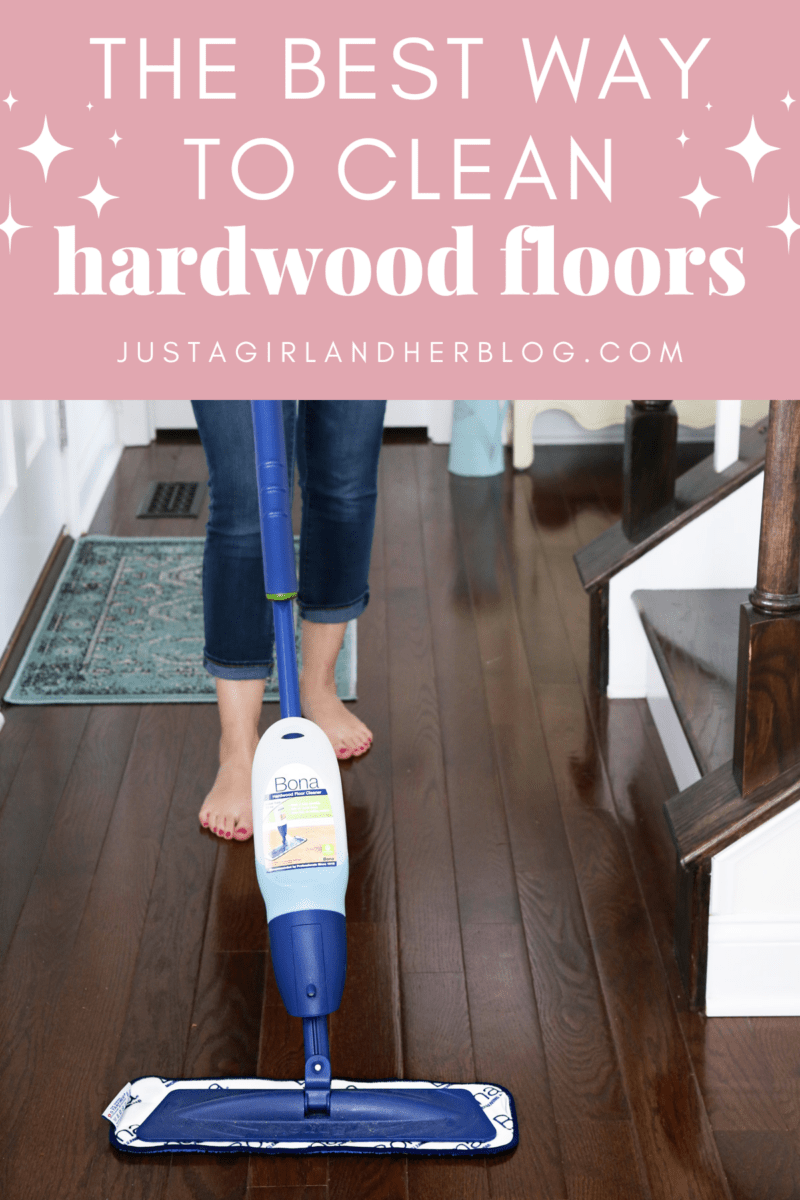
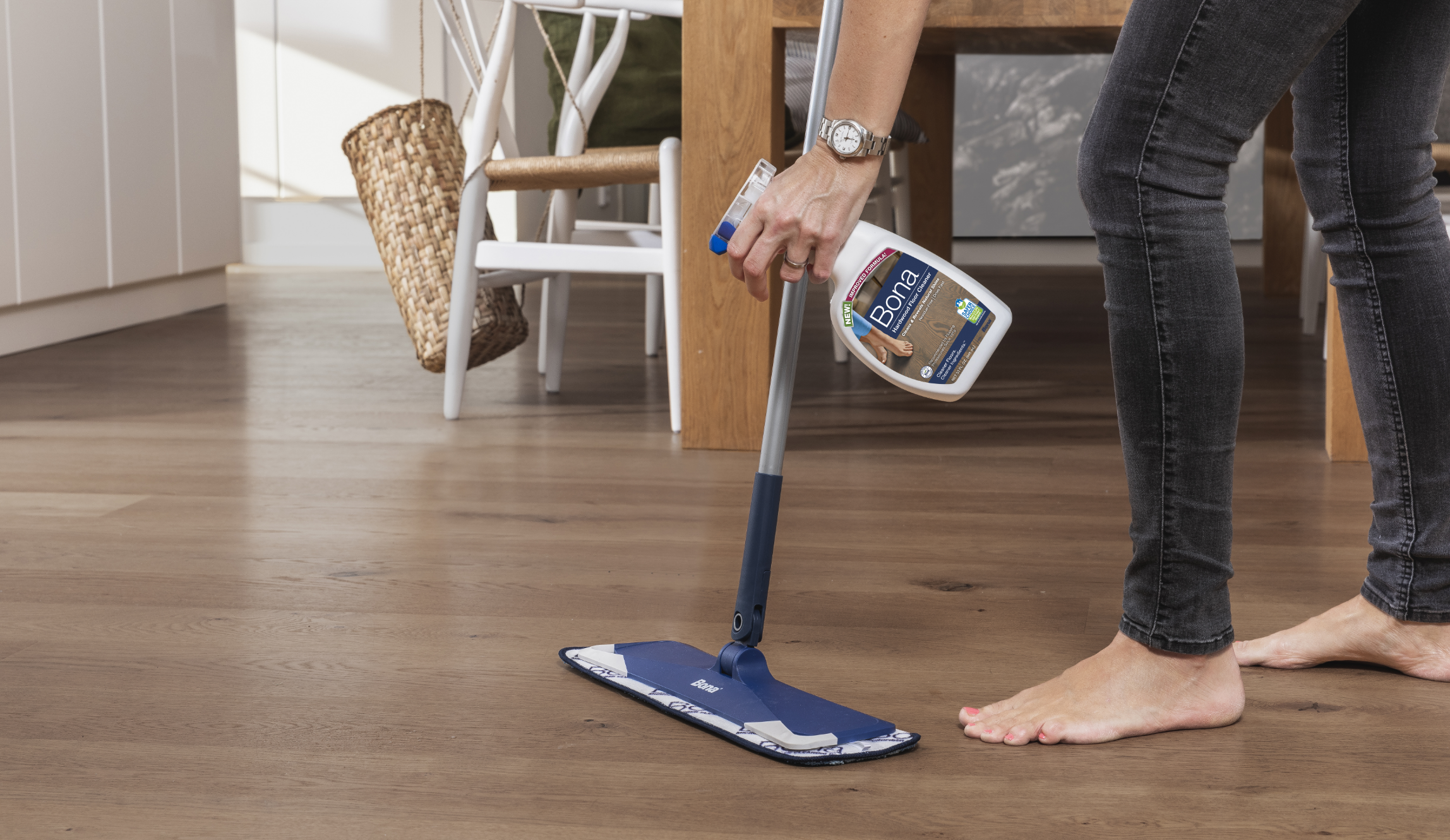
Microfiber is a game-changer for hardwood. It picks up dust and dirt without scratching, and it doesn't leave lint behind. Flat microfiber mops are especially good because they stay close to the floor and don't drip excess water.
I switched from a traditional string mop to a flat microfiber mop years ago, and I'll never go back. The string mop always seemed to leave puddles, and I was constantly wringing it out. The microfiber pad just glides and grabs the dirt. Plus, you can throw the pads in the wash and reuse them.
Soft-Bristle Brooms
For dry dusting, a soft-bristle broom or a dust mop works better than a vacuum on some days. Vacuums with beater bars or hard plastic wheels can scratch the finish, especially if the floor has a glossy surface.
I use a microfiber dust mop for daily upkeep. It takes about two minutes to run it across the living room, and it picks up everything from pet hair to cookie crumbs.
Vacuum Cleaners with Hardwood Settings
If you prefer vacuuming, look for a model with a "hard floor" setting. This usually turns off the beater bar and adjusts the suction. Vacuums designed for both carpet and hardwood often come with a soft brush attachment that's safe for wood.
Just be careful with older vacuum models. My mom vacuumed her hardwood floors for years with a heavy canister vacuum that left tiny scratches all over the place. Once she got a lightweight stick vacuum with a hardwood setting, the scratching stopped.
What to Avoid Using on Hardwood Floors
Knowing what not to use is just as important as knowing what to use. Some common household products can cause serious damage.
- Ammonia-based cleaners. They can strip the finish and leave a yellowish tint.
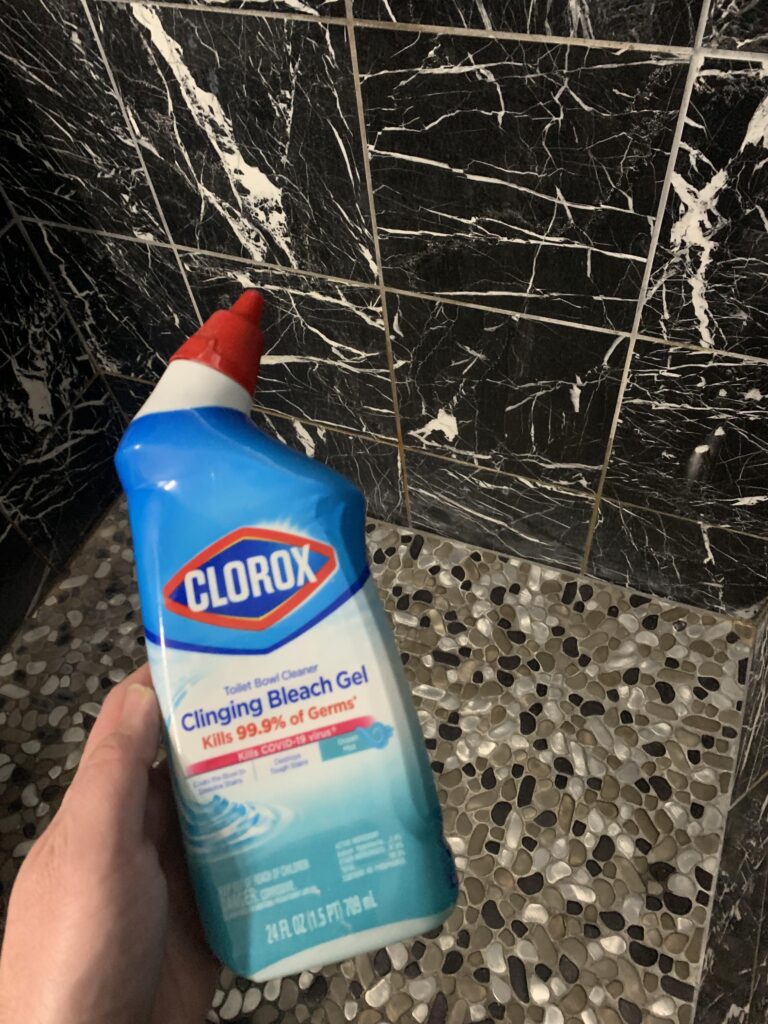
- Bleach or chlorine products. Way too harsh and can discolor the wood.
- Waxy polishes. They build up over time and create a dull, sticky layer.
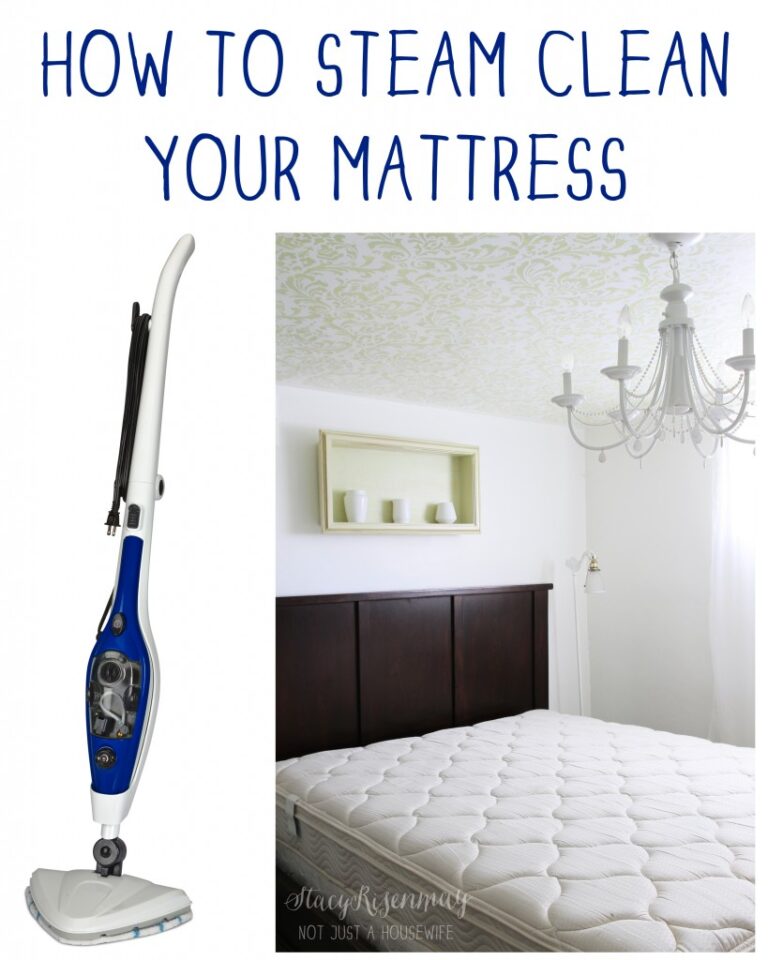
- Steam mops. The heat and moisture can warp boards and cloud the finish. Even though they're marketed for all floors, most flooring manufacturers advise against them for hardwood.
- Excess water. As I mentioned, standing water or very wet mops are a no-go. Always wring thoroughly.
I learned the steam mop lesson the hard way. A neighbor let me borrow hers, and I thought I'd be cleaning in half the time. Within a week, I noticed the seams between planks looked darker, almost swollen. It took months for them to dry out and settle back. Lesson learned: stick to damp mops only.
How Often Should You Clean Hardwood Floors?
There's no one-size-fits-all answer here. It depends on your household. If you have pets, kids, or a lot of foot traffic, you might need to clean more often. A good rule of thumb:
- Daily or every other day: Dry dust mop to pick up pet hair, crumbs, and dust.
- Weekly: Damp mop with a wood-safe cleaner.
- Monthly: Deep clean or polish if needed, depending on the finish.
- Yearly: Check for scuffs, scratches, or worn spots that might need a touch-up.
In my house, with a dog and two kids, I dry mop every day and damp mop twice a week. It sounds like a lot, but it only takes a few minutes each time, and the floors look great because of it.
Tips for Maintaining Hardwood Floors Long-Term
Cleaning is just one part of the equation. A few simple habits can keep your floors looking new for years.
- Place felt pads under furniture legs. This prevents scratches when you move chairs or tables.
- Use rugs in high-traffic areas. Entryways and hallways take a beating, so a runner can save the wood.
- Trim pet nails regularly. Long nails can leave tiny scratches all over the floor.
- Wipe up spills immediately. Don't let water, juice, or wine sit on the surface.
- Avoid wearing shoes indoors. Hard-soled shoes can grind in dirt and leave marks.
I added felt pads to every piece of furniture in my house after I noticed a bunch of small scratches near the dining table. Cost me about ten dollars and a few minutes. Best investment I ever made for my floors.
Common Mistakes People Make When Cleaning Hardwood Floors
Even with the best intentions, it's easy to slip up. Here are some mistakes I see all the time, and have made myself.
- Using too much cleaner. More soap doesn't mean cleaner floors. It usually just leaves a residue.
- Skipping the dust mop. If you mop over dust and grit, you're basically sanding the floor with dirt.
- Not drying the floor after cleaning. Even with a damp mop, some moisture can linger. A quick pass with a dry microfiber pad can help.
- Using the wrong mop. Avoid sponge mops. They tend to drip and push water around.
- Ignoring the manufacturer's guidelines. Different finishes have different needs. Always check what your floor manufacturer recommends.
I used to be guilty of the "more is more" approach. I'd pour cleaner directly onto the floor, thinking it would cut through grease better. All it did was leave streaks that attracted more dirt. Now I measure carefully and stick to the dilution ratios on the bottle.
Frequently Asked Questions
Can I use a steam mop on hardwood floors?
No, steam mops are not recommended for hardwood floors. The high heat and moisture can damage the finish, warp the wood, and cause long-term swelling. Stick to a damp microfiber mop instead.
Is vinegar safe for hardwood floors?
Diluted vinegar can be used occasionally on polyurethane-sealed floors, but it's acidic and may dull the finish over time. For regular cleaning, a pH-neutral wood cleaner is a safer choice.
How do I remove sticky residue from hardwood floors?
Dampen a soft cloth with a small amount of wood-safe cleaner and gently rub the spot. Avoid using scrubbing pads or harsh solvents, which can damage the finish.
Can I use Swiffer pads on hardwood floors?
Yes, Swiffer wet pads made for hardwood are generally safe for sealed floors. Avoid the original dry cloths if they have heavy fragrances or oils, and never use the wet pads on unfinished wood.
What's the best way to clean pet hair off hardwood floors?
A microfiber dust mop or a rubber broom works best for pet hair. The microfibers create static that grabs hair, while rubber brooms sweep it up easily without scattering it around.
Conclusion
Caring for hardwood floors doesn't have to be complicated. Stick to a pH-neutral wood cleaner, use a barely damp microfiber mop, and avoid harsh chemicals or excess water. Sweep often, mop weekly, and clean up spills right away. With a little consistency, your floors will stay looking beautiful for decades.
If you're just getting started, pick one small change to make this week, like switching to a microfiber mop or adding felt pads to your furniture. Once you see the difference, you'll be motivated to keep going. Your floors do a lot for your home, and a little care goes a long way.