What Can I Use For Floor Cleaner: Best DIY Solutions
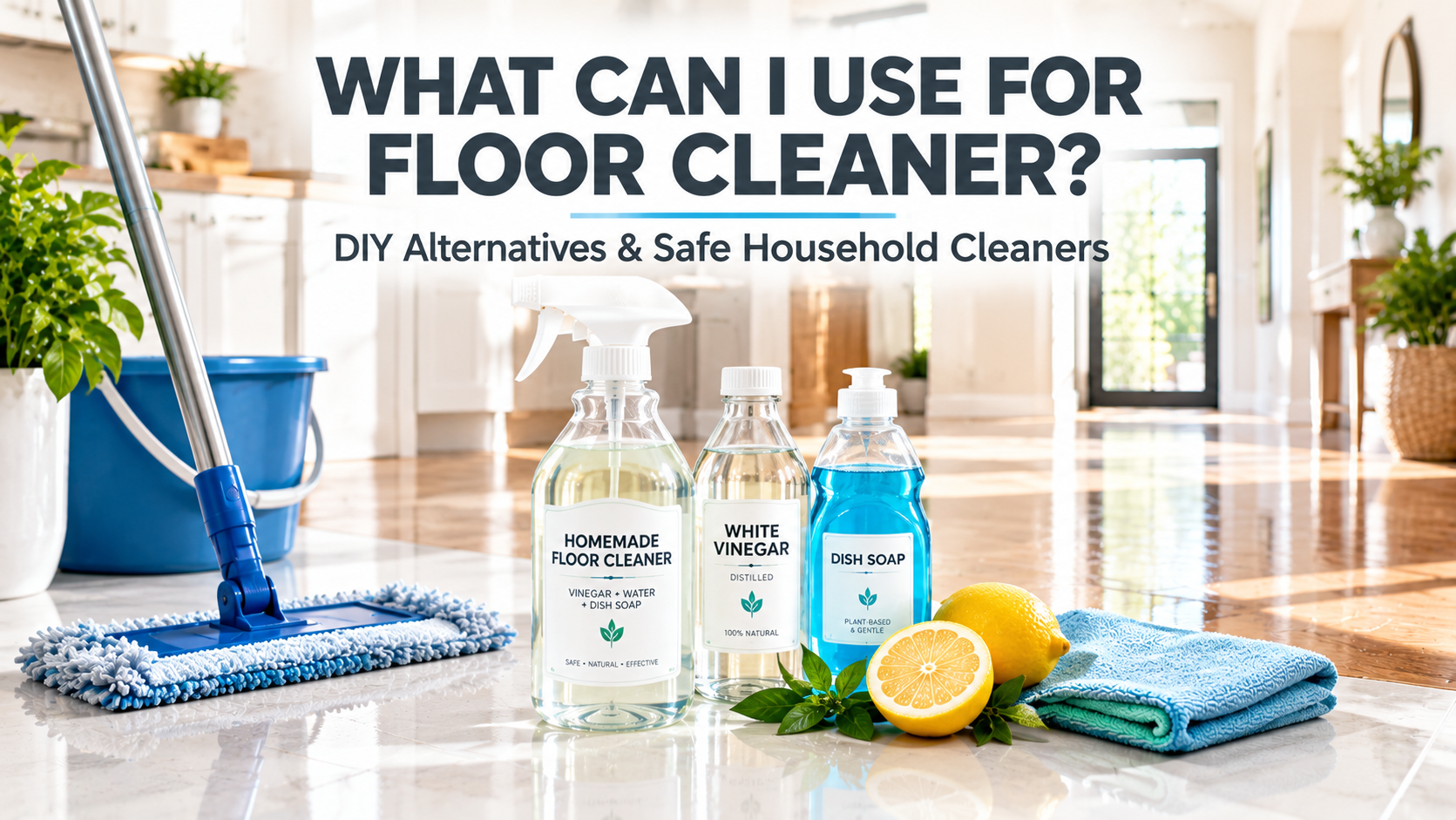
You can use a simple mix of warm water and white vinegar, or gentle dish soap diluted in water, for most hard floors. For a fresh scent, add a few drops of essential oil like lemon or tea tree. This works on tile, vinyl, laminate, and sealed hardwood without leaving residue or harsh chemical buildup.
After years of testing different cleaning solutions in my own home, I've learned that the best floor cleaner is often the simplest one. There's no need to spend a fortune on fancy products when your pantry holds everything you need. In this guide, I'll walk you through what you can use for floor cleaner, from DIY recipes to store-bought options, so you can keep your floors spotless, safe, and smelling fresh without any guesswork. Whether you're dealing with sticky spills, muddy paw marks, or just daily dust, I've got practical solutions that actually work.

Understanding Your Floor Type
Before you grab any cleaner, it's important to know what type of floor you're dealing with. Different surfaces react differently to moisture, acidity, and abrasion. Using the wrong product can leave streaks, cause warping, or even permanently damage the finish.
Here's a quick breakdown of common floor types:
- Hardwood (sealed or unsealed) needs gentle, pH-neutral cleaners and minimal water.
- Tile and grout can handle stronger solutions but require special attention to the grout lines.
- Laminate and vinyl are durable but sensitive to standing water.
- Natural stone like marble or travertine needs non-acidic cleaners.
- Linoleum is sensitive to ammonia-based products.
Knowing your floor type is the first step to choosing the right cleaner.
DIY Floor Cleaner Recipes That Actually Work
If you love a good homemade solution, you're in luck. Most DIY floor cleaners are affordable, non-toxic, and surprisingly effective. Here are my tried-and-true recipes:
Warm Water and Dish Soap
This is my go-to for everyday cleaning. Just mix a few drops of gentle dish soap in a bucket of warm water. It's safe for most sealed floors and cuts through light grease and dirt without leaving a film.
White Vinegar and Water
Mix one-half cup of white vinegar per gallon of warm water. This is great for tile, vinyl, and laminate. It naturally disinfects and removes odors. However, avoid using vinegar on natural stone or unsealed hardwood, as the acid can etch the surface.
Baking Soda Paste for Spot Cleaning
For tough spots or scuffs, make a paste of baking soda and water. Apply it gently with a soft cloth, then wipe clean. It works like a mild abrasive without scratching the surface.
Rubbing Alcohol for Shine
For a streak-free shine on tile or vinyl, add a tablespoon of rubbing alcohol to your cleaning water. It helps the solution dry faster and reduces streaking.
Essential Oils for Fresh Scent
Add five to ten drops of lemon, lavender, or tea tree oil to your bucket for a natural, fresh scent. Bonus: tea tree oil has natural antibacterial properties.

Store-Bought Floor Cleaners Worth Considering
Sometimes convenience matters. If you prefer ready-made products, here are some reliable options to look for:
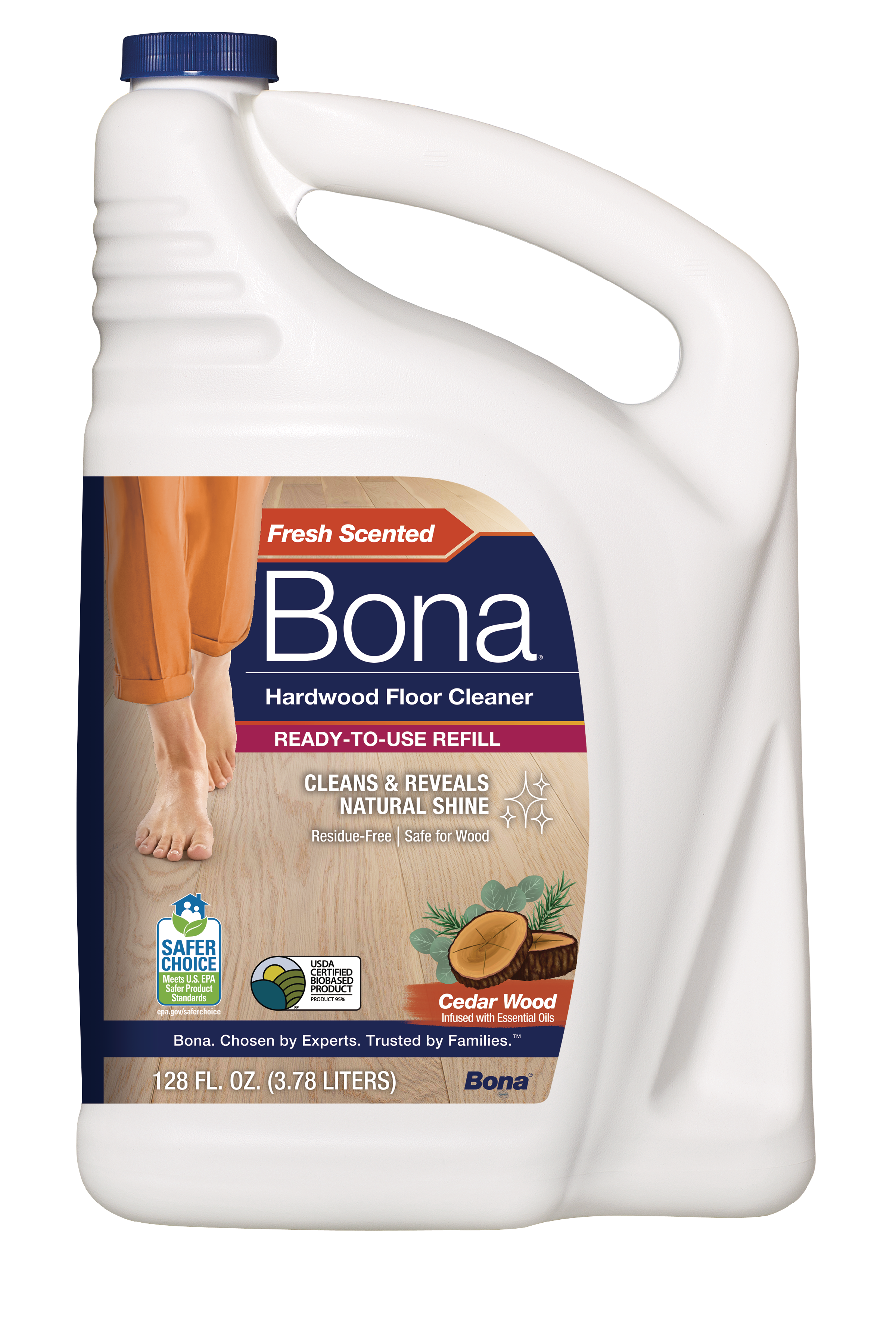
- pH-neutral hardwood floor cleaners like Bona or Method
- Multi-surface cleaners like Mrs. Meyer's or Seventh Generation
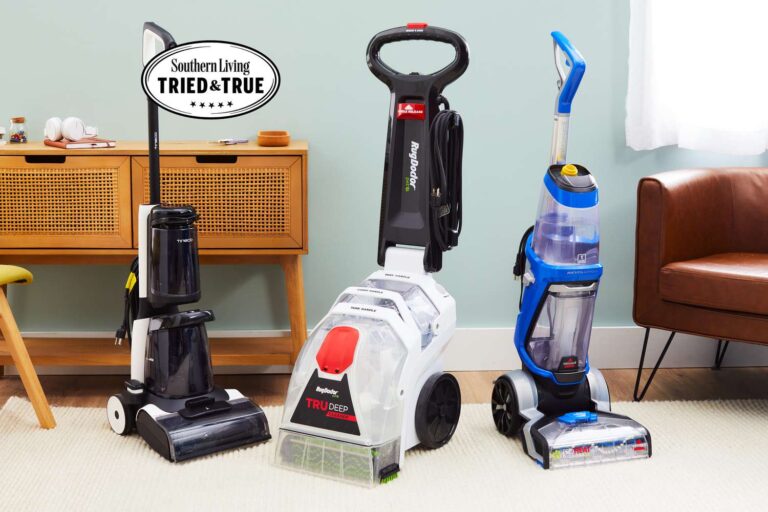
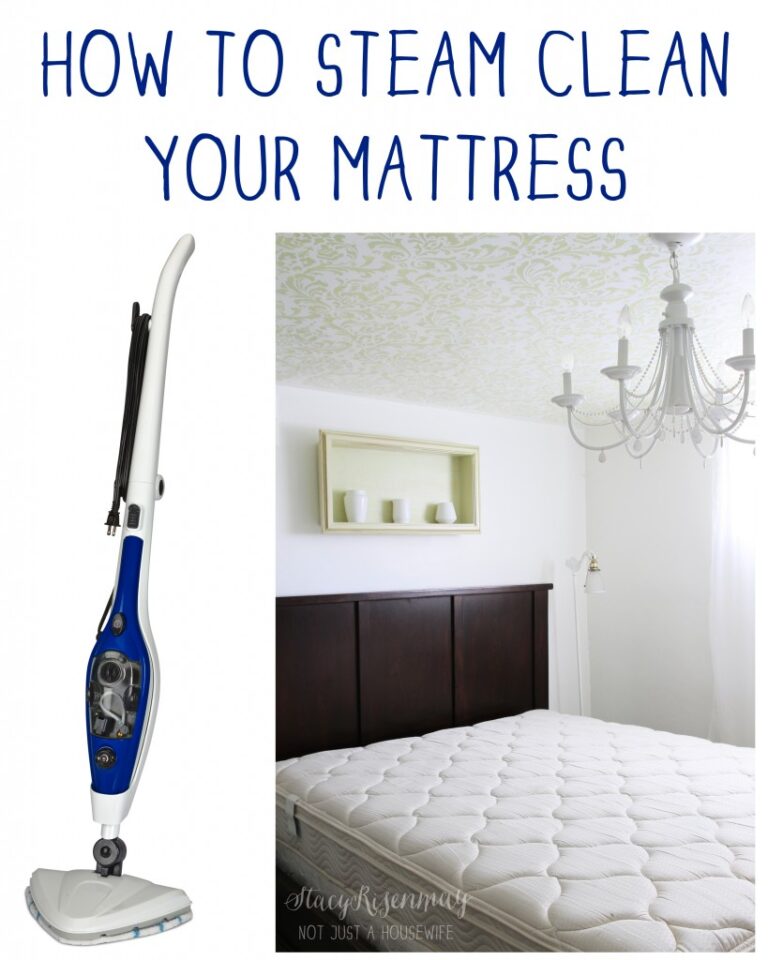
- Steam mops for chemical-free sanitizing
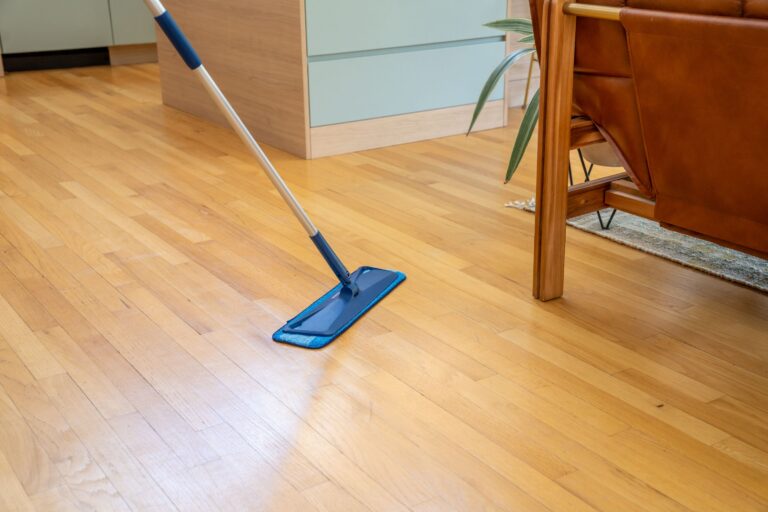
- Microfiber mop pads that trap dirt without chemicals
When shopping, avoid products with harsh solvents, wax, or ammonia, especially if you have sealed wood or natural stone. Look for labels that say "safe for sealed floors" or "no-rinse formula."

What to Avoid Using as a Floor Cleaner
Not everything in your cleaning cabinet is floor-safe. Here are common mistakes I've seen (and made) over the years:
- Bleach can discolor grout and damage sealed surfaces.
- Ammonia-based cleaners can harm linoleum and waxed floors.
- Vinegar on natural stone causes etching and dull spots.
- Oil-based cleaners like Murphy's Oil Soap can leave residue on modern polyurethane finishes.
- Excessive water on wood or laminate causes swelling and warping.
Always test a small, hidden area first if you're unsure.

Cleaning Tips for Specific Floor Types
Different floors need different care. Here's how to tailor your approach:
Hardwood
Use a damp (not wet) microfiber mop and a pH-neutral cleaner. Wipe up spills immediately and avoid steam mops, which can damage the finish over time.
Tile and Grout
Sweep or vacuum first, then mop with warm soapy water. For grout, use a soft brush and a baking soda paste to lift grime without scratching.
Laminate
Use a barely damp mop and dry the floor promptly. Standing water is the enemy here.
Vinyl
Vinyl is forgiving. You can use most gentle cleaners, just avoid abrasive scrubbers that can scratch the surface.
Natural Stone
Use only cleaners specifically labeled safe for stone. Acidic or abrasive cleaners will permanently damage the surface.

Eco-Friendly and Pet-Safe Options
If you have kids or pets running around, safety matters. Here are some gentle yet effective choices:
- Plant-based dish soaps like Seventh Generation or Dr. Bronner's
- Distilled white vinegar for disinfecting (safe once dry)
- Steam cleaning, which uses only water
- Microfiber cloths that clean effectively with just water
Always ventilate the room when cleaning and keep pets off the floor until it's dry.

How Often Should You Clean Your Floors?
It depends on foot traffic and lifestyle. Here's a general guideline:
- High-traffic areas like kitchens and entryways: 2-3 times per week
- Living rooms and hallways: Once a week
- Bedrooms: Every 1-2 weeks
- Bathrooms: 2-3 times per week
Spot clean as needed. Regular light cleaning prevents buildup and keeps your home feeling fresh.
My Personal Cleaning Routine
After years of trial and error, here's what works best in my home. I use a steam mop for daily touch-ups on tile and vinyl. Once a month, I do a deeper clean with a DIY vinegar solution on tile and a commercial hardwood cleaner on wood floors. I keep a small spray bottle of diluted dish soap and water for quick spot cleaning, especially after muddy paw prints or spilled juice.
The biggest lesson I've learned? Less is more. Harsh chemicals don't necessarily mean cleaner floors. Sometimes warm water and a good microfiber mop do the job beautifully.
Frequently Asked Questions
Can I use bleach to clean my floors?
Bleach is too harsh for most floors. It can discolor grout, damage finishes, and leave strong fumes. It's better to use gentler disinfectants like vinegar or hydrogen peroxide diluted in water.
Is vinegar safe for all floor types?
No, vinegar is acidic and can etch natural stone, damage unsealed wood, and dull certain finishes. It's safe for tile, vinyl, and laminate, but always check your floor manufacturer's guidelines first.
What's the best homemade floor cleaner?
A simple mix of warm water, a few drops of dish soap, and optionally a splash of white vinegar works for most sealed floors. It's affordable, effective, and free of harsh chemicals.
Can I use a steam mop on hardwood?
Most hardwood floor manufacturers recommend against steam mops. The heat and moisture can warp the wood and damage the finish over time. Use a damp mop instead.
How do I remove sticky residue from floors?
For sticky spots, dampen a cloth with warm water and a drop of dish soap. Let it sit for a minute, then gently rub. For tougher residue, use a bit of rubbing alcohol on a cloth, then wipe clean with water.
Summary of Floor Cleaning Solutions
Choosing what to use for floor cleaner doesn't have to be complicated. Whether you go with a simple DIY mix of warm water and dish soap, a vinegar solution for tile and vinyl, or a gentle store-bought product for hardwood, the key is matching the cleaner to your floor type. Avoid harsh chemicals like bleach and ammonia, test new products in small areas, and remember that less water is often more, especially on wood and laminate. With the right approach, your floors can stay clean, shiny, and well-maintained for years to come.
Start with one simple recipe today, see how your floors respond, and adjust from there. Once you find what works, stick with it. Your floors and your nose will thank you. If you found this guide helpful, share it with a friend or drop your favorite floor cleaning tip in the comments below.