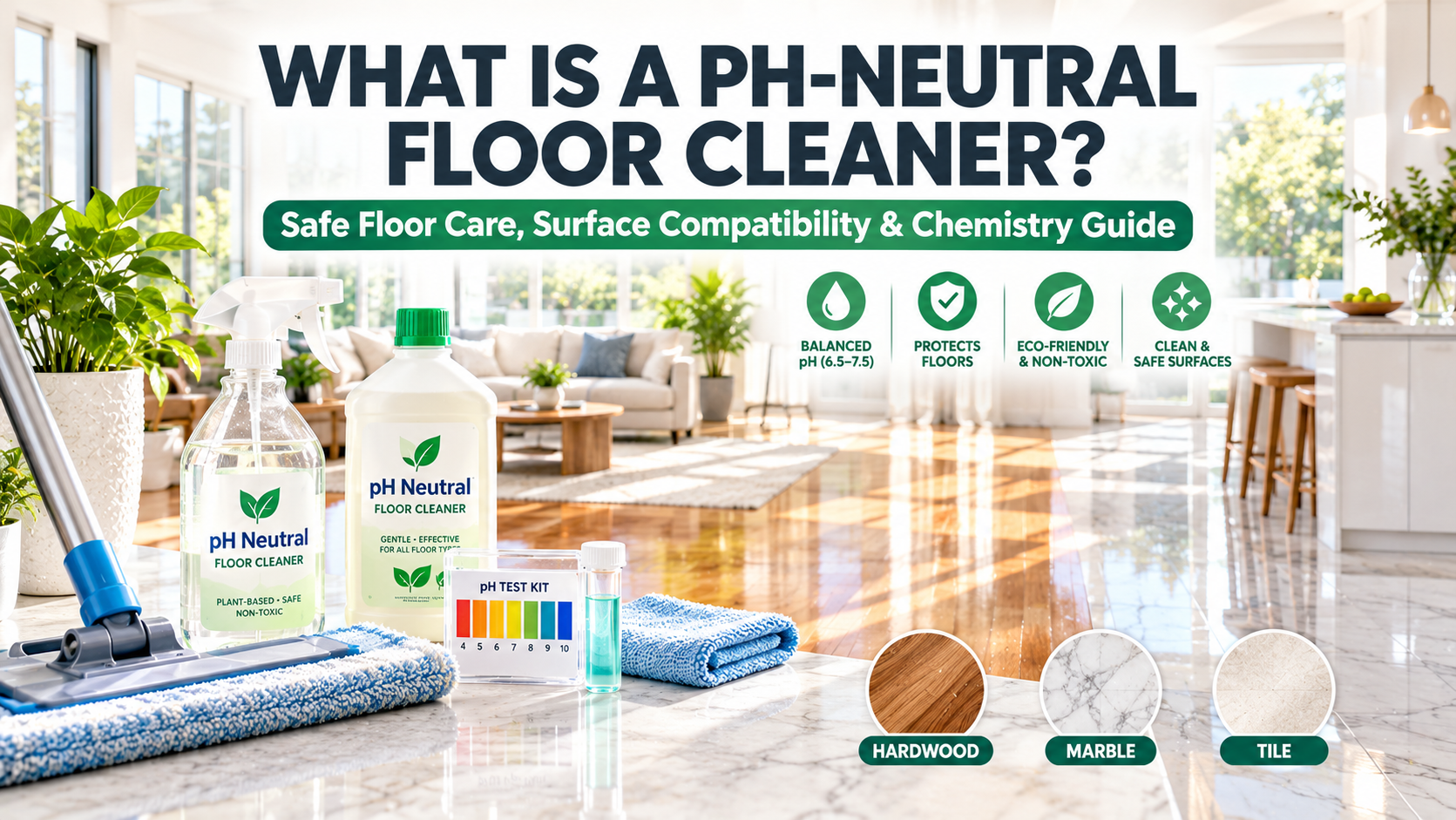
What Is A Ph Neutral Floor Cleaner: Complete Guide
A pH neutral floor cleaner is a cleaning solution with a pH of around 7, gentle enough for most surfaces yet effective at removing everyday dirt and grime. If you've ever worried about dulling your hardwood floors or stripping the finish off your tile, understanding pH neutral cleaners can save you hundreds in repair costs. Let me walk you through everything I've learned from years of testing cleaning products, dealing with ruined floors, and helping facility managers find the right balance between clean and safe.
Understanding pH and Why Neutrality Is the Sweet spot
The pH scale runs from 0 to 14, measuring how acidic or alkaline a substance is. Anything below 7 is acidic, above 7 is alkaline, and right at 7 sits neutral. Water is the most common example of something pH neutral. When we talk about a pH neutral floor cleaner, we're referring to a formula that hovers between 6 and 8 on this scale, which is gentle enough not to damage sensitive surfaces while still packing enough cleaning power for daily maintenance.
Think of pH like a seesaw. Acidic cleaners (like vinegar) tip one way and work great at dissolving mineral deposits. Alkaline cleaners (like bleach) tip the other way and excel at cutting through grease. Neutral cleaners sit perfectly balanced in the middle, making them the safe choice for floors with protective coatings, wax finishes, or delicate materials.
How pH Neutral Floor Cleaners Actually Work
Despite being gentle, pH neutral cleaners rely on clever chemistry to lift dirt. They typically contain surfactants, which are molecules that reduce water's surface tension. These surfactants surround dirt particles, break their grip on the floor surface, and suspend them in the cleaning solution so they can be wiped away easily.
I've tested dozens of these formulas, and the magic is in the balance. The surfactants do the heavy lifting without needing aggressive acids or caustics. Some formulas include small amounts of solvents or enzymes to tackle specific messes, but the pH stays close to neutral. This is why pH neutral cleaners are often called "maintenance cleaners" rather than heavy-duty strippers.
Here are the key mechanisms that make them effective:
- Surfactants surround and lift dirt particles from the surface.
- Wetting agents help the solution spread evenly across the floor.
- Mild chelators bind to minerals in hard water, preventing streaks.
- Some include optical brighteners that enhance shine without leaving residue.
Surfaces That Benefit Most from pH Neutral Cleaners
Not every floor needs aggressive cleaning. In fact, most floors perform better with gentle care. Over the years, I've seen beautiful floors destroyed by well-meaning cleaning staff using the wrong products. Here's where pH neutral cleaners truly shine:
- Hardwood and engineered wood floors with polyurethane or wax finishes
- Natural stone like marble, travertine, and limestone (which etch easily with acids)
- Polished or sealed concrete
- Luxury vinyl tile and laminate
- Ceramic and porcelain tile with grout that needs protecting
- Rubber flooring found in gyms and play areas
- Cork and bamboo floors
Vinyl composition tile (VCT) is another big one. If you use a high-alkaline cleaner on VCT, you strip the floor finish faster, meaning you have to recoat more often. pH neutral cleaners extend the life of your floor finish significantly.
Surfaces Where pH Neutral Cleaners May Not Be Enough
Honesty matters here, so let me be straightforward: pH neutral cleaners are not miracle workers. There are times when you need something stronger.
If you're dealing with heavy grease in a commercial kitchen, caked-on wax buildup, or biological contamination in a healthcare setting, you'll want an alkaline cleaner or a specialized disinfectant. pH neutral cleaners are designed for routine maintenance, not restorative deep cleaning.
Also, if your floors have years of old finish that needs stripping, you'll need a dedicated floor stripper, which is much more alkaline. Trying to strip floors with a pH neutral cleaner is like trying to sand a deck with a sponge. It won't work.
The Real Benefits of Using pH Neutral Floor Cleaners
After spending years maintaining everything from hospital floors to historic hardwood in old homes, I can tell you the benefits add up quickly:
- Protects floor finishes and sealants, extending the time between refinishing
- Prevents dulling, hazing, and discoloration on sensitive surfaces
- Safer for daily use by staff, residents, and pets
- Leaves less residue when used with proper dilution
- Compatible with most floor maintenance programs
- Reduces risk of slip hazards caused by sticky residue
- Gentle on grout, preventing the erosion and crumbling that acidic cleaners cause
One facility manager I worked with switched to a pH neutral cleaner and immediately noticed his floor finish lasted 40% longer. That saved him thousands in labor and materials over a year.
Practical Tips From Real Experience
Let me share some lessons learned the hard way, so you don't repeat my mistakes:
- Always dilute according to the label. More cleaner does not mean more clean.
- Use cool or lukewarm water, not hot. High heat can affect certain neutral formulas.
- Change your mop water frequently. Dirty water just redeposits grime.
- Don't mix cleaners. Combining products can create dangerous fumes or neutralize effectiveness.
- Test in an inconspicuous spot first, especially on older floors with unknown sealers.
- Use a microfiber mop. It picks up more dirt and leaves fewer streaks than traditional cotton mops.
I once ruined a beautiful marble entryway by assuming a "natural" cleaner was safe. Turns out it had citric acid, which etched the polish within minutes. Always check the pH, especially on stone.
How to Choose the Right pH Neutral Floor Cleaner
With so many options on the market, picking the right one can feel overwhelming. Here's a simple framework I use:
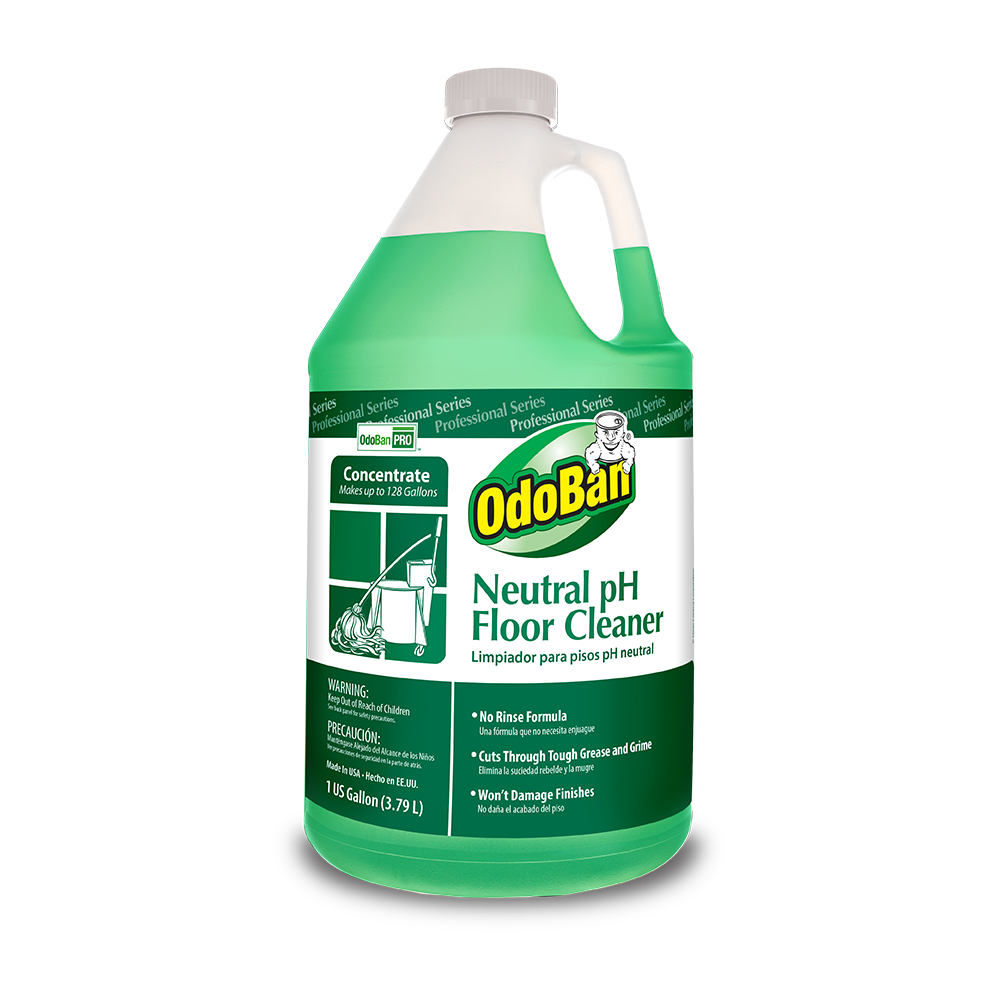
- Check the pH. Most quality pH neutral cleaners list their pH on the safety data sheet (SDS). Look for 6.5 to 7.5.
- Look at dilution ratios. Concentrates are usually more economical and create less plastic waste.
- Consider scent. Fragrance-free options are best for sensitive environments like schools and healthcare.
- Verify compatibility. Call the floor manufacturer if you're unsure.
- Look for certifications. Green Seal, UL Ecologo, and EPA Safer Choice labels indicate third-party verification.
- Think about your equipment. Some formulas foam excessively and aren't ideal for auto scrubbers.
If you're maintaining a busy commercial space, a concentrated formula in a closed-loop dilution system will save money and ensure consistency. For homes, ready-to-use sprays or simple concentrate-and-water solutions work great.
Common Misconceptions About pH Neutral Cleaners
Let's clear up a few myths I hear all the time:
- "Neutral means weak." Not true. Neutral cleaners can be very effective at removing everyday soil.
- "All green cleaners are pH neutral." Not necessarily. Some eco-friendly formulas still use citrus acids.
- "If it foams, it cleans better." Foam is mostly about surfactant choice, not cleaning power.
- "Vinegar and water is a good neutral cleaner." Vinegar is acidic (around pH 2.4) and can damage many surfaces.
- "You don't need to rinse." Most pH neutral cleaners don't require rinsing, but heavily soiled floors benefit from a clean water rinse.
Environmental and Health Considerations
pH neutral cleaners tend to be safer for the environment and the people using them. Lower toxicity means fewer harmful fumes, which is a big deal in enclosed buildings with poor ventilation. Many pH neutral formulas are biodegradable and meet strict green cleaning standards.
This matters more than people realize. Janitorial staff often spend 8 hours a day around cleaning chemicals. Reducing their exposure to harsh acids and caustics is a meaningful health benefit. I've watched custodians develop chronic respiratory issues from years of using aggressive alkaline cleaners. Switching to neutral products makes a real difference in their quality of life.
Industry Standards and Professional Recommendations
Most flooring manufacturers recommend pH neutral cleaners in their maintenance guides. The American National Standards Institute (ANSI) and the Resilient Floor Covering Institute (RFCI) both emphasize neutral cleaning for routine care. Professional cleaning organizations, including ISSA, train technicians to use pH neutral products as the foundation of any floor maintenance program.
If you manage a facility, following these standards also protects your warranty coverage. Many floor warranties become void if you use the wrong cleaning products, and that means thousands of dollars in replacement costs.

Frequently Asked Questions About pH Neutral Floor Cleaners
What pH is considered neutral for floor cleaners?
A true pH neutral floor cleaner typically falls between 6 and 8, with most high-quality products sitting right around 7. This range is gentle enough for sensitive floors but still effective for everyday soil removal.
Can I use pH neutral cleaner on hardwood floors?
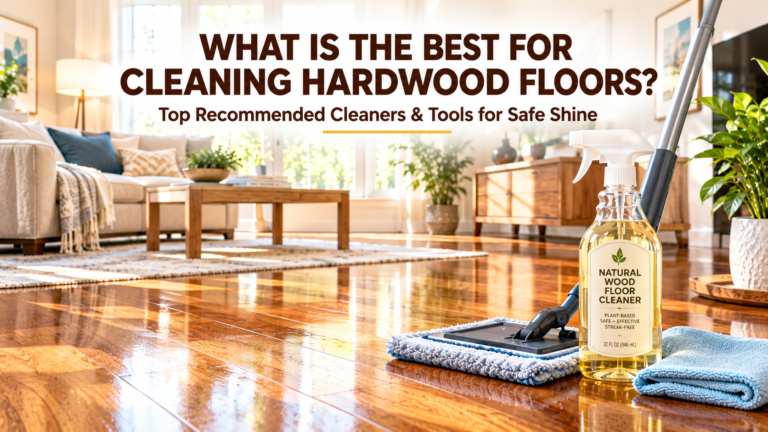
Yes, pH neutral cleaners are actually the recommended choice for sealed hardwood and engineered wood floors. They clean effectively without damaging the protective finish that gives wood its shine and durability.
Is vinegar a pH neutral floor cleaner?
No, vinegar is acidic, usually around pH 2.4. While it has some cleaning benefits, it can etch natural stone, damage grout, and dull certain floor finishes over time. A true pH neutral cleaner is a much better choice.
How often should I use pH neutral floor cleaner?
For most homes, once or twice a week is plenty for routine maintenance. In commercial settings with heavy traffic, daily cleaning with a pH neutral product is ideal because it preserves the floor finish longer than stronger cleaners.
Do pH neutral cleaners kill germs?
Standard pH neutral cleaners are not designed to disinfect. They remove dirt and many germs through mechanical action, but for true sanitization, you need an EPA-registered disinfectant, which usually has a higher or lower pH.
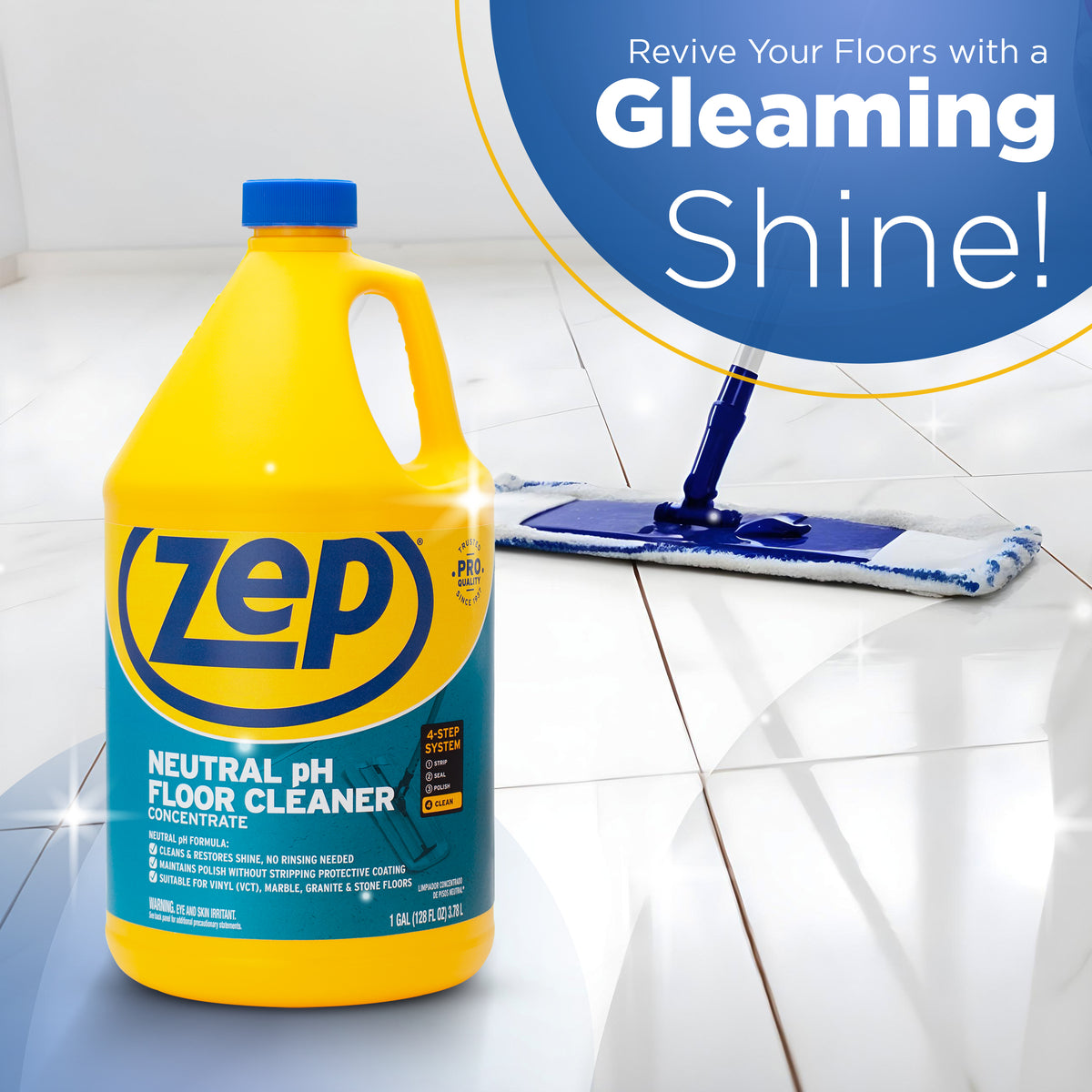
Choosing a pH neutral floor cleaner is one of the smartest decisions you can make for the long-term health of your floors. Whether you're caring for a historic home's hardwood, managing a busy retail space, or just trying to keep your kitchen tile looking fresh, gentle cleaning pays off in extended floor life, better indoor air quality, and lower maintenance costs. Start by checking your current cleaner's pH, match the product to your floor type, and stick with a consistent routine. Your floors, your wallet, and even your janitorial staff will thank you. Got questions or experiences to share about pH neutral cleaners? Drop them in the comments below. I'd love to hear what's worked for you.