How To Do A Dental Cleaning At Home: Best Step-By-Step Guide
You can do a solid dental cleaning at home by brushing twice a day, flossing once a day, using a fluoride mouthwash, scraping your tongue, and scheduling professional cleanings twice a year. A home routine won't replace a dentist, but it can absolutely keep your teeth and gums in great shape between visits.
I still remember the first time I tried doing a full dental cleaning at home by myself. I watched a few videos, grabbed a mirror, and went to work. At first, I thought it would be complicated, but once I got the hang of it, I realized it's just about having the right tools and being consistent. Since then, I've kept a simple routine that has saved me from plaque buildup, bleeding gums, and even a few cavities. Today, I'm going to walk you through everything I've learned, so you can do the same without feeling overwhelmed.

What Does a Dental Cleaning Actually Do
A dental cleaning at home is all about removing plaque, fighting bacteria, and keeping your gums healthy. Plaque is that sticky, colorless film that forms on your teeth throughout the day. If you leave it alone, it hardens into tartar, which can only be removed by a dentist. The goal of a home cleaning routine is to stop plaque before it gets to that point.
Think of it like washing a car. You don't wait for dirt to turn into rust. You clean it regularly so the paint stays smooth and shiny. Your teeth work the same way. A few minutes each day can save you from pain, cavities, and expensive dental bills later on.
Tools You Need for a Home Dental Cleaning
Before you start, gather the right tools. You don't need a fancy setup. Just a few basic items will do the job well.
- A soft bristle toothbrush or an electric toothbrush
- Fluoride toothpaste
- Dental floss or a water flosser
- Tongue scraper
- Fluoride mouthwash
- Interdental brushes for tight spaces
- A small mirror to see the back of your teeth
If you have sensitive gums, look for a toothbrush labeled extra soft. A water flosser is great if you find regular floss hard to use. And a tongue scraper might feel strange at first, but it makes a huge difference in controlling bad breath.
Step by Step Guide on How to Do a Dental Cleaning at Home
Now let's get into the actual process. Follow these steps and you'll have a clean, fresh mouth every single day.
Step 1: Start With a Thorough Brushing
Brush your teeth for at least two minutes, twice a day. Hold your toothbrush at a 45 degree angle to your gums and use gentle, circular motions. Don't scrub hard. Brushing too hard can wear down your enamel and hurt your gums.
- Brush the outer surfaces of your teeth
- Brush the inner surfaces
- Brush the chewing surfaces
- Gently brush your tongue to remove bacteria
If you use an electric toothbrush, let the brush do the work. Just guide it along each tooth and let the bristles clean for you.
Step 2: Floss Like a Pro
Flossing once a day is non negotiable if you want healthy gums. It removes food and plaque from between your teeth where your toothbrush can't reach.
- Take about 18 inches of floss
- Wrap most of it around one finger and the rest around the other
- Slide it gently between your teeth
- Curve it into a C shape around each tooth
- Move it up and down to scrape the sides clean
If floss feels uncomfortable, try floss picks or a water flosser. The goal is to clean between every tooth, every single day.
Step 3: Don't Skip the Tongue
Your tongue holds a lot of bacteria that cause bad breath and plaque buildup. Use a tongue scraper or the back of your toothbrush to gently scrape from the back of your tongue to the front. Rinse after each pass.
This step only takes about 30 seconds, but it makes a big difference in how fresh your mouth feels.
Step 4: Rinse With Mouthwash
A fluoride mouthwash helps kill bacteria, strengthen enamel, and freshen your breath. Swish it around for 30 to 60 seconds after brushing and flossing. Don't rinse with water afterward. Let the fluoride sit on your teeth so it can do its job.
If you have dry mouth or sensitive teeth, choose an alcohol free mouthwash. It's gentler and won't dry out your mouth.
Step 5: Check Your Work
Use a small mirror to inspect your teeth and gums. Look for any leftover food, redness, or swelling. If your gums bleed a little when you floss, don't panic. That's usually a sign of early gum disease, and it should improve after a week or two of consistent flossing.
Common Mistakes to Avoid During Home Dental Cleaning
Even with the best intentions, it's easy to make small mistakes that can hurt your teeth over time. Here are some things to watch out for.
- Brushing too hard and damaging your enamel
- Skipping flossing because it feels annoying
- Using an old toothbrush with frayed bristles
- Rinsing with water right after using mouthwash
- Forgetting to clean the back of your teeth
- Not replacing your toothbrush every three months
I used to make the mistake of brushing right after eating acidic foods like oranges. Turns out, that can actually soften your enamel. Now I wait at least 30 minutes before brushing. Small changes like that really do make a difference.
How Often Should You Do a Home Dental Cleaning
You should brush twice a day, floss once a day, and use mouthwash once or twice a day. A full home cleaning routine takes about 5 to 7 minutes. It's a small time investment for a lifetime of healthy teeth.
Beyond your daily routine, you should also see your dentist every six months for a professional cleaning. A home routine keeps things under control, but a hygienist can remove tartar, check for cavities, and catch early signs of gum disease.

Benefits of a Consistent Home Dental Cleaning Routine
A good home routine goes way beyond just clean teeth. It can improve your overall health, your confidence, and your wallet.
- Fresh breath throughout the day
- Lower risk of cavities and tooth decay
- Healthier gums and less bleeding
- Whiter teeth over time
- Fewer trips to the dentist for painful procedures
- Better overall health since gum disease is linked to heart problems and diabetes
When I started taking my home cleaning seriously, my dentist actually noticed the difference. She said my gums were healthier and I had less buildup. That felt like a real win.
Limitations of Home Dental Cleaning
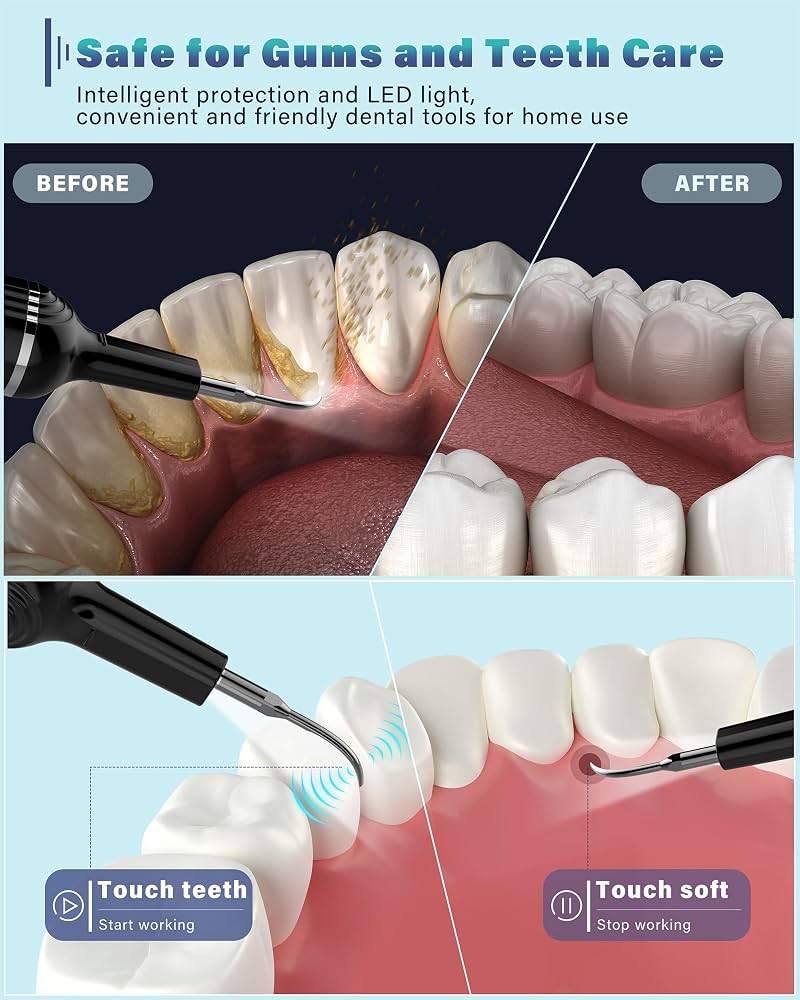
Even with the best routine, there are things you can't do at home. A professional cleaning uses special tools like ultrasonic scalers that remove hardened tartar. Your dentist can also take X rays, check for oral cancer, and spot issues you might miss.
A home cleaning is great for daily maintenance, but it's not a replacement for professional care. Think of it like vacuuming your carpet. You do it every week, but you still get a deep clean once in a while.
Natural Additions to Your Home Dental Cleaning
Some people like to add natural extras to their routine. While they shouldn't replace brushing and flossing, they can give you a little extra boost.
- Oil pulling with coconut oil to reduce bacteria
- Baking soda paste to gently whiten teeth
- Green tea to fight inflammation
- Crunchy fruits and veggies like apples and carrots to naturally clean teeth
I've tried oil pulling a few times. It feels strange swishing oil around your mouth for 20 minutes, but my teeth did feel smoother afterward. Just don't use it as a substitute for brushing.
Signs Your Home Dental Cleaning Needs Improvement
Your mouth will usually tell you when something is off. Pay attention to these warning signs.
- Bad breath that doesn't go away
- Gums that bleed when you brush or floss
- Yellow or brown buildup near your gum line
- Tooth sensitivity to hot or cold
- Loose teeth or receding gums
If you notice any of these, it's time to step up your routine and book a visit to your dentist.
Final Thoughts on Building a Habit
Doing a dental cleaning at home isn't hard, but it does take consistency. Start with the basics. Brush, floss, and rinse every day. Once that becomes a habit, add in the tongue scraping and interdental brushes. Within a few weeks, it will feel like second nature.
Your smile is one of the first things people notice about you. Taking care of it at home is one of the best gifts you can give yourself. A few minutes a day really does go a long way.
Frequently Asked Questions About Home Dental Cleaning
How long does a home dental cleaning take
A full home dental cleaning takes about 5 to 7 minutes. That includes two minutes of brushing, one to two minutes of flossing, and a quick rinse with mouthwash. It's a small time investment for a big payoff.
Can I remove tartar at home by myself
You can't safely remove hardened tartar at home. Only a dentist or hygienist has the right tools to do it without damaging your teeth. The best thing you can do is prevent tartar by removing plaque every day before it hardens.
Is it safe to use a dental scaler at home
It's risky. Without proper training, you can easily damage your enamel, cut your gums, or cause infection. Leave scaling to the professionals. Stick to brushing, flossing, and mouthwash at home.
How do I know if I'm brushing my teeth correctly
You should brush for two minutes using gentle, circular motions at a 45 degree angle to your gums. Make sure to cover all surfaces, including the back of your teeth and your tongue. If your gums bleed often, you may be brushing too hard or flossing too aggressively.
Do I really need to floss if I brush every day
Yes, flossing is essential. A toothbrush can't reach between your teeth, which is where plaque loves to hide. Skipping flossing means you're leaving about 40 percent of your tooth surfaces unclean.
Conclusion
Learning how to do a dental cleaning at home is one of the smartest things you can do for your health. With the right tools, a few minutes a day, and a little consistency, you can keep your teeth clean, your gums healthy, and your breath fresh. Don't forget to visit your dentist twice a year for a professional touch. Start today, and your future self will thank you for that bright, healthy smile. If you found this guide helpful, share it with a friend or drop a comment below with your own tips.