What Is a Neutral Cleaner 2026
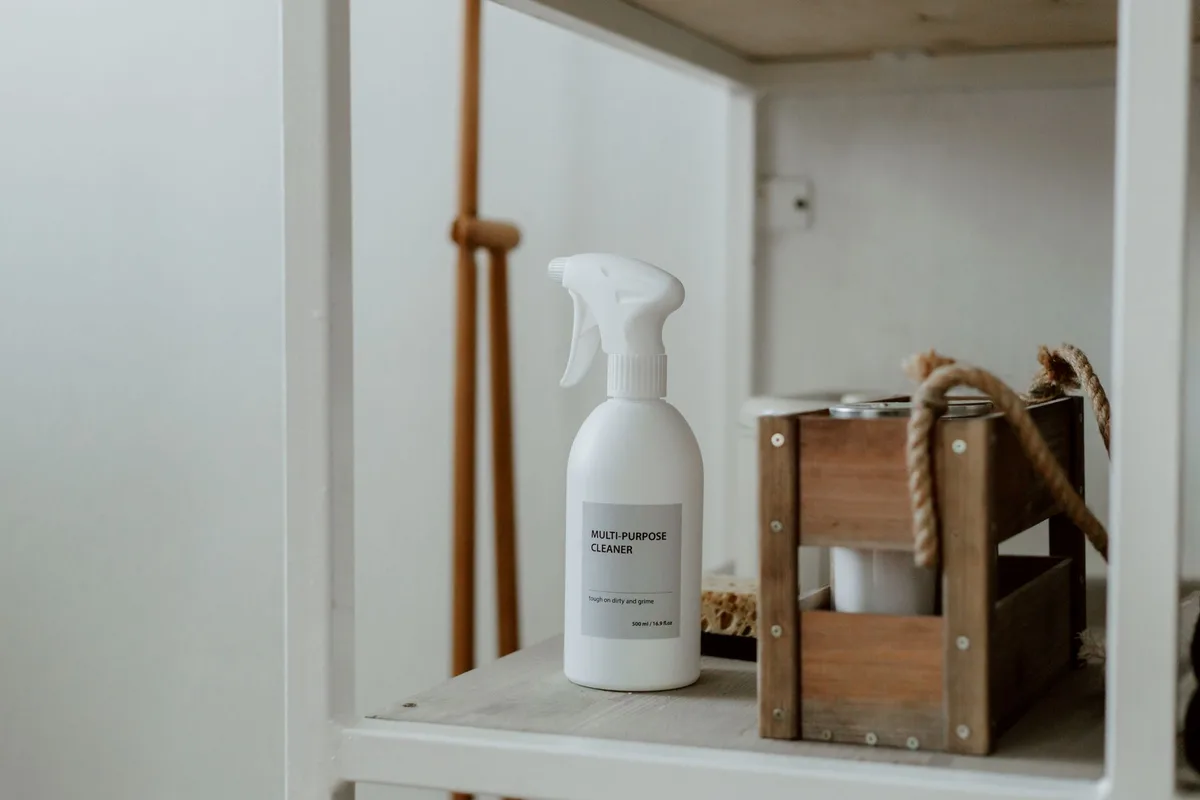
You're probably wondering. When you're trying to get your home sparkling, the types of cleaners can feel a bit overwhelming. What exactly makes one cleaner "neutral," and why should you care?
A neutral cleaner is one that sits right in the middle of the pH scale, typically registering between 6 and 8. It's designed to clean effectively without the harshness of acidic or alkaline solutions. For instance, manufacturer specifications for many common all-purpose cleaners confirm their pH hovers around 7.
Quick Answer
A neutral cleaner has a pH level close to water, usually between 6 and 8. It's a mild cleaning agent that loosens dirt without damaging surfaces. This balance makes it safe for everyday use on a wide variety of household materials.
The Balance of pH in Cleaning
Everything in the world has a pH, a scale that measures how acidic or alkaline something is. Imagine a ruler; water is right in the middle at 7, considered neutral. Anything below 7 is acidic, and anything above 7 is alkaline (or basic).
This pH measurement is a big deal for cleaning because different substances react differently based on their pH. Understanding this helps you pick the right tool for the job and avoid accidentally damaging your belongings.
Why pH Matters for Your Surfaces
Using the wrong cleaner can lead to unintended consequences. Acids and alkalis work by chemically altering the surface they're cleaning, which can be great for specific tough messes, but it can also cause damage.
Acidic vs. Alkaline vs. Neutral: What's the Difference?
To truly grasp what a neutral cleaner is, it helps to contrast it with its counterparts. Each type has its own strengths and weaknesses.
- Acidic Cleaners (Low pH): These are your go-to for tackling mineral deposits like hard water stains, rust, and lime scale. Think of products with citric acid or acetic acid (vinegar). They work by dissolving these types of inorganic soils. However, acids can etch or dull surfaces like natural stone (marble, travertine), certain metals, and can damage grout if used too frequently or undiluted.
- Alkaline Cleaners (High pH): These are the powerhouses for breaking down organic soils like grease, oil, and general grime. Products containing ammonia or sodium hydroxide are common examples. They are excellent for kitchens and bathrooms where greasy buildup is frequent. The downside is that strong alkaline cleaners can strip finishes, damage aluminum, and can be harsh on skin and even some fabrics.
- Neutral Cleaners (Around pH 7): When a cleaner falls between 6 and 8 on the pH scale, it's considered neutral. They are formulated to lift and remove dirt and grime without altering the chemical makeup of the surface. They work through emulsification and detergency, essentially surrounding dirt particles and allowing them to be wiped away. This makes them incredibly versatile and generally safe for most household materials. As of 2026, this balanced approach remains the preferred method for routine cleaning.
Your Go-To for Everyday Cleaning
Neutral cleaners are the workhorses of routine cleaning. They're not designed to tackle the toughest, most stubborn messes that require specialized chemical intervention. Instead, they excel at what most of us do day-to-day: wiping down surfaces, dealing with light spills, and maintaining a generally clean environment.
Their balanced formulation means you can use them regularly without worrying about long-term damage to your floors, countertops, or painted surfaces. It’s about consistency and gentle effectiveness.
When to Use a Neutral Cleaner
Think of neutral cleaners as your everyday solution for a quick clean-up. They are safe and effective for a broad range of common household tasks.
Everyday Kitchen & Bathroom Tasks
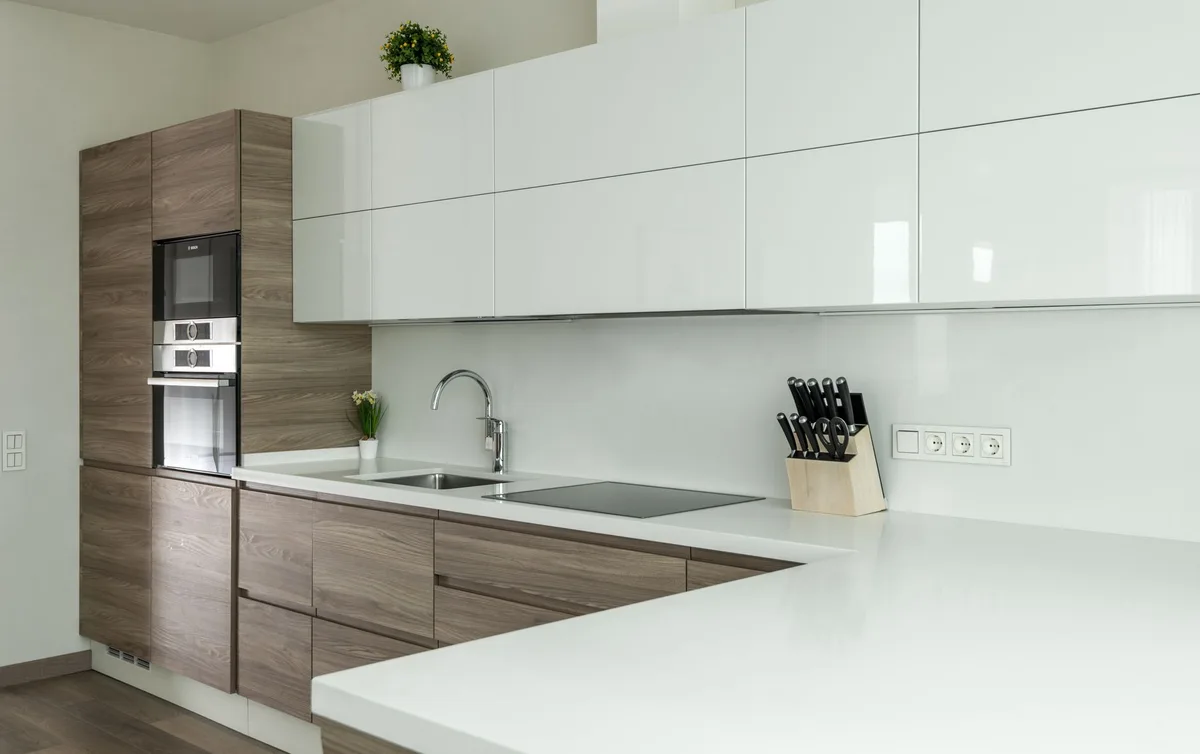
For daily wipe-downs of kitchen countertops, sinks, and bathroom vanities, a neutral cleaner is ideal. Most common surfaces, like sealed granite, quartz, laminate, stainless steel, and tile, can be safely cleaned with a neutral pH product. It will remove crumbs, light splatters, and dust without dulling finishes or leaving residues behind.
Wood Floors and Sensitive Surfaces
Sealed hardwood floors, laminate flooring, and even some types of natural stone (like sealed marble) do best with neutral cleaners. They get rid of everyday dirt and scuff marks without stripping protective sealants or etching delicate finishes.
General Spills and Dusting
Accidentally knock over a glass of juice or notice some dust buildup on your coffee table? A neutral cleaner is perfect for these light-duty tasks. It effectively lifts the mess without requiring harsh chemicals or specialized techniques.
When a Neutral Cleaner Isn't Enough
While neutral cleaners are incredibly versatile, they aren't meant for every cleaning challenge. Their strength lies in their gentleness, which means they may struggle with extreme problems.
If you're dealing with baked-on grease that's really caked onto your stovetop, heavy soap scum clinging to shower tiles, or significant rust stains on porcelain, a neutral cleaner might require an unreasonable amount of scrubbing or may not work at all. In these cases, you'll likely need a more specialized cleaner.
That's when you'd reach for an acidic cleaner for rust and mineral deposits, or a strong alkaline cleaner for tough grease and grime. It’s about matching the cleaner’s power to the severity of the problem.
Is a Neutral Cleaner Right for You?
If your goal is to maintain a clean and pleasant home environment without high-risk chemicals or the potential for damage, then a neutral cleaner is likely an excellent choice for you. They are the backbone of many daily cleaning routines for a reason.
They offer peace of mind for busy households, especially those with children or pets, where safety is a top priority. You can clean the surfaces they interact with daily without excessive worry.
Mistakes to Avoid with Neutral Cleaners
Even with relatively safe products, it's possible to misuse them. Knowing common pitfalls can save you time and prevent damage.
- Expecting Miracles on Tough Stains: The biggest mistake is assuming a neutral cleaner can tackle everything. If you have stubborn, aged-on grime, you'll need a more potent solution. Pushing a neutral cleaner too hard on a difficult mess often just results in frustration.
- Over-diluting or Under-diluting: Most cleaners, even neutral ones, have recommended dilution ratios for a reason. Too much water and it won't clean effectively. Too little, and you might leave residue or use more product than necessary. Always check the product label for precise instructions.
Expert Tips for Using Neutral Cleaners
Maximizing the effectiveness of your neutral cleaner involves a few simple but important practices. These tips help ensure you get the best results with minimal effort.
- Always Read the Label: This is foundational. Manufacturer specs often provide crucial details about the cleaner's pH, suitable surfaces, and recommended dilution. For example, some neutral cleaners are specifically formulated for floors, others for all-purpose use.
- Test in an Inconspicuous Area: This applies to almost any cleaning product, neutral or not. Before tackling a large surface, especially on delicate materials or finishes, test the cleaner in a small, hidden spot.
- Use the Right Tools: A good microfiber cloth or sponge can make a world of difference. These tools help lift and trap dirt, working in conjunction with the cleaner.
When Would You Reach for Alternatives?
Sometimes, a neutral cleaner won't cut it, and you need something with more targeted power. Knowing when to switch gears is key to efficient cleaning.
If you’re battling significant soap scum in a shower, an acidic cleaner designed for bathrooms might be necessary. For greasy kitchen backsplashes, a degreaser with a higher alkaline pH will likely be more effective than a neutral all-purpose spray.
These alternatives are typically used for specific, tougher challenges rather than routine maintenance. Always follow directions and ensure compatibility with your surfaces.
Frequently Asked Questions
Is a neutral cleaner safe for all surfaces?
Most neutral cleaners are safe for a wide array of household surfaces. However, it's always best to check the product label for specific recommendations and test in an inconspicuous area, especially on delicate materials like unsealed wood or certain plastics.
Can a neutral cleaner disinfect?
No, a neutral cleaner is not typically a disinfectant. Its primary purpose is cleaning by removing dirt and grime. If you need to kill germs, you will need to use a separate product specifically labeled as a disinfectant.
How do I know if a cleaner is neutral?
Look at the product label. Many manufacturers will indicate the pH level or state that it is "pH neutral" or "balanced." If the pH isn't listed, and it claims to be an all-purpose cleaner for regular use without harsh warnings, it's likely in the neutral range.