What Are the Parts of a Vacuum Cleaner Called: Buyer’s Guide
So, you've been staring at your vacuum cleaner, wondering what all those bits and pieces are called. It’s totally common to not know the official names for everything, but understanding them can actually make cleaning easier and help you out if something goes wrong. Knowing what are the parts of a vacuum cleaner called is more than just trivia; it empowers you to use your appliance more effectively and even perform basic maintenance.
This guide breaks down the anatomy of most common vacuum cleaners, from the powerhouse motor to the smallest dusting brush. Many vacuums today comply with relevant safety standards, and manufacturer specifications often detail the power requirements and filtration capabilities. For instance, many post-motor filters are designed to meet HEPA standards, which require trapping at least 99.97% of airborne particles 0.3 microns in size. You'll discover how each component works, what its function is, and how they all come together to get your home spotless.
Why Knowing Your Vacuum Parts Matters
It might seem like just a bunch of plastic and hoses, but understanding the different sections of your vacuum cleaner offers real benefits. For starters, it helps you use the right tool for the job. That skinny wand? It's not just for show; it's designed for tight spots you can't reach with the main head.
Knowing the names also simplifies troubleshooting. If your vacuum isn't picking up dirt like it used to, identifying the likely culprit, like a clogged filter or a worn brush roll, becomes much faster.
This knowledge is key for effective maintenance too. You’ll know exactly which part needs cleaning or replacing, ensuring your vacuum runs efficiently and lasts longer. Plus, when you’re looking for replacement parts or accessories, knowing the correct terminology means you'll find compatible items without guesswork. This is especially true as many manufacturers, like those adhering to standards from bodies such as the International Electrotechnical Commission (IEC), provide detailed specifications for their components.
The Main Unit: Body, Motor, and Where Dirt Goes
The main body of your vacuum is the central hub, housing the core components that make the whole thing work. It’s the part you'll carry, push, or maneuver around your home. Inside this shell are the engine, the collection system for dust and debris, and crucial filtration components.
Inside the Body: Motor and Fan
At the heart of every vacuum cleaner is its motor. This is the powerhouse that drives the entire cleaning operation. The motor spins a fan at exceptionally high speeds, creating the airflow necessary for suction. This rapid movement of air generates a low-pressure area that pulls dirt, dust, and debris from your floors and surfaces into the vacuum cleaner.
Manufacturer specifications often detail the wattage or amperage of the motor, giving an indication of its power. For instance, aggregate power consumption for household vacuums typically ranges from 600 to 2000 watts. The fan, usually made of plastic or metal, is attached directly to the motor shaft and is designed to efficiently move large volumes of air.
Collecting the Grime: Dustbin or Dust Bag?
Once the dirt enters the vacuum, it needs to be collected. This is where the dustbin or dust bag comes into play. These components are the primary means of trapping the debris you’ve just cleaned up.
- Dustbin/Container (Bagless Models): Common in modern vacuums, these are typically clear plastic containers that detach from the main unit. You simply remove the bin, empty its contents into a trash can, and reattach it. This offers convenience and eliminates the ongoing cost of purchasing bags.
- Dust Bag (Bagged Models): The traditional method uses disposable bags, usually made of multi-ply paper or synthetic material designed to trap fine dust. When the bag is full, you remove and discard it, replacing it with a new one. This can be a cleaner process when emptying, as all the dirt is sealed away, but it does require a recurring purchase of replacement bags.
The Cleaning Head: Your Floor's Best Friend
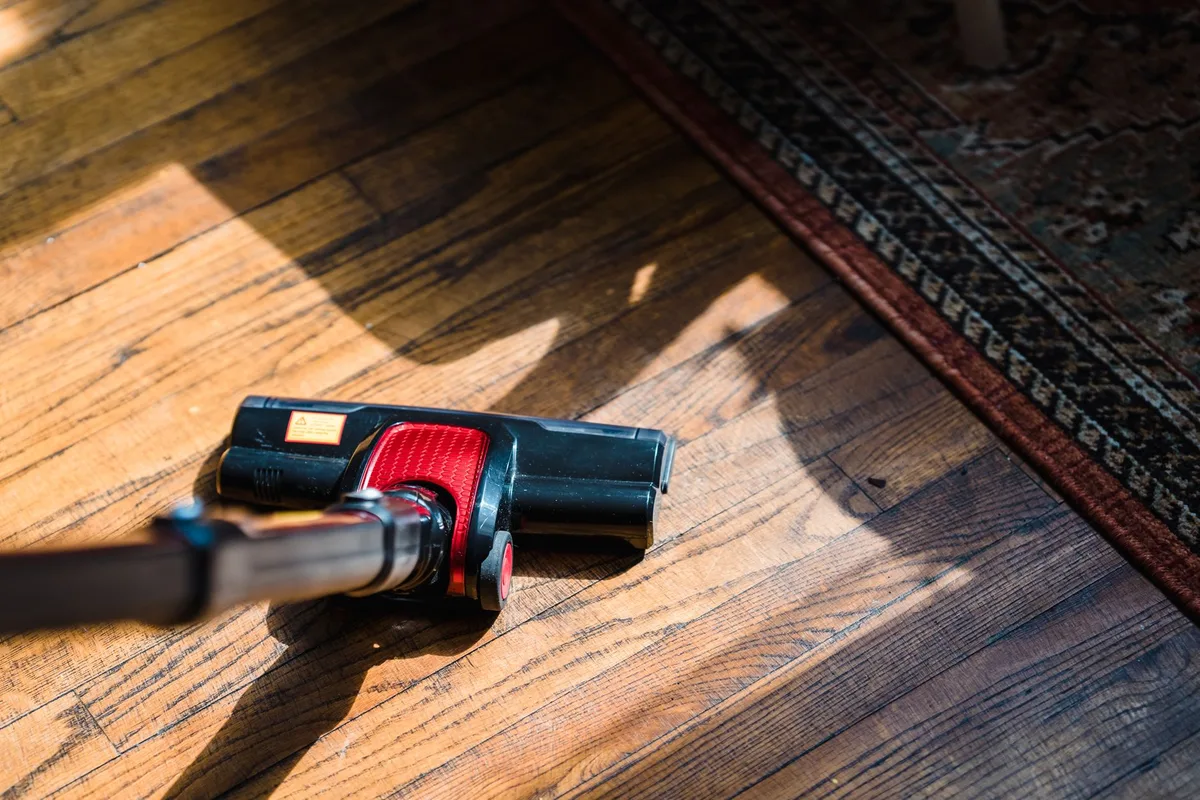
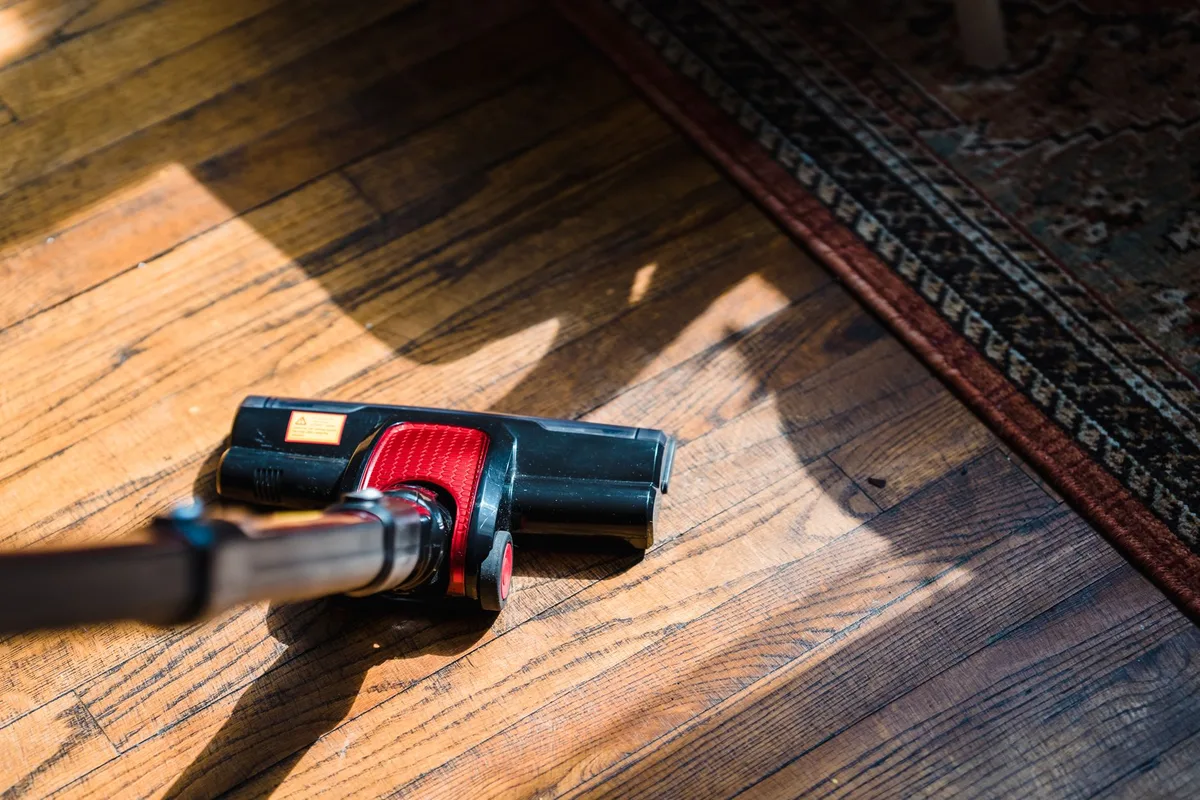
The cleaner head, also sometimes called the floor nozzle or brush head, is the part of the vacuum that makes direct contact with your floors. Its design is crucial for effective dirt pickup on different surfaces. This is where the suction is concentrated and where mechanical agitation often happens.
What's a Brush Roll and Why You Need One
Many cleaner heads feature a brush roll, also known as a beater bar. This is a cylindrical brush with bristles that rotates rapidly as you vacuum. On carpeted surfaces, the spinning brush agitates the carpet fibers, loosening embedded dirt, hair, and stubborn debris. This makes it much easier for the vacuum’s suction to pull everything into the dustbin.
For hard floors, some brush rolls have softer bristles or can be turned off entirely to prevent scratching. Different brush roll designs cater to different floor types; for example, some are specifically engineered with wider gaps for pet hair.
The Suction Powerhouse: Cleaner Head and Inlet
The main function of the cleaner head is to efficiently channel the airflow from the hose and motor to the floor surface where the dirt is. The suction inlet is the opening at the bottom of the cleaner head where the dirt is drawn in. Its shape and size are engineered to maximize airflow and capture a wide range of debris, from fine dust to larger particles. Some cleaner heads have adjustable height settings to maintain optimal contact with varying carpet pile heights or floor surfaces, ensuring consistent suction performance.
Getting to Those Hard-to-Reach Spots: Hoses, Wands, and Tools
Beyond the main cleaning head, vacuums come equipped with several attachments designed to extend your reach and tackle specific cleaning challenges. These accessories transform your vacuum from a floor-cleaning machine into a versatile cleaning system.
The Flexible Hose and Steady Wand
The hose is a flexible tube connecting the main vacuum body to the wand and cleaning attachments. Its flexibility allows you to maneuver the vacuum and reach awkward areas without having to move the entire unit. Attached to the hose is the wand, which is typically a rigid tube, often made of metal or durable plastic. Wands can be extendable, allowing you to adjust the overall cleaning reach to suit your height or the task at hand, such as cleaning under furniture or reaching high shelves.
Essential Attachment Tools: Crevice, Upholstery, and Dusting Brushes
- Crevice Tool: This is a long, narrow attachment, perfect for getting into tight spaces like the gaps between cushions on a sofa, along baseboards, tight corners, or inside car door pockets. Its slender profile allows it to access areas that larger heads simply can't.
- Upholstery Tool: Usually a wider, flatter tool, often with a fabric strip or a small brush edge. It's designed for cleaning upholstery on furniture, car seats, and mattresses, helping to lift dust and pet hair.
- Dusting Brush: Featuring soft bristles, this tool is ideal for gently cleaning delicate surfaces. You can use it on lampshades, blinds, intricate moldings, keyboards, or even electronics where a firmer brush would cause damage.
Keeping the Air Clean: Understanding Vacuum Filters
Filters are absolutely critical components of any vacuum cleaner, playing a vital role in air quality. They trap the fine particles and allergens that the motor and collection system might miss. Most vacuums have at least two stages of filtration to ensure the air exhausted back into your room is as clean as possible.
Pre-Motor and Post-Motor Filters Explained
- Pre-motor filters: These are typically located before the motor itself. Their primary job is to catch larger debris and dust particles, protecting the motor from damage. Many vacuums have washable pre-motor filters, which can save on replacement costs. Manufacturer guidelines usually specify how often these should be cleaned or replaced.
- Post-motor filters: These are the final line of defense, situated after the motor and before the air is expelled from the vacuum. Their job is to capture the smallest particles, including allergens, dust mites, and pollen.
The Importance of HEPA Filtration
A key type of post-motor filter is a HEPA filter. According to standards set by the U.S. Department of Energy, a true HEPA filter must capture at least 99.97% of airborne particles 0.3 microns in diameter. This is incredibly effective at improving indoor air quality, which is particularly beneficial for individuals with allergies, asthma, or other respiratory sensitivities.
Replacing or cleaning HEPA filters as recommended by the manufacturer (often annually, though usage plays a role) is crucial for maintaining optimal filtration performance.
Common Vacuum Cleaner Parts and Their Functions
Having a clear picture of what each part does is more than just satisfying your curiosity; it’s about maximizing your vacuum’s cleaning power and longevity. For instance, if you have a lot of pet hair, understanding how the brush roll and suction inlet work together can help you choose the most effective settings and attachments. Many models, especially those tested to IEC standards, offer specific features for different types of debris.
- Motor: The engine behind the suction. It powers the fan to create airflow.
- Fan: This component spins with the motor, actively moving air to generate suction.
- Dustbin/Container: The receptacle for collected dirt in bagless models. It's designed for easy emptying.
- Dust Bag: A disposable enclosure for dirt in bagged models, requiring periodic replacement.
- Hose: A flexible tube that connects the main unit to the cleaning attachments, providing reach.
- Wand/Extension Tube: A rigid tube, often adjustable, that extends the reach of the hose and attachments.
- Cleaner Head/Floor Nozzle: The part that contacts the floor, housing the primary suction inlet and often a brush roll.
- Brush Roll/Beater Bar: A rotating brush within the cleaner head that agitates carpet to loosen dirt.
- Crevice Tool: A narrow attachment for cleaning tight spaces.
- Upholstery Tool: A wider tool for cleaning furniture and fabric surfaces.
- Dusting Brush: A soft-bristled tool for gently cleaning delicate items.
- Filters (Pre-motor, Post-motor, HEPA): Essential for trapping dust and allergens, with HEPA filters offering superior air purification.
Quick Tips for Identifying Vacuum Parts
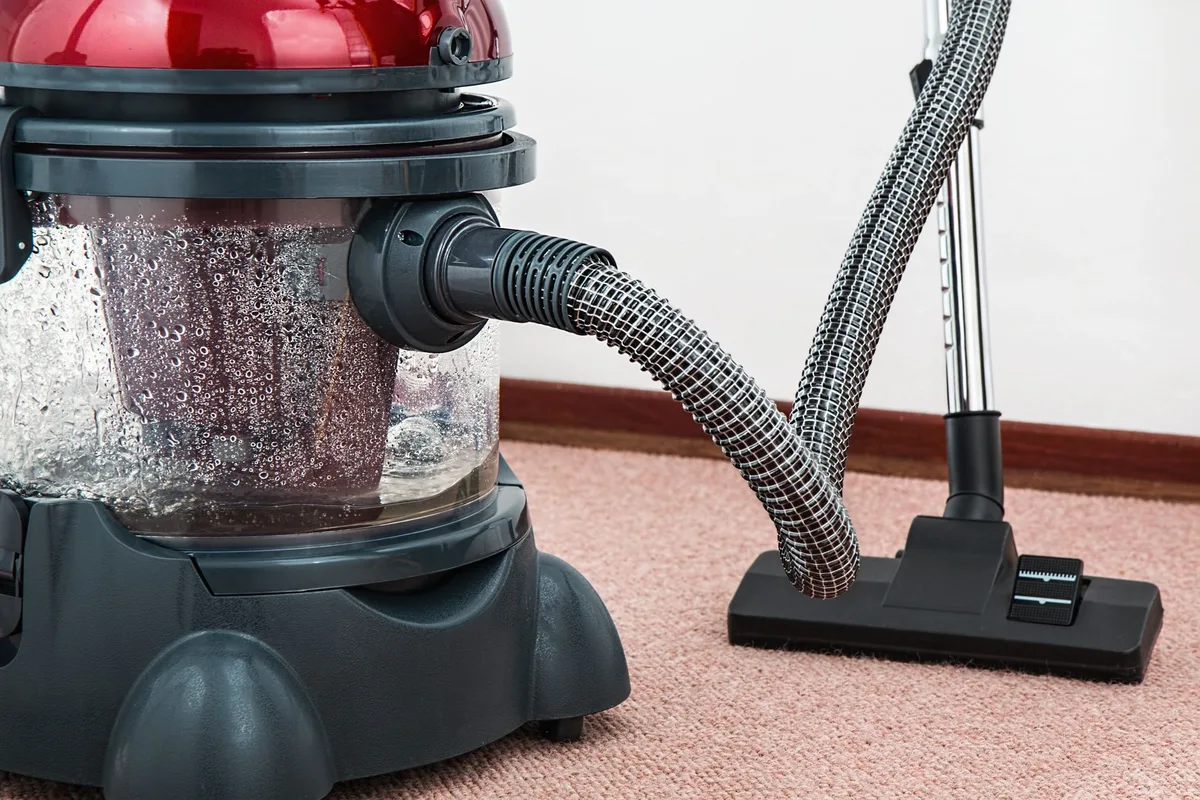
Spotting the right part on your vacuum can be straightforward once you know what to look for. The main unit is usually the largest component, a boxy or cylindrical shape that houses the motor and dust collection system. Attached to this, or sometimes integrated, you'll find the hose. This flexible tube leads to a wand, which is the straight, rigid piece.
At the end of the wand or hose assembly is the cleaning head, the part that glides across your floor. This is where you'll typically see the brush roll spinning if it's a carpet-focused vacuum. You’ll also notice the suction opening. If you're using an attachment, that tool itself will be at the end, such as the slender crevice tool or the flatter upholstery tool.
Filters are usually accessible via a panel on the main unit or near the exhaust port.
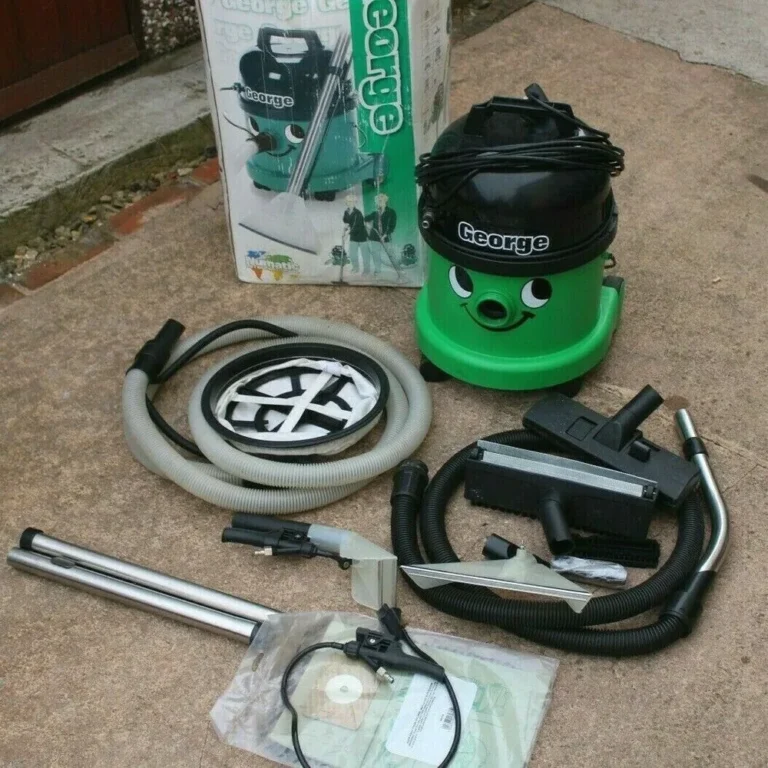
What's the big boxy part? That's the Main Unit.
This houses the motor, fan, and your vacuum's dust collector (bag or bin).
Where does the dirt go after it's sucked up? Into the Dustbin or Dust Bag.
Bagless models have a clear or opaque container, while bagged ones use disposable sacks.
What's the long, floppy tube? It's the Hose.
This flexible connector gives you maneuverability.
What's the straight, hard pipe? That's the Wand.
It extends your reach, often attaching to the hose.
What's the part that cleans the floor? The Cleaner Head.
This is where the suction hits the floor, and it often has a brush.
Common Mistakes When Identifying Vacuum Parts
One of the most frequent mix-ups happens with the hose and the wand. People sometimes refer to the entire assembly of flexible tube and rigid pipe as "the hose," but they are distinct parts with different functions. The hose provides flexibility, while the wand offers rigidity and extension. Another common error is not recognizing the different types of filters.
You might see a filter, assume it's the main one, and forget about the pre-motor filter that also needs attention, or overlook the importance of a HEPA-rated filter for air quality.
You might also see a rotating brush on the cleaner head and not realize why it's there. It’s not just decorative; it's a functional brush roll designed for agitation. Furthermore, confusing the primary floor cleaning head with specialized attachments like the upholstery tool or crevice tool can lead to using the wrong accessory for the job. This misuse won't clean effectively and might even damage surfaces.
Mistake: Calling the whole wand-and-hose assembly just "the hose."
Reality: The flexible tube is the hose; the rigid pipe is the wand.
Mistake: Forgetting about Pre-Motor Filters.
Reality: Many vacuums have multiple filters; the pre-motor one protects the motor and needs cleaning too.
Mistake: Dismissing the Brush Roll as just a brush.
Reality: This component actively agitates carpets to lift embedded dirt, crucial for deep cleaning.
Mistake: Using the wrong attachment for the surface.
Reality: The crevice tool is for tight spots; the upholstery tool is for fabric; using them on floors isn't ideal.
Where to Find Specific Part Names for Your Model
Every vacuum cleaner, though similar in basic function, has its unique set of parts and identifiers. To get the precise names and diagrams for your specific vacuum, your best bet is to consult the manufacturer's documentation. This typically includes an owner's manual or a parts list, often available on the brand's official website. For example, if you own a Dyson, Bissell, or Shark model, searching their support sections for your vacuum's model number will usually bring up detailed diagrams.
If you've lost the original manual, a quick online search using your vacuum's exact model number (usually found on a sticker on the underside or back of the unit) combined with terms like "parts diagram" or "manual" is incredibly effective. Many manufacturers provide downloadable PDFs of their manuals, which often include exploded views of the vacuum cleaner, clearly labeling every component. This is invaluable if you need to order a replacement part, as using the correct part name or number ensures compatibility and prevents ordering the wrong item. As of 2026, most major appliance manufacturers maintain extensive online databases for this purpose.