What Solution To Use In Ultrasonic Cleaner: Best Guide
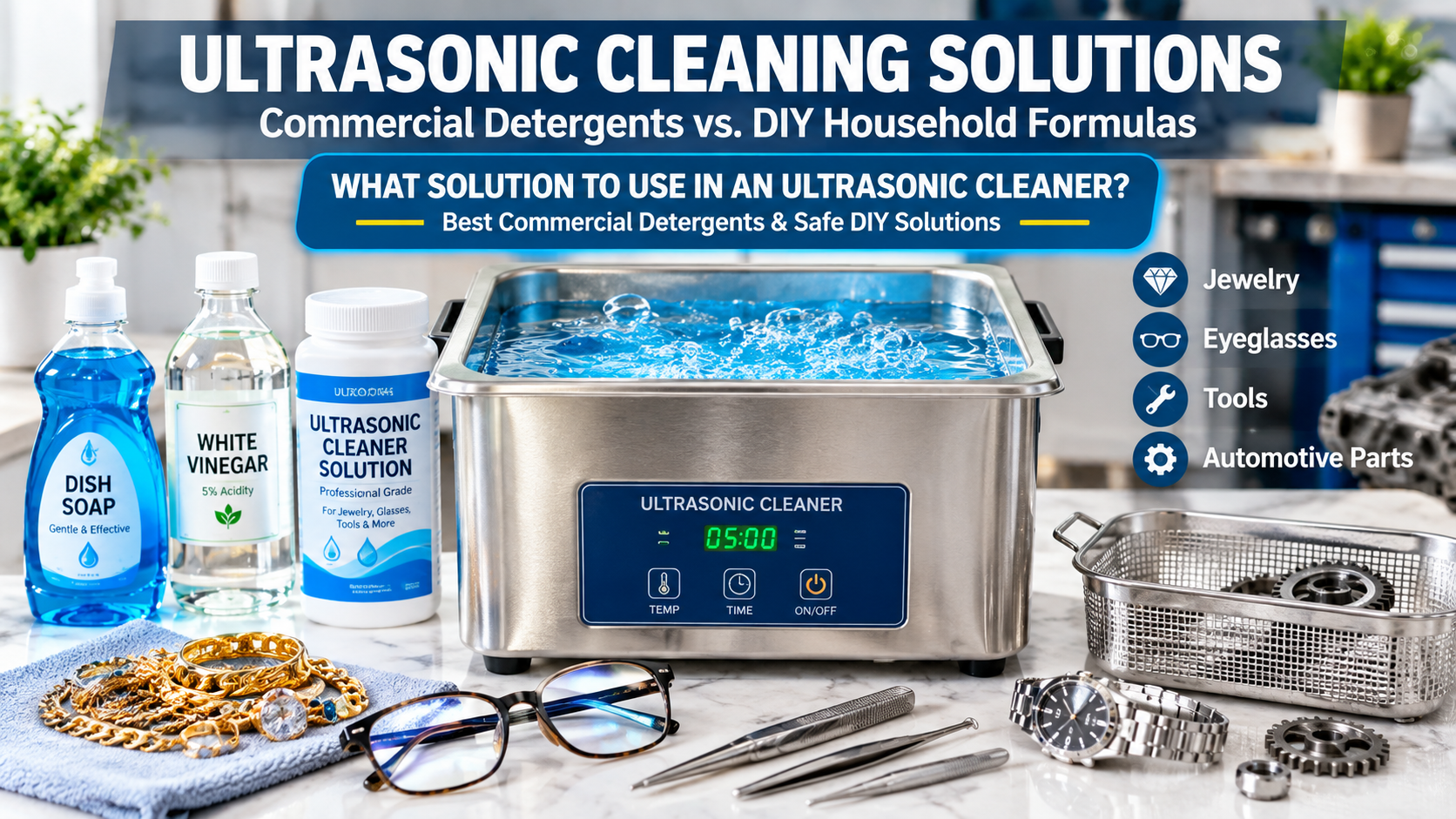
The best solution for an ultrasonic cleaner is a specialized ultrasonic cleaning detergent, though simple dish soap often works for basic household items. Using the right liquid helps cavitation bubbles lift dirt, grease, and grime from tiny crevices without damaging delicate surfaces.
If you have ever stared at a cloudy glass, a grimy piece of jewelry, or a rusted tool and wondered how to bring it back to life, you have probably thought about using an ultrasonic cleaner. These small tanks use high-frequency sound waves to create microscopic bubbles that scrub surfaces at a level no brush or cloth can reach. But here is the thing: the magic is not just in the machine. The liquid you pour inside matters just as much. After spending years tinkering with old watches, restoring car parts, and cleaning eyeglasses for friends and family, I have learned that choosing the wrong solution can ruin a perfectly good cleaning cycle. In this guide, I will walk you through the different solutions you can use, what works best for various items, and how to avoid common mistakes that could cost you money or damage your valuables.

Understanding How Ultrasonic Cleaners Work
Before we dive into solutions, it helps to understand what is happening inside the tank. An ultrasonic cleaner sends sound waves through the liquid at frequencies typically between 20 kHz and 400 kHz. These waves create tiny vacuum bubbles in a process called cavitation. When those bubbles collapse, they release small bursts of energy that knock loose dirt, oil, and contaminants from the surface of whatever you place inside.
The liquid you use acts as the transmission medium for these sound waves. Water alone can do a decent job, but adding a cleaning agent dramatically boosts the cavitation effect. Think of it like this: water is the road, but the cleaning solution is the engine that actually moves the dirt. Without the right detergent, you are essentially just vibrating grime around instead of lifting it away.
The temperature of the solution also plays a role. Most ultrasonic cleaners perform best between 100°F and 140°F. Warmer liquids reduce the surface tension, which allows cavitation bubbles to form more easily and penetrate deeper into small gaps.
Why Plain Water Is Rarely Enough
You might be tempted to just fill your cleaner with tap water and call it a day. While water will technically work, it is not ideal for most cleaning tasks. Here is why:
- Water has high surface tension, which limits how well cavitation bubbles can form and collapse
- It does not contain surfactants, so oils and grease simply float around instead of being lifted away
- Mineral deposits in hard water can leave spots or even damage sensitive items
- Water alone cannot break down protein-based contaminants like blood, sweat, or food residue
In a pinch, water will handle light dust on sturdy items, but if you want professional-level results, you need a proper cleaning solution.
The Best Commercial Ultrasonic Cleaning Solutions
Specialty ultrasonic detergents are formulated to work with the cavitation process. Most contain a blend of surfactants, chelating agents, and mild alkaline or acidic compounds. Here are the main types you will encounter:
Alkaline Cleaners
These are the most common and work well on metals, glass, and ceramics. They are great for cutting through grease, oil, and machining fluids. If you are cleaning engine parts, tools, or stainless steel, an alkaline solution is usually your safest bet.
Acidic Cleaners
Acidic solutions target rust, tarnish, and mineral scale. They are often used for restoring old hardware, removing oxidation from copper or brass, and cleaning heavily tarnished silver. Be careful with delicate items, though, since acid can etch certain metals if left too long.
Neutral Cleaners
Neutral pH solutions are gentle and safe for a wide variety of materials. They are often the go-to choice for jewelry, eyeglasses, and electronics. If you are cleaning items with mixed materials like gold-plated jewelry or coated lenses, a neutral solution is the safest option.
Enzyme-Based Cleaners
These are designed for organic contaminants like blood, saliva, and biological residues. Dental and medical offices frequently use them to clean instruments. They also work well for cleaning grooming tools like razors and clippers.

DIY and Household Solutions That Actually Work
You do not always need to buy a specialty product. Over the years, I have tested plenty of household liquids in my own ultrasonic cleaner, and some work surprisingly well for basic tasks.
Dish Soap
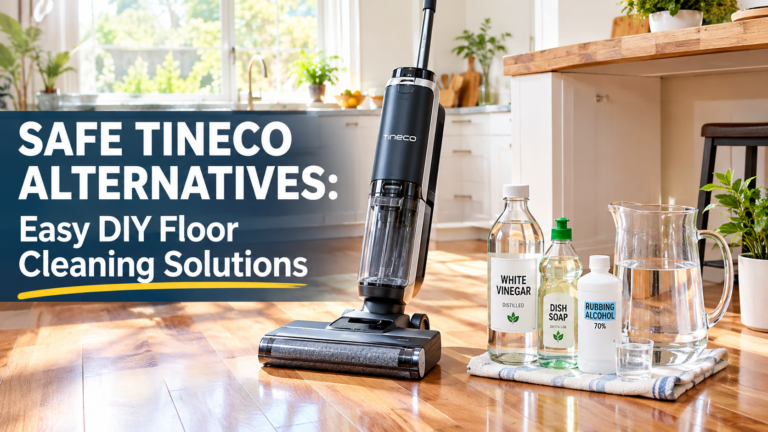
A few drops of standard liquid dish soap mixed with warm water is one of the easiest homemade solutions. It works great for eyeglasses, jewelry, and kitchen utensils. Just make sure the soap is free of harsh additives like bleach or strong degreasers that could damage sensitive surfaces.
Ammonia and Water
Mixing a small amount of household ammonia with water creates an effective solution for glass and hard plastics. It cuts through grease and leaves a streak-free finish. However, never mix ammonia with bleach, and avoid using it on copper, brass, or aluminum since it can cause discoloration.
Vinegar and Water
White vinegar is mildly acidic and works wonders on mineral deposits and light tarnish. It is safe for most metals and glass, though it is not strong enough for heavy-duty rust. I have used it many times to clean old coins and pocket watches with great results.
Isopropyl Alcohol
For electronics, circuit boards, and certain plastics, a mixture of isopropyl alcohol and distilled water can be very effective. It evaporates quickly and does not leave residue. Just keep in mind that alcohol is flammable, so never run your ultrasonic cleaner with the heater on when using it.
Baking Soda Paste
While not a liquid solution, adding a small amount of baking soda to water can boost cleaning power for certain metals. It is mildly abrasive and alkaline, making it useful for polishing and deodorizing items like retainers or mouthguards.
Matching the Solution to the Item You Are Cleaning
Different materials react differently to various chemicals. Using the wrong solution can lead to discoloration, pitting, or even complete destruction of an item. Here is a quick guide based on my own experience:
- Jewelry: Use a mild jewelry cleaner or neutral detergent for gold, silver, and gemstones. Avoid ammonia on pearls or opals.
- Eyeglasses: Dish soap or specialized lens cleaner works best. Skip anything with acetone or alcohol if your lenses have anti-reflective coatings.
- Tools and metal parts: Alkaline solutions are ideal for cutting through grease. For rust, use an acidic rust-removing solution.
- Dental and grooming tools: Enzyme-based cleaners are best for hygiene and organic residue.
- Electronics and circuit boards: Use isopropyl alcohol and distilled water to avoid short circuits and mineral deposits.
- Coins and collectibles: Distilled water with a tiny bit of dish soap is safest. Avoid acidic solutions on valuable or antique coins since they can reduce their numismatic value.
- Automotive parts: Heavy-duty alkaline degreasers work well for carburetors, fuel injectors, and engine components.

Common Mistakes to Avoid When Choosing a Solution
I have seen plenty of people damage their items or their machines by making simple mistakes. Here are a few you should watch out for:
- Using bleach or chlorine-based cleaners in metal tanks: These can corrode stainless steel over time.
- Overloading the tank with too much detergent: Excess foam can interfere with cavitation and even damage the transducer.
- Mixing different chemicals: Some combinations create toxic fumes or dangerous reactions.
- Using the same solution for too long: Dirty liquid loses effectiveness and can redeposit grime onto your items.
- Ignoring temperature settings: Some solutions work better at specific temperatures, so check the label before you start.
- Skipping distilled water: Tap water contains minerals that can leave spots or interfere with cleaning performance, especially for electronics and jewelry.
How to Maintain Your Cleaning Solution
A good rule of thumb is to replace the solution whenever it becomes visibly dirty or after every few cleaning cycles. For medical or dental tools, you should change it after each use to avoid cross-contamination. For hobbyist cleaning, you can usually get away with using the same batch for a week or so, depending on how dirty your items are.
Always empty the tank, rinse it out, and wipe it dry when not in use. This prevents bacterial growth and keeps the transducer in good shape. If you notice a strong odor or foam that does not settle, it is time for a fresh batch.
Tips From My Own Cleaning Bench
After cleaning everything from vintage watch movements to carburetor parts, I have picked up a few tricks worth sharing:
- Always pre-rinse heavily soiled items before placing them in the tank. This prevents large particles from contaminating the solution.
- Do not overcrowd the basket. Items should not touch each other or the tank walls.
- Run a blank cycle with just the solution before cleaning delicate items. This degasses the liquid and boosts cavitation efficiency.
- For really stubborn grime, let the item soak in the solution for a minute or two before turning the machine on.
- Label your baskets or containers if you clean different materials. Mixing metals in the same solution can lead to galvanic corrosion.

When to Skip the Ultrasonic Cleaner Entirely
Ultrasonic cleaning is powerful, but it is not for everything. Some items should never go into an ultrasonic cleaner:
- Pearls, opals, and other soft gemstones
- Watch crystals made of plastic or mineral glass with cracks
- Certain types of glued jewelry, since ultrasonic waves can weaken adhesives
- Items with wood, leather, or fabric components
- Electronic devices that are not specifically rated for water exposure
If you are unsure, test the item in a less visible area or consult the manufacturer's care guide before cleaning.
Frequently Asked Questions
Can I use regular dish soap in an ultrasonic cleaner?
Yes, a small amount of regular dish soap mixed with warm water works well for many cleaning tasks. It is safe for glass, most metals, and many plastics. Just avoid soaps with bleach, moisturizers, or strong degreasers.
Is it safe to use vinegar in an ultrasonic cleaner?
White vinegar is safe for most metals and glass, and it works great for removing mineral deposits and light tarnish. However, it should not be used on aluminum, copper, or brass for extended periods, as it can cause discoloration.
What solution do jewelers use in ultrasonic cleaners?
Most jewelers use a specialized neutral pH jewelry cleaning solution. These are formulated to safely clean gold, silver, platinum, and hard gemstones without damaging delicate settings or finishes.
How often should I change the solution in my ultrasonic cleaner?
For hobby or general use, change the solution every few cycles or when it looks visibly dirty. For professional or medical use, change it after every cleaning session to prevent contamination.
Can I use bleach in an ultrasonic cleaner?
Bleach is not recommended for ultrasonic cleaners. It can corrode stainless steel tanks, damage certain metals, and produce harmful fumes when mixed with other chemicals.
What is the best solution for cleaning carburetors?
A strong alkaline degreaser works best for carburetors and engine parts. These solutions break down grease, oil, and carbon deposits effectively without harming aluminum or steel components.
Can I clean electronics in an ultrasonic cleaner?
Only if the electronics are rated as waterproof and the solution is isopropyl alcohol or a specialized electronics cleaner. Most circuit boards and electronic components should not be submerged in water-based solutions.
Final Thoughts
Choosing the right solution for your ultrasonic cleaner does not have to be complicated. Start by identifying what you are cleaning, match the solution to the material, and follow the manufacturer's guidelines. For most household tasks, a few drops of dish soap in warm water will do the trick. For tougher jobs like rust, grease, or tarnish, invest in a quality commercial cleaner designed for ultrasonic use.
Once you find the right formula for your needs, you will be amazed at how much time and effort you save. There is something deeply satisfying about pulling a piece out of the tank and seeing it shine like new. If you have questions about a specific item or cleaning challenge, feel free to share in the comments below. I am always happy to help fellow cleaning enthusiasts get the most out of their machines.