What Is A Good Wood Cleaner For Furniture: Top Guide
A good wood cleaner for furniture is a gentle, pH-balanced formula like Murphy's Oil Soap or Howard Feed-N-Wax that cleans without stripping its natural oils.
If you've ever stared at a water ring on your grandmother's dining table or felt that pang of guilt watching your coffee table collect dust, you already know how tricky wood care can be. I've been there too, scrubbing too hard, using the wrong spray, and learning the hard way that not all wood is created equal. Over the years, I've tested dozens of products on everything from antique oak to modern teak, and I'm excited to share what really works. Think of this guide as a friendly chat over a cup of coffee, where I walk you through the best wood cleaners, how to use them, and the mistakes to avoid so your furniture stays beautiful for decades.
Understanding Wood Furniture and Why Cleaning Is Different
Wood furniture isn't just functional; it's an investment that carries memories, stories, and warmth. But unlike glass or metal, wood is a living material that reacts to moisture, heat, and chemicals. Understanding this is the first step in choosing the right wood cleaner for furniture.
What Makes Wood Unique
Wood has a porous grain structure that absorbs and releases moisture based on the environment. When you apply a cleaner, it either nourishes that grain or damages it. Think of wood like skin; it needs gentle care, not harsh chemicals.
The Finish Matters More Than the Wood
The finish on your furniture, whether it's polyurethane, lacquer, shellac, wax, or oil, is what actually meets the cleaner. A good wood cleaner for furniture respects that finish while removing grime, dust, and oils from daily use.
Why Generic Cleaners Can Ruin Furniture
Most all-purpose cleaners contain ammonia, bleach, or silicone, which can cloud finishes, dry out wood, and leave residue that attracts more dust. I've seen beautiful heirlooms destroyed by a single spray of the wrong product.
What to Look for in a Good Wood Cleaner for Furniture
Choosing the right cleaner isn't about brand loyalty; it's about ingredients, purpose, and compatibility. Here's what I always check before recommending or using any wood cleaner.
Gentle, pH-Balanced Formulas
A truly good wood cleaner for furniture should be close to neutral on the pH scale. Acidic or alkaline products can etch finishes over time. Look for terms like "pH-balanced," "gentle," or "wood-safe" on the bottle.
Natural Oils and Conditioners
The best wood cleaners don't just clean; they condition. Ingredients like orange oil, lemon oil, beeswax, and mineral oil help replenish the wood's natural moisture while leaving a soft, protective glow.
No Harsh Chemicals or Residue
Avoid anything with silicone, ammonia, acetone, or bleach. These might make furniture look shiny for a day, but they build up and eventually cause dullness or discoloration.
Ease of Use
A good wood cleaner for furniture should fit into your routine, not complicate it. Whether it's a spray, a wipe, or a concentrate, it should be simple to apply and buff without leaving streaks.
Top Recommended Wood Cleaners for Furniture
After years of trial and error, these are the products I trust most. Each one has a specific strength, so I'll explain when and why I'd reach for it.
Murphy's Oil Soap
A classic for a reason. Murphy's Oil Soap is a plant-based cleaner that's been around since 1905. It cuts through grease and grime without stripping natural oils. I use it on finished wood tables, chairs, and cabinets about once a month. Just dilute a small amount in warm water, wipe with a soft cloth, and dry immediately.
Howard Feed-N-Wax
This is my go-to for wood that looks dry or dull. Feed-N-Wax combines orange oil and beeswax to clean and condition in one step. It's especially great for antique furniture or pieces with a wax topcoat. I apply it with a soft rag, let it sit for a few minutes, then buff to a warm sheen.
Method Daily Wood Cleaner
If you want something convenient and non-toxic, Method's wood cleaner is a solid choice. It comes in a spray bottle, smells pleasant, and uses plant-based ingredients. I keep one under the kitchen sink for quick wipe-downs on laminated or sealed wood surfaces.
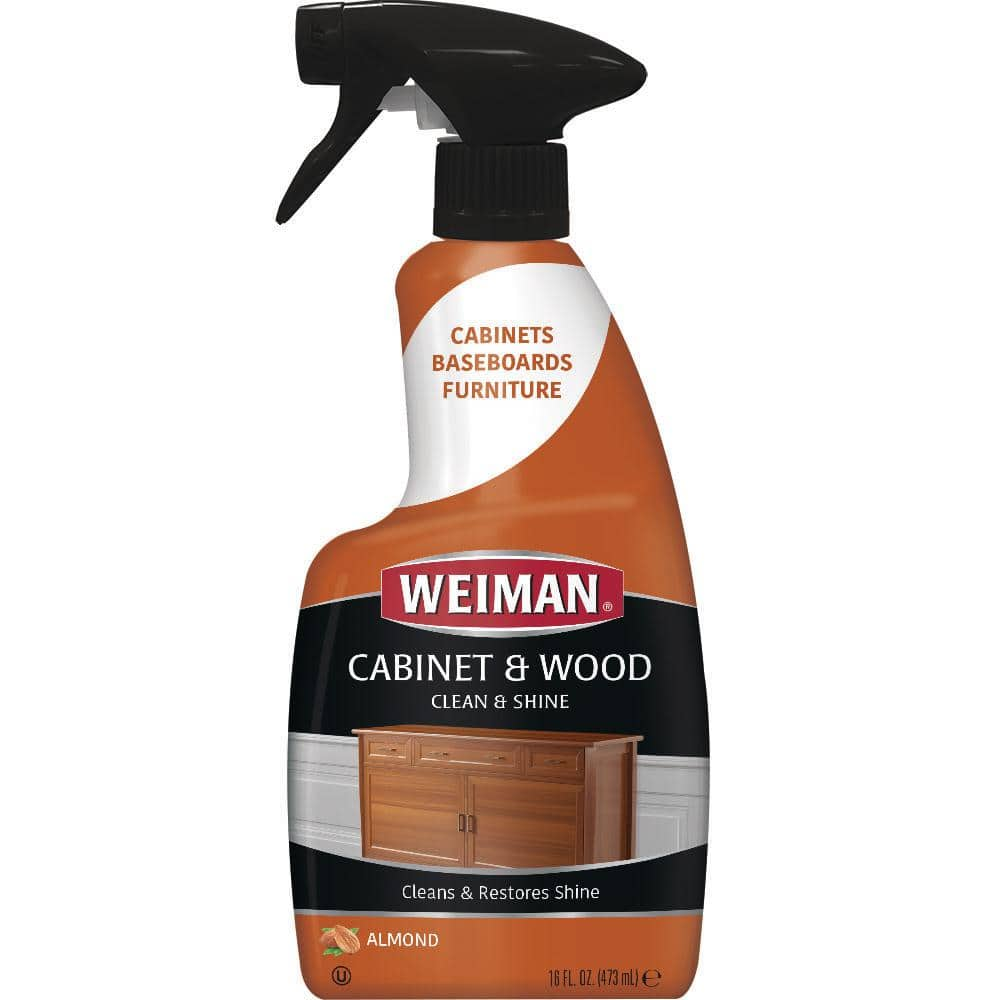
Weiman Furniture Cleaner & Polish
For high-traffic pieces like TV stands or coffee tables, Weiman does a great job of cleaning and polishing in one step. It's gentle enough for daily use and leaves a protective layer that resists fingerprints. I find it works best on modern, sealed wood furniture.
DIY Wood Cleaner
Sometimes the best wood cleaner for furniture is sitting in your pantry. Mix one part olive oil with one part white vinegar, apply with a soft cloth, then buff dry. It sounds simple, and it is, but it works wonders on finished wood. Just don't use it on unfinished or waxed wood without testing first.
How to Clean Wood Furniture the Right Way
Even the best wood cleaner for furniture won't help if you use it incorrectly. Here's the step-by-step process I've refined over years of caring for everything from flea market finds to family heirlooms.
Step 1: Dust First
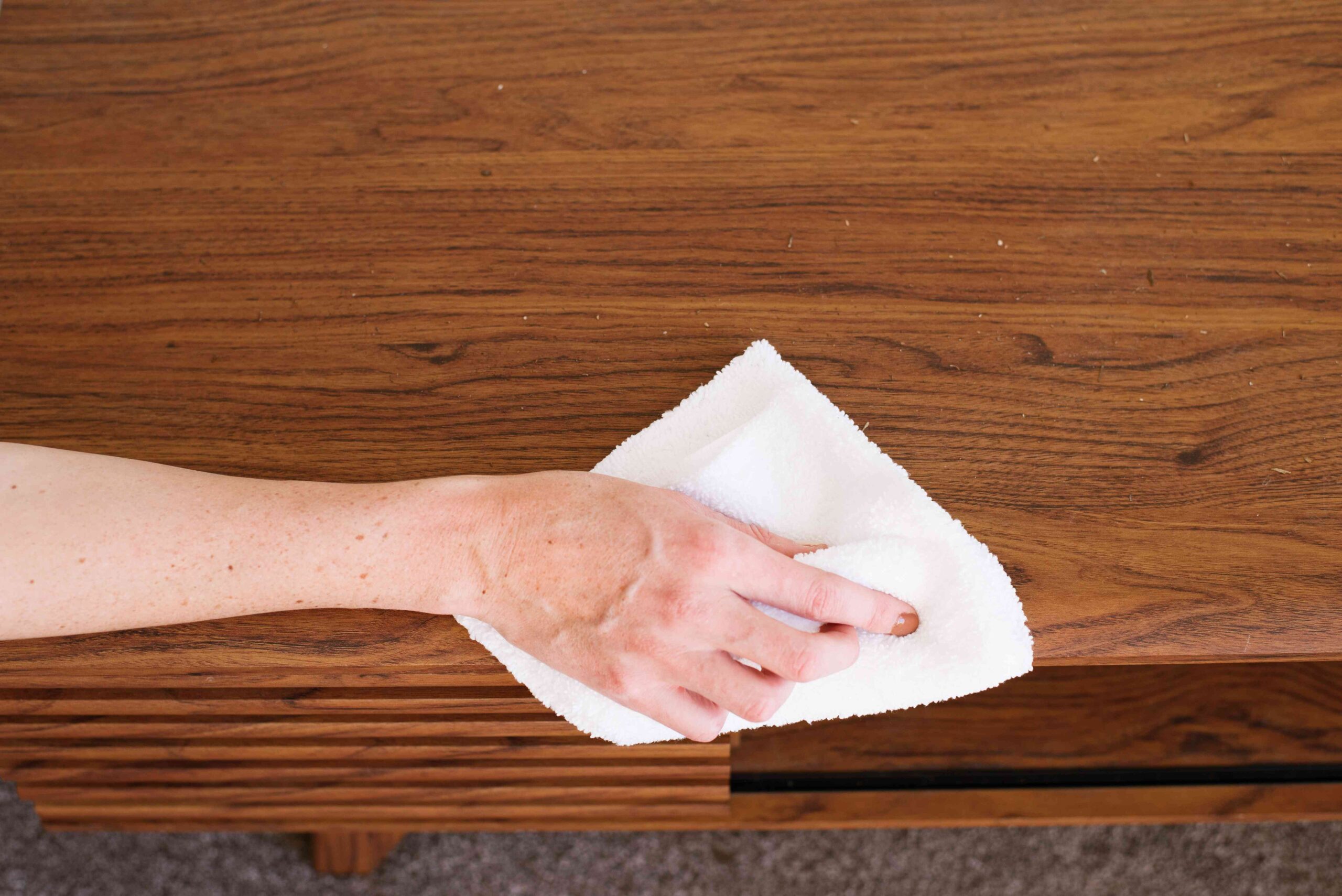
Always start with a soft, dry microfiber cloth. Dust acts like sandpaper when you rub it into the finish, so removing it first prevents scratches.
Step 2: Test in a Hidden Spot
Before applying any cleaner, test it on the back of a leg or underneath the piece. Wait a few minutes to make sure it doesn't discolor or cloud the finish.
Step 3: Apply the Cleaner Sparingly
Less is more. Dampen your cloth, don't soak it. Excess moisture is wood's worst enemy. Wipe in the direction of the grain to avoid streaks.
Step 4: Dry Immediately
Use a clean, dry cloth to wipe away any remaining moisture. Standing water can leave white rings or warp the wood over time.
Step 5: Polish or Condition if Needed
If the wood looks dry, follow up with a wood conditioner or polish. This step isn't necessary every time, but once every few months it keeps the finish supple.

Common Mistakes to Avoid with Wood Cleaners
I've made some of these mistakes myself, and trust me, they're easy to prevent once you know what to watch for.
Using Too Much Water
Water and wood are not friends. Even a damp cloth can cause swelling or water rings if left sitting. Always wring out your cloth thoroughly.
Spraying Cleaner Directly onto Furniture
This is a habit I had to break. Spraying directly can lead to oversaturation and drips that pool in crevices. Always spray onto the cloth first.
Skipping the Dusting Step
Cleaning over dust creates a gritty paste that scratches the finish. It takes an extra minute but saves you from permanent swirl marks.
Using Oil on Unfinished Wood
Oil can darken unfinished wood unevenly. If your piece is bare or has a wax finish, stick to a dry cloth or a specialty wax cleaner.
Ignoring the Manufacturer's Instructions
Some modern furniture comes with specific care guidelines. If you still have the paperwork, check it. Manufacturers often recommend specific products or methods.
Different Types of Wood Finishes and How to Clean Them
Not all wood finishes respond to the same wood cleaner for furniture. Knowing your finish helps you choose wisely.
Polyurethane and Lacquer Finishes
These are durable, sealed finishes found on most modern furniture. A gentle spray cleaner like Method or Weiman works perfectly here.
Oil and Wax Finishes
These are common on antique or high-end furniture. They need nourishing products like Howard Feed-N-Wax or a mild oil soap.
Shellac Finishes
Shellac is delicate and dissolves with alcohol or ammonia. Stick to a dry cloth or a cleaner specifically labeled safe for shellac.
Painted or Laminate Wood
These can handle a wider variety of cleaners, but avoid abrasives that can dull the paint or scratch the laminate.

How Often Should You Clean Wood Furniture?
The frequency depends on use and placement, but here's a simple rule of thumb I follow.
Weekly Dusting
A quick dusting with a microfiber cloth keeps everyday buildup at bay.
Monthly Cleaning
Once a month, use a proper wood cleaner for furniture to remove oils, smudges, and light grime.
Conditioning Every 3-6 Months
If your furniture looks dry or dull, it's time for a conditioning treatment with an oil or wax-based product.
Immediate Spot Cleaning
Spills happen. Wipe them up right away with a dry or slightly damp cloth to prevent damage.
Natural and Eco-Friendly Wood Cleaning Options
If you're concerned about chemicals or have kids and pets at home, these natural options are worth considering.
Olive Oil and Vinegar
As mentioned earlier, this DIY blend is effective and safe. The vinegar cuts grease, while the oil conditions the wood.
Castile Soap
A few drops of liquid castile soap in warm water make a gentle cleaner for sealed wood. Just be sure to dry thoroughly.
Beeswax Polish
Beeswax-based polishes are non-toxic and add a protective layer. They smell amazing and are safe around food surfaces.
Tea Bags
Brewed black tea can add shine to dark wood. Dip a cloth in cooled tea, wring it out, and buff. The tannins enrich the color.
When to Call a Professional
Sometimes a piece is too valuable or too damaged for DIY cleaning. Here's when I recommend calling in an expert.
Deep Water Rings or Stains
If a stain has set into the finish, a professional refinisher may be able to sand and restore it.
Cracking or Warping
Environmental damage like cracks or warping needs more than a cleaner. A furniture restorer can repair the structure.
Antique or Sentimental Pieces
If the piece has high monetary or emotional value, don't risk it. A professional will know how to handle delicate finishes and historic woods.
Storage and Long-Term Care Tips
Cleaning is only part of the equation. How you store and maintain your furniture matters just as much.
Control Humidity
Wood expands and contracts with humidity. Aim for 40-60% relative humidity in your home to prevent cracking.
Avoid Direct Sunlight
UV rays fade and dry out wood. Use curtains or blinds to protect your furniture from prolonged sun exposure.
Use Coasters and Pads
Trivets, coasters, and felt pads prevent heat damage and scratches from daily use.
Rotate Pieces
If possible, rotate accessories or move furniture slightly to ensure even wear and light exposure.

Choosing the Right Wood Cleaner for Your Specific Furniture
With so many options out there, it helps to match the cleaner to the piece. Here's a quick guide based on what I typically recommend to friends and clients.
For Kitchen Tables
Use a gentle, food-safe cleaner like Murphy's Oil Soap or a diluted vinegar solution. Avoid polishes with silicone near eating areas.
For Antique Dressers
Reach for Howard Feed-N-Wax or a beeswax conditioner. These nourish old wood and preserve the patina.
For Modern Living Room Sets
A convenient spray like Method or Weiman is perfect for quick cleanups on sealed finishes.
For Unfinished or Raw Wood
Stick to a dry cloth or a specialty cleaner designed for unfinished surfaces. Avoid oils and waxes that can cause uneven darkening.
For Outdoor Furniture
Teak or eucalyptus outdoor furniture needs a different cleaner, often a teak-specific product or a mild bleach solution for mildew.
Myths About Wood Cleaners You Should Ignore
There are a lot of old wives' tales out there. Let me debunk a few I've heard over the years.
Myth: More Shine Means Better Protection
A high gloss doesn't always mean more protection. Some polishes just leave a silicone film that attracts dust.
Myth: You Should Clean Wood Every Day
Daily cleaning isn't necessary and can actually wear down finishes faster. Stick to dusting and occasional deeper cleans.
Myth: All Natural Products Are Safe
Just because something is natural doesn't mean it's safe for wood. Lemon oil, for example, can be too acidic for some finishes.
Myth: Vinegar Works on Everything
While vinegar is great for many things, it's acidic and can damage delicate finishes if used too often or undiluted.
My Personal Wood Care Routine
I thought I'd share what actually works in my home, because real routines beat perfect theories every time.
Weekly
I do a quick dusting with a microfiber cloth on all my wood surfaces. It takes about five minutes and keeps everything looking fresh.
Monthly
I clean my kitchen table and coffee table with Murphy's Oil Soap diluted in warm water. I always dry them right after to prevent water marks.
Quarterly
I condition my antique sideboard with Howard Feed-N-Wax. The wood drinks it up and looks alive again.
As Needed
If something spills, I wipe it immediately. If a piece looks dull, I give it a quick polish. I don't overthink it, and I don't over-clean.
Final Thoughts on Finding a Good Wood Cleaner for Furniture
A good wood cleaner for furniture is one that cleans gently, conditions the wood, and respects the finish. Whether you choose a trusted brand like Murphy's Oil Soap, a nourishing product like Howard Feed-N-Wax, or a simple DIY blend, the key is consistency and care. Remember, the best cleaner is the one you'll actually use regularly. Take a few minutes each week to dust, a little longer each month to clean, and your furniture will reward you with decades of beauty and function. Trust me, after years of caring for wood, I've learned that a little love goes a long way.
Frequently Asked Questions
Can I use Murphy's Oil Soap on all wood furniture?
Murphy's Oil Soap is safe for most sealed wood finishes, including polyurethane and lacquer. Avoid using it on unfinished wood or wax finishes without testing first, as it can leave a residue.
How do I remove water rings from wood furniture?
For fresh water rings, try rubbing gently with a soft cloth and a little mayonnaise or olive oil. Let it sit overnight, then buff. For old stains, you may need a professional refinisher.
Is it safe to use vinegar on wood furniture?
Diluted vinegar is safe for sealed wood, but use it sparingly. Always mix it with water or oil, and never apply it directly or undiluted, as the acid can damage finishes over time.
What's the difference between wood cleaner and wood polish?
Wood cleaner removes dirt, oils, and grime. Wood polish adds shine and a protective layer. Some products combine both, but for best results, clean first, then polish if needed.
How do I clean antique wood furniture without damaging it?
Use a gentle, wax-based cleaner like Howard Feed-N-Wax or a beeswax polish. Avoid water-based or silicone products, and always test in a hidden area before full application.
Can I use olive oil as a wood conditioner?
Yes, olive oil can condition and add shine to finished wood. Mix it with vinegar for a cleaning boost, but use it sparingly, as too much oil can leave a sticky residue.