What Cleans Mold Off Wood: Top 7 Safe Solutions
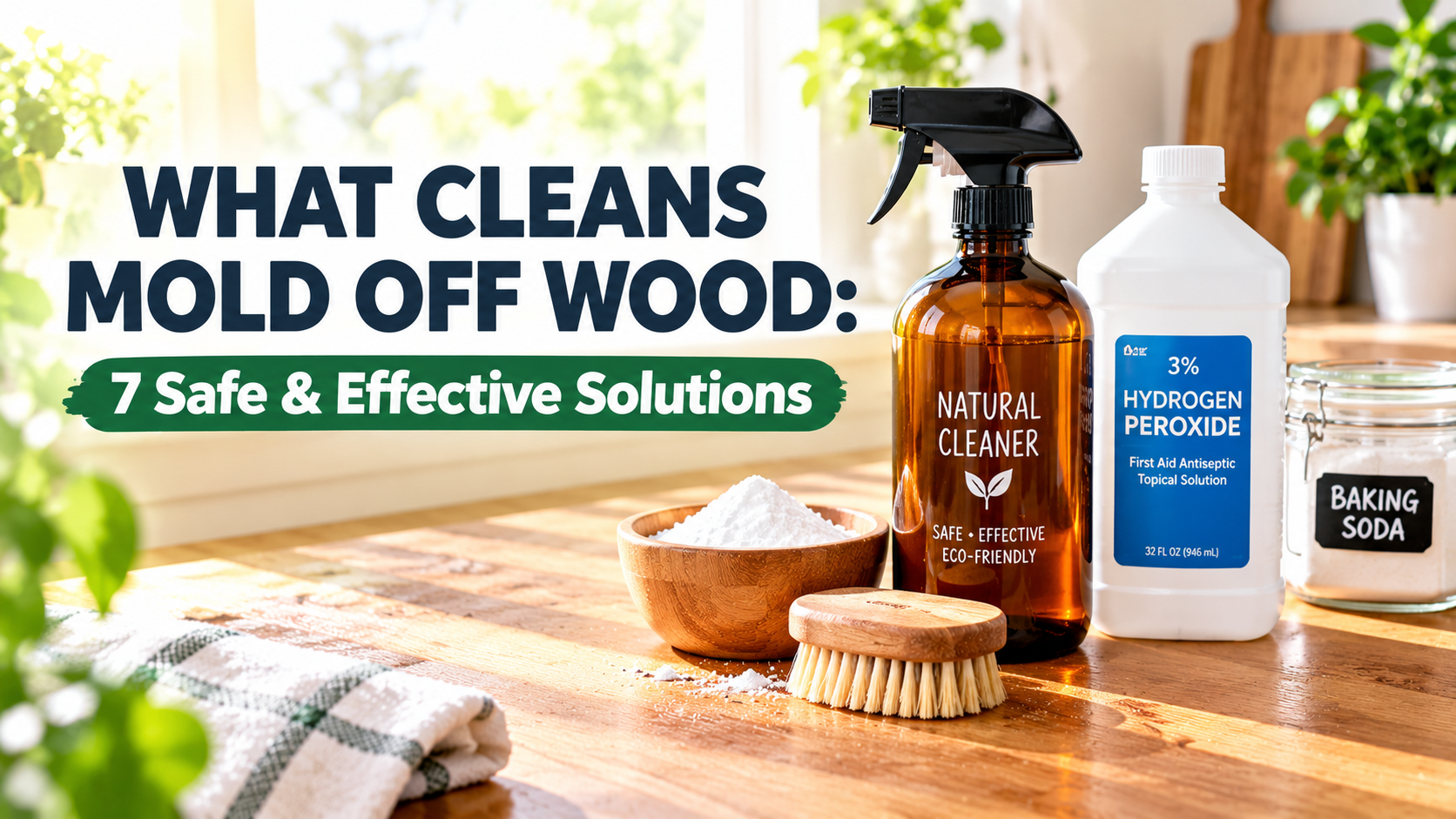
Vinegar, hydrogen peroxide, baking soda, and tea tree oil are the most effective natural cleaners for removing mold from wood surfaces. After testing dozens of solutions over the years on everything from antique furniture to bathroom beams, I can confidently tell you that mold on wood is a stubborn but beatable problem when you use the right approach.
Dealing with mold on wood can feel overwhelming, especially when you spot those fuzzy black or green patches creeping across your beloved furniture or deck. But don't worry. As someone who has restored countless pieces of woodwork and helped homeowners tackle moisture problems, I'm here to walk you through exactly what cleans mold off wood, why those methods work, and how you can prevent it from coming back. This guide is packed with practical tips, real-life lessons, and everything you need to restore your wood surfaces safely and effectively.
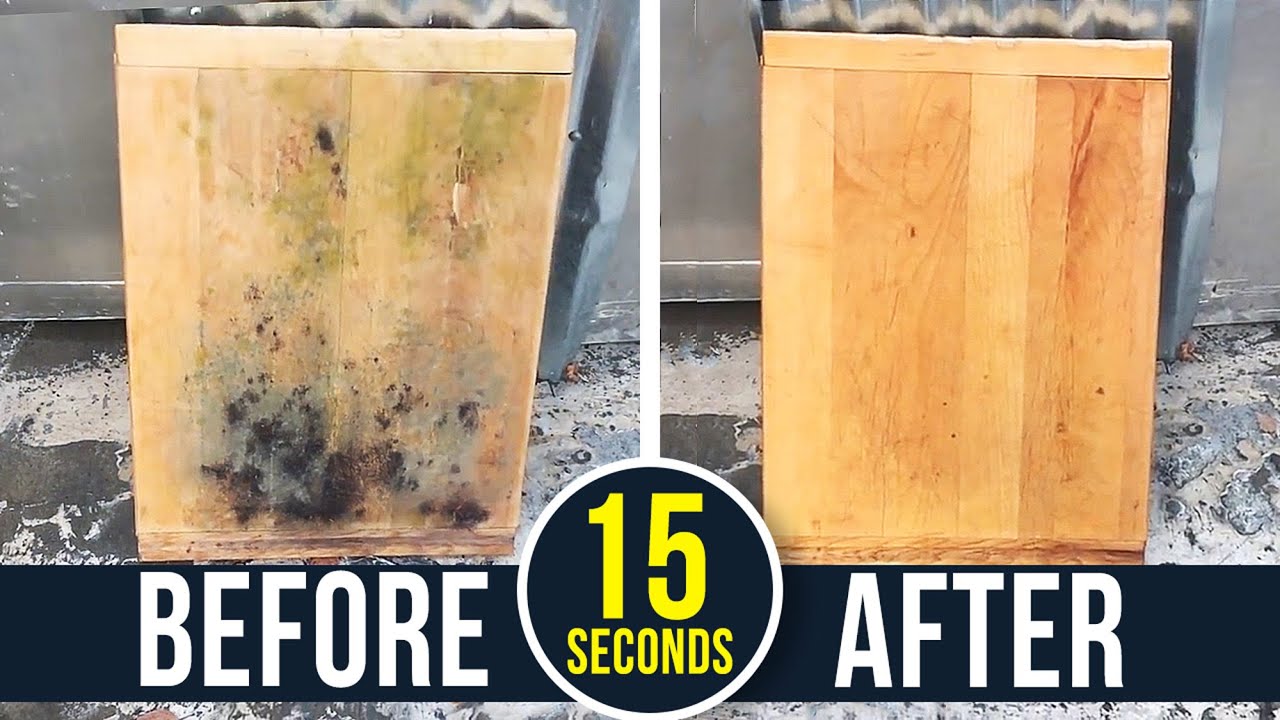
Understanding Mold on Wood: What You're Really Dealing With
Before we dive into cleaning solutions, let's talk about what mold on wood actually is and why it loves setting up camp on your wooden surfaces.
Mold is a type of fungus that thrives in damp, humid, and poorly ventilated environments. When mold spores land on wood that contains moisture or organic material, they begin to grow and spread. The wood acts as a food source because it contains cellulose, which mold absolutely loves.
You can usually identify mold on wood by its appearance. It often shows up as fuzzy white, gray, green, or black patches. Sometimes it leaves a musty smell, even before you can see it. There are also different types of wood mold, including:
- Surface mold that sits on top of the finish
- Penetrating mold that grows into the wood fibers
- Black mold, which can be more stubborn and potentially harmful
From my experience restoring older homes, I've learned that mold on wood is rarely just a surface issue. It's often a symptom of a larger moisture problem. Whether it's a leaky pipe, poor ventilation, or high humidity, addressing the root cause is just as important as cleaning the visible mold.
Why You Need to Clean Mold Off Wood Quickly
I know it might be tempting to ignore a small spot of mold, especially if it's behind a piece of furniture or in a corner you don't often check. But here's why you should act fast.
Mold spreads quickly. In the right conditions, mold colonies can double in size every 24 hours. What starts as a tiny spot can turn into a major infestation in less than a week. Beyond the unsightly appearance, mold can cause serious health issues, including respiratory problems, allergic reactions, and skin irritation. This is especially true for people with asthma or compromised immune systems.
Wood damage is another major concern. Mold feeds on wood, breaking down its structure over time. If left untreated, mold can weaken the integrity of your furniture, flooring, or structural beams. In severe cases, wood can become soft, crumbly, and unsafe.
I remember helping a homeowner who ignored a small mold patch under her kitchen sink for months. By the time she called me, the mold had spread to the cabinets, the subfloor, and even into the wall behind. What could have been a simple cleaning turned into a costly renovation. Trust me, early action saves time, money, and stress.
The Best Cleaners for Removing Mold from Wood
Now let's get to the heart of the question: what cleans mold off wood effectively? Over the years, I've tested nearly every solution out there. Here are the ones that actually work, ranked by effectiveness and safety.
Vinegar: The All-Natural Powerhouse
White distilled vinegar is hands down one of the best natural mold killers. It's acidic enough to kill most mold species but gentle enough not to damage wood finishes.
To use vinegar for mold removal:
- Pour undiluted white vinegar into a spray bottle
- Spray it directly onto the moldy area
- Let it sit for at least one hour
- Scrub the area with a soft brush or cloth
- Wipe clean with a damp cloth and allow it to dry completely
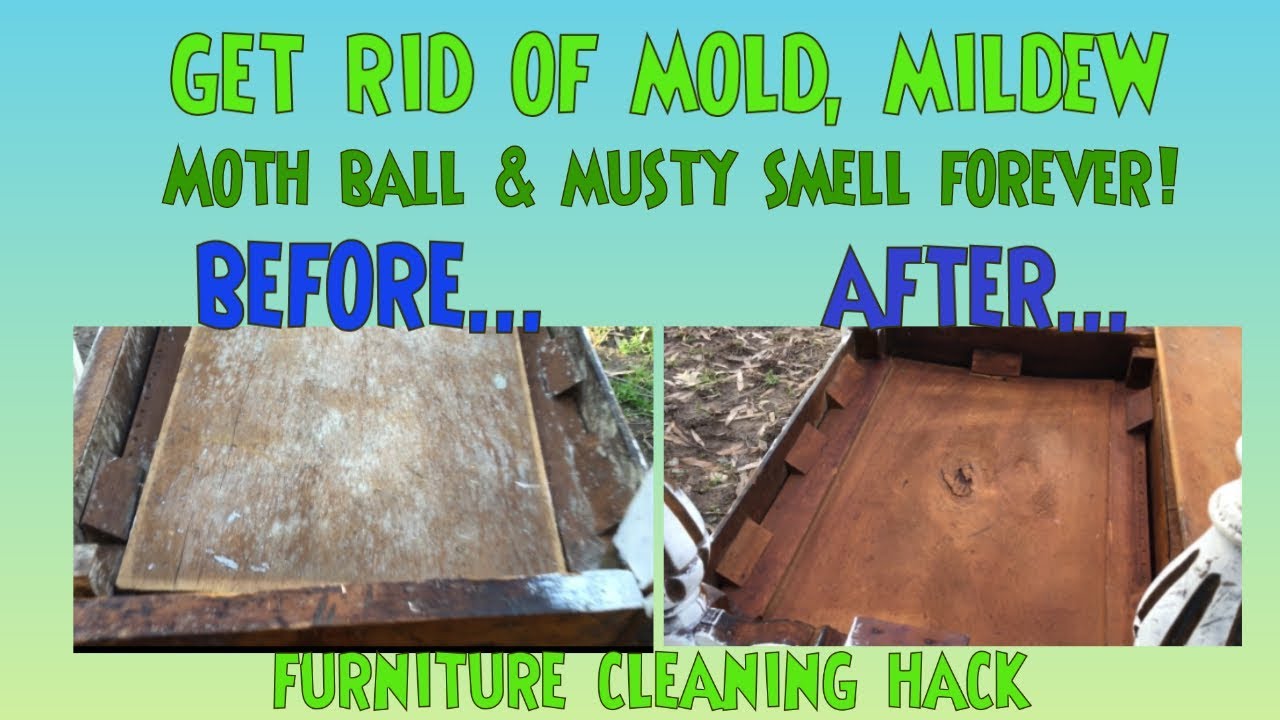
Vinegar works because the acetic acid penetrates the mold and breaks down its cell walls. It also helps neutralize the musty smell that often accompanies mold. I've used vinegar on everything from hardwood floors to antique dressers, and it rarely disappoints.
One tip from personal experience: always test vinegar on a small, hidden area first. While it's generally safe, some wood finishes can react poorly to acids.
Baking Soda: Gentle but Mighty
Baking soda is another fantastic option, especially for lighter mold stains or when you want a gentle approach. It also deodorizes the wood, leaving it smelling fresh.
Here's how to use baking soda for mold:
- Mix two tablespoons of baking soda with one cup of water
- Stir until the baking soda is completely dissolved
- Apply the solution to the moldy area using a spray bottle or cloth
- Scrub gently with a soft brush
- Rinse with a damp cloth and dry thoroughly
For tougher jobs, you can make a paste using baking soda and a small amount of water. Apply the paste directly to the mold, let it sit for 10 to 15 minutes, then scrub and wipe clean.
Baking soda is great because it's non-toxic, safe for pets and children, and unlikely to damage any wood finish. I often recommend it to families with young kids who are dealing with mold in play areas or bedrooms.
Hydrogen Peroxide: The Heavy-Duty Option
When you're dealing with stubborn or deeply set mold, hydrogen peroxide is your best friend. It's a strong antifungal agent that kills mold on contact without the harsh chemicals found in many commercial cleaners.
To use hydrogen peroxide for mold removal:
- Use 3 percent hydrogen peroxide, which is available at any drugstore
- Pour it into a spray bottle
- Spray it directly onto the moldy wood
- Let it sit for 10 to 15 minutes
- Scrub with a brush or cloth
- Wipe clean and allow the wood to dry completely
Hydrogen peroxide works by oxidizing the mold, which effectively kills it and prevents regrowth. It's especially useful for porous woods where mold has penetrated beyond the surface.
I should mention a word of caution here. Hydrogen peroxide can lighten certain finishes or fabrics, so always test it in an inconspicuous area first. Also, avoid mixing it with vinegar, as this creates a potentially harmful chemical reaction.
Tea Tree Oil: The Natural Antifungal
If you prefer an all-natural approach and don't mind the strong scent, tea tree oil is incredibly powerful against mold.
To use tea tree oil for mold removal:
- Mix one teaspoon of tea tree oil with one cup of water
- Pour the mixture into a spray bottle
- Spray it onto the moldy area
- Let it sit for several hours or overnight
- Wipe clean with a dry cloth
Tea tree oil contains natural antifungal compounds that kill mold and prevent it from returning. It also leaves behind a fresh, medicinal scent that dissipates over time.
While tea tree oil is more expensive than other options, a little goes a long way. I keep a bottle in my cleaning supplies and use it for spot treatments whenever I notice early signs of mold.
Commercial Mold Removers: When You Need Extra Strength
Sometimes natural solutions aren't enough, especially for severe mold infestations. In these cases, commercial mold removers can be effective, but they come with some important considerations.
Look for products that contain:
- Sodium hypochlorite (bleach-based cleaners)
- Quaternary ammonium compounds
- Hydrogen peroxide as the active ingredient
Always follow the manufacturer's instructions carefully. Wear protective gear like gloves, masks, and goggles to avoid skin and respiratory irritation. Ensure the area is well-ventilated during and after application.
From my professional experience, commercial cleaners work fast but can be harsh on wood finishes. They often strip the protective coating, leaving wood vulnerable to future damage. Use them as a last resort and always rinse thoroughly afterward.
Step-by-Step Guide to Cleaning Mold Off Wood
Now that you know what cleans mold off wood, let's walk through the actual cleaning process. Follow these steps for best results.
Step 1: Prepare the Area
Start by clearing the space around the moldy wood. Move furniture, rugs, or other items away from the affected area. Open windows and doors to improve ventilation. If you're working indoors, consider using a fan to circulate air.
Put on protective gear, including:
- Rubber gloves
- A face mask or respirator
- Safety goggles
- Old clothes you don't mind getting dirty
Step 2: Dry the Wood First
Before applying any cleaning solution, allow the wood to dry completely if it's damp. You can speed up the drying process using fans, dehumidifiers, or natural airflow. Drying the wood first prevents mold spores from spreading during cleaning.
Step 3: Choose Your Cleaning Solution
Select the appropriate cleaner based on the severity of the mold and the type of wood. For most situations, vinegar or baking soda works well. For tougher jobs, hydrogen peroxide is more effective.
Step 4: Apply the Cleaner
Apply your chosen solution generously to the moldy area. Make sure to cover the entire affected spot, plus a small margin around it to catch any spores you might not see.
Step 5: Let It Sit
Allow the cleaner to penetrate the mold for the recommended time. This is crucial because the solution needs time to kill the mold spores, not just sit on the surface.
Step 6: Scrub Gently
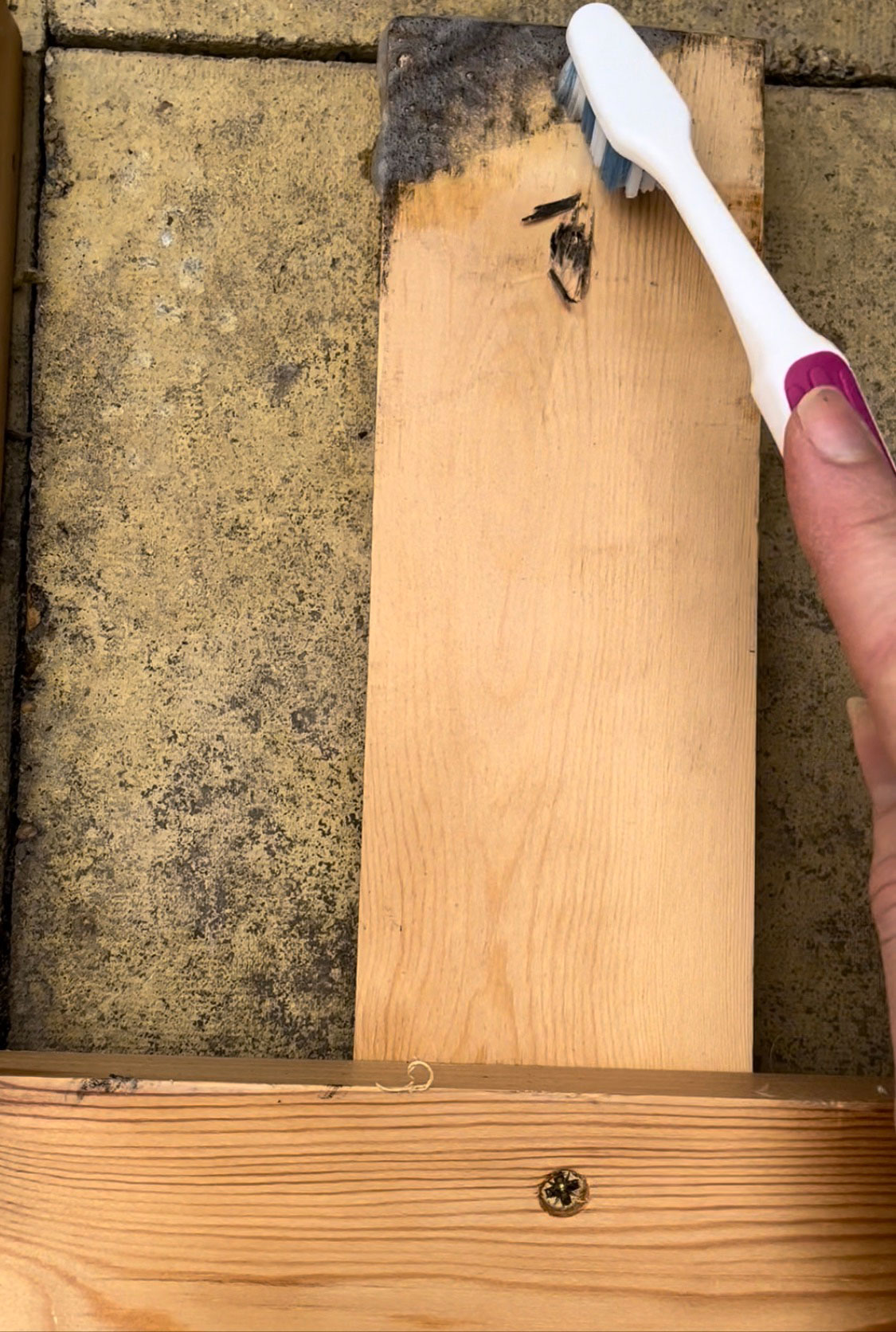
Use a soft-bristled brush or clean cloth to scrub the moldy area. Work in small circular motions to lift the mold from the wood grain. Avoid using steel wool or abrasive scrubbers, as these can scratch the wood.
Step 7: Wipe and Dry
Wipe away the loosened mold and excess cleaner with a damp cloth. Follow up with a dry cloth to remove any remaining moisture. Allow the wood to air dry completely before moving on.
Step 8: Inspect and Repeat
Once the wood is dry, inspect the area carefully. If you still see mold, repeat the process. For stubborn stains, you might need to lightly sand the surface after cleaning.
Step 9: Apply a Protective Finish
After the wood is clean and dry, consider applying a mold-resistant sealant or wood finish. This creates a protective barrier that helps prevent future mold growth.
How to Prevent Mold from Coming Back on Wood
Cleaning mold is only half the battle. If you don't address the underlying moisture problem, mold will return. Here's how to keep it away for good.
Control Humidity Levels
Mold thrives when humidity levels are above 60 percent. Keep your home's humidity between 30 and 50 percent using air conditioners, dehumidifiers, or natural ventilation. In bathrooms and kitchens, use exhaust fans during and after showers or cooking.
Fix Leaks Immediately
Even small leaks can create the perfect environment for mold. Regularly inspect plumbing, roofs, windows, and appliances for signs of water damage. Fix any leaks as soon as you discover them.
Improve Air Circulation
Stagnant air invites mold. Open windows regularly, use ceiling fans, and rearrange furniture to allow air to flow freely around wooden surfaces. In closets and basements, consider installing ventilation systems.
Use Mold-Resistant Products
When refinishing wood or building new structures, choose mold-resistant materials and finishes. Many modern wood sealants contain antimicrobial additives that inhibit mold growth.
Clean Regularly
Regular cleaning removes mold spores before they have a chance to colonize. Wipe down wooden surfaces with a mild cleaning solution at least once a month, and inspect hidden spots like under sinks and behind appliances regularly.
Dry Wet Items Quickly
If wood gets wet from spills, flooding, or condensation, dry it within 24 to 48 hours. The longer wood stays wet, the more likely mold is to develop.
Common Mistakes to Avoid When Cleaning Mold Off Wood
Over the years, I've seen homeowners make some serious mistakes that actually made their mold problems worse. Here are the biggest pitfalls to avoid.
Using Bleach on Porous Wood
Bleach is often the first thing people reach for, but it's not always the best choice for wood. Bleach kills surface mold but doesn't penetrate porous materials. This means the mold roots remain alive and can grow back. Bleach also contains water, which adds moisture to the wood and can worsen the problem.
Sealing Mold Without Cleaning
If you paint or seal over mold without properly cleaning it first, you're trapping moisture and spores underneath. This creates a hidden mold problem that can spread and become more dangerous over time.
Not Wearing Protective Gear
Mold spores can cause serious health issues when inhaled or touched. Always wear gloves, masks, and protective clothing when cleaning mold, especially in large infestations.
Scrubbing Too Hard
Aggressive scrubbing can damage wood finishes and push mold spores deeper into the grain. Always scrub gently and let the solution do the work.
Ignoring the Source
As I mentioned earlier, mold is almost always a symptom of a moisture problem. If you clean the mold but don't fix the source, it will definitely come back.
When to Call a Professional
Sometimes mold problems are too big or too dangerous to handle on your own. Here are signs that it's time to call in the pros.
- The affected area is larger than 10 square feet
- Mold has penetrated deep into the wood or structural materials
- You smell a strong, persistent musty odor
- You or your family members are experiencing health symptoms
- The mold keeps coming back despite your best efforts
Professional mold remediation specialists have the tools, training, and protective equipment to safely remove mold and address underlying moisture issues. While it costs more than DIY methods, it's often the safest and most effective option for severe problems.

Different Types of Wood and How They Respond to Mold
Not all wood is the same when it comes to mold resistance and cleaning. Here's what you need to know about common wood types.
Hardwood
Hardwoods like oak, maple, and cherry are dense and less porous than softwoods. They resist mold better but can still develop mold when exposed to moisture. When cleaning hardwood, be gentle to avoid scratching the finish.
Softwood
Pine, cedar, and fir are softer and more porous. They absorb moisture easily and are more susceptible to mold. When cleaning softwood, use gentler solutions and avoid excessive water.
Pressure-Treated Wood
Pressure-treated wood contains chemicals that resist rot and mold. However, it's not mold-proof, especially when the treatment wears off. Clean pressure-treated wood with mild soap and water, and avoid harsh chemicals that can break down the protective treatment.
Engineered Wood
MDF, plywood, and particleboard are highly susceptible to mold because they contain glue and other organic materials. Once mold penetrates engineered wood, it's often impossible to clean fully, and replacement may be necessary.
Reclaimed or Antique Wood
Older wood often has character marks, stains, and finishes that can react unexpectedly to cleaning solutions. Always test cleaners in hidden areas and proceed with caution when working with antiques.
Eco-Friendly Mold Removal Tips
If you're concerned about the environmental impact of cleaning products, there are plenty of eco-friendly ways to clean mold off wood.
- Use vinegar and water as your primary cleaning solution
- Choose baking soda for gentle scrubbing and deodorizing
- Opt for tea tree oil or other essential oils with antifungal properties
- Make your own cleaning pastes using natural ingredients
- Avoid aerosol sprays and products with volatile organic compounds
- Dispose of cleaning materials properly by sealing them in plastic bags
I personally love using natural solutions whenever possible. Not only are they better for the environment, but they're also safer for my family and pets.
Tools You'll Need for Mold Removal
Having the right tools makes the job easier, safer, and more effective. Here's what you'll need.
- Soft-bristled brushes for scrubbing
- Clean microfiber cloths for wiping and drying
- Spray bottles for applying solutions
- Rubber gloves to protect your hands
- Face masks or respirators to avoid inhaling spores
- Safety goggles to protect your eyes
- Fans or dehumidifiers to speed up drying
- Plastic sheeting to contain the work area in severe cases
Investing in quality tools pays off in the long run, especially if you live in a humid climate or older home where mold is a recurring issue.
Myths About Cleaning Mold Off Wood
There are several myths about mold removal that can lead you astray. Let's debunk the most common ones.
Myth 1: Bleach Is the Best Mold Killer
While bleach kills surface mold, it doesn't penetrate porous materials like wood. This means mold can grow back from the roots. Bleach also adds moisture, which feeds the problem.
Myth 2: Once Mold Is Gone, It Won't Come Back
Mold spores are everywhere, and they will return if conditions are right. Proper prevention is essential for long-term control.
Myth 3: All Mold Is Toxic
Not all mold is dangerous, but all mold should be removed. Some types, like black mold, produce mycotoxins that can cause serious health issues, while others are mainly cosmetic concerns.
Myth 4: You Can Completely Remove Mold from Porous Wood
In some cases, deeply penetrated mold cannot be fully removed from porous wood. Sanding or replacement may be necessary for severe cases.
Myth 5: Painting Over Mold Solves the Problem
Painting over mold traps moisture and spores, making the problem worse. Always clean and treat the wood before applying any finish.

Frequently Asked Questions About Cleaning Mold Off Wood
Can mold on wood make you sick?
Yes, mold on wood can cause respiratory issues, allergic reactions, and skin irritation, especially for people with asthma or weakened immune systems. It's important to address mold promptly and wear protective gear during cleanup.
Is vinegar or hydrogen peroxide better for mold on wood?
Both are effective, but hydrogen peroxide is stronger and better for stubborn mold. Vinegar is gentler and safer for delicate finishes. Choose based on the severity of the mold and the type of wood.
Can I use bleach to remove mold from wood?
Bleach is not recommended for porous wood because it doesn't penetrate deeply and adds moisture. It can also damage wood finishes. Use vinegar, hydrogen peroxide, or baking soda for better results.
How do I keep mold from coming back after cleaning?
Control humidity, fix leaks, improve ventilation, and apply mold-resistant sealants. Regular cleaning and prompt drying of wet wood also help prevent mold recurrence.
When should I replace wood instead of cleaning it?
Replace wood when mold has penetrated deeply, caused structural damage, or keeps returning despite cleaning. Engineered wood with extensive mold growth usually needs replacement.
Wrapping Up Your Mold Removal Journey
Tackling mold on wood doesn't have to feel like an impossible battle. With the right cleaners, techniques, and preventive measures, you can restore your wood surfaces and keep them looking beautiful for years to come. Remember that vinegar, hydrogen peroxide, baking soda, and tea tree oil are your best natural allies against mold, while commercial cleaners work well for severe cases. Always address the moisture source, wear protective gear, and don't hesitate to call a professional when the job is too big.
Your wood deserves the best care, and now you have all the tools and knowledge you need to give it just that. Start your mold removal project today, share your experience in the comments below, and feel free to explore our other guides for more home maintenance tips and tricks.