What Can I Use As Carpet Cleaner: Best DIY Solutions
You can use baking soda, white vinegar, dish soap, hydrogen peroxide, or club soda as effective DIY carpet cleaners.
If you've ever stared at a stubborn carpet stain and thought, "There has to be something better than the store-bought stuff," you're in the right place. As someone who has tested dozens of DIY carpet cleaning solutions over the years, I can tell you that some of the best carpet cleaners are already sitting in your kitchen pantry. Whether you're dealing with pet stains, wine spills, or just a general dingy look, this guide will walk you through exactly what you can use, how it works, and how to get the best results without damaging your carpet. Let's dive in and save you a trip to the cleaners.
Common Household Items That Work as Carpet Cleaners
You don't need fancy equipment or expensive products to clean your carpet well. Most homes already contain ingredients that work just as well, if not better, than commercial solutions. Here are the most reliable options I recommend.
Baking Soda
Baking soda is my go-to for freshening carpets and lifting mild stains. It works by neutralizing odors and absorbing moisture. I once had a cat that loved to nap on the rug, and a sprinkle of baking soda, left for 15 minutes before vacuuming, worked wonders. It's safe for most carpet types, including wool and synthetic blends, and it's incredibly cheap.
White Vinegar
White vinegar is a powerhouse when it comes to breaking down tough stains. Its mild acidity helps dissolve dirt and kill bacteria. Mix one part vinegar with two parts water for a general cleaning spray, or use it straight on tough spots. Just remember to blot, don't rub, so you don't spread the stain.
Dish Soap
A few drops of dish soap mixed with warm water can handle everything from coffee spills to mud tracks. Dish soap is designed to cut grease, so it works especially well on oily residues. I keep a small spray bottle with dish soap and water near my front door for quick cleanups.
Hydrogen Peroxide
Hydrogen peroxide is great for light-colored carpets and works as a mild bleaching agent. It's especially effective on blood, wine, and pet stains. I always test it on a hidden spot first because, while it's safe for most carpets, it can lighten certain dyes if used too concentrated.
Club Soda
Club soda is surprisingly effective at lifting fresh stains. The carbonation helps loosen dirt, and the minerals prevent it from setting. I learned this trick from a friend who swears by it for red wine spills, and it really does work if you act fast.

How to Make Your Own DIY Carpet Cleaner
Making your own carpet cleaner is simple, cost-effective, and customizable. Here are a few tried-and-true recipes that have served me well over the years.
Basic All-Purpose Carpet Cleaner
This is perfect for routine cleaning and light stains.
- 1 cup white vinegar
- 1 cup warm water
- 1 teaspoon dish soap
Mix everything in a spray bottle. Spray lightly onto the carpet, let it sit for 5 to 10 minutes, then blot with a clean cloth.
Heavy-Duty Stain Remover
For tough, set-in stains, you'll want something stronger.
- 2 tablespoons hydrogen peroxide
- 1 tablespoon dish soap
- 1 tablespoon baking soda
- 1 cup warm water
Combine in a spray bottle or bowl. Apply to the stain, let it bubble for a few minutes, then blot and rinse with clean water.
Carpet Deodorizer
If your carpet just smells musty or has pet odors, this is the fix.
- 1 cup baking soda
- 10 drops essential oil (optional)
Sprinkle generously over the carpet, let it sit for at least 30 minutes, then vacuum thoroughly. The baking soda absorbs odors while the essential oil leaves a fresh scent.
Pet Stain and Odor Remover
As a pet owner, I've dealt with more than my fair share of accidents. This combo works best.
- 1 cup white vinegar
- 1 cup water
- 1 teaspoon baking soda
- A few drops of pet-safe essential oil
Apply to the stain, let it dry completely, then vacuum. The vinegar neutralizes odors while the baking soda lifts the stain.
Tips for Using DIY Carpet Cleaners Safely
Even though these are gentle, household ingredients, using them the right way matters. Here are a few things I've learned the hard way so you don't have to.
Test First
Always test any cleaning solution on a hidden area of your carpet before using it on a visible spot. Some dyes can bleed or fade, especially with hydrogen peroxide or vinegar.
Blot, Don't Rub
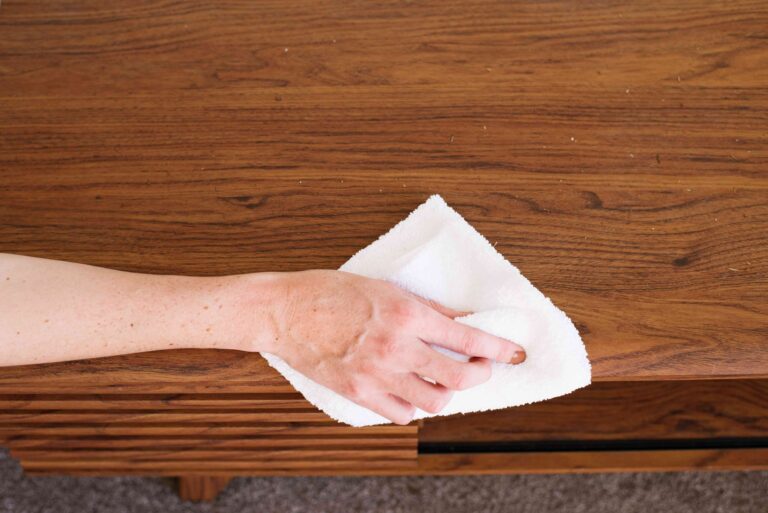
Rubbing a stain pushes it deeper into the carpet fibers and can damage the weave. Always blot gently with a clean, white cloth or paper towel.
Avoid Overwetting
Soaking your carpet can lead to mold and mildew growth underneath. Use just enough solution to dampen the area, and always allow it to dry completely before walking on it.
Know Your Carpet Type
Different carpets require different care. For example, natural fibers like wool or silk are more delicate and may not react well to acidic solutions. Synthetic carpets like nylon or polyester are more forgiving and can handle most DIY cleaners.
Ventilate the Area
Vinegar and hydrogen peroxide both have strong smells that fade as they evaporate. Open a window or turn on a fan to speed up the process and keep the air fresh.
When to Use a Commercial Carpet Cleaner
While homemade options are great for everyday messes, there are times when a store-bought cleaner is the better choice. Here's when I reach for the commercial stuff.
Deep Stains That Won't Budge
If you've tried DIY methods and a stain is still visible, a commercial carpet cleaner with stronger enzymes might be necessary. These are formulated for specific stain types like ink, grease, or rust.
Large Areas
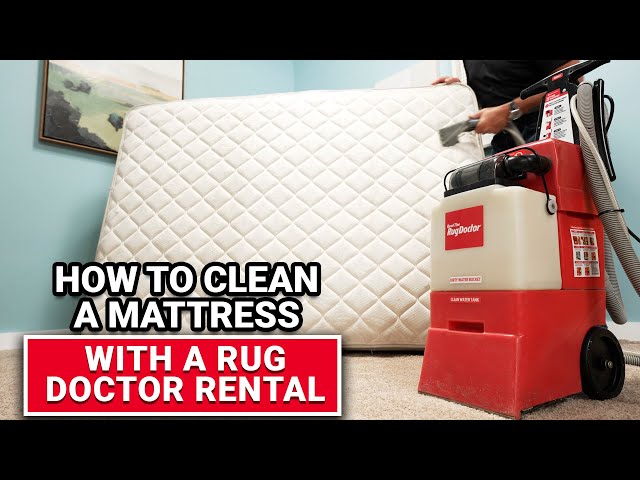
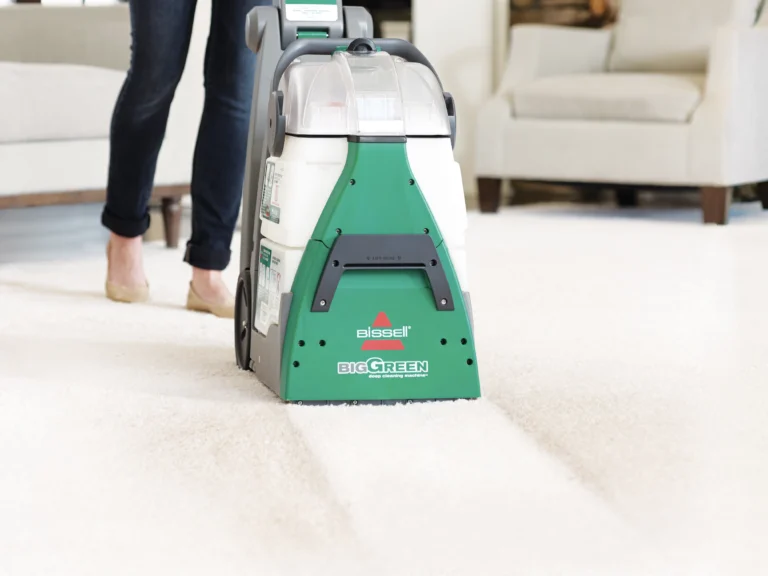
For entire rooms or high-traffic areas, a commercial carpet cleaning machine or a professional service will save you time and effort. I usually rent a carpet cleaner once a year to do a deep clean, and it makes a huge difference.
Allergen Removal
If you have allergies or asthma, commercial cleaners often contain anti-allergen additives that DIY solutions don't. They can help remove dust mites, pollen, and dander more thoroughly.
Time Constraints
Sometimes life gets busy and you just need a quick fix. Commercial spray cleaners are convenient and fast, especially when you don't have time to mix your own solution.
Mistakes to Avoid When Cleaning Your Carpet
Over the years, I've made my fair share of carpet cleaning mistakes. Here are the most common ones and how you can avoid them.
Using Too Much Water
As I mentioned earlier, overwetting can lead to mold and mildew. Always use a damp cloth rather than a soaking wet one.
Scrubbing Aggressively
Scrubbing can fray carpet fibers and make the stain worse. Always blot gently and work from the outside of the stain inward to prevent spreading.
Skipping the Test Patch
I learned this lesson the hard way. I used hydrogen peroxide on a dark rug and it lightened the color in one spot. Now I never skip testing first.
Not Vacuuming First
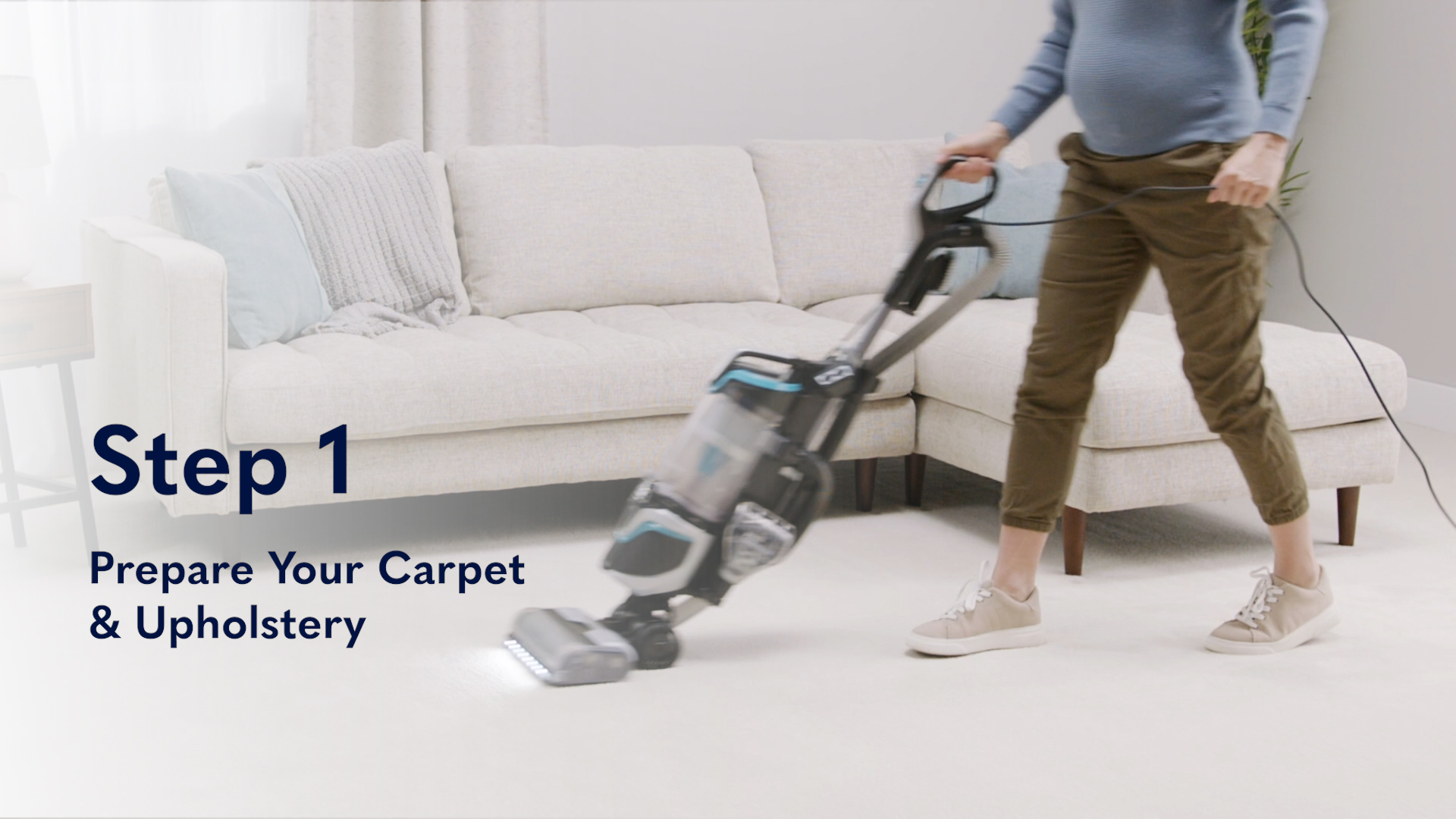
Vacuuming before applying any cleaning solution removes loose dirt and prevents it from turning into mud when wet.
Ignoring Manufacturer Guidelines
Some carpets come with specific cleaning codes. For instance, a "W" means you can use water-based cleaners, while an "S" means you should stick to dry methods. Always check your carpet's care guide.

Eco-Friendly and Non-Toxic Carpet Cleaning Options
If you're concerned about chemicals in your home, especially with kids or pets, these eco-friendly options are safe and effective.
Castile Soap
Castile soap is a vegetable-based soap that cleans without synthetic ingredients. Dilute a small amount in water for a gentle yet effective cleaner.
Lemon Juice
Lemon juice has natural bleaching properties and a fresh scent. It's great for light-colored carpets and works well on rust or yellow stains. Mix with water and apply sparingly.
Cornstarch
For grease stains, cornstarch works surprisingly well. Sprinkle it on the stain, let it sit for 15 minutes, then vacuum. It absorbs the oil without leaving a residue.
Essential Oils
Tea tree oil and lavender oil have natural antibacterial properties. Add a few drops to your DIY cleaning solutions for extra cleaning power and a pleasant scent.
Steam Cleaning
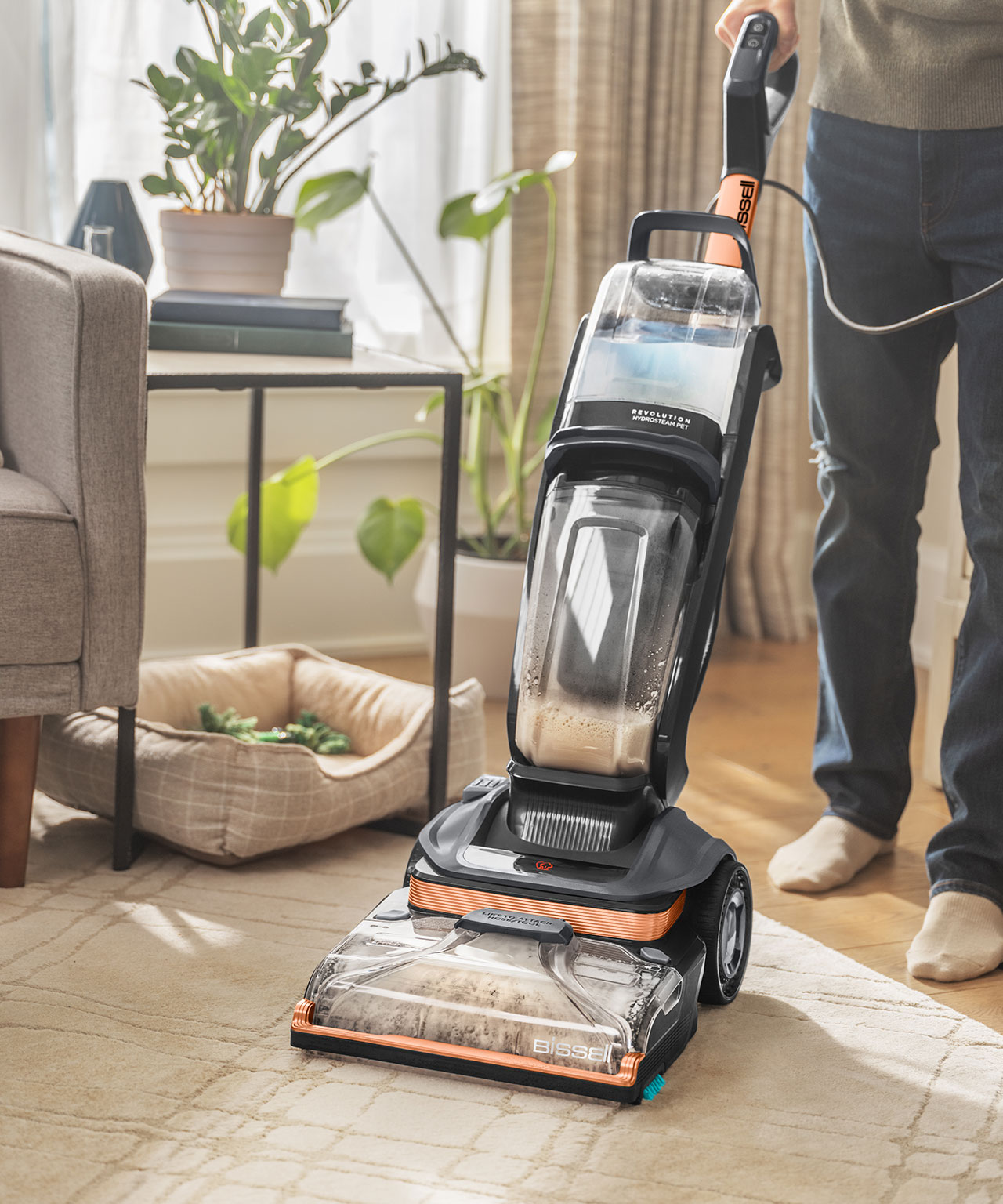
Steam cleaning uses only water and heat to sanitize carpets. It's one of the most eco-friendly methods and is safe for most carpet types. You can rent a steam cleaner or buy a small handheld version for spot treatments.

Frequently Asked Questions
What is the best homemade carpet cleaning solution for old stains?
For old, stubborn stains, mix hydrogen peroxide, dish soap, and baking soda into a paste. Apply it to the stain, let it sit for 10 minutes, then blot and rinse. This combo helps break down set-in stains without damaging most carpets.
Can I use laundry detergent as a carpet cleaner?
Yes, but only in small amounts. Mix one tablespoon of liquid laundry detergent with one cup of warm water. It works well for general cleaning, but avoid using too much since it can leave a soapy residue.
Is vinegar safe for all types of carpets?
Vinegar is safe for most synthetic carpets but should be used with caution on natural fibers like wool or silk. Always dilute it with water and test on a hidden spot before full application.
How do I remove pet odors from my carpet?
For pet odors, use a mixture of white vinegar, water, and baking soda. Apply it to the affected area, let it dry completely, then vacuum. The vinegar neutralizes odors while the baking soda absorbs moisture and smells.
Can I use bleach to clean my carpet?
Bleach is too harsh for most carpets and can cause discoloration or damage. It's only safe for white carpets in very diluted amounts, and even then, it should be used as a last resort.
Final Thoughts
Cleaning your carpet doesn't have to involve expensive products or harsh chemicals. With a few simple ingredients like vinegar, baking soda, dish soap, and hydrogen peroxide, you can handle most stains and odors right at home. I've used these methods for years, and they've saved me time, money, and the hassle of calling in a professional. Just remember to test first, blot instead of rub, and avoid overwetting your carpet. Whether you're dealing with a fresh spill or just want to freshen up your space, these DIY solutions are practical, effective, and easy on your wallet. Give them a try, and you'll be amazed at how clean your carpet can look with just a little effort. If you found this guide helpful, feel free to share it with friends or leave a comment with your own favorite carpet cleaning tips!